End of tenancy cleaning checklist: room by room
A room-by-room checklist for cleaning a rented home back to its check-in inventory, with what a landlord can and cannot charge for and the photographs to take.

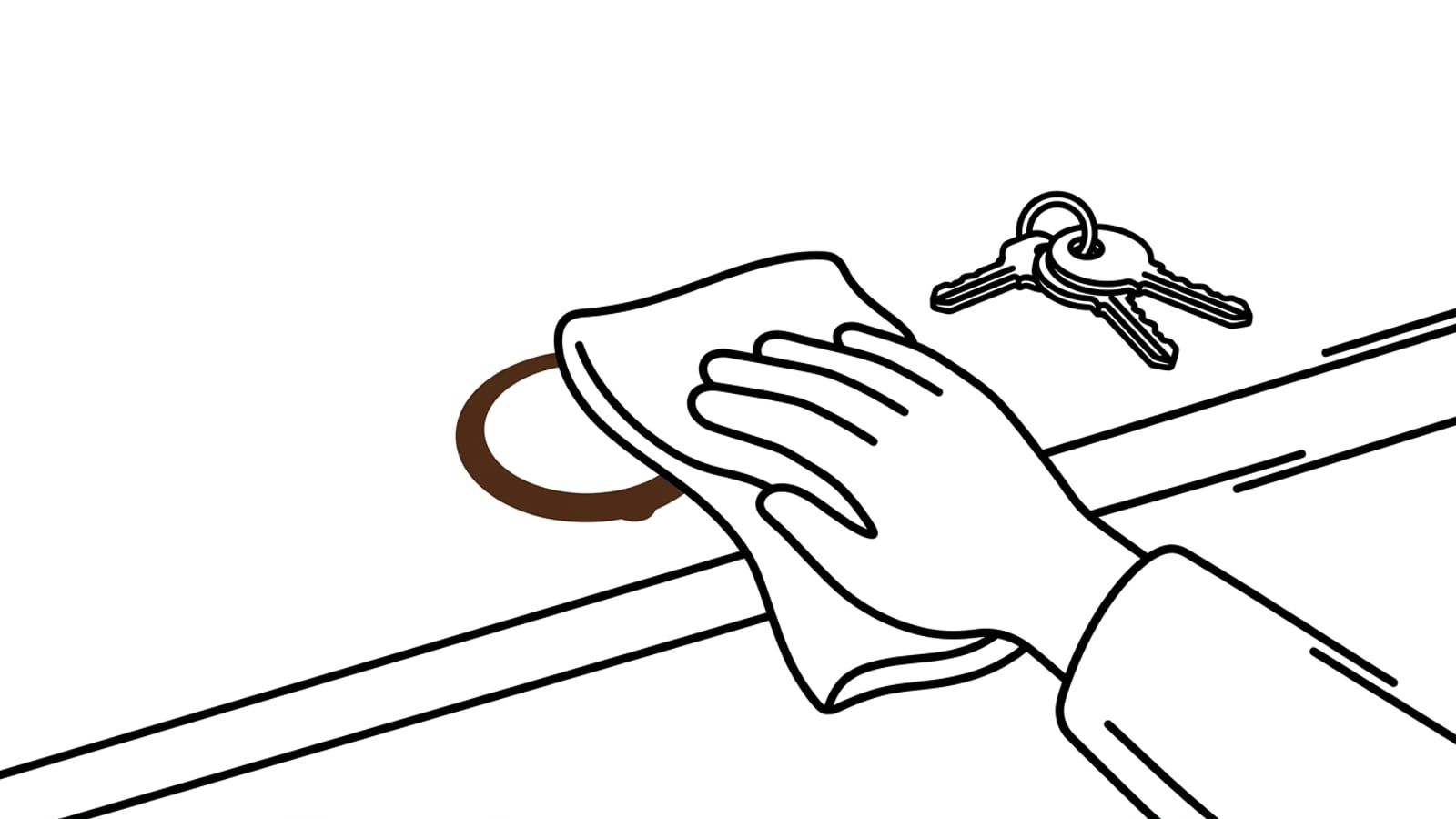
Clean the home back to the standard recorded in your check-in inventory, allowing for fair wear and tear: kitchen and bathroom first, each room top to bottom and dry before wet, floors last, then dated photographs of every room. In England a landlord can deduct the reasonable cost of cleaning the home back to that standard but cannot make you pay for a professional clean, and Wales, Scotland and Northern Ireland have their own rules.
Clean the home back to the condition recorded in your check-in inventory, allowing for fair wear and tear: that is the standard your deposit is judged against. Start with the kitchen and bathroom, which take longest, work each room from the top down and dry before wet, leave the floors until last, and photograph every room before you hand back the keys. In England a landlord can deduct the reasonable cost of cleaning the home back to its check-in standard, but cannot make you pay for a professional clean.
The standard: your check-in inventory
Find your check-in inventory, sometimes called the check-in report, and any photographs from moving in. Shelter’s guidance on cleaning charges is plain: you only need to clean your home to the same standard as it was when you moved in. If the inventory notes a greasy oven, a spotless one isn’t owed.
In England, Shelter sets out what can come out of your deposit:
| At the end of the tenancy | Can your landlord deduct for it? |
|---|---|
| Cleaning the home back to its check-in standard | Yes, at a reasonable cost |
| A compulsory professional clean, however clean you leave it | No |
| Cleaning to a professional standard | Only if the home was cleaned to that standard before you moved in |
| Fair wear and tear, such as small scuffs, faded curtains or worn carpet | No |
| Redecorating because it is due | No |
Cleaning charges are the most common reason landlords keep money from a deposit, Shelter says, so read the inventory before you start, not at the check-out. No inventory? Your move-in photographs and emails are the record.
Where you rent
Shelter’s guidance is for England. The other nations have their own renting law and deposit schemes:
- England: assured periodic tenancies replaced assured shorthold tenancies on 1 May 2026. Deposits are protected by the Deposit Protection Service, mydeposits or the Tenancy Deposit Scheme, as GOV.UK’s guide to tenancy deposit protection explains.
- Wales: renters have had occupation contracts since 1 December 2022, with deposits in the same three schemes. The Welsh Government’s guidance says you are not responsible for things worn or broken through everyday use, but must take proper care of the home.
- Scotland: deposits are protected by Safe Deposits Scotland, Letting Protection Service Scotland or mydeposits Scotland. Shelter Scotland says a landlord can only charge you to put the property back how it was (for a stained carpet, the cost of cleaning it, not a new carpet), and if they want to keep part of the deposit, you have 30 working days to say whether you agree.
- Northern Ireland: deposits are protected by Tenancy Deposit Scheme Northern Ireland or mydeposits Northern Ireland. As nidirect explains, the information your landlord must give you about the deposit includes how to tell the scheme if you disagree about its return.
Before you start: the kit and the order
Gather it all first:
- rubber gloves, microfibre and white cotton cloths, a non-scratch scourer and an old toothbrush;
- washing-up liquid, bicarbonate of soda, a multi-purpose spray and a limescale remover;
- oven cleaner, only if a bicarbonate of soda paste won’t shift the grease;
- a vacuum with a crevice tool, a mop and bucket, bin bags and a step stool.
Our picks are in the Cupboard, with refill and plain alternatives where they work. Use one product at a time, rinsing between them.
Speed comes from the order, as in every routine in our Home Routines section:
- Clear out everything of yours and take the rubbish away.
- Put the oven racks to soak, and oven cleaner on if you need it: the oven is the slowest job.
- Clean the kitchen, then the bathroom, then the other rooms, each from the top down.
- Dust and vacuum before you wipe or mop, so the dust doesn’t turn to smears.
- Do the floors last, finishing at the front door.
Kitchen
- Empty the fridge, freezer, cupboards and drawers.
- If ice has built up in the freezer, defrost it: switch it off, lay towels down and leave the door open. Never chip at the ice with anything sharp, which can damage the cooling pipes.
- Wash the fridge and freezer inside with warm water and a little washing-up liquid, and dry them. If the fridge stays off, prop the door open so it doesn’t go musty.
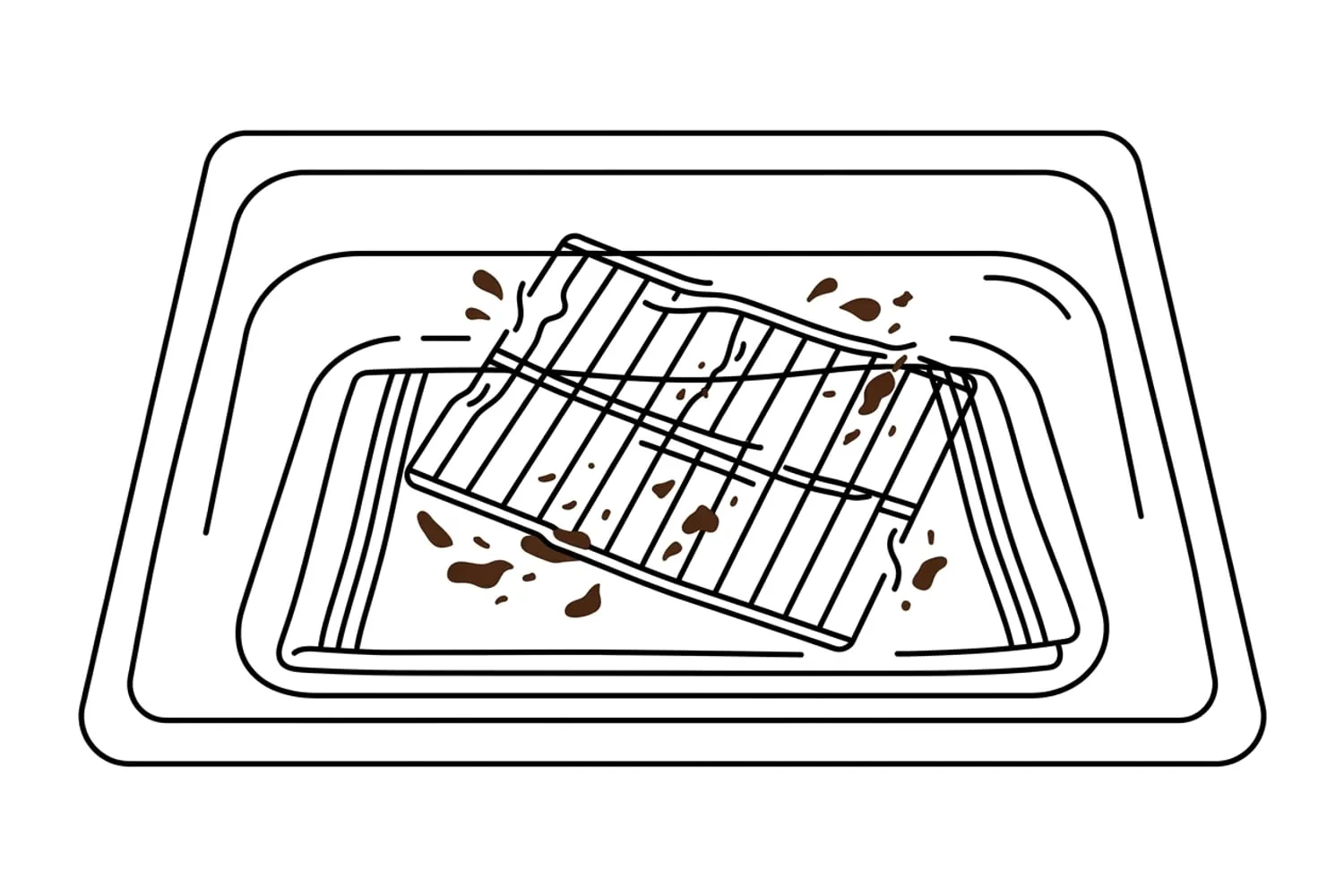
- Soak the oven racks and trays in hot water and washing-up liquid, in the sink or a bath lined with an old towel, then scrub them with a non-scratch scourer.
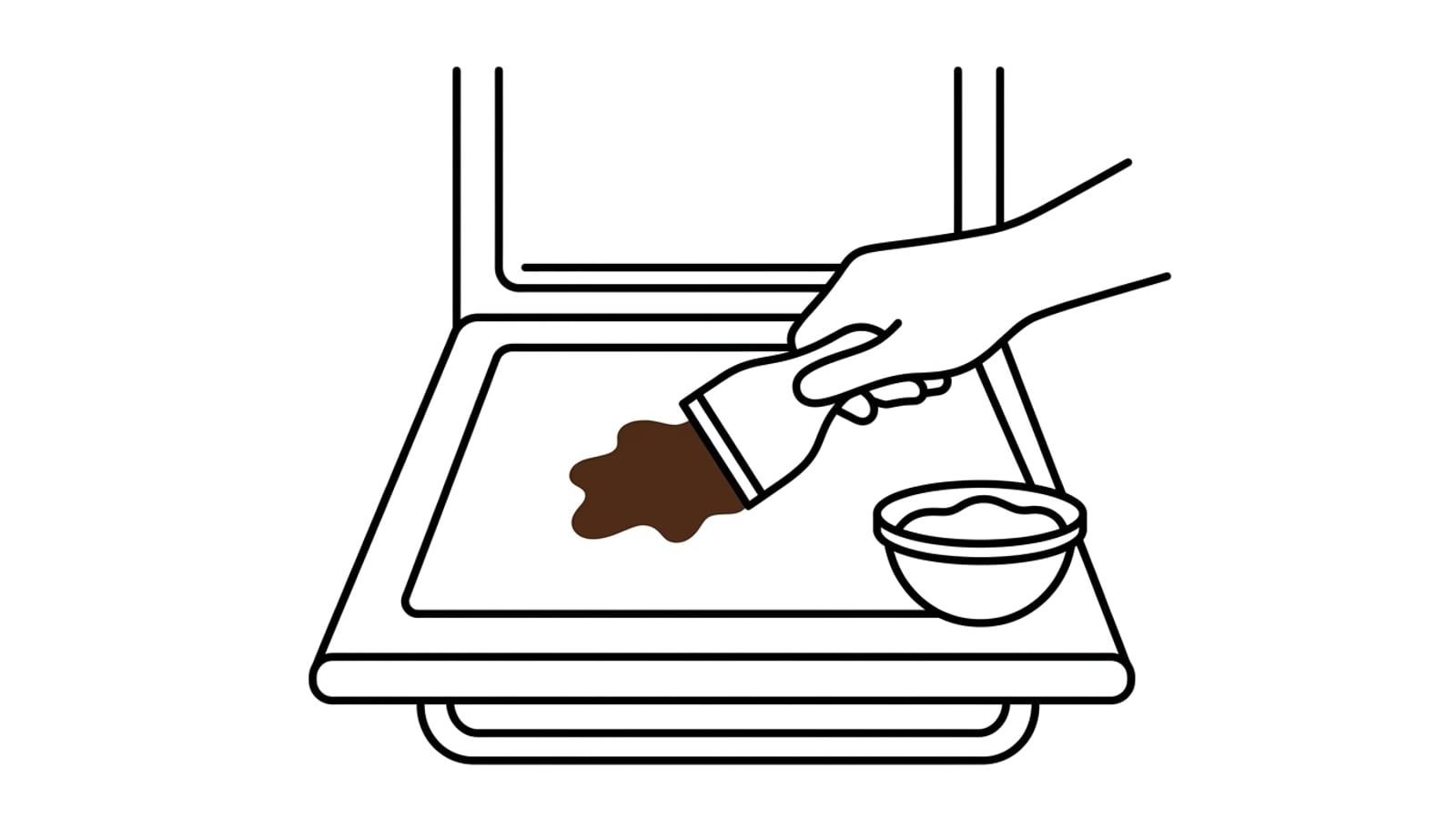
- Clean the oven and its door with a paste of bicarbonate of soda and water first. Use oven cleaner only as its label says, with gloves on and a window open, keeping it off the door seal, self-cleaning liners and painted surfaces. How to clean oven door glass has the full method, between the panes included.
- Soak a gas hob’s pan supports and burner caps, and dry them completely so the burners light. On a glass hob, use a cleaner made for it and a soft cloth, never a scouring pad.
- Wash the extractor hood, and its metal grease filters as the manual says.
- Wipe the cupboards inside and out, the tiles and the splashback with washing-up liquid in warm water. For set-in grease, follow the Stain Finder’s method for grease and cooking oil, and keep oven cleaner off painted cupboards.
- Clean the worktops the same way, keeping vinegar and other acids off granite, marble and other natural stone.
- Finish with the sink, the taps, the microwave and any appliances the landlord supplied, as their manuals say.
Bathroom
Open a window or run the extractor fan. A bleach mould spray and an acid limescale remover often sit side by side here: finish with one and rinse with water before you use the other. Never mix bleach with ammonia, white vinegar or any other acid, including limescale removers and some toilet cleaners: together they give off toxic gas.
- Dust the fan cover and the light, then clean the mirror and cabinet.
- Clean the tiles from the top down, with an old toothbrush along the grout.
- Treat mould marks on grout and sealant with a mould stain remover, as its label says. If marks inside the sealant won’t lift, tell your landlord rather than scraping at it.
- Descale the taps, showerhead, screen and toilet after checking the tap maker’s care instructions, since some finishes can’t take acid. How to remove limescale from taps, showers and toilets goes surface by surface.
- Clean the bath, basin and shower tray with a non-abrasive cleaner, and clear the plugholes.
- Clean the toilet under the rim and at the waterline, then the seat, hinges, cistern, the outside of the bowl and the floor around it.
Bedrooms, living room and hall
- Check every wardrobe, drawer and cupboard, and under the beds, for anything left behind, and put the landlord’s furniture back where the inventory shows it.
- Dust from the top down: light fittings with the lights off and cool, curtain rails, the tops of wardrobes and doors, then shelves and sills.
- Vacuum and wipe inside wardrobes and drawers.
- Vacuum the mattress and any upholstery, checking a sofa’s cleaning label first, and lift marks with a barely damp cloth and a little washing-up liquid lather, then let everything dry fully.
- Check the care label before washing the landlord’s curtains; if it says dry clean only, vacuum them with the brush tool. Wipe blinds slat by slat.
- In the hall, clean both sides of the front door, the stairs and banisters, and the top of the meter cupboard.
Walls, woodwork and windows
Do these in each room after the dusting and before the floor.
- Wipe skirting boards, door frames and doors, especially round the handles, with washing-up liquid in warm water.
- Wipe switches and sockets with a barely damp cloth, never a wet one.
- Dab marks on walls with a drop of washing-up liquid in warm water on a soft cloth, after testing a hidden patch. Never use a melamine sponge on matt or silk paint: it works like fine sandpaper and takes the paint off with the mark.
- Wash the inside of the windows with washing-up liquid in warm water, dry the glass with a squeegee or microfibre cloth, and vacuum the tracks.
- Clean outside glass only where you can reach it safely from the ground or through the window.
Carpets and floors
- Vacuum slowly, with the crevice tool along the edges and corners, under the furniture and on every stair.
- Treat any marks you made, stain by stain, with a patch test first.
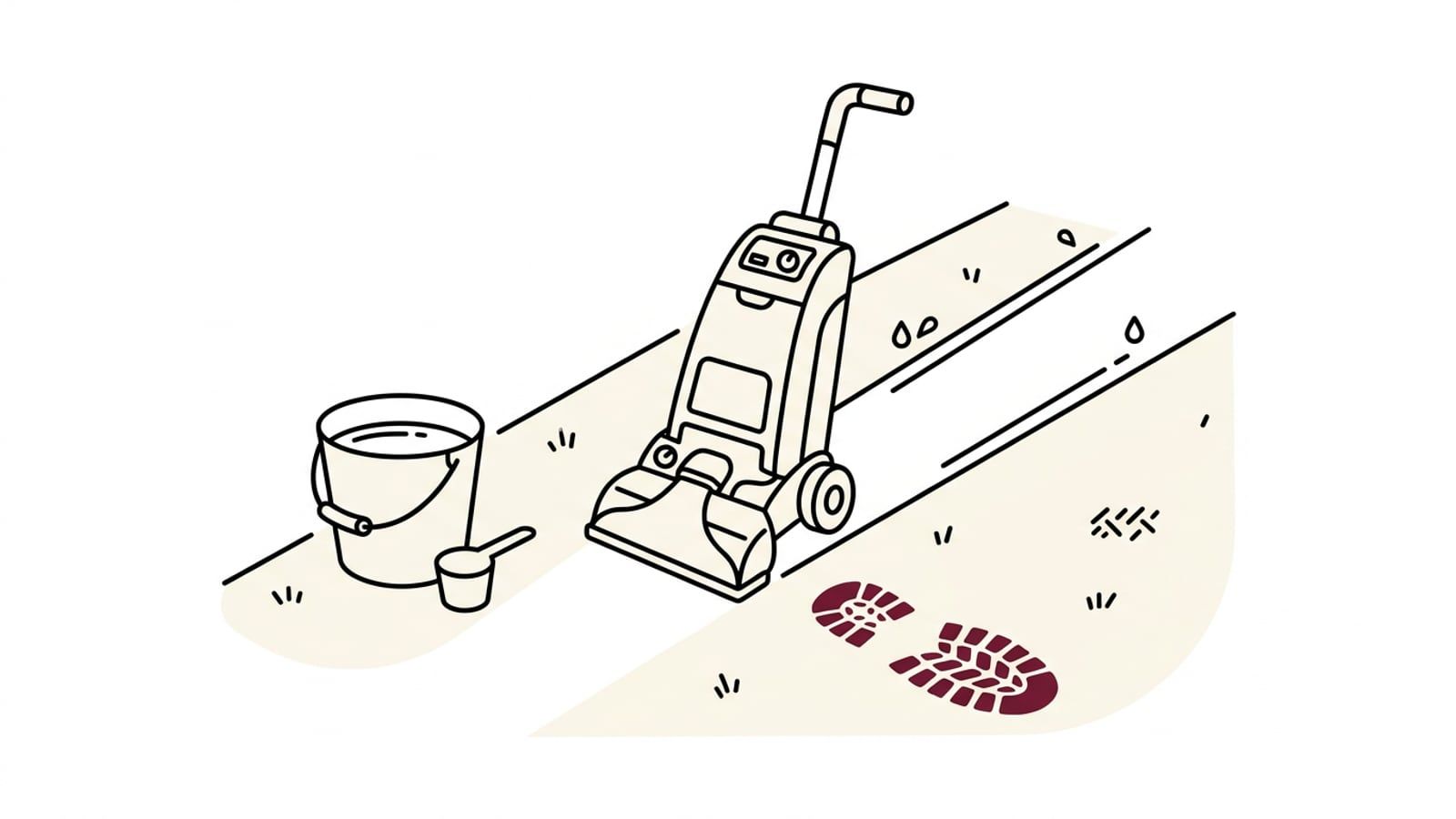
- If the carpets need washing to match their check-in state, our guide to hiring or buying a carpet cleaner compares the options, a professional included, and explains how to avoid over-wetting. Leave them time to dry completely before the check-out.
- Check the maker’s advice before wetting a wool carpet or natural fibres such as sisal and seagrass.
- Vacuum hard floors, then mop from the far corner back to the door, with the mop well wrung on wood and laminate: standing water swells the boards.
Before you hand back the keys
- Walk round with the inventory and compare, room by room. Put back anything you moved, and replace any bulbs that worked when you moved in.
- Leave the garden as the inventory shows it, with no extra bags beside a full bin.
- Take dated photographs or a video of every room, with close-ups inside the oven, fridge and cupboards and of any mark the inventory lists.
- Take meter readings on the day you leave, and photograph each meter.
- Ask to be at the check-out inspection.
- Return every key, labelled, and get written confirmation.
- Ask for your deposit back in writing, with your new address.
Tip: photograph each room as soon as you finish it, before you carry anything back through it, so the pictures show it at its cleanest.
In England and Wales, GOV.UK says your landlord must return the deposit within 10 days of you both agreeing how much you’ll get back. In a dispute, it stays protected in its scheme until the issue is sorted out, and the scheme’s dispute resolution service is free, if you and your landlord both agree to use it.
Doing it yourself or paying a cleaner
You don’t have to pay for a professional clean. Some renters do, to avoid a dispute over the deposit, but Shelter is clear that you do not have to. A cleaner earns the fee when time is short or the oven and carpets need more than you can give them. If the inventory records a professional clean at check-in, the bar is higher, though you can still meet it yourself. If you pay someone:
- get a written quote listing what is included, such as inside the oven, fridge and cupboards, the windows and the carpets;
- give them the check-in inventory to clean to;
- ask what happens if the check-out finds something they missed;
- check their work against the inventory, and keep the receipt as proof the home was cleaned.
Clean to the inventory, photograph what you have done and keep the receipts, so any disagreement starts from the evidence rather than from memory.
Questions
Can my landlord make me pay for a professional clean?
Not in England. Shelter says a tenancy clause making you pay for professional cleaning is not fair and your landlord cannot make you do it, though a clause asking you to clean to a professional standard is only fair if the home was cleaned to that standard before you moved in. Your landlord can still deduct the reasonable cost of cleaning the home back to its check-in standard if you leave it dirtier than that. Wales, Scotland and Northern Ireland have their own renting rules, so check the guidance for where you rent.
Do I have to clean the carpets when I move out?
You need to leave them as clean as they were at check-in, so vacuum them thoroughly and treat any marks you made. Worn flooring and frayed carpets are fair wear and tear, which your landlord cannot charge for. In England your landlord cannot make you pay for a professional clean, and a clause asking for a professional standard is only fair if the home was cleaned to that standard before you moved in; hiring a carpet washer is one way to meet it yourself.
What counts as fair wear and tear?
Shelter describes it as changes caused by normal everyday living, such as small scuffs on walls, faded curtains or furniture, and worn flooring or frayed carpets, and your landlord cannot keep any of your deposit for it. More is allowed for a family with children over five years than for one person over six months. Dirt is a separate matter: a home left less clean than it was at check-in can still be charged the reasonable cost of cleaning it.
What happens if my landlord says the property isn’t clean enough?
Ask for the deductions in writing, itemised with their costs, and compare them with your check-in inventory and your own dated photographs. If you still disagree, the scheme protecting your deposit can decide: in England and Wales its dispute service is free, you and your landlord both have to agree to use it, and the deposit stays protected until the dispute is sorted out. In Scotland, if your landlord wants to keep part of the deposit, you have 30 working days to say whether you agree.
Sources
- Can landlords charge for cleaning and gardening?, Shelter England,
- What can a landlord keep from your deposit?, Shelter England,
- Tenancy deposit protection, GOV.UK
- Standard occupation contracts: guidance, Welsh Government,
Read next
- Is it worth buying a carpet cleaner, or hiring one?What hiring a carpet washer, buying one or paying a professional costs in pounds, which carpets to keep machines off, and how to avoid over-wetting.
- How to clean oven door glass, including between the panesClean oven door glass with a bicarbonate of soda paste and a plastic scraper, use oven cleaner safely, and reach the grease trapped between the panes.
Stain Finder: a free stain removal guide
Find your stain