How to get colour run out of clothes
Whites came out pink or grey? Keep them damp and out of the dryer, rewash cool without the culprit, then try an oxygen soak before a colour run remover.

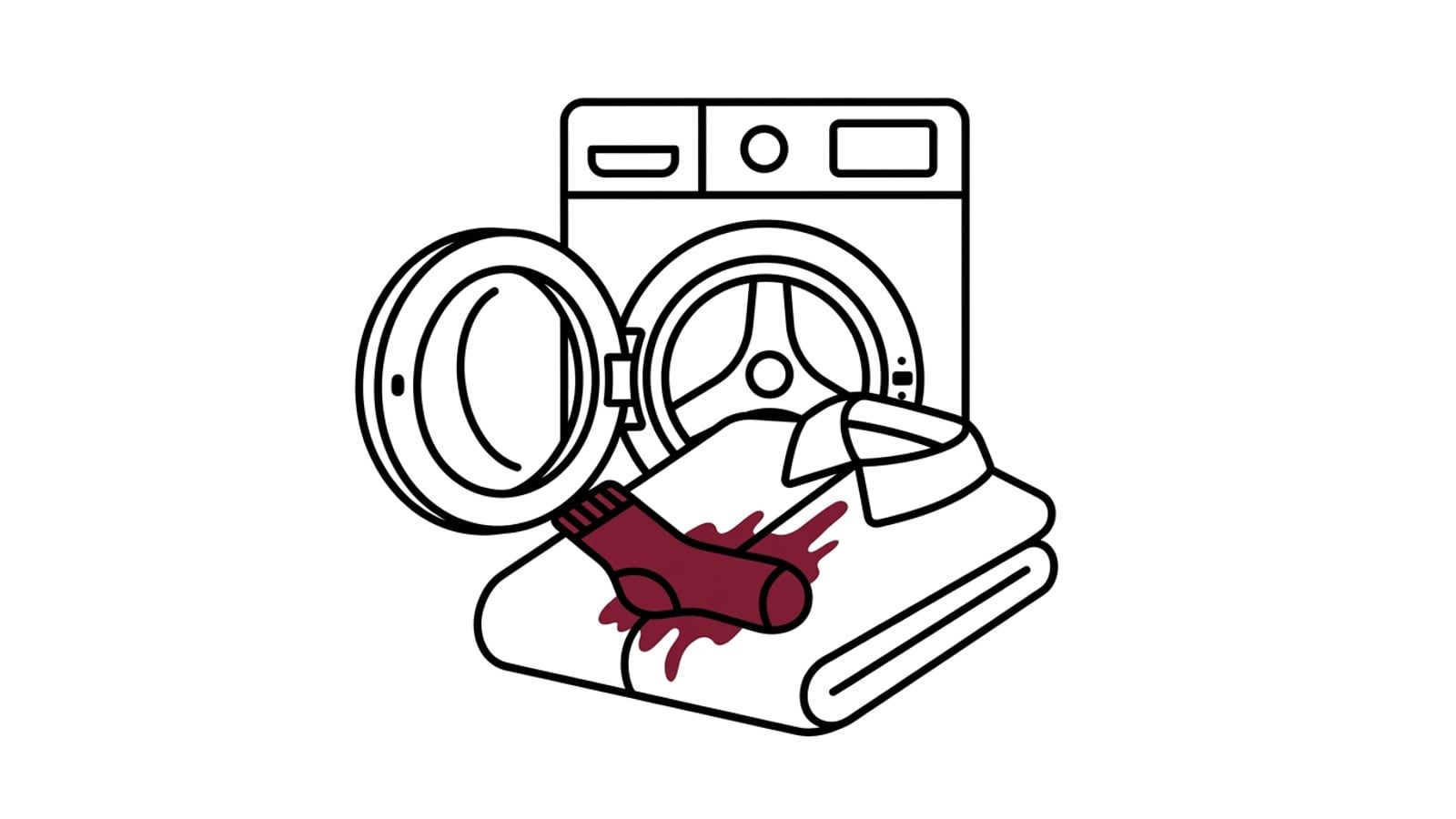
Take out whatever ran, keep the stained clothes damp and out of the tumble dryer, and rewash them straight away on a cool wash. If a tint is left, soak them in an oxygen-based stain remover where the care label allows, and only then try a colour run remover, stopping if its longest soak does not shift the colour.
Take out whatever ran, keep everything else damp and out of the tumble dryer, and rewash it straight away on a cool wash. That alone can lift a fresh colour run. If a tint is left, soak the clothes in an oxygen-based stain remover, as far as each care label allows, and only then reach for a colour run remover, which is stronger and comes with more rules.
First, keep it wet and out of the dryer
Dye that has just landed on a fabric may not be fixed yet, and heat from a tumble dryer or an iron helps fix it. So before anything else:
- Find the culprit, usually something new and dark or red, and take it out of the load.
- Keep the affected clothes damp. Don’t tumble dry them, iron them or hang them on a radiator.
- If you can’t rewash straight away, keep them apart from the culprit and anything else dark: dye moves between damp clothes left in a heap.
- Check each care label for the hottest wash it allows and which bleach, if any, it can take. GINETEX, the body behind the care symbols, explains them: the number in the tub is a maximum, and the triangle covers bleach.
Make sure it is a colour run: an even pink, blue or grey tint, or patches where something dark lay against the fabric. Blue or black spots are more likely a pen that went through the wash, which needs the method in how to get biro and ink out of clothes. Hair dye on a towel or pillowcase is a different stain again, with its own hair dye method in the Stain Finder.
Then work through the fixes in order, gentlest first, and stop as soon as the colour has gone:
| Fix | Suits | Keep it off | Stop when |
|---|---|---|---|
| Cool rewash with detergent | Anything washable | Dry-clean-only clothes | The tint has gone, or stops fading |
| Oxygen-based stain remover | Whites and colourfast colours whose label allows bleach | Wool, silk and a crossed-out triangle | The pack’s longest soak has not shifted it |
| Colour run remover | Whites and colourfast fabrics that can take hot water | Whatever the pack excludes | The pack’s longest soak has not shifted it |
| Chlorine bleach | White cotton and linen with a plain triangle | Colours, wool, silk and man-made fibres | One soak, as the bleach label says |
Rewash straight away, without the culprit
- Put the affected clothes back in the machine without the culprit, keeping whites apart from colours.
- Choose a cool wash, 30°C or cooler if the care label asks. Warm and hot water make fibres swell and release dye, so any coloured clothes in the load will bleed less in a cool one.
- Add your usual detergent (a wool detergent for wool) and, if you have one, a colour catcher sheet or cloth.
- Check each item while it is still damp, in daylight. If the tint is fading, wash it again the same way. If it has gone, dry it on an airer or the line.
Tip: a colour catcher in the rewash doubles as a gauge. If it comes out tinted, dye is still leaving the clothes, so another cool wash is worth doing before you move on to a soak.
Soak in an oxygen-based stain remover
If a tint survives a rewash or two, an oxygen-based stain remover, the oxi or oxy kind, is the next step. It is still a bleach, if a milder one than chlorine, so check the care label first: a plain triangle, or one with two diagonal lines through it, allows oxygen bleach, and a crossed-out triangle means no bleach at all. Keep it off wool and silk whatever the label says.
- Patch test it on anything coloured: dab a little of the made-up solution on an inside seam, wait 10 minutes, and blot with a white cloth. If colour comes off, don’t soak it.
- Dissolve the powder fully in a bowl or bucket before the clothes go in, in water as warm as the pack asks and no hotter than the care label allows. Astonish’s Oxy Active, one of the stain removers in the Cupboard, asks for 40 to 60°C.
- Push the clothes under and leave them for the time on the pack. Astonish gives 30 to 60 minutes, or overnight for a stubborn mark; packs differ, so check yours.
- Rinse, wash as the care label says, and check again before drying.
If a care label allows only 30°C, keep to that. The soak will work more slowly in cooler water, so give it the longest time the pack allows.
Colour run removers: what they do and what they are not for
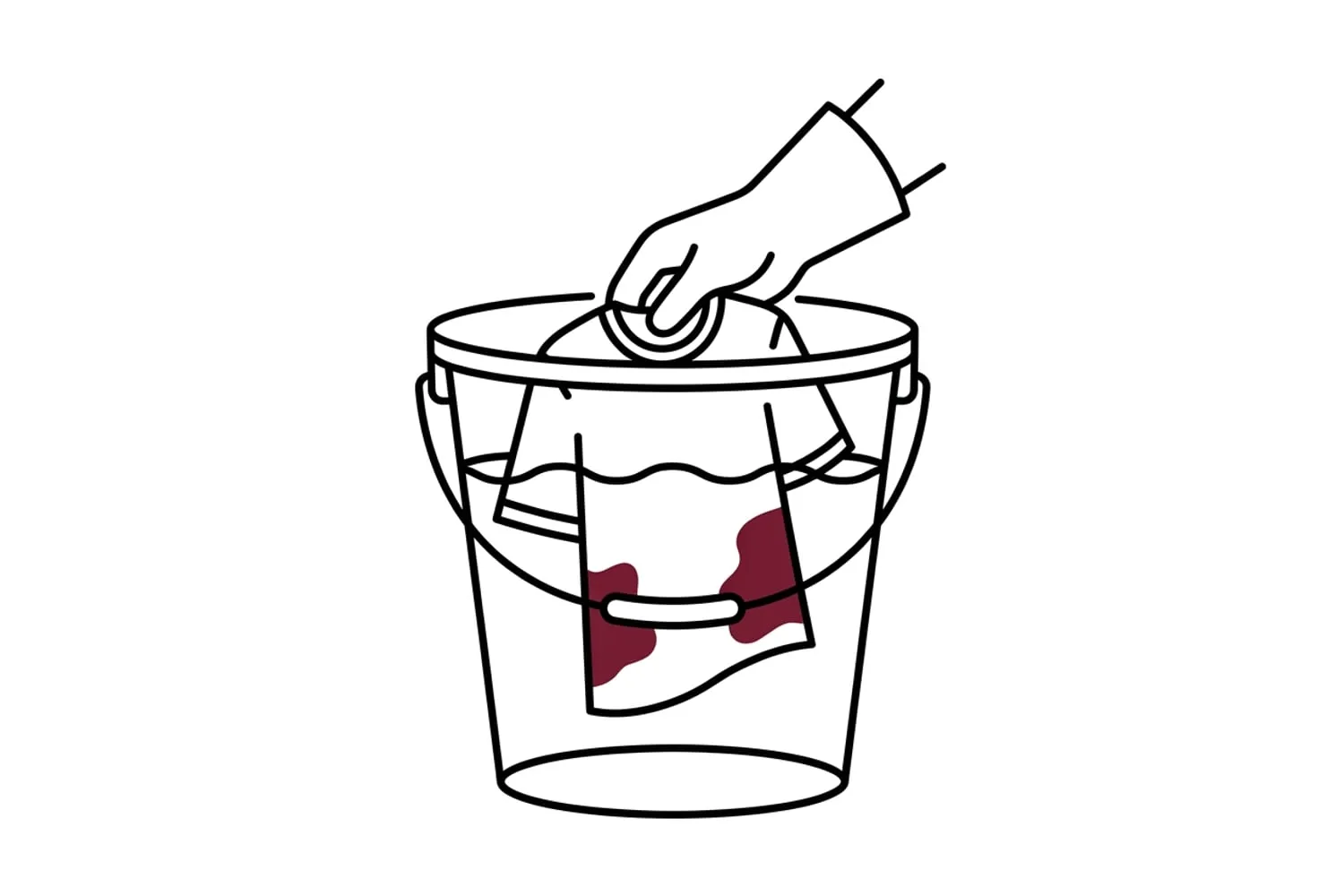
A colour run remover, usually sold as sachets of powder, is made to strip stray dye from fabric. It is stronger than an oxygen soak and comes with stricter rules, so read the whole pack before you start. Dr. Beckmann’s instructions for its Colour Run Remover show what to expect:
- Hot water. In the machine it needs the hottest wash the care label allows, from 60°C up, with no detergent and no more than 1.5kg of clothes. In a bucket it needs 6 litres of water above 30°C, with the clothes held under for at least four hours, and overnight works best.
- A colourfastness test first. On a garment that isn’t colourfast, the maker warns, the original colour may change and can’t be restored.
- Rubber gloves, and a window open. The maker says anyone with a respiratory condition should avoid the bucket method.
- Nothing else in the water. No detergent, no bleach and no other stain remover; rinse thoroughly before you try anything else.
What they are not for
Dr. Beckmann lists synthetic fibres and jeans among the fabrics its remover is not ideal for. No colour run remover belongs on a garment whose care label won’t take the water temperature it needs, or on anything labelled dry clean only. Some packs say they suit wool and silk and others don’t; for anything precious, go to a dry cleaner instead.
When to stop
If the tint is still there after the longest soak the pack allows, Dr. Beckmann’s advice is that the stray dye has fixed and can’t be removed. Stop there: more rounds won’t shift it, and stronger products put the garment itself at risk.
White cotton and linen: bleach, if the label allows
On white cotton or linen there is one stronger option, chlorine bleach, but only if the care label shows a plain triangle. Use a bleach whose own label gives directions for soaking whites, dilute it exactly as it says in a plastic bowl or bucket, wear rubber gloves, and rinse thoroughly afterwards. Never add it to a soak with a colour run remover or a stain remover, and never mix bleach with ammonia, vinegar or any other acid: as the UK Health Security Agency’s guidance on sodium hypochlorite explains, bleach gives off chlorine gas with acids and chloramines with ammonia.
When a coloured garment has picked up dye
This is harder, because whatever lifts stray dye can lift a garment’s own colour too. Work through the same order, with two extra rules:
- No chlorine bleach. It strips the fabric’s own colour first.
- A test before every product. Patch test an oxygen-based stain remover on an inside seam, and give a colour run remover the colourfastness test its pack asks for.
If the tint stays after that, the honest choice is between living with it and asking a dry cleaner, who will want to know what ran onto it and when.
Delicates and dry-clean-only clothes
- Washable wool and silk: rinse in cool water straight away, then hand wash in a wool detergent without rubbing or wringing, because wet wool felts when it is worked. Keep oxygen and chlorine bleach off them, and biological detergent too, since its enzymes damage protein fibres, as bio vs non-bio detergent explains. Dry as the label says.
- Dry clean only: don’t treat it at home, where even plain water can leave a ring. Take it to a dry cleaner as soon as you can and tell them what ran onto it.
- Silk you can’t hand wash, tailored wool, leather trims, and anything old or valuable: a dry cleaner, too.
Stopping it happening again
Colour runs come from dye that was never properly fixed in a fabric, or rinsed out after dyeing, leaching into the wash water. Iowa State University’s extension service, in its guide to preventing colour transfer, says deeply dyed, dark fabrics are the most prone, and that a label saying “wash separately” means you should expect the dye to bleed. To keep it from happening again:
- Wash new dark or bright clothes on their own for their first few washes.
- Sort whites from colours, and darks from lights.
- Wash at the care label’s temperature or cooler, since warm and hot water make fibres release dye.
- Take the washing out as soon as the cycle ends, rather than leaving it damp in the drum.
- Test anything you’re unsure of: press a damp white cloth onto an inside seam, and if colour comes off on the cloth, wash the garment alone.
- Add a colour catcher sheet or cloth to mixed loads, but don’t rely on it with anything new.
More on getting clothes out of the machine the same size and colour they went in is in the Laundry section.
Questions
Can you fix a colour run after it has been dried?
Sometimes, but it is harder. Heat helps fix stray dye, so a colour run that has been through the tumble dryer is less likely to come out than one that is still damp. Work through the same steps, gentlest first, and if a colour run remover’s longest soak does not shift it, the dye has most likely fixed for good.
Does vinegar stop colours running?
No. Iowa State University’s extension service calls the idea that vinegar or salt in the wash fixes colour a common myth: acid helps set some dyes while fabric is being dyed, but adding it afterwards gives no fixing protection. Wash new dark and bright clothes on their own instead, and never put vinegar in a wash or soak with bleach.
Can you use bleach on a colour run?
Use chlorine bleach only on white cotton or linen whose care label shows a plain triangle, and only a bleach whose own label gives directions for whites, diluted exactly as it says. A triangle with two lines through it means oxygen bleach only, and a crossed-out triangle means no bleach of any kind. Never mix bleach with ammonia, vinegar or any other acid, or with another cleaning product: together they give off toxic gas.
Do colour catcher sheets work?
They help. A sheet or cloth traps loose dye in the wash water, and the colour it turns shows you dye was released, but Iowa State University’s extension service says they are not totally reliable. Dr. Beckmann still tells buyers of its colour collector cloth to wash new coloured items separately the first time, so use one as a backstop, not as a reason to wash a new red top with the whites.
Sources
- Preventing Color Transfer by Bleeding or Crocking, Iowa State University Extension and Outreach,
- Care symbols, GINETEX
- Dr. Beckmann Colour Run Remover, Dr. Beckmann
- Sodium hypochlorite: general information, UK Health Security Agency,
More in Laundry
All of Laundry
Stain Finder: a free stain removal guide
Find your stain