How to Detect Mold in Your Home Before It Spreads
How to detect mold in your home starts with musty smells and damp hiding spots. Use simple DIY checks to tell mold from dirt before you scrub.

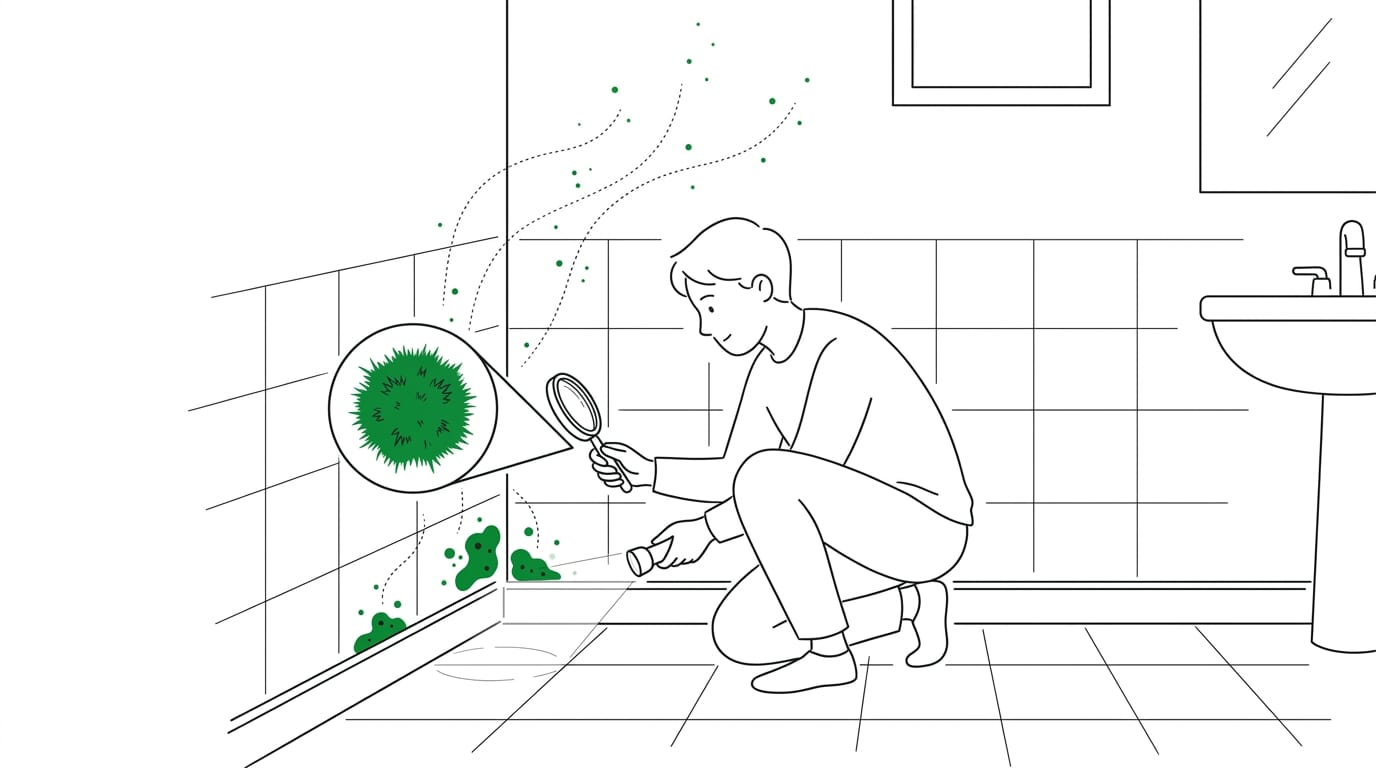
Mold is a fungus that grows where moisture lingers, often in dark, hidden parts of a home. Look and smell for persistent mustiness, fuzzy or spreading spots, stains, dampness, and condensation, especially near leaks and in bathrooms, cupboards, basements, and HVAC areas; home tests are only clues, not a definitive diagnosis. Find and fix the moisture source, and call a professional when growth is extensive, hidden, or its cause is unclear.
Ever caught a damp, musty smell in a cupboard that wasn’t there last month? That’s often the first clue something is growing out of sight, and you don’t need to be a specialist to catch it.
So what exactly are we looking for? Mold is a type of fungus that thrives wherever moisture lingers, on walls, ceilings, carpets, and soft furnishings.
It can look like harmless grime, which is why telling mold from dirt matters before you reach for the scrubbing brush.
In this guide, we’ll cover the warning signs, where to look, simple DIY checks, when to call a professional, and what to do next.
Mold Growth and How to Detect It
Mold hides where you rarely look, and it affects your home and health. Knowing where it grows is your first step.
Where mold thrives out of sight
Mold loves damp, dark spaces, and it often hides behind walls and under floors. Spores are present in the air, so the real goal is to control moisture, not just chase mold.
Attics, crawlspaces, and the heating, ventilation, and air conditioning (HVAC) system are easy to miss for the same reason.
Think of a landlord checking a bathroom after a tenant mentions a musty smell. A look behind the bath panel can catch growth before the floorboards soften.
What untreated mold can do to you
Left alone, mold can cause several problems:
- Respiratory and allergy problems. According to the Centers for Disease Control and Prevention, people in damp buildings report respiratory symptoms and allergies, and mold exposure can worsen asthma.
- Structural damage. An Australian integrative review notes that excess moisture can cause wood rot and corrosion, which can lead to building movement or structural failure.
- Weakened immune system. Mold can also weaken your immune system.
- Early detection saves money. Catch it early and you’re usually fixing a small patch, not replacing rotten wood.
Spotting slimy black mold and its toxins
The species usually called black mold, Stachybotrys chartarum, typically looks dark greenish-black and slimy. Toxin concerns are often linked to it, but the science is more nuanced.
According to Microecologies, the current consensus is that humans are unlikely to be exposed to its toxins at levels needed to cause widely reported symptoms like chronic fatigue, brain fog, and memory loss.
Not all dark mold is toxic, so color alone won’t tell you what you’re dealing with.
Warning Signs Your Home Has Mold
Mold often leaves quieter clues before you see a big patch. Here’s what to look for, starting with your nose.
A musty smell that won’t go away
Start with your nose. A musty smell, often earthy or damp, is a common early sign of mold. If it lingers after you’ve aired the room and cleaned it, the source is probably still there.
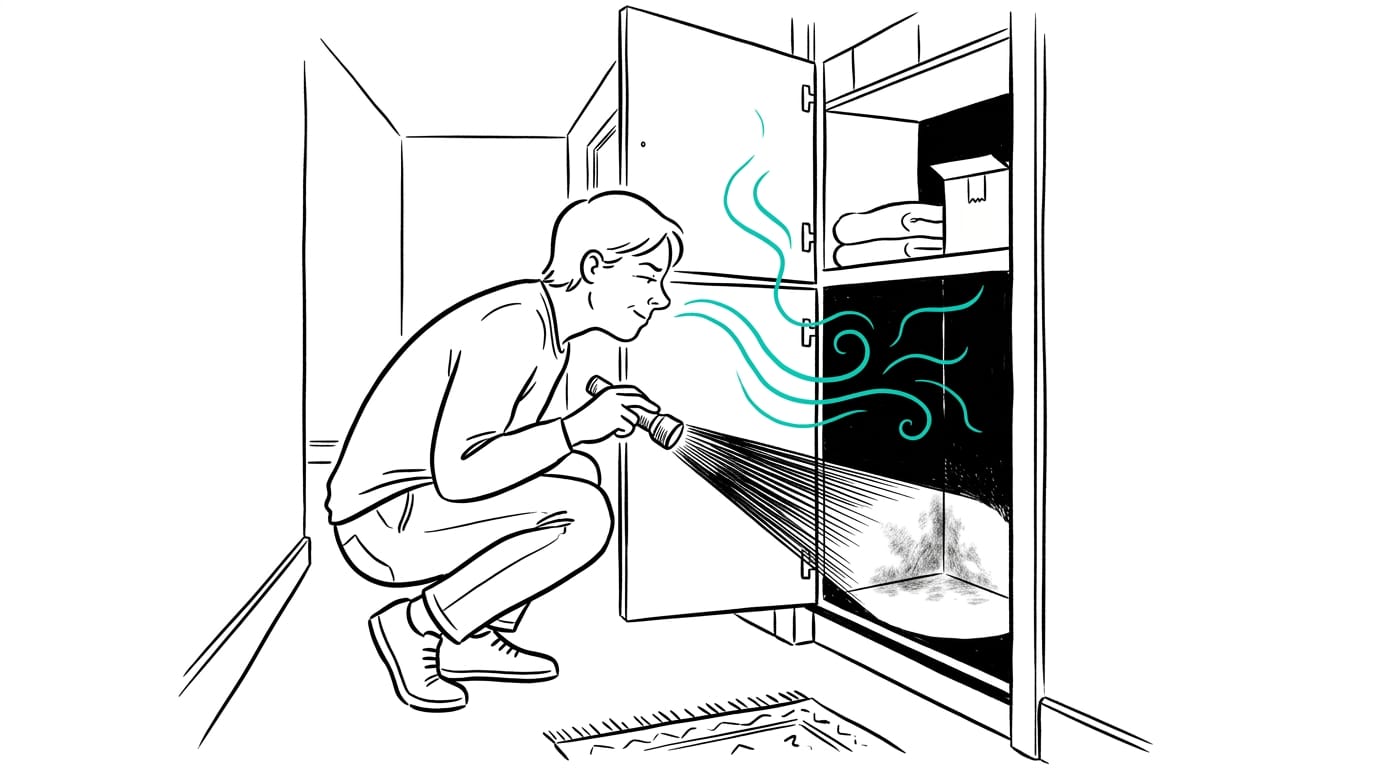
Smell can show up with no visible mold at all. Think of a tenant who catches a stale whiff from a hall cupboard with spotless shelves, then checks behind the stored boxes.
The smell tells you where to look, and your eyes show how far it’s spread. Don’t ignore it.
Spotting visible mold and discoloration
Look for these signs on walls, ceilings, and window frames:
- Black, green, or white spots, often in corners or around vents
- A fuzzy or slimy texture that feels raised or wet
- Peeling paint or stains that keep spreading
People often call flat, powdery surface growth mildew, but acting fast matters more than the label. A mark that wipes away easily and stays gone was probably dirt. One that leaves a shadow or returns within days is likely mold.
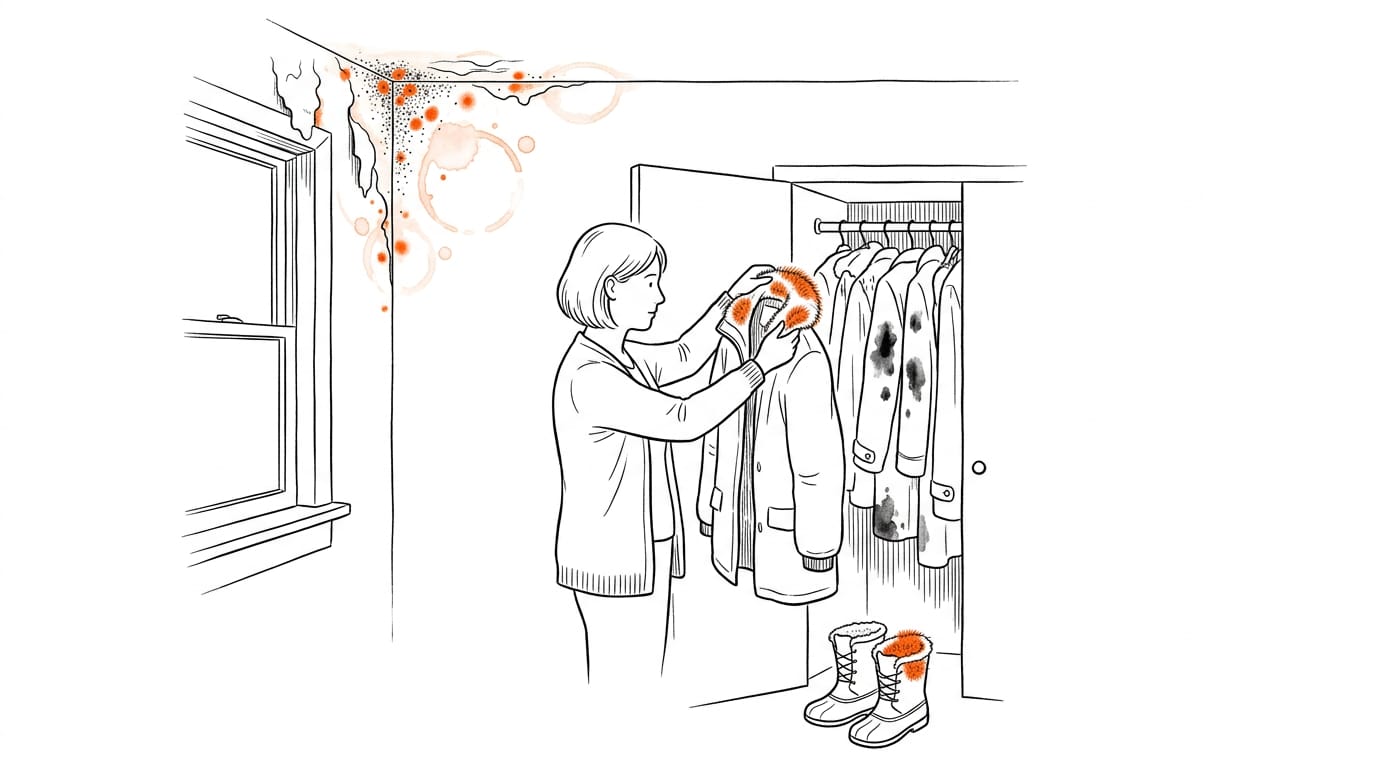
Fabrics count too. A parent packing away winter coats might find grey fuzz on a collar that sat in a damp cupboard all summer. Catching it early stops it spreading through the wardrobe. Check shoe linings too.
Leaks, condensation, and damp spots
Mold needs moisture, so track the water. Past leaks or flooding are worth remembering, even after repairs. Look for condensation beading on windows, damp patches, and water stains with no obvious cause.
A wall that feels cold or damp can mean moisture is trapped behind it.
For example, a landlord who spots a ceiling stain after a storm can check the room above before the damage spreads. The hidden water is often the bigger problem, not the puddle you can mop up.
Health symptoms that fade away from home
Mold can affect how you feel, too. Sneezing, coughing, congestion, and itchy eyes are common, and some people also get skin irritation, headaches, tiredness, or brain fog. Talk to your doctor if symptoms keep coming back.
The pattern matters most. Consider a parent whose child wakes with a cough in the back bedroom but sleeps soundly at a grandparent’s house. Writing down when symptoms start and when they ease points you towards that room.
When symptoms ease often tells you more than how bad they feel.
Where to Look in Your Home
Mold needs moisture more than anything else, so it’s less about dirt and more about damp. Start your checks where water and air tend to linger.
Spots where mold grows most often
- Bathrooms and kitchens. Steam and splashes keep these rooms damp, so check the grout, the sealant around the bath or sink, and the cupboard under the sink. Consider a parent who spots a dark patch behind the shower curtain. Catching it early means a quick fix instead of a bigger job.
- Basements and crawlspaces. These areas often feel cool and damp, so check walls, floors, and stored boxes for marks or a musty smell.
- Attics and laundry rooms. Poor airflow traps moisture here. Look at the rafters in the attic, and the walls and corners of the laundry room, especially around the dryer.
- Windows and doors. Condensation on glass, or frames and sills that look discoloured or feel soft, are worth a closer look.
- Heating, ventilation, and air conditioning (HVAC) systems. Air moves through your whole home, so check vents, filters, and the area around the unit for dampness or a musty smell. Trust your nose.
If you rent, the same checks apply, but how you report what you find matters just as much. When you spot mold:
- Tell your landlord or letting agent straight away.
- Follow up in writing, noting the date and exactly where it is.
- Add clear photos so you have a record to refer back to.
How to Detect Mold Yourself
You can do much of the early detective work yourself with a flashlight and your nose. Here’s how each check works and where it falls short.
Using your eyes and nose for mold
Work through these checks:
- Flashlight in dark corners: Shine a flashlight into dark corners, under sinks, and along the bottoms of cupboards, looking for fuzzy or discoloured patches.
- Check behind furniture: Pull wardrobes and sofas away from the wall where you safely can, since moisture often hides back there.
- Inspect high-risk areas: Focus on bathrooms, kitchens, laundry rooms, and any spot near a leak or condensation on windows.
- Sniff for dank spots: A musty, earthy smell is often the first clue, even when nothing looks wrong.
Think of a tenant who notices a musty smell in a hallway cupboard but sees no marks. Checking the back wall and wiping a small area early could mean a quick fix instead of a bigger repair. Your nose often catches what your eyes miss. Trust it.
Using at-home mold test kits
You’ll find at-home mold test kits at hardware stores, typically as air, surface, or petri dish kits. Most collect a swab or tape sample, which you seal up and mail to a lab for analysis.
A kit can tell you whether spores are present, but it won’t show what kind they are or whether they’re toxic.
Testing with tape and a bleach swab
These two cheap checks are worth a try, with a caveat:
- Clear tape sample: Press a strip of clear tape onto the suspect area, peel it off, and look at what’s stuck to it.
- Diluted bleach swab test: Dab a cotton swab dipped in diluted bleach onto the spot and watch how the mark responds.
Always test a hidden spot first, such as the inside of a cupboard door, in case the bleach discolours the surface. Both methods are cheap but non-scientific, so treat the result as a hint, not a verdict.
Other quick checks you can make
- HVAC check: Look at the filter in your heating, ventilation, and air conditioning (HVAC) system, plus any ducts or vents you can reach, for dark staining or a musty smell.
- Vinegar odor test: Leave a bowl of vinegar in the room you’re worried about, then notice whether the musty smell fades or lingers. It’s a rough check, not a diagnosis.
When home testing falls short
Home checks have limits. According to a WFLA article on DIY mold test kits, these kits generally capture only surface spores, so they can miss hidden growth in walls, under floors, or inside HVAC systems.
Home tests aren’t always reliable, and that’s the trade-off you need to weigh.
If you suspect hidden growth or can’t find the source, a professional inspection gives you a more accurate picture. Home checks are a starting point, not the final word.
Getting a Professional Mold Inspection
Some mold problems are too big, too hidden, or too unclear for a quick clean. Knowing when to call a pro takes the guesswork out of your next step.
Situations that call for a pro
Call in an expert if any of these apply:
- Suspected serious problem. The damp or staining looks bigger than a weekend fix.
- Family members getting sick. Someone at home is unwell, and mold may be the cause.
- Hidden or large growth. Mold behind walls or across a wide area needs more than surface cleaning.
- Unsure of source. You can see mold but not where the moisture is coming from.
Consider a renter who finds a dark patch behind a bedroom wardrobe after an upstairs leak. A pro can map how far the damage reaches before you spend money on the wrong fix.
How pros collect and test samples
Testing starts with air sampling, which compares indoor air with outdoor air. Spore levels running noticeably higher inside point to a problem.
Visible growth is checked with:
- Surface sampling (swabbing a patch)
- Bulk sampling (removing a small piece of material)
Samples go to a lab for analysis.
Results arrive in a comprehensive report covering what was found and where.
Indoor air quality testing checks the overall air in your home, not just one room. It’s less about seeing mold and more about measuring it.
Tools that find hidden moisture
Finding the wet spot matters as much as finding the growth. Pros rely on a few tools for that:
- Moisture mapping records moisture levels across walls, floors, and ceilings.
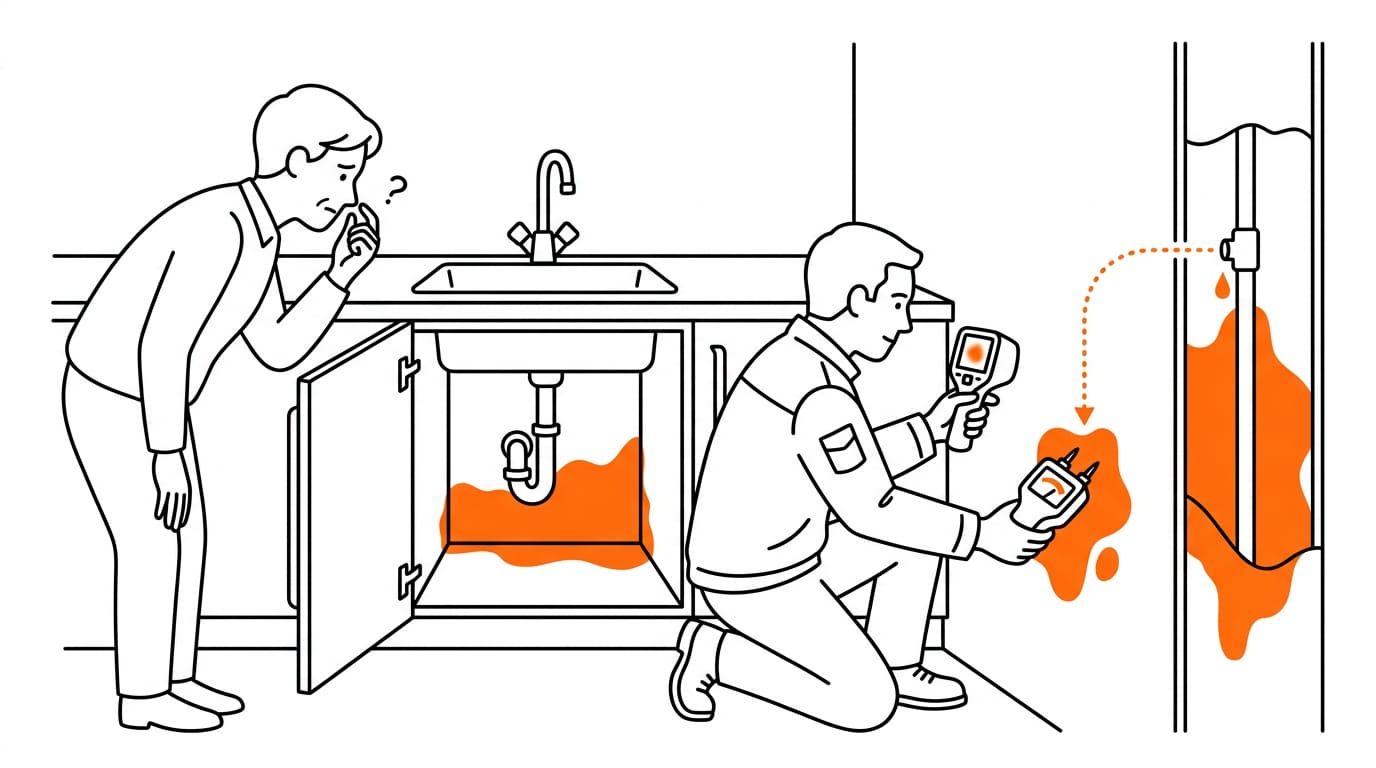
- Infrared (thermal) imaging picks up temperature differences that can reveal damp areas behind surfaces.
- A moisture meter gives a direct reading of how wet a material is.
- Locating hidden leaks traces water back to its source.
A homeowner who smells damp near the kitchen sink can have the wall scanned and tested with a meter, so the leak gets fixed rather than just the smell.
What professional testing typically costs
Expect professional testing to fall in the $300 to $700 range. The exact price depends on home size and how many samples are taken, so larger homes usually cost more. Know first, then act.
What to Do When You Find Mold
Spotted mold? Move quickly but calmly. Here’s what to do first, then how to decide whether it’s a job for you or a pro.
Act fast once you spot mold
Mold needs moisture to grow, so the first job is stopping the water rather than scrubbing the wall. Here’s the order to work in:
- Fix the moisture source. Find and stop the leak, damp, or condensation, or the mold is likely to return.
- Don’t ignore it. Waiting only gives it more room to grow.
- Contain the area. Close the door and keep kids and pets out.
- Wear protection. Put on gloves, goggles, and an N95 respirator, a close-fitting mask that filters out fine particles.
Think of a first-time renter who spots a dark patch behind a wardrobe after a bathroom leak. Tracking down that leak first means the cleanup actually lasts.
Cleaning it yourself or hiring remediation pros
According to EPA guidance, you can handle cleanup yourself on areas under 10 square feet. Larger problems call for certified remediation experts, the trained professionals who handle mold removal.
Can you still live in the house? The sources don’t give a blanket answer. Widespread mold may mean moving out temporarily while the work is done, and anyone whose health could be affected by more exposure shouldn’t attempt cleanup themselves.
Surface matters too. Porous materials like drywall and carpet let mold soak in, so they’re harder to clean fully. Hard surfaces like tile and glass give it less to hold onto. Know the surface, then pick the method.
As for what kills mold naturally, our sources don’t name a remedy, so we won’t guess at one.
Stopping Mold Before It Starts
Mold needs moisture, so the cheapest cleanup is the one you’ll never need. These habits keep damp in check.
Keeping moisture and humidity under control
Keep an eye on relative humidity, the water vapor in your air. The US Environmental Protection Agency (EPA) advises keeping it below 60% if possible, ideally between 30 and 50 percent.
A dehumidifier helps when a damp basement or laundry room climbs past that range. Empty its tank often.
Good ventilation keeps steam moving. Run the exhaust fan during showers and cooking. Think of a parent who runs the bathroom fan at every bath time, so towels and grout dry before mold takes hold.
Prevention beats cleanup, so stop water early rather than scrub mold later. Fix leaks fast. As the EPA advises, dry the affected area quickly, within 24-48 hours if possible. Moisture is the trigger.
Staying on top of checks and upkeep
Regular checks catch problems early. Build these into your routine:
- Regular inspections. Look under sinks, behind furniture on outside walls, and around window frames.
- Smart humidity sensors. A connected sensor alerts you when levels creep up.
- Heating, ventilation, and air conditioning (HVAC) maintenance. Service it on schedule so it moves air properly.
- Mold-resistant materials. Mold-resistant paint or drywall gives bathrooms and laundry rooms a head start.
Do air purifiers help? They can clean the air you breathe, but they can’t dry a damp wall or fix the leak behind it. Treat one as an extra, not a substitute for controlling moisture.
Finding mold comes down to paying attention: noticing the smell, checking the usual trouble spots, and telling mold from ordinary dirt before you reach for the cleaner. When you’re unsure, a professional inspection gives you a clear answer and a plan.
Catching it early protects your walls, your belongings, and the people you share your home with. A little attention now means a much easier clean-up later.
Trust your nose and your eyes, and you’ll always know when your home needs a closer look.
References
- Tribal IAQ Resource Directory: Mold and Moisture — epa.gov (2026)
- EPA Mold Remediation Guidelines …Safely Removing Mold — black-mold-guide.com
- Health Problems | Mold — cdc.gov (2026)
- Prevalence, Risk Factors and Impacts Related to Mould-Affected Housing: An Australian Integrative Review — pmc.ncbi.nlm.nih.gov (2022)
- Why a DIY mold test kit might do more harm than good — wfla.com (2025)
- Experts in the Science of the Black Mold Stachybotrys chartarum — microecologies.com
Questions
What are signs of mold sickness?
Mold exposure can cause sneezing, coughing, congestion, itchy eyes, and sometimes skin irritation, headaches, tiredness, or brain fog. It can also worsen asthma and other respiratory or allergy symptoms. Symptoms that repeatedly improve when you leave home may point to a damp or moldy area; talk to a doctor if they persist.
What kills mold naturally?
There is no dependable natural remedy that removes mold without addressing the moisture feeding it. Fix the leak or dampness first, then clean suitable small areas; porous materials such as carpet or drywall may need removal if mold has soaked in. Vinegar is sometimes used for cleaning, but it is not a substitute for moisture control or professional help with extensive growth.
Do air purifiers help with mold?
Yes. Air purifiers can reduce some airborne particles, but they cannot remove mold growing on surfaces, dry damp materials, or fix a leak. Use one as an extra measure alongside controlling moisture and cleaning or removing the mold source.
Is all black mold toxic?
No. Dark color alone does not identify a mold species or show whether it is toxic. Even the species commonly called black mold, Stachybotrys chartarum, is not necessarily present whenever you see a dark patch, and toxin exposure concerns are more nuanced than color suggests.
Can you still live in a house with mold?
It depends on how extensive the mold is, where it is, and whether anyone in the home is especially vulnerable or experiencing symptoms. Widespread mold may require moving out temporarily during remediation, and people whose health could be affected should avoid cleanup and further exposure where possible. Stop the moisture source and seek professional advice for large or hidden growth.
Sources
- EPA Mold Remediation Guidelines ............Safely Removing Mold, black-mold-guide.com
- Tribal IAQ Resource Directory: Mold and Moisture | US EPA, epa.gov,
- Health Problems | Mold | CDC, cdc.gov,
- Prevalence, Risk Factors and Impacts Related to Mould-Affected Housing: An Australian Integrative Review, pmc.ncbi.nlm.nih.gov,
- Why a DIY mold test kit might do more harm than good, wfla.com,
- Experts in the Science of the Black Mold Stachybotrys chartarum - Microecologies, inc., microecologies.com
More in Home Routines
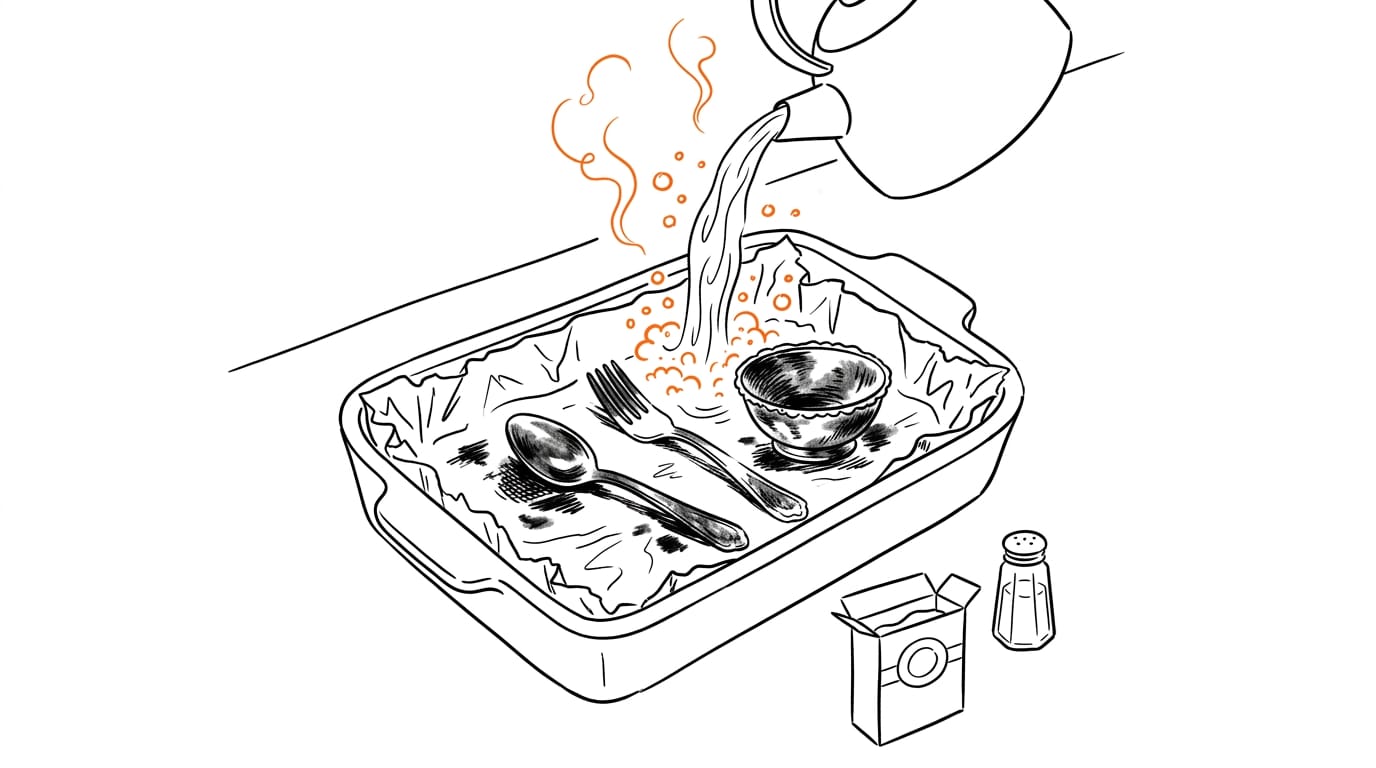
- Cleaning Silver with Aluminum Foil: A Complete GuideCleaning silver with aluminum foil uses baking soda and hot water to lift tarnish; get the quick setup, safe-item checks, and aftercare for a bright finish.
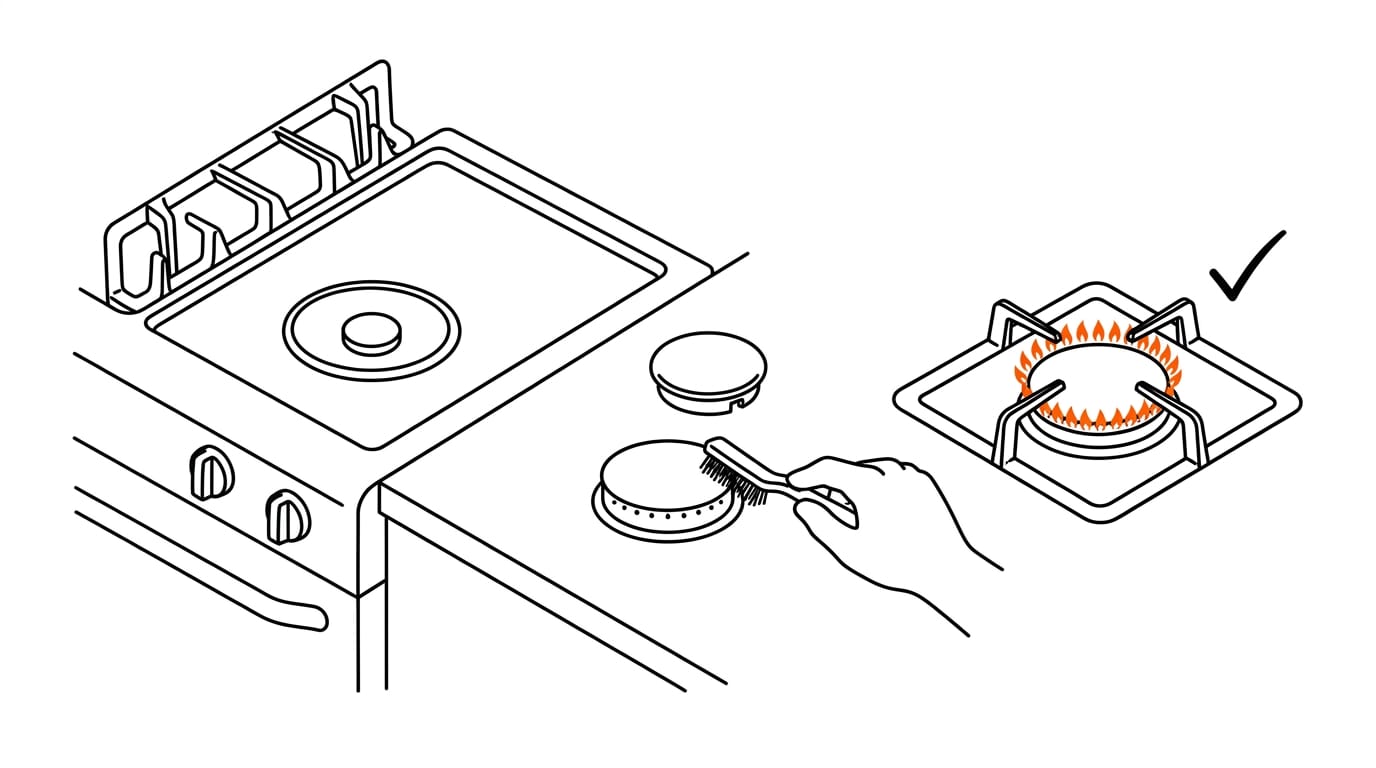
- Gas Burner Cleaning: Heads, Caps, Grates and TestingGas burner cleaning can clear food-clogged ports and restore an even flame. See how to clean heads, caps, and grates, then test your flame safely at home.
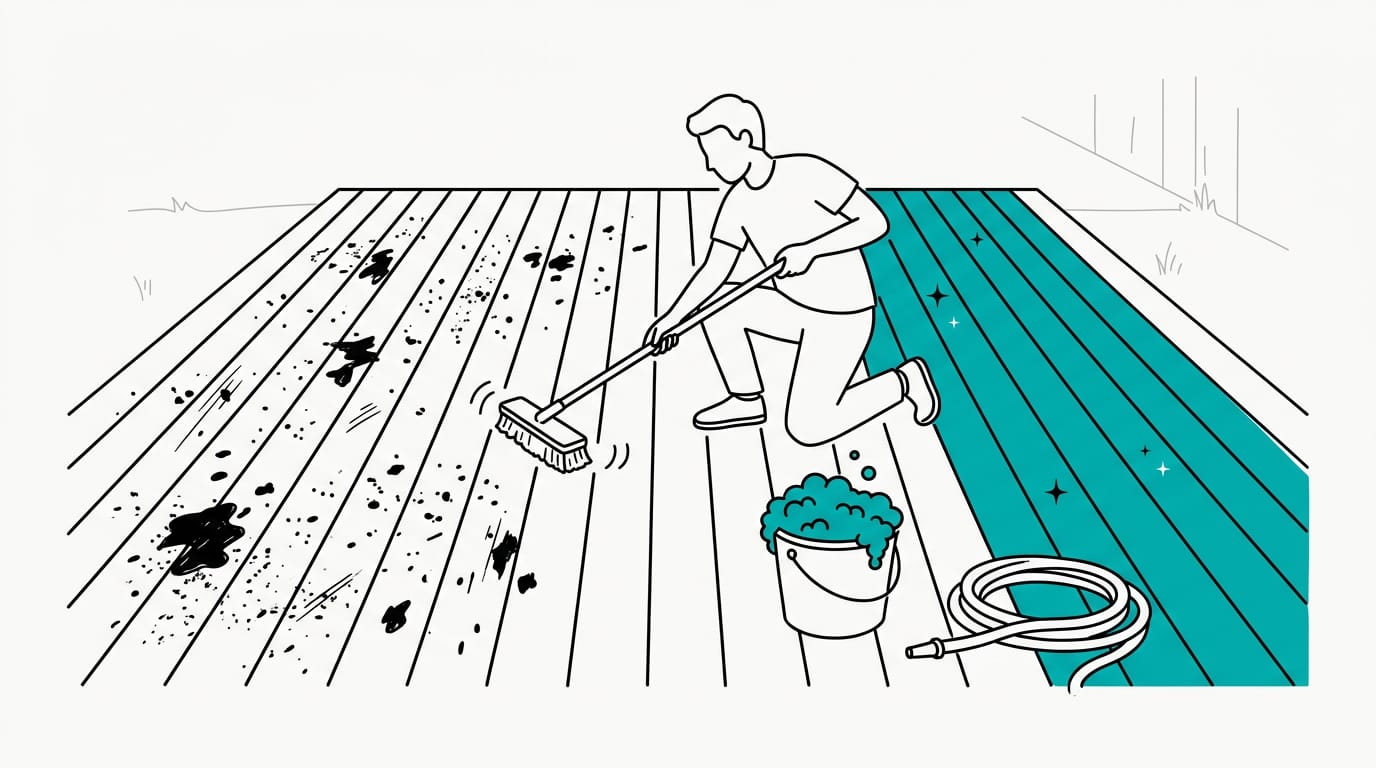
- Cleaning Trex Decking: Routine Care and Stain RemovalCleaning Trex decking takes gentle washing; get practical steps for stains, mold, winter care, and warranty limits before scrubbing or sanding.
Stain Finder: a free stain removal guide
Find your stain