What Is an Enzyme Cleaner and How Does It Work
What is an enzyme cleaner? See how its proteins break down stains, where it works best, and how to match the cleaner to your stain and surface.

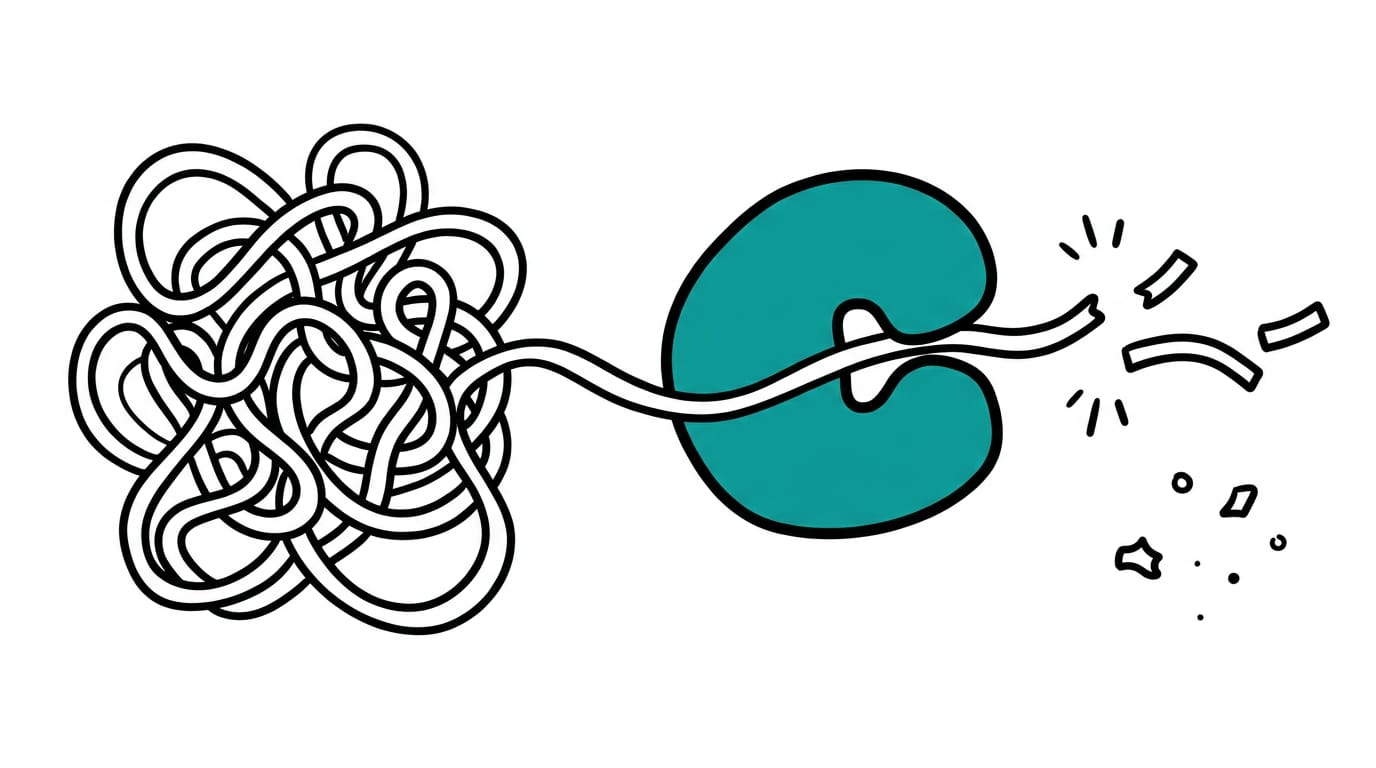
An enzyme cleaner uses proteins that break organic stains and odours into smaller pieces that can be rinsed or wiped away. Different enzymes target proteins, starches, fats, urine compounds, or plant material, so match the product to the mess, follow its label, and give it time to work; blot first, avoid heat, and test delicate surfaces. It is useful for food, blood, and pet accidents, but it is not a disinfectant and does not clean every kind of soil.
Picture a dinner party that ends with gravy on the rug. You reach under the sink, but which bottle do you grab? That’s where an enzyme cleaner earns its place.
It’s a cleaner built around enzymes, natural proteins that act like tiny scissors, snipping large stain molecules into smaller pieces that water can carry away.
In this guide, we’ll explain what an enzyme cleaner is, how it works, and where it fits best. Then we’ll walk you through matching one to the stain and surface in front of you, so you can act before the mark has a chance to set.
What an Enzyme Cleaner Is and Does
An enzyme cleaner is built around enzymes, natural proteins that speed up organic breakdown. Here’s how it works, which enzyme suits which stain, and why the bottle often asks for water first.
How enzymes break down organic messes
Organic messes come from living things, like food, blood, urine, and grease. Enzyme cleaners break down the stain and odour rather than just covering it.
Enzymes are protein catalysts, meaning they speed up a reaction without being used up. Each one fits a target molecule like a key in a lock, then cuts it into pieces that rinse away easily.
Think of a pet owner with a damp patch on the hallway rug. A spray that breaks down the source tackles the cause, not just the fragrance.
Which enzymes tackle which types of mess
Each enzyme targets a different family of molecules. Here’s how we’d match the main types:
- Protease for proteins, like blood and egg
- Amylase for starches, like porridge and gravy
- Lipase for fats, like butter and cooking oil
- Urease for urea, a compound found in urine
- Xylanase for plant material, the fibres in leaves and stems
- Multi-enzyme blends combining several types in one bottle
Picture a spaghetti bolognese spill on a kitchen chair cushion: protein from the mince, starch from the pasta, fat from the sauce. A multi-enzyme blend covers all three.
How bacteria-based cleaners keep digesting soil
Some cleaners take a living approach. They contain non-pathogenic bacteria, meaning types that don’t cause disease, and those bacteria produce enzymes.
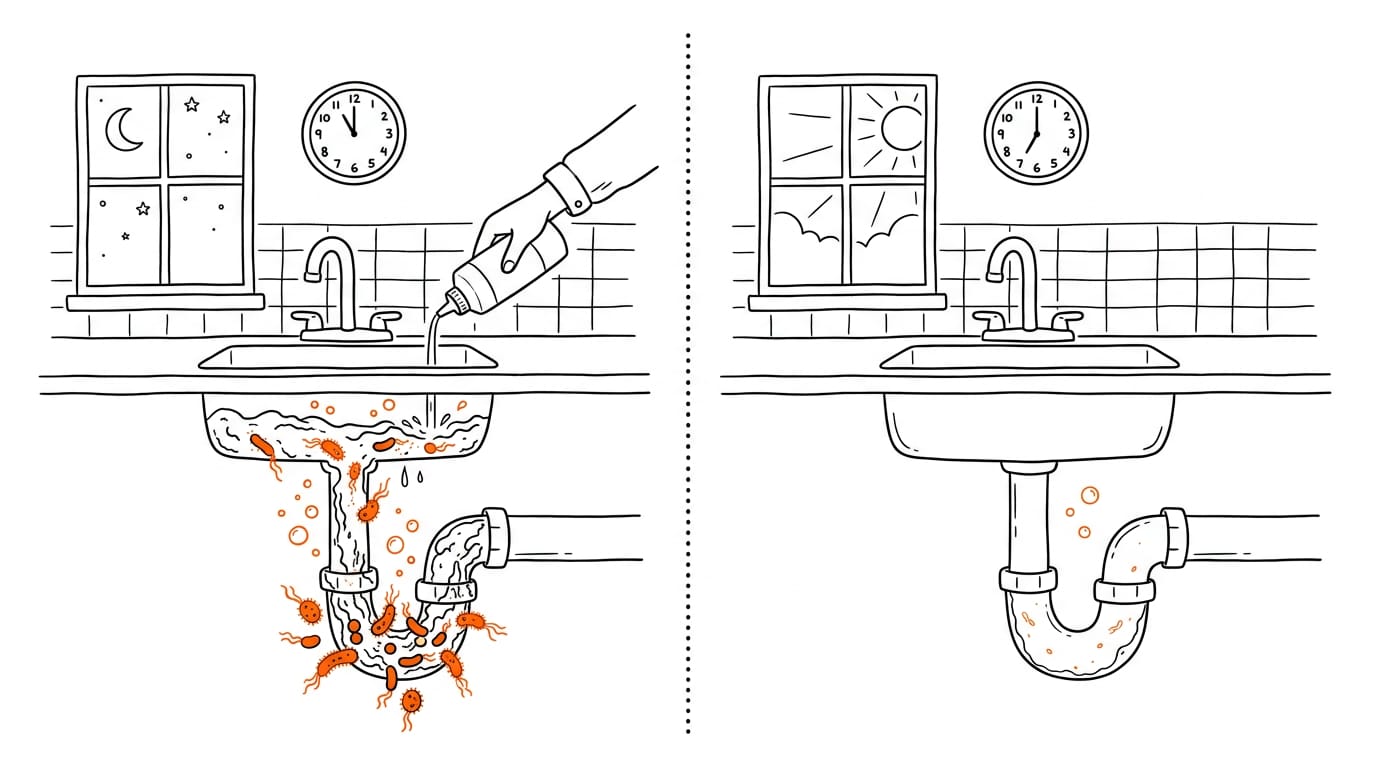
The bacteria digest soil into carbon dioxide and water. While food and moisture remain, digestion carries on, so cleaning continues after you’ve applied it. That’s ongoing action, not a one-off wipe.
Consider a tenant who pours one down a slow kitchen drain at bedtime. The work carries on overnight, long after the bottle is back under the sink.
Why enzymes wake up and fade quickly
Enzymes sit dormant in the suspension agent, the carrier that keeps them inactive until use. Diluting with water wakes them up, and once awake they need a food source quickly. For them, that food is your stain.
Imagine a parent who mixes a batch for a school jumper, then gets called away. By the time they return, the enzymes have faded.
Dilute only what you’ll use and apply it straight away. Speed is the trick.
Upsides and Downsides of Enzyme Cleaners
Enzyme cleaners have real strengths and clear limits, so it pays to know both before you reach for one.
Why enzyme cleaners are a safer pick
Five reasons stand out:
- Safer for human health. They’re a gentler choice for the people who share your home.
- Environmentally responsible alternative. A paper on microbial alkaline proteases describes these detergent enzymes as efficient and eco-friendly, which makes enzyme cleaners a greener option.
- Displace disease-causing bacteria. The bacteria in some enzyme cleaners can displace harmful ones. Emerging research on probiotic-based cleaning is encouraging, with probiotics reducing pathogen counts (the number of disease-causing germs) on healthcare surfaces.
- Effective on organic substances. A risk analysis of microbial ingredients in cleaning products notes these ingredients are commonly intended to break down organic matter on surfaces, which helps lift residues.
- Deodorize surfaces and drains. Breaking down that organic matter also helps cut odour on surfaces and in drains. A pet owner mopping a hallway rug with an enzyme cleaner tackles the source of the smell, so the room stops reeking of the accident.
Where enzyme cleaners fall short
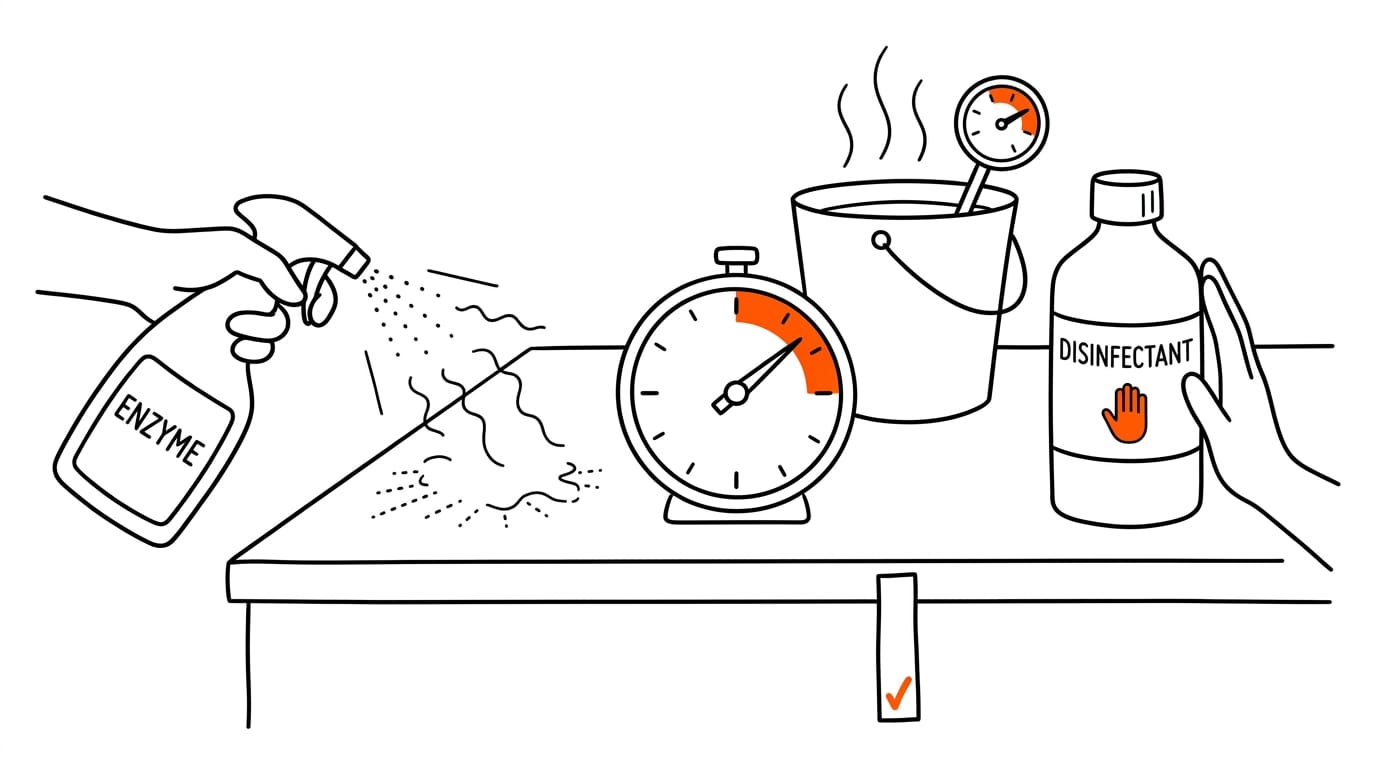
Enzyme cleaners aren’t a replacement for disinfectants. They work alongside one, not instead of one. Disinfectants can kill enzymes, so timing matters.
The cleaning industry has been slow to adopt enzyme cleaners. According to The Cleanzine, enzyme-based hand hygiene products still have limited market reach.
Enzymes work best within a range of water temperature and pH (how acidic or alkaline the water is). Very hot water or an extreme pH can stall them. Check the label.
Is hydrogen peroxide a good enzyme cleaner? It isn’t one at all, since it contains no enzymes, so don’t judge it by enzyme cleaner results.
Where Enzyme Cleaners Do Their Best Work
Enzyme cleaners aren’t a cure-all, but they shine on the organic messes that many everyday cleaners struggle with. Here’s where they earn their place and how to find them.
Everyday messes they handle well
An enzymatic cleaner uses enzymes to break down the proteins, starches, and fats behind a stain or smell, so it’s more about breaking down the mess than covering it up. Good targets include:
- Pet accidents and odors: their strongest job, and where most people start.
- Blood and food stains: from a scraped knee to gravy on the tablecloth.
- Restroom odors: around the toilet base and floor.
- Floors, drains, grout: where food and grime build up.
- Laundry stain removal: pre-treating marks before the wash.
- Kitchen bins and fridge smells: spills that have dried inside.
- Sink drains and food residue: the build-up behind sink smells.
What is an enzymatic cleaner for dogs? It’s an enzyme cleaner made for pet messes, so it goes after the urine and its smell at the source. Picture a dog owner who finds an accident on the hallway rug.
They blot it, apply the cleaner, and let it work before wiping. Fresh is best.
Where to shop and what labels say
You’ll find them at grocery and home improvement stores, and pet supply retailers and online shops also carry them. Scan the bottle for the word enzymatic, since that’s your sign you’ve got the right kind.
The pet care aisle is worth a look, too: a new puppy owner can grab a bottle there for the hallway and wipe up an accident before the smell settles in.
Using an Enzyme Cleaner the Right Way
Enzymes only work when conditions are right, so how you apply and maintain a cleaner matters as much as the bottle you pick.
Clearing home stains and odors step by step
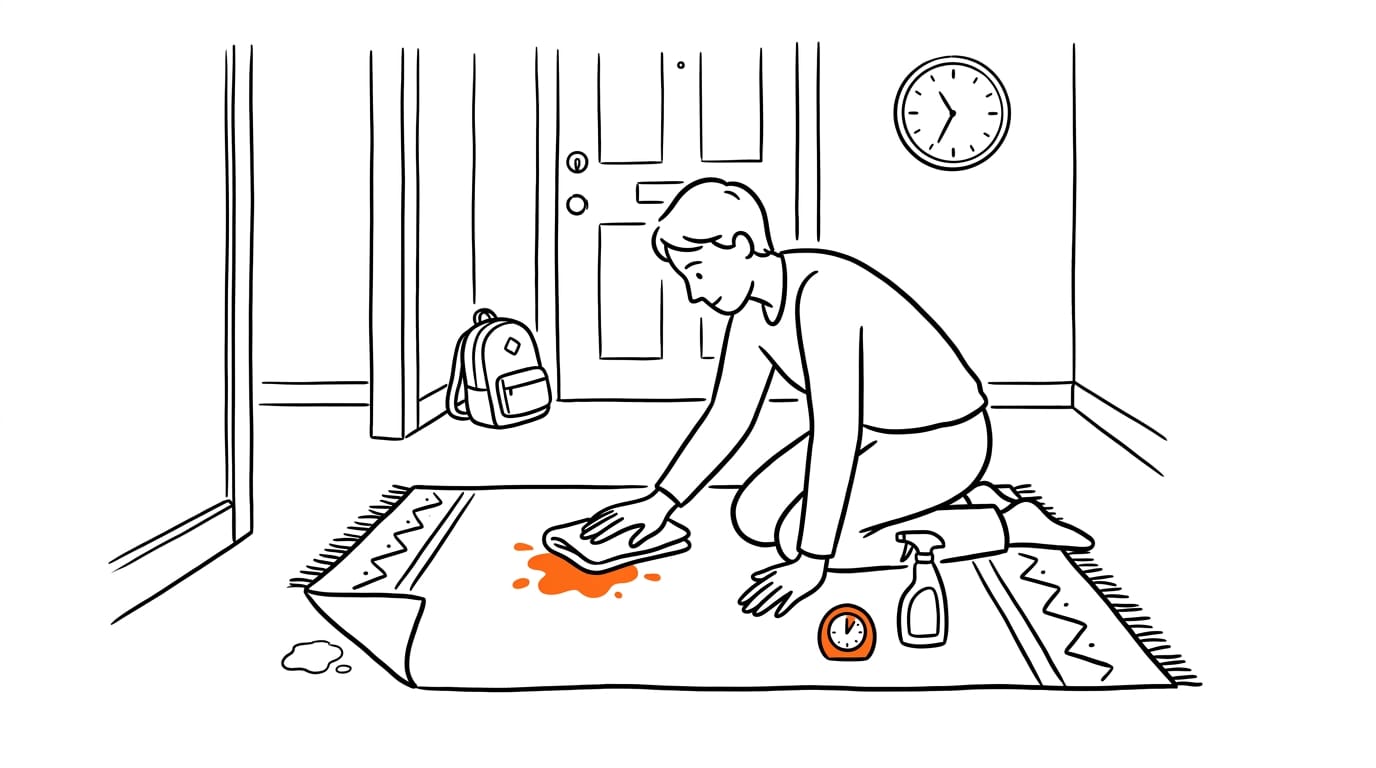
Picture a parent who finds a milk-and-juice splash on the hallway rug an hour before school. A few careful minutes can save the rug. Do a patch test in a hidden corner first, since surfaces react differently. Then follow these steps:
- Identify the mess. Confirm it’s an organic stain, like food or pet accidents, before you reach for enzymes.
- Blot, don’t rub. Press gently so you lift the stain rather than grind it deeper.
- Apply enough product. Soak the spot so the cleaner reaches the backing.
- Let it sit 10-15 minutes. This dwell time lets the enzymes do their work.
- Rinse or blot away. Use whichever method the label recommends.
- Air dry without heat. Heat can set whatever is left behind.
Cupboard staples like washing-up liquid have their place, but enzymes target the organic matter in food and pet stains.
If you’re wondering how to make an enzyme cleaner at home, recipes circulate online, but without a tested formula you can’t know how strong the mix is. For stains you can’t afford to lose, a labelled product is the safer bet.
How cleaning crews apply enzyme products well
On a school night shift, these habits turn a long list of spills into one efficient pass:
- Apply directly to the target surface, not the whole floor.
- Don’t add it to mop water, where it gets diluted.
- Spray close to grout, where grime collects.
- Clean high to low so debris lands on floors you haven’t done yet.
- Mop floors last. Everything above has already dropped its dirt.
- Train custodial staff so every shift works the same way.
Disinfect first, and never spray over enzymes
Disinfect before you apply enzymes, not after. Never spray disinfectant over enzymes, since that can interfere with them. Order matters.
Routine upkeep that keeps enzymes working
Enzymes are a habit, not a one-off fix:
- Quarterly restorative floor cleaning. Book one every quarter.
- Repeat wet mopping. Do it over several days.
- Keep the surface wet for 24-36 hours.
- Follow label directions every time.
An enzyme cleaner is a specialist, not a cure-all. Its strength comes from matching the right enzyme to the right stain, then giving it time to work on the fibres. Used on a suitable surface, it’s a valuable addition to the cupboard under your sink.
Always check the label, test a hidden spot first, and keep the bottle where you can reach it in a hurry. A little preparation turns a panicked moment into a quick fix. Match the enzyme to the stain, and that mess is already on its way out.
References
- Risk analysis approaches for microbial ingredients in microbial‐based cleaning products — pmc.ncbi.nlm.nih.gov (2025)
- Microbial Alkaline Proteases as a Greener Aid to Eco-Sustainable Detergent: Actions to Addition — doi.org (2026)
- Probiotic-Based Cleaning Solutions: From Research Hypothesis to Infection Control Applications — pmc.ncbi.nlm.nih.gov (2025)
- Beyond sanitisers: hidden role of enzymatic cleaners in I&I hand hygiene chemicals market — thecleanzine.com (2025)
Questions
What is an enzymatic cleaner for dogs?
An enzymatic cleaner for dogs is a cleaner formulated with enzymes to break down pet messes, especially urine and the compounds that cause odours. It tackles the source of the stain and smell rather than simply masking them.
How can I make an enzyme cleaner?
Homemade enzyme-cleaner recipes circulate online, but their strength and effectiveness can be unpredictable without a tested formula. For important or delicate stains, use a labelled enzymatic cleaner and follow its directions; patch-test first.
Is hydrogen peroxide a good enzyme cleaner?
No. Hydrogen peroxide contains no enzymes, so it is not an enzyme cleaner.
Sources
- Risk analysis approaches for microbial ingredients in microbial‐based cleaning products, pmc.ncbi.nlm.nih.gov,
- Microbial Alkaline Proteases as a Greener Aid to Eco-Sustainable Detergent: Actions to Addition, doi.org,
- Probiotic-Based Cleaning Solutions: From Research Hypothesis to Infection Control Applications, pmc.ncbi.nlm.nih.gov,
- Beyond sanitisers: hidden role of enzymatic cleaners in I&I hand hygiene chemicals market - The Cleanzine, thecleanzine.com,
More in Kitchen
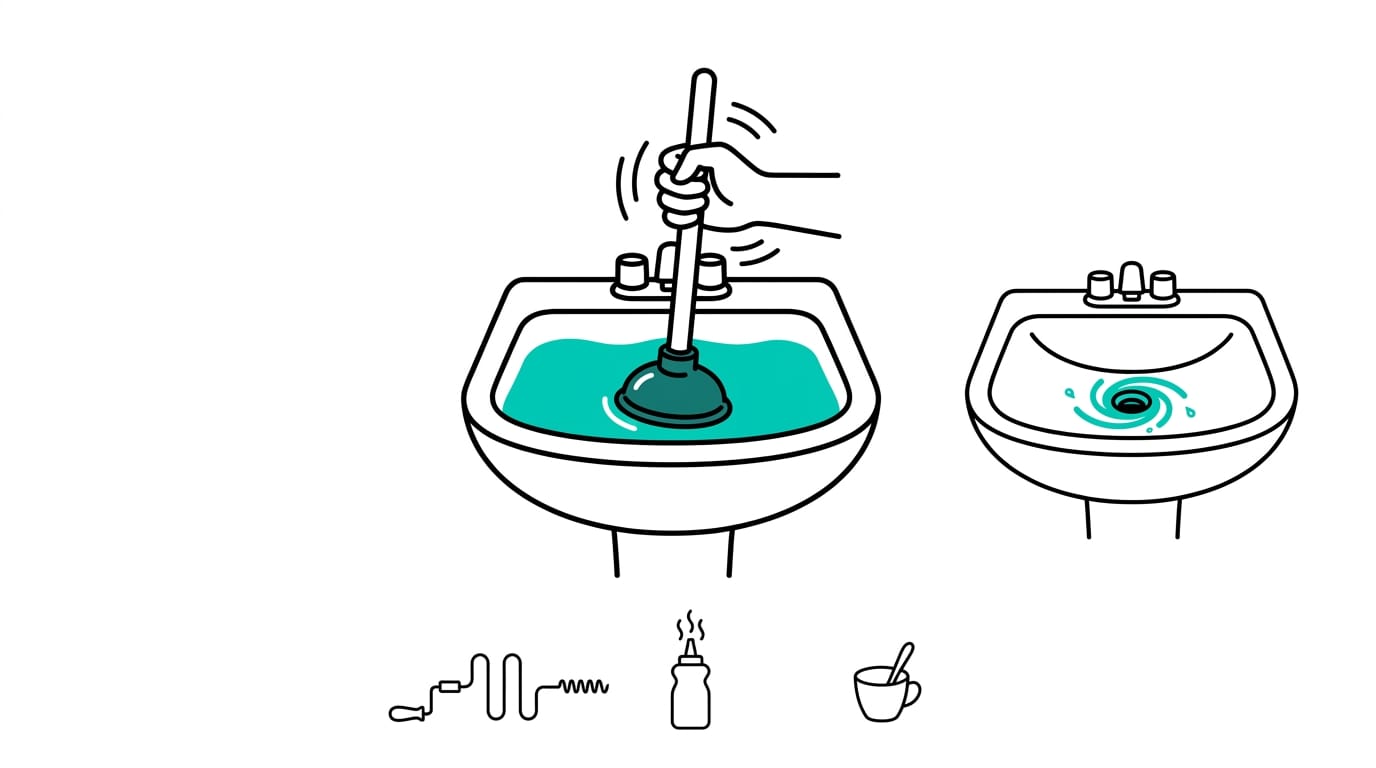
- How to Unclog a Sink: Simple Fixes That WorkHow to unclog a sink: start with simple natural fixes, then use tools or take apart pipes if needed. Avoid chemical cleaners that can backfire.
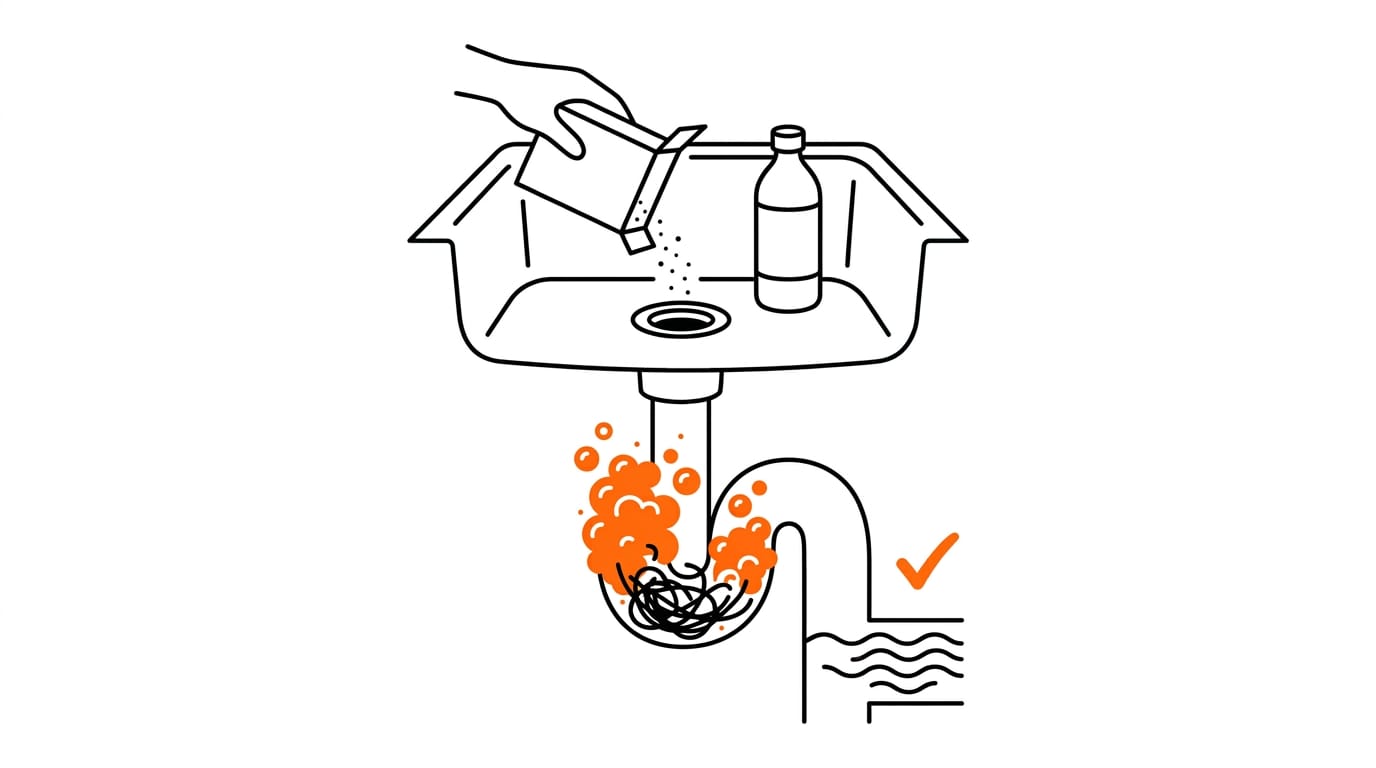
- Unclog Drain with Vinegar and Baking Soda: What WorksUnclog a drain with vinegar and baking soda for minor clogs. Find out what this fix can't clear and which stronger options can get water moving again.
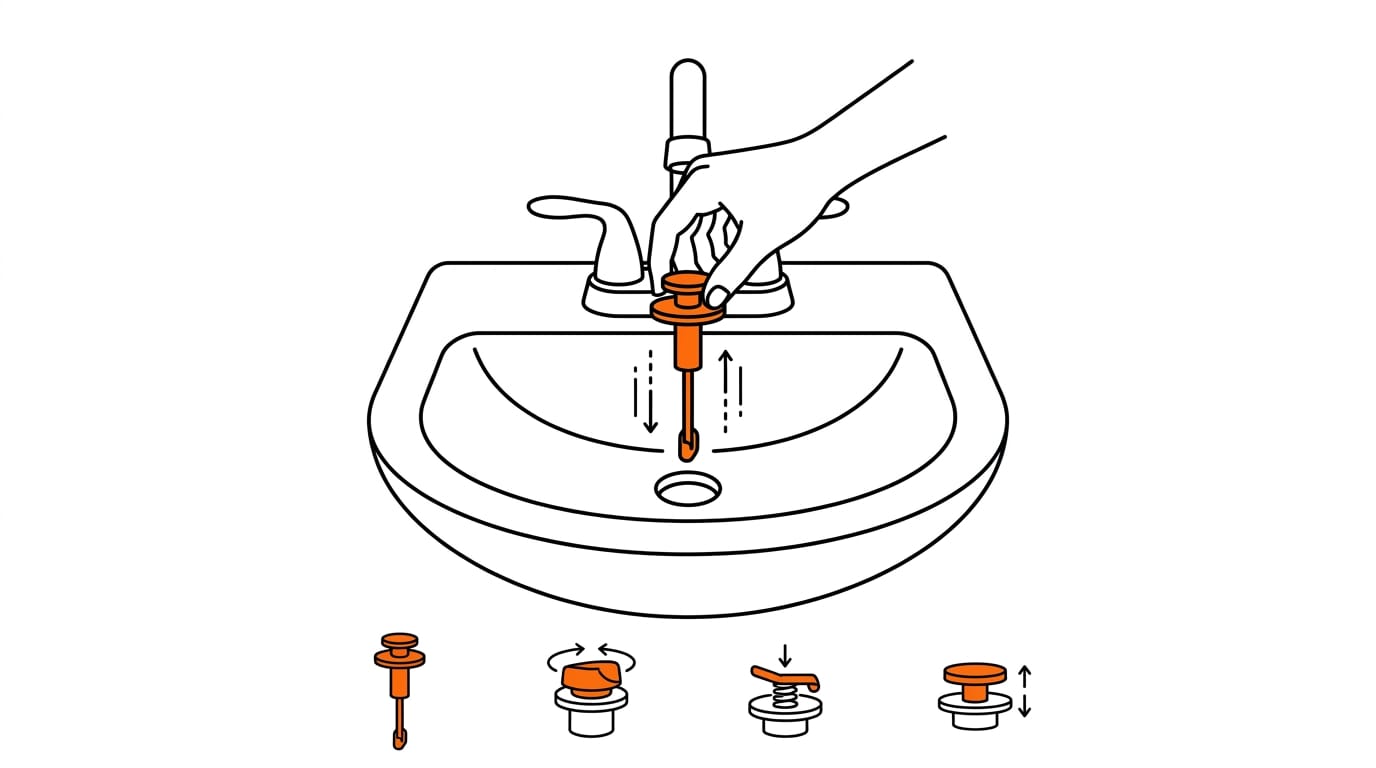
- How to Remove a Sink Stopper: Every Type ExplainedHow to remove sink stopper: identify pop-up, push-down, or lift-and-turn hardware, free a stuck plug, and know when to put it back or call a pro.
Stain Finder: a free stain removal guide
Find your stain