How to Remove a Sink Stopper: Every Type Explained
How to remove sink stopper: identify pop-up, push-down, or lift-and-turn hardware, free a stuck plug, and know when to put it back or call a pro.

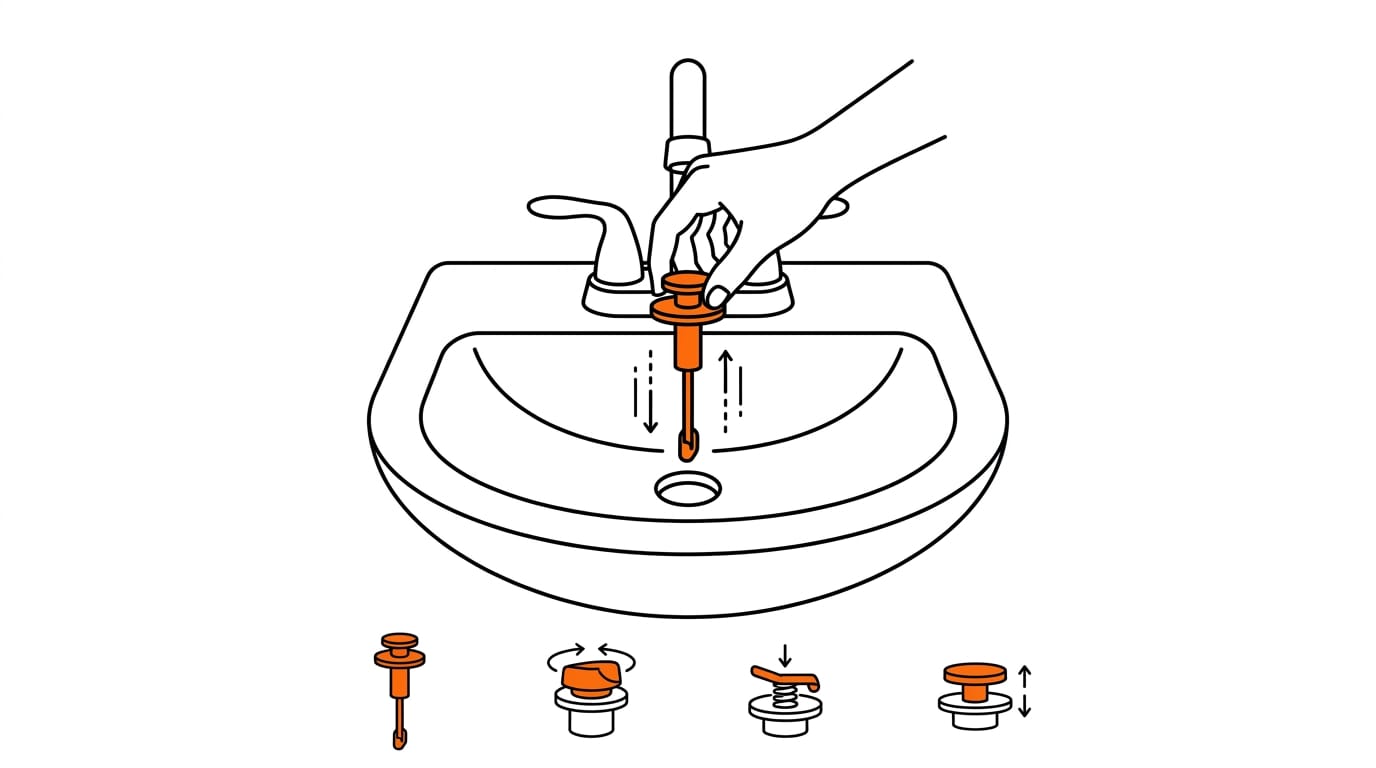
A sink stopper is the plug that holds water in a basin, and it may stick because of a tight seal, pressure, buildup, or an object lodged in the drain. Identify whether it is a pop-up, push-down, or lift-and-turn style, then use the right method: pull straight up, use a plunger if it is stuck closed, or remove the pivot rod under the sink. Clean the stopper before reinstalling it, and call a plumber if it will not seat or the sink still holds water.
Think of a sink stopper like a jam jar lid that’s been sealed for years. It looks simple until you’re gripping it with wet hands and nothing budges.
A sink stopper is the plug that holds water in your basin, and hair, soap scum, and grime slowly build up around it until it sticks.
Most stoppers come out with the right move, and that move depends on the type: pop-up, push-down, or lift-and-turn. We’ll cover each in order, flag the brand quirks that trip people up, and finish with the cleaning step that makes the job worthwhile.
How to Remove a Stuck Sink Stopper
Before you reach for anything, it helps to know what you’re dealing with. A stuck stopper almost always has a clear cause, and spotting it first makes the job quicker.
What a sink stopper is for
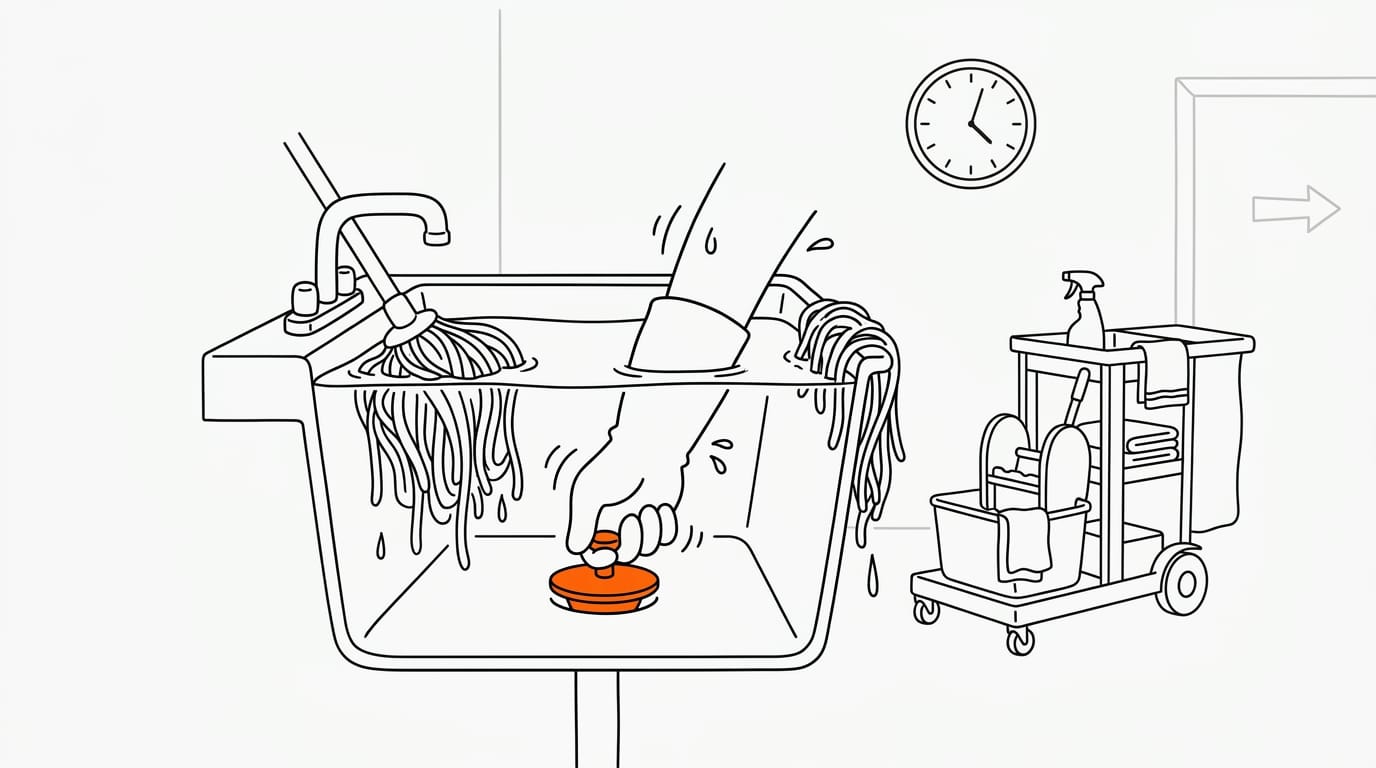
A sink stopper is the plug in the drain that holds water in the basin. It’s what lets you fill the sink for washing jewelry or soaking laundry. Consider a home cleaner who fills a basin to soak mops and cloths between jobs.
When the stopper won’t budge, the whole rhythm of the day stalls.
When you need to pull it out
You’ll usually need to remove the stopper for one of three reasons:
- To clean the stopper or the drain beneath it
- The sink is draining slowly
- You need to access the drain space
For our cleaner, a sluggish basin is the cue to pull the stopper before the job gets messier.
What makes a stopper stick
Several things can hold a stopper in place:
- Tight rubber seal: A snug seal keeps water in, but it also grips hard.
- Pressure behind the seal: As pressure builds behind it, the seal squeezes tighter.
- Buildup inside the drain: Residue narrows the space around the stopper.
- Lodged foreign objects: Small items caught in the drain can jam it in place.
It’s less about strength and more about what’s holding it. Spot the cause first, and the fix follows.
How Do You Remove a Stubborn Stopper?
Start by identifying your stopper type, since not every drain stopper unscrews. Pop-up, push-down, and lift-and-turn designs each come out differently, so check which one you have before you pull, twist, or pry.
Pulling by hand when stuck open
If the stopper is stuck open, grip the center knob and give it quick, firm pulls. Pull straight up, not sideways, and skip the one hard yank. Patience beats force. The same grip works for a stubborn drain cover.
Using a plunger when it’s stuck closed
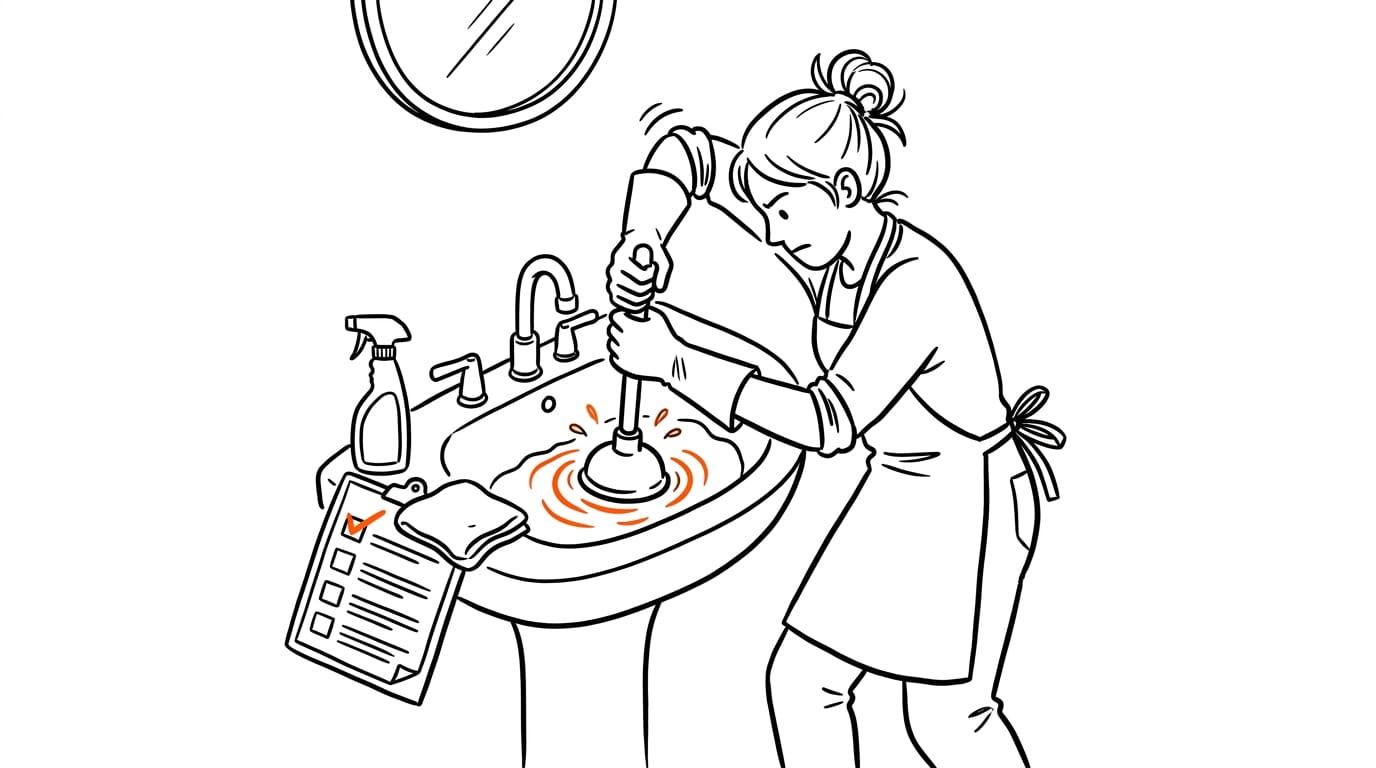
If your sink plug won’t pop up, it’s stuck closed, and a plunger is your next move. Consider a home cleaner prepping a bathroom sink for a rental inspection. The stopper won’t lift, so the basin won’t drain. Here’s how to free it:
- Fill the sink with enough water to cover the plunger cup.
- Press the plunger over the drain to form a tight seal.
- Pull up forcefully.
- Repeat, pressing harder each time.
Once it drains, the basin is ready for the inspector.
Removing the pivot rod under the sink
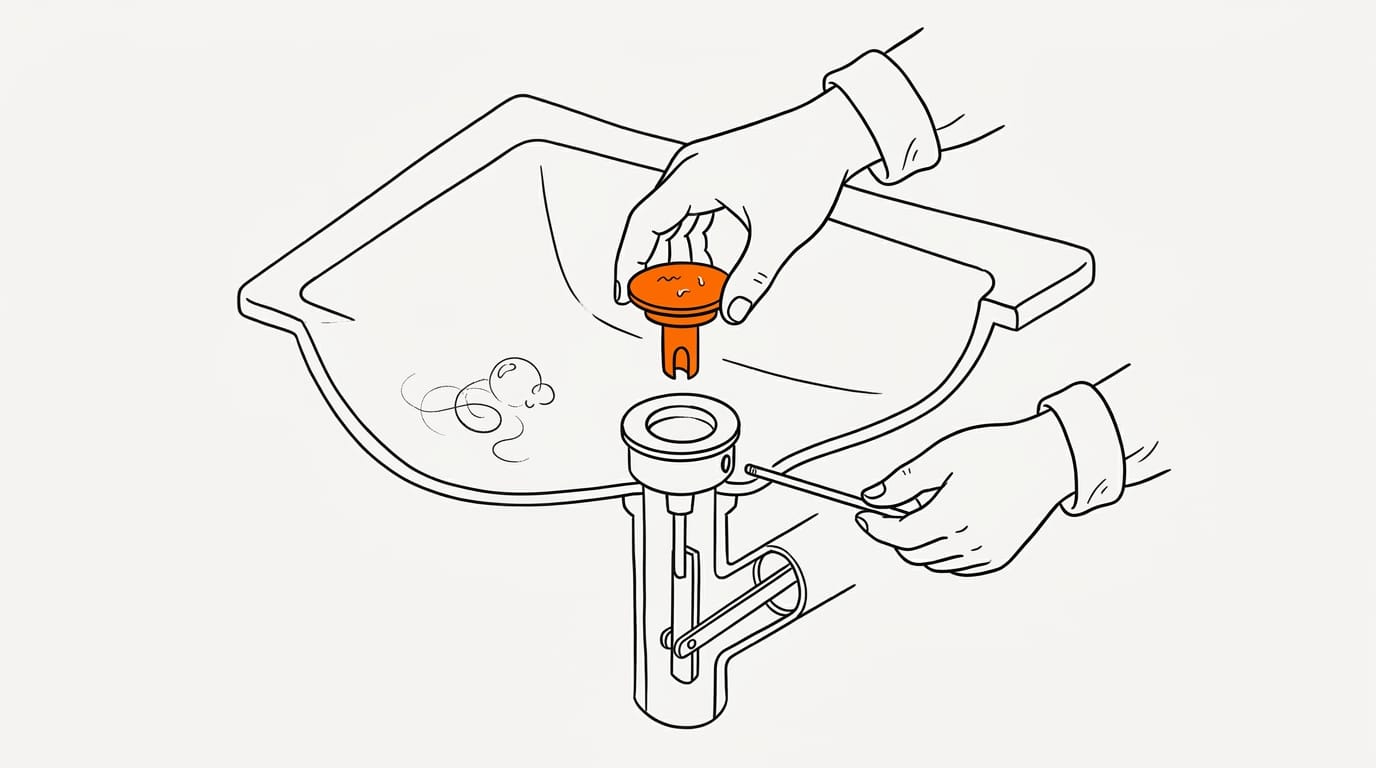
If it still won’t budge, go under the sink and find the pivot rod, the rod that links the stopper to the mechanism in the drain.
- Locate the rod under the sink, near the drain.
- Loosen the nut with pliers, with a cloth wrapped around the jaws to protect stainless steel from scratches.
- Remove the rod, then lift the stopper out.
On a Pfister pop-up, start at this same pivot rod and follow these steps. Go slowly, since stainless steel scratches easily.
Putting It Back or Calling a Pro
Once the stopper is out and clean, putting it back is the last step. Most of the time it’s a quick job, but the order matters.
Reinserting the stopper, then the rod
Start by cleaning the stopper while it’s out, rinsing off hair, soap, and grime. Line up the stopper hole with the rod entry in the drain, then reinsert the stopper first.
Once it sits straight, replace the pivot rod, the small metal rod that connects the stopper to the lift mechanism.
Stick to that order and you won’t be fiddling with the rod while the stopper is still loose.
So how often should you clean your sink drain? Clean the stopper every time it comes out, and give the drain a quick check whenever the water starts draining slowly. Little and often beats waiting for a full blockage.
Calling a plumber when methods fail
Sometimes the stopper just won’t cooperate. If it won’t seat, the rod won’t line up, or water keeps pooling after you’ve tried every step, it’s time to call in help.
Think of a home cleaner who has scrubbed the stopper, reseated the rod, and still sees water sitting in the basin. A quick call to a professional plumbing technician gets the drain fixed in one visit instead of a weekend of trial and error.
Technicians can check the pipe underneath, which you can’t see from the top of the sink. The goal is to fix the drain, not to force the stopper. Know when to stop.
Once you know which type of stopper you’re working with, the job shifts from guesswork to a steady routine. Work in the right order, go gently with anything that won’t budge, and don’t skip the cleaning step.
A clean stopper means water drains freely and the basin stays fresh between washes. Clear the gunk now, and your sink will drain the way it should every day that follows.
Questions
How do I remove the stopper from a Pfister pop-up drain?
For a Pfister pop-up drain, locate the pivot rod under the sink near the drain. Loosen its retaining nut with pliers, then remove the rod and lift the stopper out; protect the finish by wrapping a cloth around the pliers.
How to get a sink plug to pop up?
If the sink plug is stuck closed, use a plunger: add enough water to cover the cup, seal the cup over the drain, and pull up firmly. Repeat as needed; if it remains stuck, disconnect the pivot rod under the sink and lift the stopper out.
How do I remove the sink plug from my Caroma sink?
Caroma sink plugs vary by model. Check whether yours lifts out or has a removable top that twists counterclockwise; if it is a pop-up connected to a rod underneath, loosen the pivot-rod nut and remove the rod before lifting out the plug.
How often should I clean my sink drain?
Clean the stopper whenever you remove it, and check the drain when water starts draining slowly. Regularly clearing hair, soap scum, and grime can help prevent buildup.
Why pour salt down the drain every night?
Pouring salt down the drain every night is not a reliable way to prevent clogs. Salt does not remove hair or grease buildup and may contribute to corrosion in some plumbing; use a drain strainer and remove debris instead.
Do all drain stoppers unscrew?
No. Pop-up, push-down, and lift-and-turn stoppers use different mechanisms, and some do not unscrew at all. Identify the stopper type before twisting, pulling, or taking apart its linkage.
Is it okay to pour boiling water down the sink?
Boiling water can damage PVC pipes, seals, or some sink finishes, so it is not safe for every sink. Use hot tap water instead, and follow the sink and plumbing manufacturer's care instructions.
What do plumbers use instead of drano?
Plumbers usually clear clogs mechanically with tools such as a plunger or drain snake, rather than relying on chemical drain cleaners like Drano. For recurring or stubborn clogs, they may inspect the pipes and use professional equipment to locate and remove the blockage.
More in Kitchen
- How to Clean Stainless Steel Sink, Start to FinishHow to clean a stainless steel sink: remove water spots, limescale, and rust without damaging the finish, and keep the drain clear with simple supplies.
- How to Unclog a Sink: Simple Fixes That WorkHow to unclog a sink: start with simple natural fixes, then use tools or take apart pipes if needed. Avoid chemical cleaners that can backfire.
- Unclog Drain with Vinegar and Baking Soda: What WorksUnclog a drain with vinegar and baking soda for minor clogs. Find out what this fix can't clear and which stronger options can get water moving again.
Stain Finder: a free stain removal guide
Find your stain