Hydrogen Peroxide and Baking Soda: A Complete Guide
Hydrogen peroxide and baking soda can tackle coffee on sofa cushions. Get the simple mix, safe application steps, and when a store-bought remover is smarter.

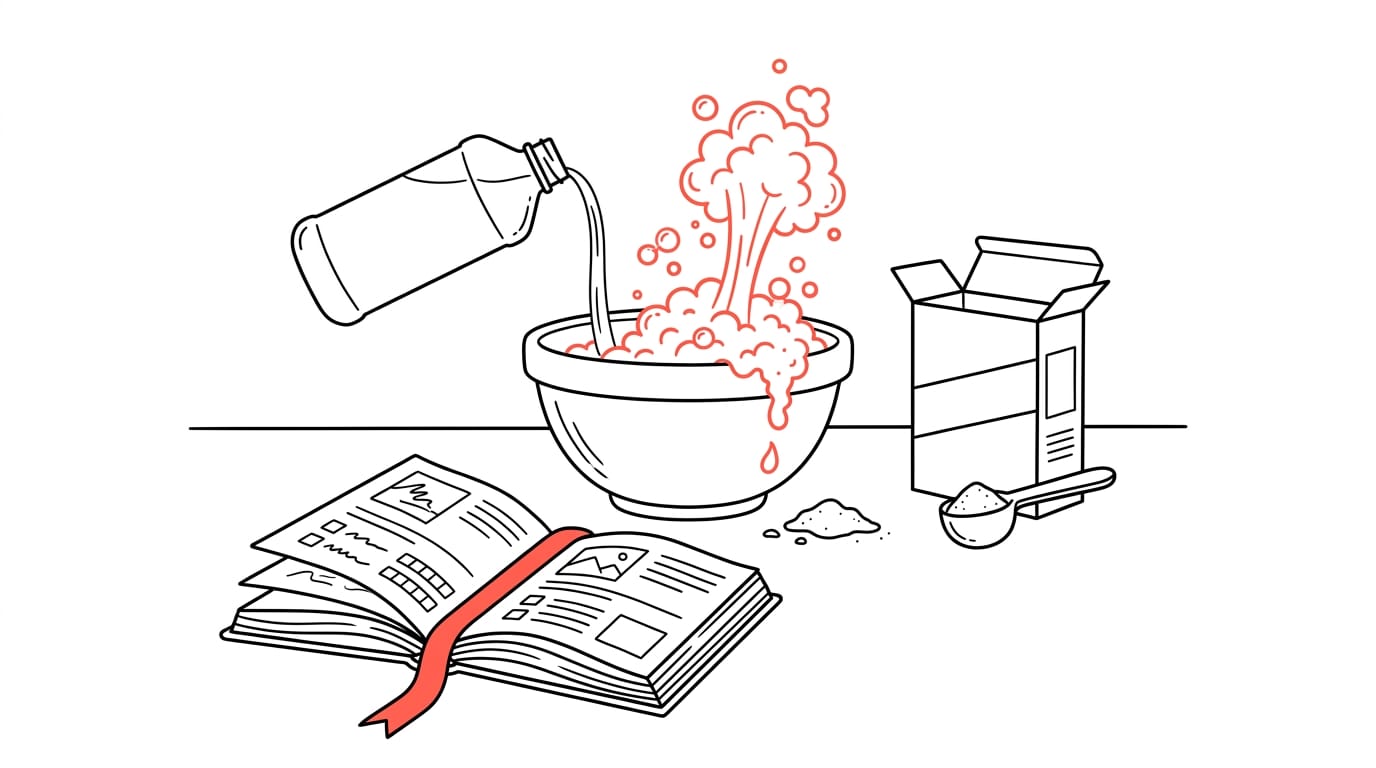
Hydrogen peroxide and baking soda make a fresh, mildly alkaline paste that fizzes and can help loosen everyday stains and grime. Apply a small amount gently, let it sit briefly, then wipe or rinse it away; patch-test fabrics and surfaces first, avoid marble, and keep peroxide away from vinegar and bleach. It is a useful first try for suitable marks, but delicate fabrics, set-in stains, or jobs needing stronger disinfection may call for a purpose-made cleaner.
Picture a splash of coffee across the sofa cushion, the mug still in your hand and the stain spreading by the second. The box of baking soda and the brown bottle of hydrogen peroxide already in your cupboard may be enough.
Treating a stain works like a good recipe: a couple of simple ingredients, used in the right order.
This post covers what the mix does, how to make it, where it works and where it doesn’t, and how to store and use it safely, plus a plain verdict on when a ready-made remover is the smarter buy.
What Hydrogen Peroxide and Baking Soda Do
Stir the two together and you get a mildly alkaline paste (the opposite of acidic) that fizzes as the peroxide releases oxygen. Make only what you’ll use, since the peroxide weakens as it sits.
Why this mix is worth using
The appeal is simple: the mix helps you loosen a mess rather than blast it away.
- Removes stubborn stains: it tackles marks that plain water often leaves behind.
- Loosens stuck-on dirt: grime lifts more easily so you can wipe it away.
- Restores shine: surfaces often look fresher once the dull residue is gone.
- Gentler than harsh products: you’re working with kitchen staples, not strong chemicals.
- Cheaper alternative: a cupboard basic costs less than a specialty spray.
Using everyday pantry items to clean
Both ingredients are common pantry items, so there’s no special shopping trip before you start. Think of a renter with a tea ring on a kitchen worktop: a fresh dab of paste, a gentle wipe, and no harsh spray in a small flat.
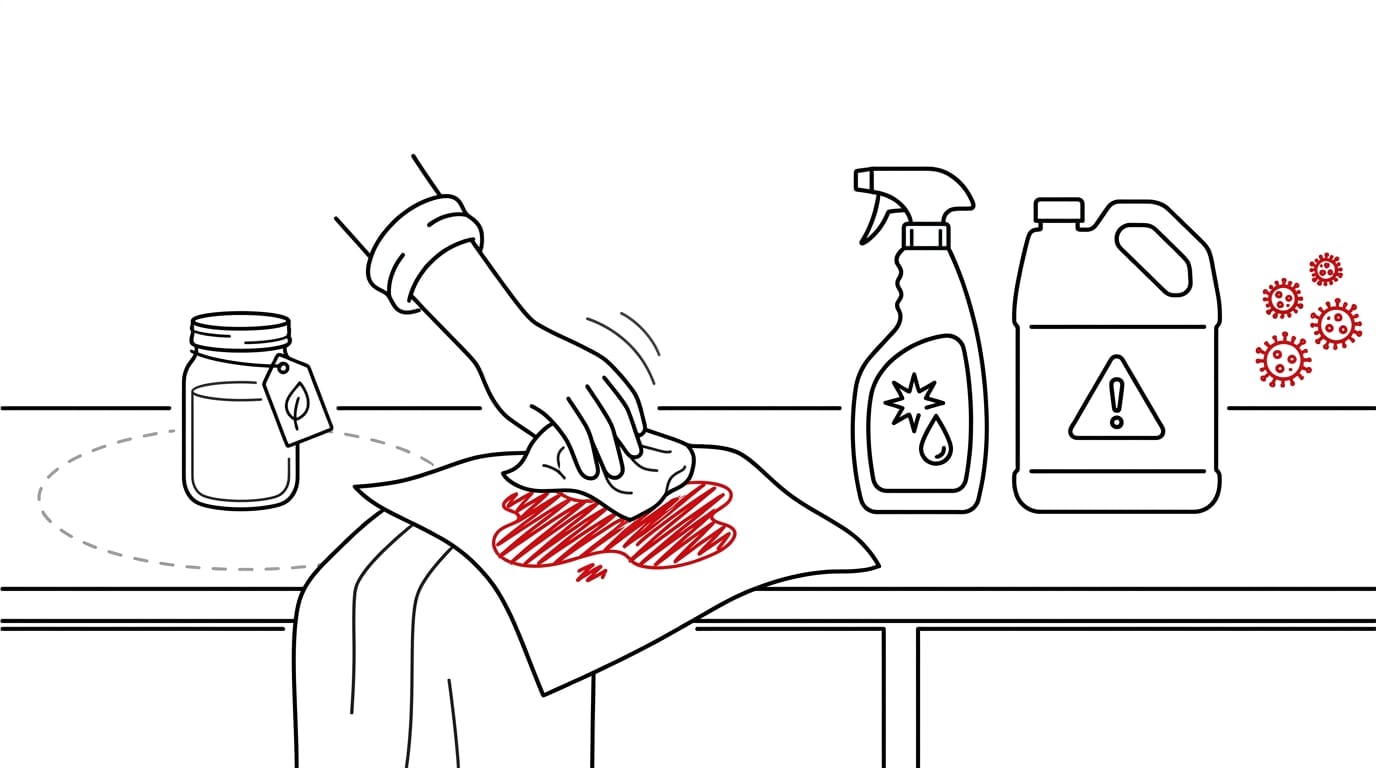
That’s a safer alternative to chemicals, but only when you mix correctly: measure small amounts and make the paste fresh. Other natural cleaners sit in the same cupboard, so check how each one behaves before you combine anything with it.
When this mix falls short
This mix is a useful first step, not a final answer. It doesn’t replace specialty products, so for a tough, set-in mark a ready-made stain remover may be the better buy.
It’s also weak against serious infections, and some jobs call for heavier disinfectants. Know its limits.
Easy Recipes You Can Mix at Home
These three mixes use things you probably already have at home. Make each one fresh rather than ahead of time, then use it straight away.
Mix a simple thick paste
Build the paste in two steps:
- 2 tablespoons baking soda
- Add hydrogen peroxide a little at a time, stirring as you go
Keep stirring until you reach a thick consistency, more like toothpaste than soup, so the paste stays where you put it. Spread it over the mark and leave it to work.
Dish soap stain remover for whites
Combine the peroxide, Dawn, and baking soda into one mix for the stain. Picture a parent with a grass stain on a white school shirt who usually reaches for OxiClean. This mix can replace it, and you may already have everything you need to hand.
Scrub it on with a brush. This one is best for whites, not coloureds, so keep it for the white wash. Whites only.
Bathroom cleaner for tubs and grout
Combine these three ingredients:
- 1/2 cup baking soda
- 1/4 cup hydrogen peroxide
- 1 tsp dish soap
Stir them together and use the mix to clean the tub, tile, and grout in one go. A tenant getting a rented bathroom ready for handover can tackle the whole room with a single batch instead of hunting down a separate cleaner for each surface.
Mix only what you need, and use it right away.
How to Apply and Use the Mix
Getting good results is less about how much mix you have and more about how you use it. Work through the steps in order, match the mix to the surface, and know when to skip it altogether.
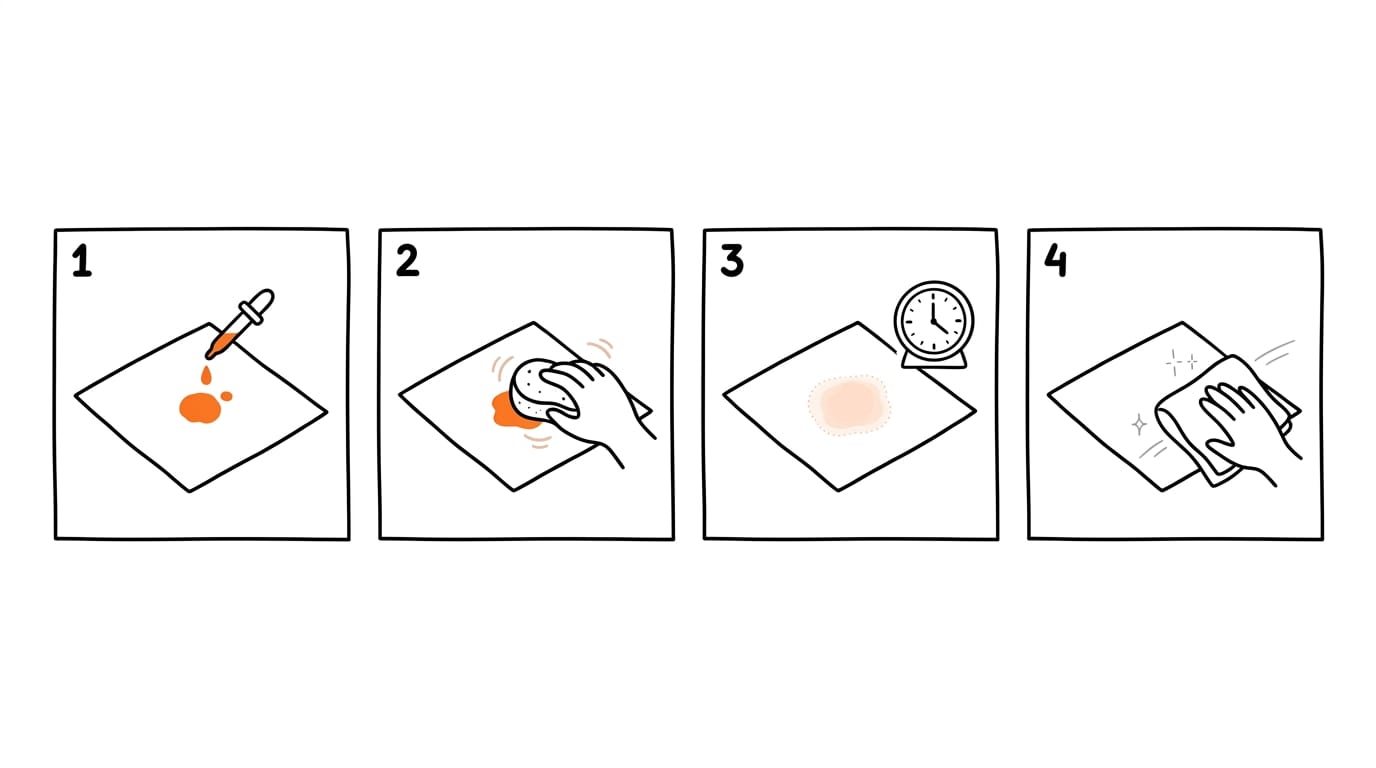
Follow these steps in order
- Apply a small amount. Start with a little on the stain. You can always add more, but you can’t undo a soaked patch.
- Rub with a sponge or cloth. Work gently rather than scrubbing hard, so the surface isn’t roughed up.
- Let it sit for a few minutes. Give the mix time to loosen the stain before you go back in.
- Wipe or rinse off. Clear away all the mix so nothing is left sitting on the surface.
Where to use it around the house
- Stains on fabrics: works on many everyday marks, once you’ve checked the colour holds.
- Bathtub and grout: a good fit for grimy lines and marks in the bath and between the tiles.
- Toilet bowl: peroxide can help with stains inside the bowl.
- Pumice stone: for tough stains that won’t shift, a pumice stone can help, but it’s abrasive, so keep the pressure light.
Before any fabric stain, run a colourfast test: dab a little of the mix on an inconspicuous corner, leave it briefly, and check the colour holds. Think of a tenant scrubbing a grubby bathtub ring before the move-out inspection.
A little mix, a sponge, and a few minutes can leave the tub looking far fresher, with no trip to the shop.
Not every surface suits this mix, though. If you’re unsure about a fabric or finish, skip it and check the care label first. Test first. Always.
Staying Safe While You Clean
Quick checks before you start protect your surfaces and skin, and they take less time than the scrubbing. Here’s what to know first.
Test surfaces before you scrub
Always run a patch test on a discreet spot, like the underside of a cushion, before you scrub. Let it dry, then check for colour change or damage. Skip delicate fabrics unless you’ve confirmed they can handle it.
If you’re asking how to clean marble countertops with baking soda, the short answer is that you shouldn’t. Skip it and use a cleaner made for stone instead.
Mix only what you’ll use that day. Store leftover peroxide in its original bottle, tightly capped and out of direct sunlight, because it doesn’t keep forever.
Protect your skin, eyes, and mouth
Pop on gloves before you start. For example, a parent scrubbing a muddy school jumper keeps them on from the first dab to the final rinse, so the mix never touches bare skin. Wear safety glasses or goggles too, especially when spraying above head height.
Never consume peroxide. Keep it in its original bottle or a clearly labelled spray bottle, away from food, drinks, and curious kids and pets.
Mixtures you should never combine
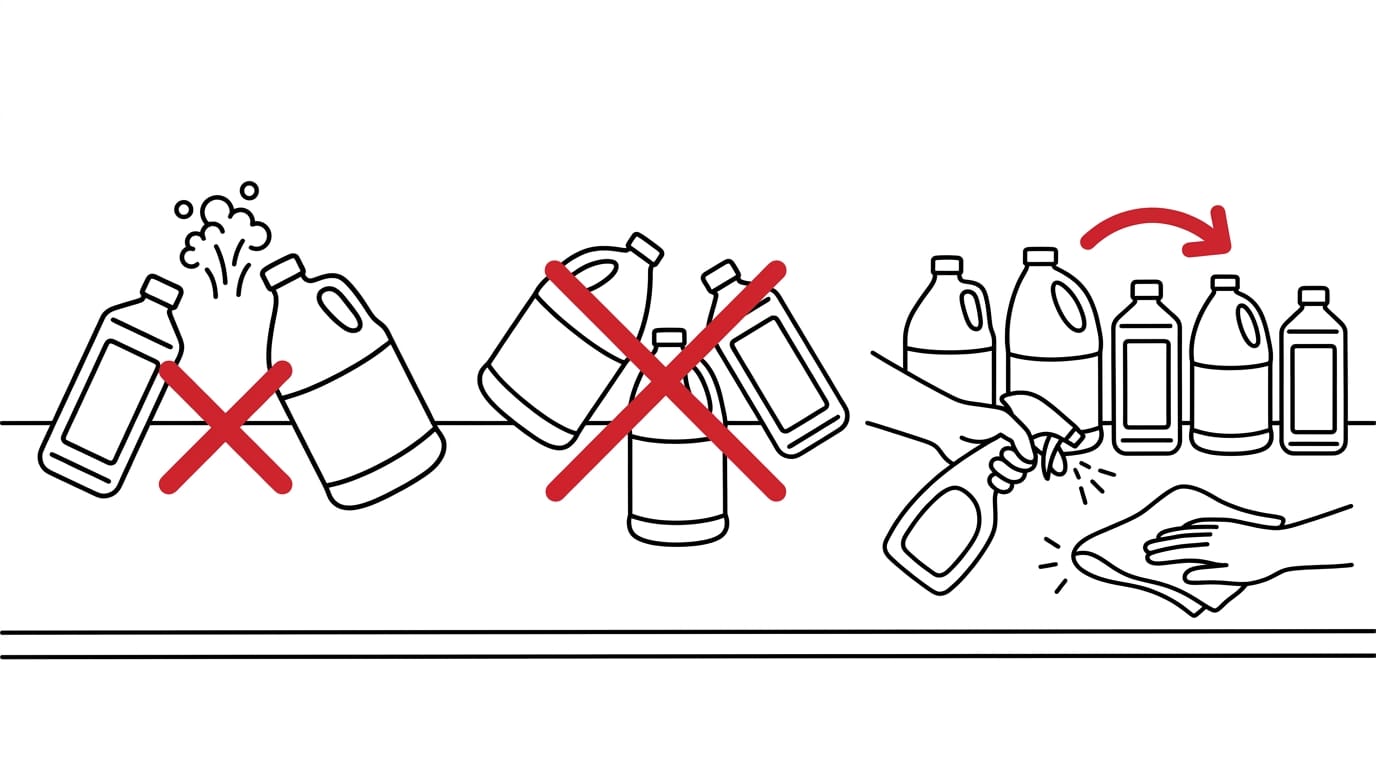
- Peroxide and vinegar: A study titled The Kinetics of the Acid-Catalyzed Formation of Peracetic Acid reports that peroxide and acetic acid, the main ingredient in vinegar, can form peracetic acid. That’s a different chemical, so keep the two apart.
- Vinegar and baking soda: They cancel each other out, so neither does its job.
- Bleach with vinegar, alcohol, or ammonia: Never combine bleach with any of them.
Instead of mixing, alternate sprays. Apply one product, wipe it up, then move to the next. One bottle at a time.
Homemade Versus Store-bought Cleaners
Store-bought cleaners are convenient, but the label doesn’t tell you everything.
Why store-bought cleaners need caution
Household cleaning chemicals can irritate or harm.
A study of volatile organic compounds (VOCs), airborne chemicals that products give off, notes that cleaning product use is associated with harm to the respiratory system (the lungs and airways) and other chronic health problems.
For pesticide products, the Environmental Protection Agency (EPA) requires labels to list active ingredients, the chemicals that do the actual work. Inert ingredients generally don’t need to be listed one by one.
According to a LegalClarity explainer, only their total combined percentage must be disclosed.
Many chemicals used in cleaning products haven’t been thoroughly studied. A narrative review of quaternary ammonium compounds (QACs), common disinfectants, notes that use has outpaced the science checking their safety.
Green labels aren’t always the safer pick. That VOC study examined ‘green’ products alongside conventional ones, so treat the label as a starting point, not a finish line.
Picking safer products off the shelf
Before you buy, work through this quick check:
- Look for the EPA Safer Choice label. It’s a useful first filter, not a final one.
- Research the ingredients. Read the full list instead of trusting the front of the bottle.
- Check for bleach or ammonia. If either appears, read the directions closely before you buy.
Think of a parent with grass on a sturdy school shirt: the home mix is a fine first try, with no trip to the shop. A silk blouse for a wedding is different, and that’s when a labelled remover earns its place.
Buy one when the fabric is delicate, the label suits it, and a patch test on a hidden spot shows no damage.
Hydrogen peroxide and baking soda are a handy pair to keep on hand, as long as you use them on the marks they suit. Follow the method order, and store and handle both safely every time.
When the mix falls short, don’t force it. A ready-made stain remover is often the smarter buy, and knowing the difference saves time and protects your fabrics.
Keep the box and the bottle close, and act fast. A stain treated early is a stain you can beat.
References
- Clinical and Environmental Harms of Quaternary Ammonium Disinfectants and the Promise of Ultraviolet-C (UV-C) Alternatives: A Narrative Review — pmc.ncbi.nlm.nih.gov (2025)
- The Kinetics of the Acid-Catalyzed Formation of Peracetic Acid from Acetic Acid and Hydrogen Peroxide — doi.org
- Volatile organic compounds emitted by conventional and “green” cleaning products in the U.S. market — sciencedirect.com
- Inert Ingredient Definition Under FIFRA and FFDCA — legalclarity.org (2026)
Questions
How to clean marble countertops with baking soda?
You shouldn’t clean marble countertops with baking soda, because it can scratch or damage the stone’s finish. Use a cleaner specifically made for marble or natural stone, and test it in a discreet spot first.
What will happen if you mix peroxide and baking soda?
Mixing hydrogen peroxide and baking soda makes a mildly alkaline paste that fizzes as the peroxide releases oxygen. It can help loosen stains and grime; mix only what you need, use it fresh, and test it on an inconspicuous spot before applying.
Sources
- The Kinetics of the Acid-Catalyzed Formation of Peracetic Acid from Acetic Acid and Hydrogen Peroxide, doi.org
- Clinical and Environmental Harms of Quaternary Ammonium Disinfectants and the Promise of Ultraviolet-C (UV-C) Alternatives: A Narrative Review - PMC, pmc.ncbi.nlm.nih.gov,
- Volatile organic compounds emitted by conventional and “green” cleaning products in the U.S. market, sciencedirect.com
- Inert Ingredient Definition Under FIFRA and FFDCA - LegalClarity, legalclarity.org,
More in Cleaning Products
- Baking Soda Smell Removal: How It Works and Where It StopsBaking soda smell removal can freshen bins and gym bags, but it won’t fix the source. Find where odors start and choose cupboard-first fixes that work.
- Mild Dish Soap for Cleaning Jewelry: A Complete GuideMild dish soap for cleaning jewelry removes lotion and grime without harsh ingredients. See the safe steps for gold, silver, and gemstones.
- Washing Soda Explained: Uses, Making It and SafetyWashing soda tackles laundry stains, household grime and workshop rust; see how it differs from baking soda and how to make it yourself safely.
Stain Finder: a free stain removal guide
Find your stain