Self-cleaning Explained: Meaning, Examples, and Care Tips
Self-cleaning means a feature handles much of its own cleanup. See where it appears around the home and understand the related terms you'll encounter.
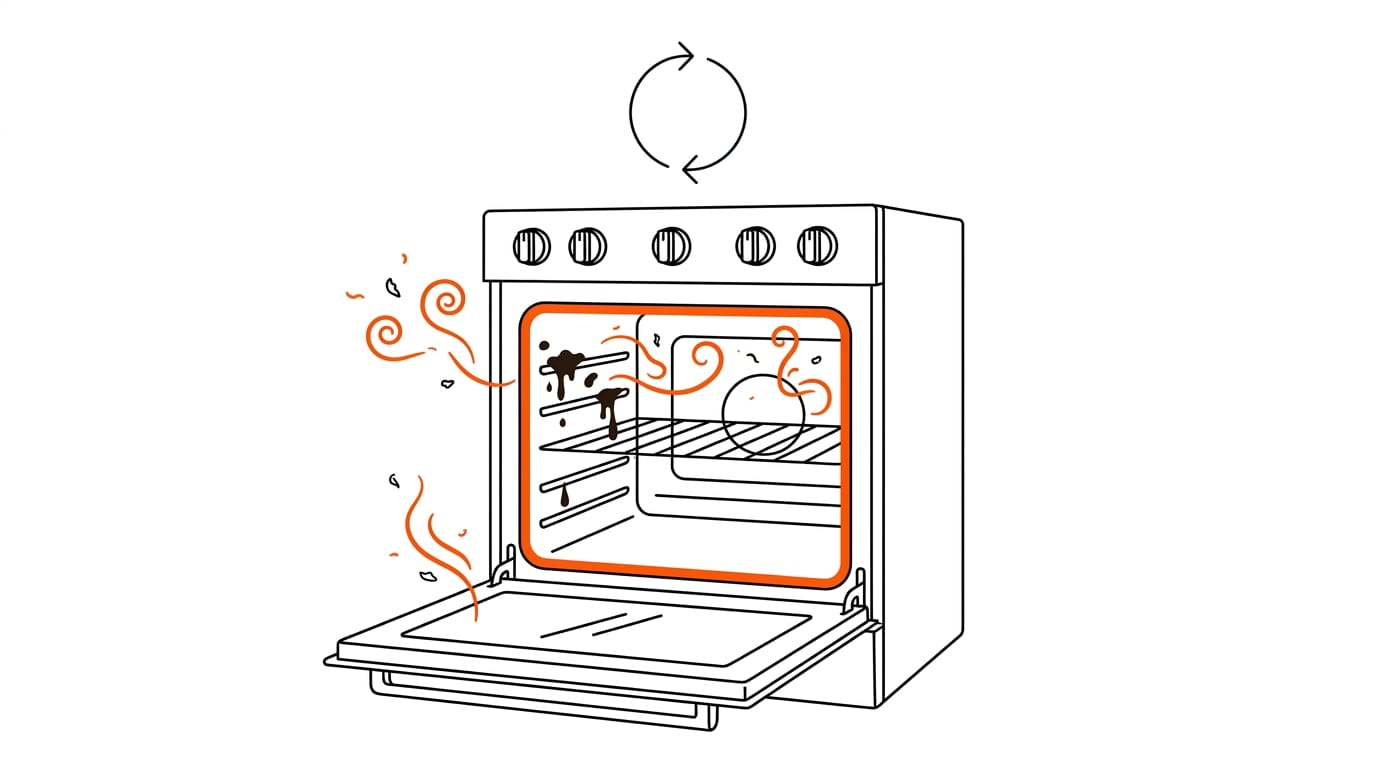
Self-cleaning describes a surface, appliance, or fixture designed to clean itself, reducing the amount of scrubbing or wiping a person must do. Different features work in different ways, such as oven cycles that burn residue to ash or loosen it with steam, but they do not handle every mess or eliminate upkeep. Check the manual, prepare items as directed, and clear heavy spills by hand to get the benefit with less effort.
Picture pulling a roast from the oven and finding the tray already clean, with no scrubbing. That’s the promise behind self-cleaning, and it’s easier to trust once you know what’s going on.
Self-cleaning means a feature is built to handle much of its own cleaning, so you spend less time on your hands and knees.
Here, we’ll cover what self-cleaning means in everyday terms, where you’ll find it at home, and the related words that come up along the way. You’ll also get practical tips for using and caring for these features.
What Self-cleaning Means in Everyday Terms
Self-cleaning shows up on ovens, glass, and toilets, so here’s what it really means.
Things that clean themselves without help
Self-cleaning describes a surface or appliance that cleans itself. In practice, that breaks down into three points:
- Adjective form. It describes a noun, as in a self-cleaning oven or a self-cleaning glass pane.
- Cleans itself. The surface does the work, not the person using it.
- No human action needed. There’s no scrubbing, wiping, or soaking for you to do.
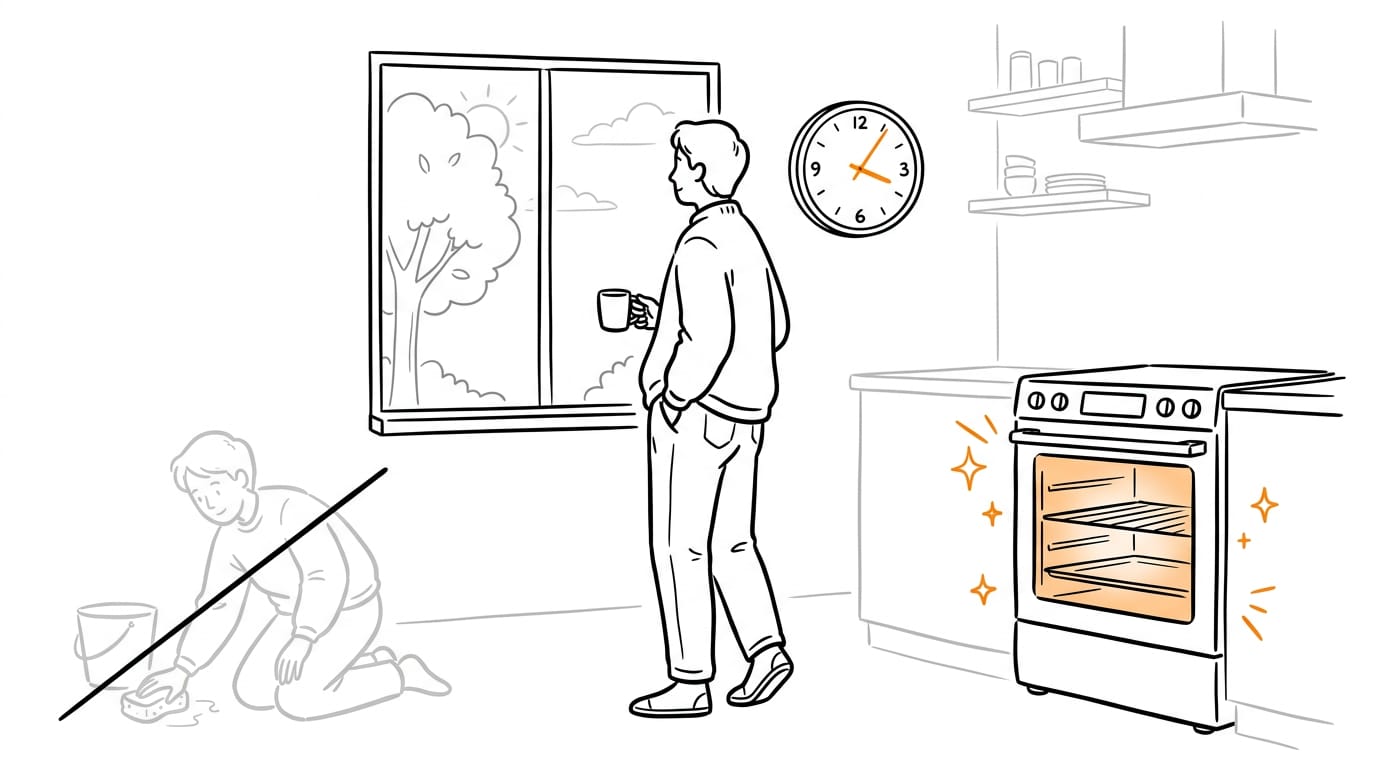
Think of a parent who gets a Saturday afternoon back instead of scrubbing baked-on gravy off the oven racks. Nobody’s on their knees.
How to pronounce and hyphenate it
Say it the same way in UK and US English: self rhymes with elf, and cleaning sounds like the everyday word you already use. Want to hear it? Any translator or dictionary tool with an audio option can say it aloud for you.
Hyphenate it when it sits before a noun. The hyphen tells readers that self and cleaning form one hyphenated compound adjective, which is why you’ll usually see a self-cleaning oven written that way.
Chinese translations and a translator tool
In Traditional Chinese, self-cleaning is 自清潔. In Simplified Chinese, it’s 自清洁. The two forms differ in writing, not in meaning.
Think of a renter whose oven manual is in Chinese, hunting for the self-cleaning setting. Paste the English phrase into a translator tool, then match its output to the labels on the dial so they press the right button first time.
Where You’ll Find Self-cleaning Things
Self-cleaning isn’t just an oven feature. Here’s where you’ll meet it, and what still falls to you.
Public toilets and rail station fixtures
Some public toilets are self-cleaning, cleaning their own bowl after each use. Some rail stations install them too. An indicator light shows the cleaning status, so you can see at a glance whether the toilet is busy or ready.
Home appliances like the self-cleaning oven
Most of us have met the self-cleaning oven. A pyrolytic cycle heats the empty cavity to a very high temperature, burning food residue down to a fine ash you wipe away. Steam-clean ovens use steam to loosen residue instead.
Either way, the oven does the cleaning, but you still do the prep.
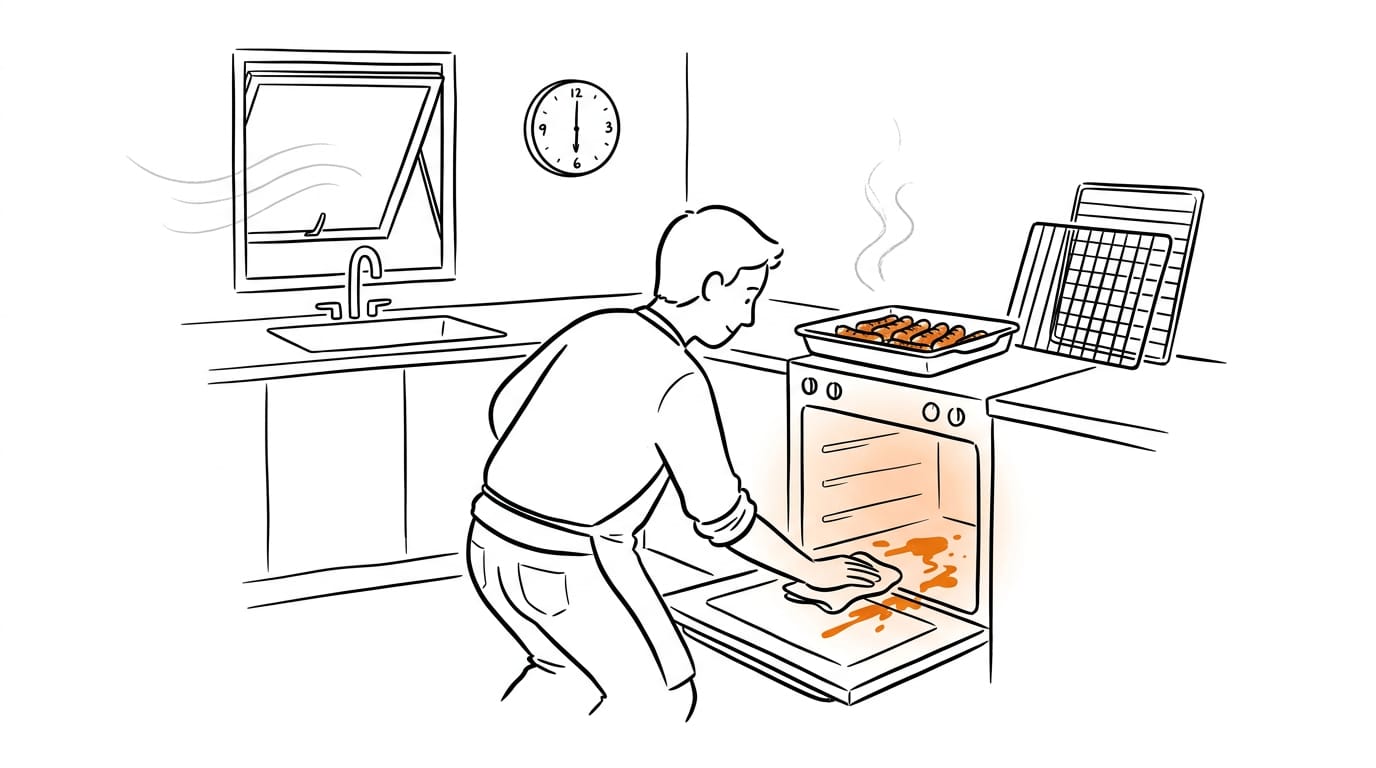
Think of a parent who has just roasted sticky sausages. Wiping the splatter right after cooking, while the oven is still warm, takes seconds and leaves the next cycle far less to do.
Before any cycle, do three things:
- Wipe spills first, since heavy drips still need clearing by hand.
- Remove the racks, as your manual advises.
- Ventilate the kitchen, because the cycle can give off smoke and a strong smell.
Less scrubbing, not zero work.
Some air conditioners have a self-clean function, a built-in routine that helps keep the unit’s inside cleaner. Check your manual to see if yours has one.
Self-cleaning appliances still need upkeep, and no feature can clear heavy spills on its own, so keep wiping.
Building panels that stay clean and white
Some building panels use self-cleaning surfaces or coatings. A research paper on self-cleaning building materials describes materials given special properties through these coatings.
The goal is panels that stay white, not panels you keep scrubbing back to white.
Ideas borrowed from tree frogs and medicine
Nature may have got there first. According to a Deccan Herald report, British scientists claim tree frogs have specially adapted self-cleaning feet.
That finding may have practical applications for the medical industry, though those uses are possible, not proven.
Words Related to This Term
Cleaning words get used interchangeably, but they don’t mean the same thing. Here’s what the common ones cover, so you pick the right step for the mess in front of you.
Cleaning terms like sanitize and scour
According to Basic Principles of Disinfection and Sterilization in Intensive Care and Anesthesia and Their Applications during COVID-19 Pandemic, cleaning, sanitizing, and sterilizing are different levels of reducing or eliminating germs.
Cleaning removes organic matter with soap, cold water, and scrubbing. Disinfection goes further, eliminating many or all microorganisms, though some bacterial spores can survive.
Here’s how the everyday verbs compare:
- Mop: wiping a floor with a wet cloth or mop head to lift surface dirt.
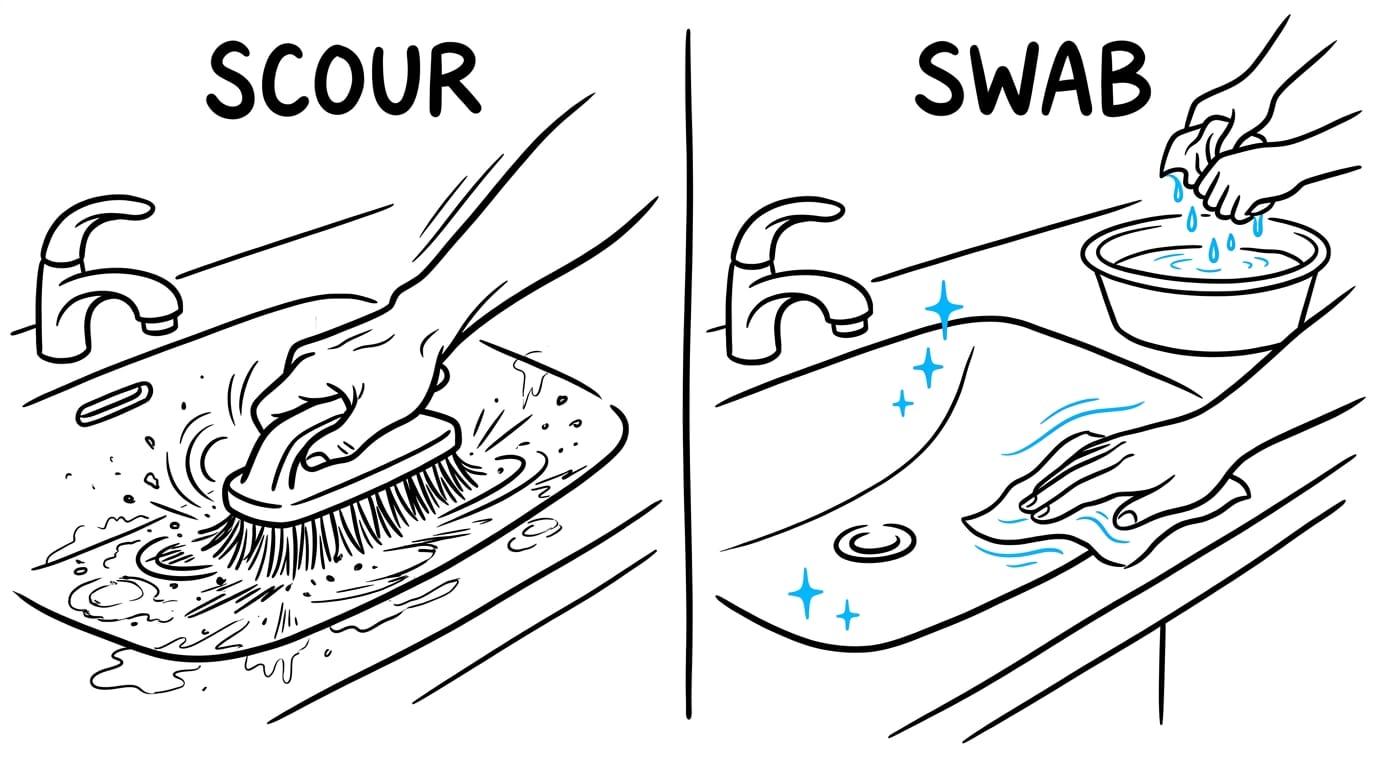
- Scour: scrubbing hard to shift stuck-on grime that a quick wipe won’t touch.
- Rinse: running clean water over a surface to wash away soap and loose dirt.
- Swab: wiping a spot with a damp cloth or pad, using light, careful strokes.
Scouring is about force, swabbing about care. A cleaner lifts dirt off a surface, while a purifier removes unwanted particles from air or water.
Think of a flatmate who swabs the bathroom sink, rinses the cloth, and wipes again, so the sink looks clean in one go instead of streaked.
You may also have heard of the 20 minute rule in cleaning, but the sources behind this section don’t describe it, so we won’t guess at its details here.
Browse more self words alphabetically
Self-cleaning belongs to a wider family of self- compounds, where the prefix joins a word to describe something that works on its own. The alphabetical browse list lets you scan them in order, so you’ll find a term you half-remember in seconds.
Self-cleaning features save time, but they work best when you understand what they can and can’t handle. Used with care, they keep your oven, glass, toilet, and other surfaces in better shape with far less effort.
Keep the manual handy, and don’t assume a feature can tackle every mess. A little knowledge goes a long way toward keeping it working for you.
Understand it, care for it, and self-cleaning delivers: less scrubbing for you, more time for everything else.
References
- Basic Principles of Disinfection and Sterilization in Intensive Care and Anesthesia and Their Applications during COVID-19 Pandemic — pmc.ncbi.nlm.nih.gov
- Self-Cleaning Coatings and Surfaces of Modern Building Materials for the Removal of Some Air Pollutants — pmc.ncbi.nlm.nih.gov (2021)
- Frog feet solve sticky problem — deccanherald.com
Questions
What is the 20 minute rule in cleaning?
The 20-minute cleaning rule generally means setting a timer and spending 20 minutes cleaning, rather than trying to finish everything at once. You can focus on one room or task, then stop when the timer ends or take a break.
What are the 7 steps in the cleaning process?
A common seven-step cleaning process is: remove clutter, dust high surfaces, clean mirrors and glass, clean and disinfect surfaces, scrub sinks and fixtures, clean floors, and take out the rubbish. Work from top to bottom so dust and debris fall onto areas you have not cleaned yet.
How can you keep your self-clean?
To keep yourself clean, wash your hands regularly with soap and water, especially after using the toilet and before eating or preparing food. Bathe as needed, wear clean clothes, and keep nails and hair clean.
Sources
- Self-Cleaning Coatings and Surfaces of Modern Building Materials for the Removal of Some Air Pollutants, pmc.ncbi.nlm.nih.gov,
- Frog feet solve sticky problem, deccanherald.com
- Basic Principles of Disinfection and Sterilization in Intensive Care and Anesthesia and Their Applications during COVID-19 Pandemic, pmc.ncbi.nlm.nih.gov
More in Floors & Carpets
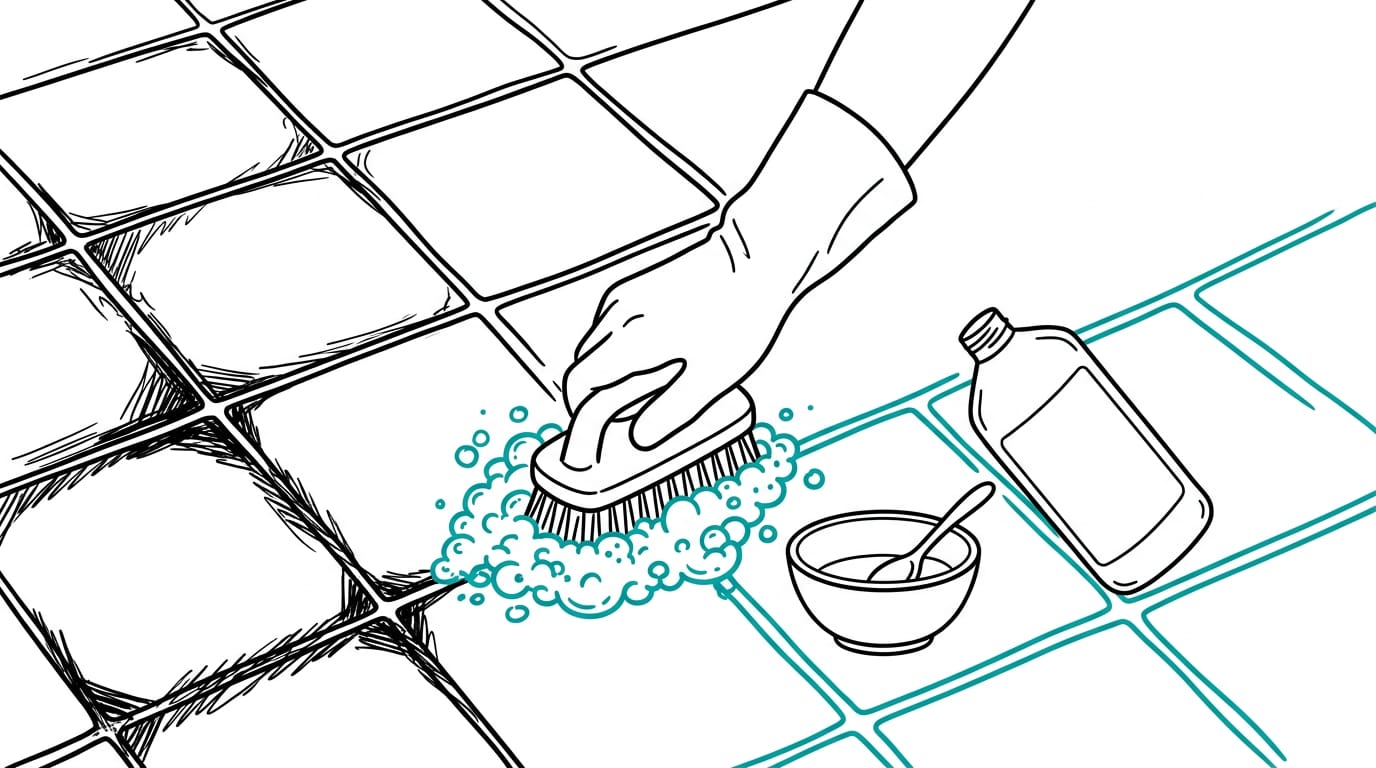
- Cleaning Grout with Baking Soda and Hydrogen Peroxide GuideCleaning grout with baking soda and hydrogen peroxide lifts grime with a simple paste; see when it works, what to avoid, and which method fits your grout.
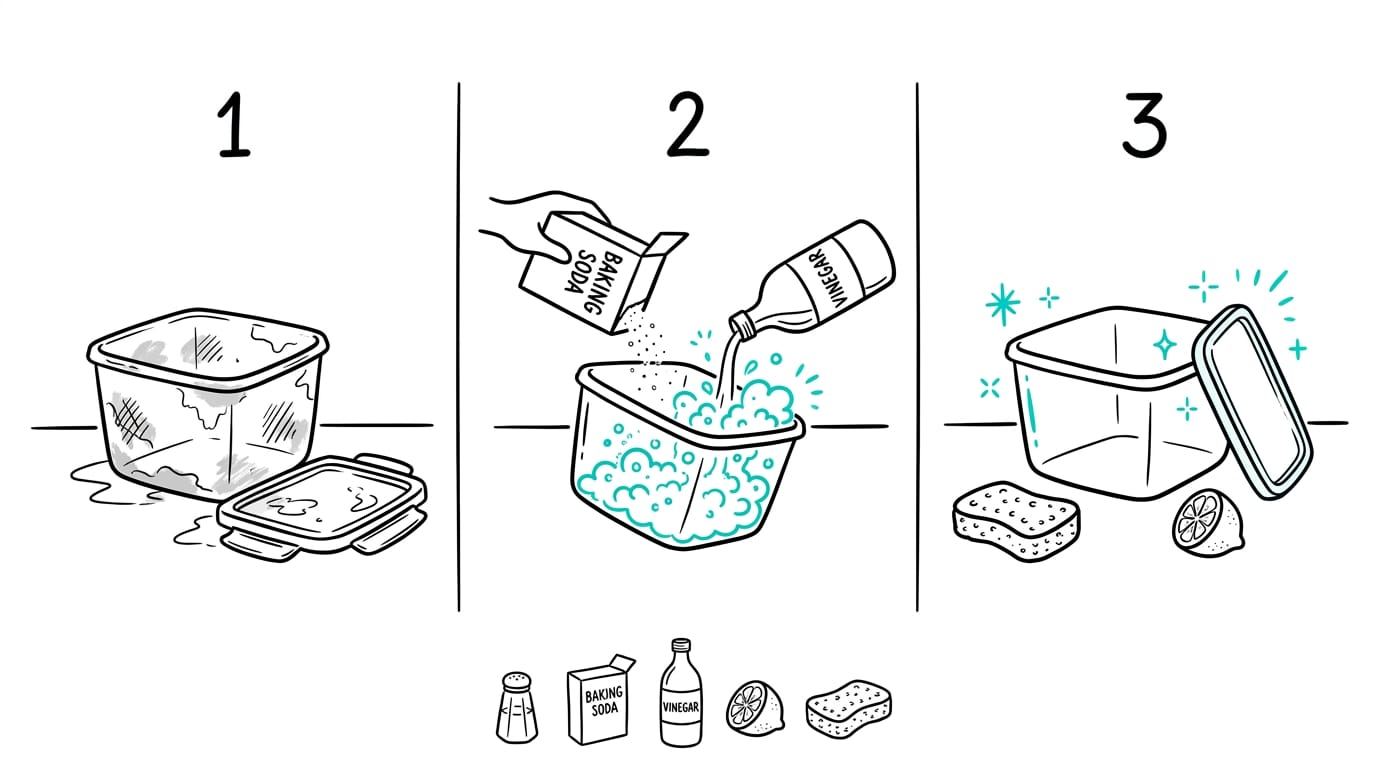
- Cleaning Plastic Step by Step, with Pantry StaplesCleaning plastic tackles food stains, smells, cloudy clear plastics, and safe disinfection with cupboard ingredients, plus when to replace old containers.
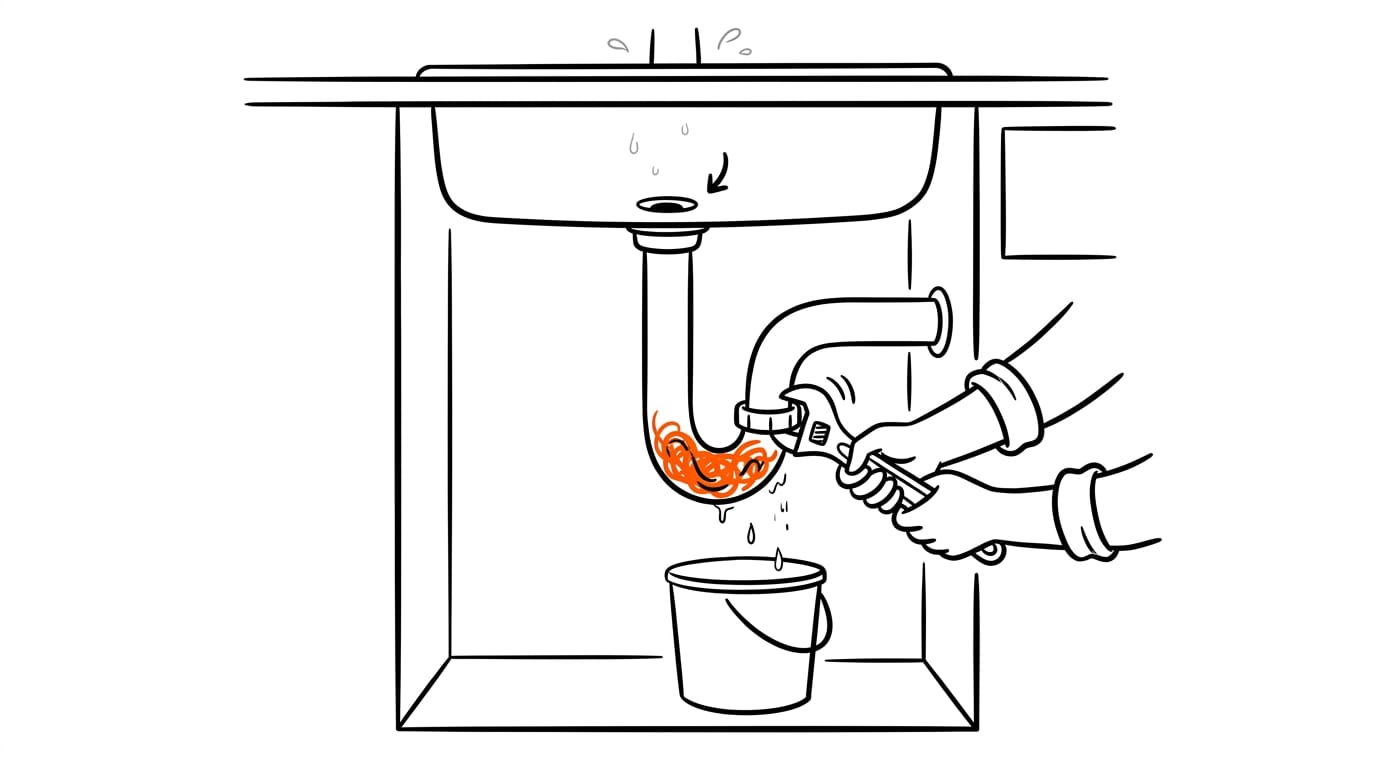
- P Trap Cleaning: How to Clear a Slow DrainP-trap cleaning can clear a stubborn sink clog without harsh chemicals. Follow the removal steps and leak-test the pipe before you walk away.
Stain Finder: a free stain removal guide
Find your stain