How to Tell the Difference Between Ceramic and Porcelain Tile
How to tell the difference between ceramic and porcelain tile: Compare a sample or installed floor, then choose the better fit for your bathroom.

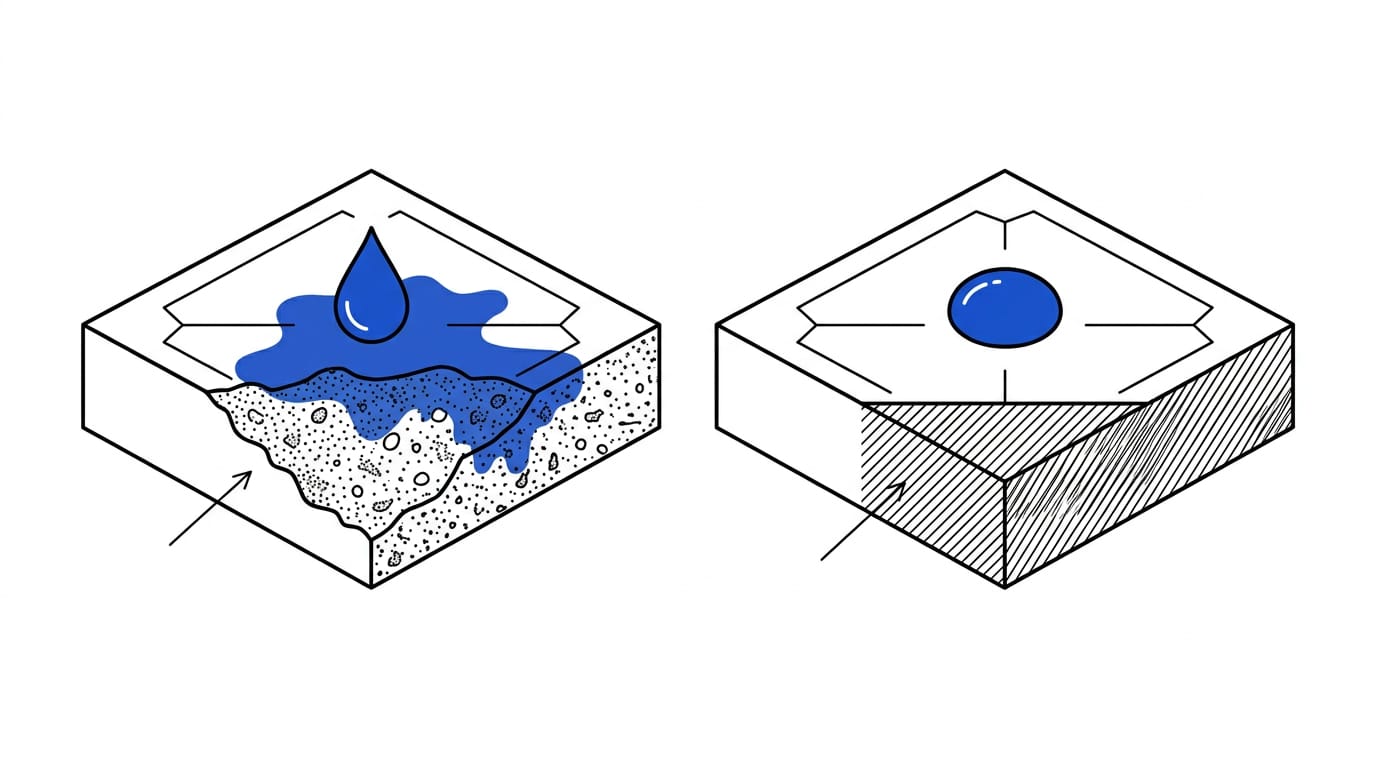
Ceramic and porcelain tiles are both kiln-fired clay, but porcelain is made from denser clay and fired hotter and longer, making it less porous and harder to chip. Check a chipped edge for a uniform body, then compare the product label and specifications; choose porcelain for wet areas, heavy traffic, or outdoor use, and ceramic for lighter-use or decorative areas when budget matters. The best choice depends on the room, finish, installation needs, and cost over time.
Ever held two tile samples that look almost identical and wondered which one you’re holding? You’re not alone. Ceramic and porcelain are easy to mix up on a shelf, and the wrong pick for a bathroom can be a costly mistake.
The short answer: porcelain is a close cousin of ceramic, but the two differ in composition, performance, and cost.
We’ll show you hands-on ways to tell which one you’ve got, whether it’s a boxed sample or a floor already laid, and which suits your bathroom best.
How Ceramic and Porcelain Tile Are Made
Both tiles start as clay and harden in a kiln, but the recipe and the heat differ. Those choices shape how each tile performs.
How the clay and kiln firing differ
Ceramic tile is clay that’s shaped and fired in a kiln, which is a very hot oven. Porcelain is a ceramic subtype, so it’s also kiln-fired clay, but it’s made from more refined, denser clay and fired hotter and longer. Same family, different treatment.
How do I know if my tile is porcelain?
The clearest test is water absorption, which measures how much water a fired tile soaks up.
A review of porcelain tile research cites the International Organization for Standardization (ISO) 10545-3 testing standard, which says porcelain should absorb less than 0.5%.
Here’s how the figures compare:
- Porcelain: 0.5% or less
- Ceramic: 3 to 7%
Ceramic is softer and more porous, as a review of porcelain stoneware notes. Porcelain feels dense and stone-like, so a spill has far less room to soak in.
At home, a chipped edge is the quickest clue. Look at the exposed body: porcelain tends to be the same colour all the way through, while ceramic often shows a different body colour under its glaze.
Think of a tenant who chips a bathroom floor tile while moving a bin. A quick look at that edge tells them which type they’ve got, so the replacement matches on the first shop trip, not the second.
How glaze changes color and durability
A glaze is a coating fired onto the surface, and it’s what adds colour and patterns. Glaze changes how a tile looks, while the body underneath decides how it holds up. Full-body porcelain, where the colour runs through the whole tile, resists chipping.
Unglazed ceramic is less waterproof, so spills can soak in.
Durability and Everyday Wear
Porcelain and ceramic handle wear, water, cold, and heat differently, so the room matters as much as the material. Check these points against where the tile is going before you buy.
How well each resists chips and wear
Porcelain resists chips and cracks better than ceramic, which is softer and chips faster when something heavy lands on it.
Wear is rated with the PEI rating (a standard 0 to 5 scale for how well the glaze holds up to foot traffic), and the box number shows where a tile belongs:
- PEI 4 to 5: suited to heavy traffic, such as entryways and kitchens.
- PEI 0 to 3: better for walls and light-use rooms.
Think of a family with two kids and a dog crossing the hallway all day. A PEI 4 or 5 floor holds up better under that daily traffic, while a softer ceramic is more likely to show chips near the back door.
Standing up to water and humidity
Porcelain is nearly waterproof, so it’s a safe pick for showers and wet bathroom floors. Ceramic relies on an intact glaze to block moisture. Once that glaze is scratched or cracked, water can soak in and cause stains or swelling in damp areas.
Small cracks are where the trouble starts. Sealant helps ceramic resist moisture, but it’s a maintenance step, not a repair. With ceramic, the glaze does the protecting, not the body of the tile.
Using tile outside through winter
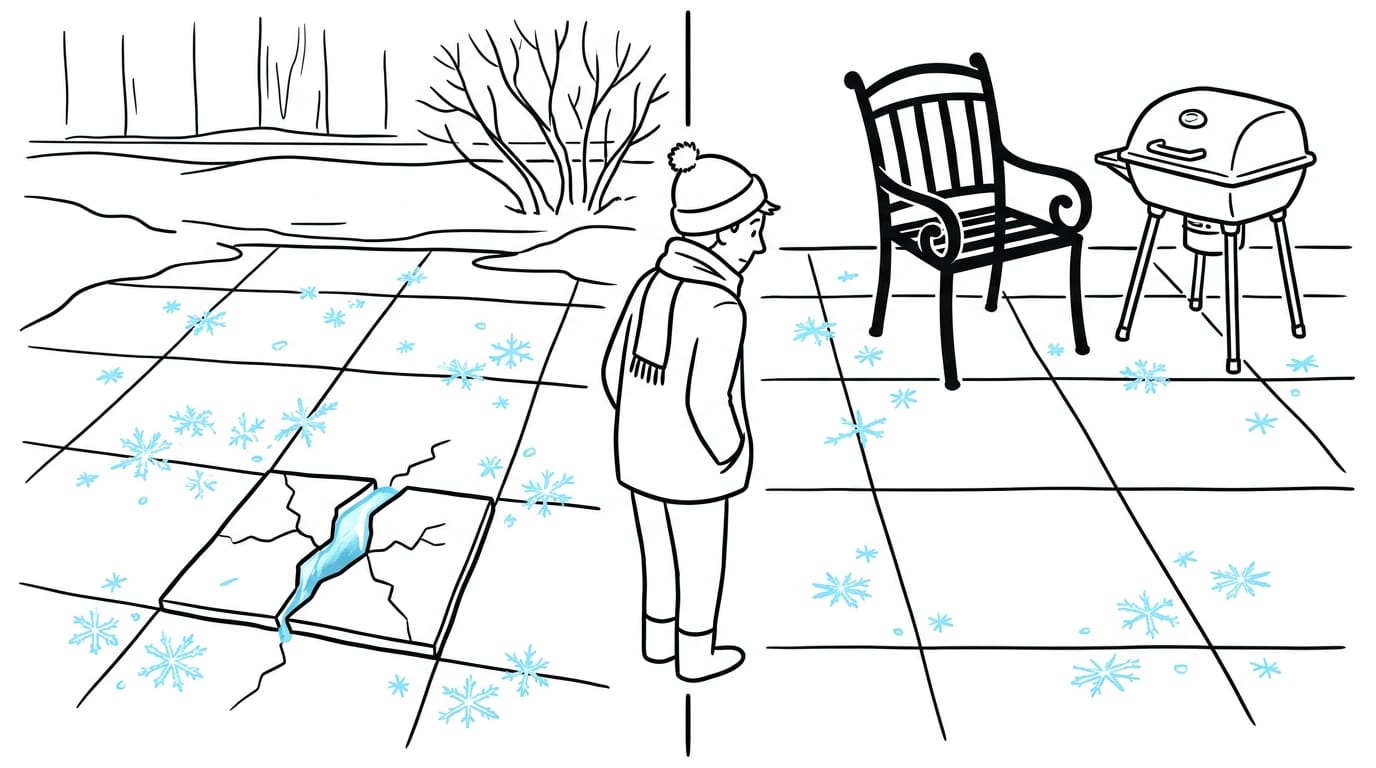
Porcelain is the safer choice for patios and other outdoor floors. Ceramic carries a freeze-crack risk: water that soaks into the tile and then freezes can split it. Pool decks and other unheated spaces are where this matters most.
Consider a host planning a tiled patio for summer barbecues. Porcelain handles the winter frost, while ceramic could split after the first hard freeze, so the patio won’t need replacing come spring.
How heat and radiant floors affect tile
Radiant floor heating, which warms the floor from underneath, depends on the specific product, so check the manufacturer’s guidance before you install.
Heat limits are listed in each product’s specs, so read them instead of assuming both types behave the same. How warm a floor feels underfoot depends on the tile and the heating system working together.
Thinset, the cement-based adhesive that bonds tile to the floor, needs time to cure. Let it set fully before you switch the heat on, and follow the cure time printed on the bag.
Picture a homeowner laying a heated bathroom floor on a weekend. Reading the specs and waiting out the cure means the floor is ready to warm up, not ripped up for a redo.
Why finish matters most for grip
It’s the finish that decides grip, not the material. Look for the DCOF rating (dynamic coefficient of friction, a measure of how much grip a surface offers when wet), and compare the listed figure with the minimum your room calls for.
Matte finishes and mosaic tiles grip better than polished ones. Wet tiles are slippery, and glossy surfaces are the worst offenders.
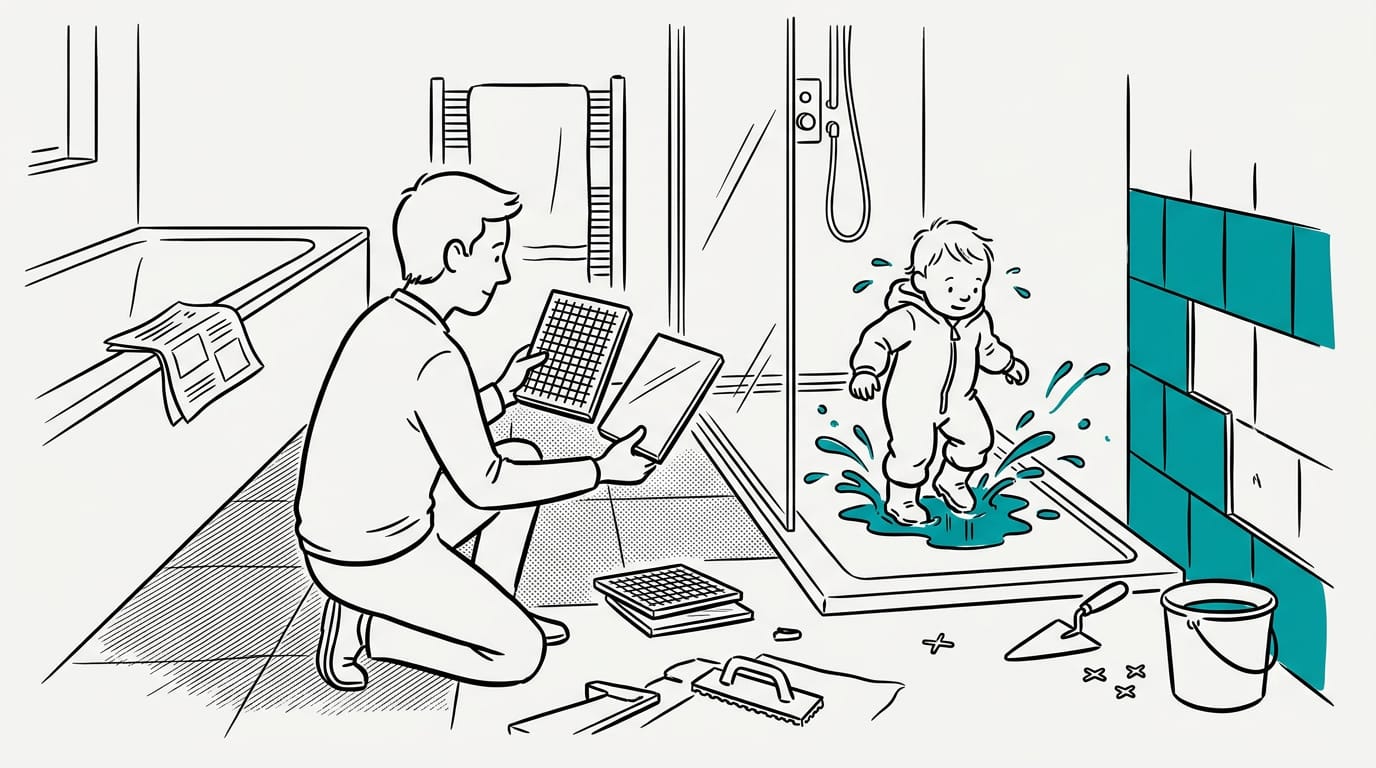
Think of a parent who mops the bathroom floor after bath time. A matte mosaic keeps little feet steadier than a glossy tile would, which means fewer slips and bumps.
Looks and Design Options Compared
Ceramic and porcelain look so alike that style is often where people start. Here’s how their design options stack up.
Why they look almost identical
Both are fired clay, and once a glaze and a printed pattern are applied, the two are hard to tell apart by eye. They look alike, but they perform differently. That difference shows up in use, not on the shelf.
How each copies wood and stone
Porcelain is often the go-to for realistic copies, and printed designs can mimic wood and stone with impressive detail. Marble-look porcelain shows the veining of natural stone, giving a bathroom a polished feel without the slab.
Wood-look tiles are a popular way to bring timber warmth into a bathroom. Ceramic can imitate wood and stone too, so a convincing look alone won’t tell you which tile you’re holding.
Color, pattern and finish options
Color and finish give you the most room to play:
- Glazed ceramic: comes in vibrant patterns for a bold look.
- Solid-color ceramic: is common and keeps things simple.
- Porcelain: comes in matte, polished, and textured finishes.
- Ceramic accents: are a good fit for a splash of color.
Consider a parent refreshing a family bathroom who wants a bright glazed pattern behind the sink without tiling every wall. A ceramic accent strip adds personality, and the rest of the room can stay neutral.
Which Rooms Each Tile Suits Best
Every room asks something different of a tile. It’s less about the name on the box and more about where the tile will live.
What tiles should not be used in a shower?
For a bathroom floor, porcelain is the usual recommendation, and it’s the stronger pick for shower surrounds too. Ceramic still works in a guest bath that sees only occasional use.
Consider a host who keeps ceramic in the guest bath while the family shower gets porcelain.
The tiles to avoid are any not labeled for wet areas or built for constant water. For shower walls, a glazed ceramic rated for wet areas is the sensible choice. Read the label first.
Kitchens and backsplash walls
Near the sink and stove, porcelain earns its place, since hot pans and splashes land there daily. Ceramic is fine everywhere else, and it offers more backsplash options.
Take a home cook who fries eggs each morning: porcelain behind the stove handles the spatters, while a ceramic backsplash by the fridge adds the style. Pick the spot first, then the tile.
Busy spots like entries and hallways
Entries and hallways see steady foot traffic, so porcelain is the usual pick there and in mudrooms. Commercial spaces favor it for the same reason, while ceramic suits lighter traffic, like a quiet upstairs hall.
It’s how often people walk across a floor that settles the choice, not how pretty it looks. A parent with two kids and a week of muddy football boots needs a mudroom floor that can take the daily wear, so the floor keeps working through the school run.

Patios, basements and laundry rooms
Outdoors, porcelain suits patios and garden paths, where weather and foot traffic matter most. Basements need more thought, because damp slabs make the choice trickier. Check the moisture before you pick a tile.
Laundry rooms see water from the machine and the odd spilled detergent, so choose a tile that handles frequent mopping. Think of a renter with a damp basement corner who checks before buying, so the new floor doesn’t become a costly redo.
Bedrooms, living rooms and accent walls
Bedrooms and home offices see light traffic, so ceramic lets you choose on looks first. An accent wall is a low-stakes way to try a bold tile, since nothing gets walked on or splashed.
Picture a student with a statement wall behind the bed: ceramic adds personality without the wear a floor takes. Sunrooms and living rooms are a mix of style and traffic, so weigh both before you decide.
Cost and Value over Time
Cost is usually the first question people ask, and it’s where ceramic and porcelain split most clearly. Here’s how the price tag, installation, and long-term value stack up.
What the tile itself costs
Ceramic is the cheaper option per square foot, which makes it the budget-friendly pick for large quantities. Porcelain runs 50-60% pricier, so covering a whole floor with it adds up fast.
Prices shift with size, finish, and brand, so compare the per-square-foot figure on each box before you buy.
Consider a homeowner refitting an entire basement on a tight budget. Choosing ceramic keeps the tile bill manageable, and the money saved can go toward the rest of the room.
How install labor costs compare
Installation can shift the bill again. Porcelain needs specialized tools to cut and set, and professionals charge higher labor rates for it, so a porcelain quote usually comes in above a ceramic one.
Ceramic installs faster and more cheaply, which makes it the easier call on a tight timeline.
Think of a landlord refitting a rental bathroom between tenants. Ceramic goes in faster, so the unit is back on the market sooner and the labor bill stays lower.
Whether the higher price pays off
Here’s where the trade-off flips. Porcelain lasts decades, so it generally means fewer repairs and fewer full replacements over the years. That longevity can offset the higher upfront cost.
Picture a family with young kids and a busy shower: a floor that holds up for decades means fewer weekends lost to repairs. You pay more up front, but you may spend less over the years. Value is measured in years, not receipts.
Picking the Right Tile for You
Before you fall for a pretty sample, ask where the tile is going and who’ll walk on it. That answer narrows porcelain and ceramic faster than any label.
What to weigh before you buy
- Match tile to room. A bathroom floor, a kitchen splashback, and a hallway each ask different things of a tile.
- Consider traffic and moisture. Muddy boots and a steamy shower wear a surface down faster than a rarely used guest loo.
- Weigh budget and DIY ability. Decide what you can spend and whether you’ll lay it yourself or hire a tiler, since labour changes the total.
- No universal winner. Neither material wins in every room. The right answer depends on the room, not the label.
Check the packaging and spec sheet (the manufacturer’s technical data sheet) for the material name. If it’s listed, the PEI (Porcelain Enamel Institute) rating shows how well the glaze resists scuffing. Higher ratings suit busier floors.
Think of a parent refitting a family bathroom with a busy shower and a toddler who splashes everywhere. Porcelain on the floor handles the daily wear, while a ceramic feature wall keeps the budget in check. Two tiles, one plan.
Quick picks for porcelain or ceramic
Here’s the short version:
- Porcelain: heavy use and wet areas, such as entryways, showers, and busy kitchen floors.
- Ceramic: tight budgets and decorative spots, like a splashback or an accent wall.
- Consult design professionals: when you’re torn or the job is big, a tiler or showroom specialist can check your room before you commit.
A quick chat now beats a re-tile later.
Installing Tile for DIY Projects
Before you pick up a trowel, know how each tile behaves on the job, because ceramic and porcelain ask for different tools and different levels of care.
Cutting tile and handling its weight
Ceramic is the easier tile to cut, and basic tools will do the job. Porcelain is the tougher one. It needs a wet saw, a cutter that uses water to cool the blade, plus a diamond blade to get through its dense body.
Porcelain is also heavy and less forgiving, so a rushed cut or a dropped piece can cost you a whole tile. Go slow.
When to DIY and when to hire
Ceramic suits your first DIY projects. It’s lighter and more forgiving, so it’s a good place to build confidence.
Think of a first-time renter practicing on a small kitchen splashback before tackling the whole room, so a wonky cut ruins one tile instead of the floor.
Porcelain often needs pros, because its weight and equipment make it a tougher job to take on alone.
Bathrooms are where we’d suggest hiring help. Wet areas leave little room for error, and a mistake is hard to undo once the grout is set.
Consider a homeowner who tiles the hallway themselves, then books an installer for the shower so it’s done right the first time.
Other install details to check first
Before you start, check these three things:
- Rectified tile and grout width. Rectified tile has edges ground to an exact size, so it can sit with thinner grout lines. Settle your grout width before you buy.
- Tiling over existing tile. Make sure the old tile is firmly bonded and flat before you lay anything on top.
- Subfloor flatness. Any dip or hump underneath shows up in the finished floor, so check it with a straightedge first.
Check now, not after the grout is in.
Keeping Tile Clean and Grout Healthy
Good tile is forgiving, but a steady routine and the right cleaner keep it looking fresh. Here’s how to handle the floors first, then the grout that holds everything together.
Can you use Swiffer wet on porcelain tile?
Yes, you can, and it’s a handy option for busy households. Ceramic and porcelain are both easy to clean, so the routine is the same for each: sweep or vacuum loose grit first, then mop.
Think of a parent wiping up muddy footprints from the hallway before school pickup. A Swiffer wet pad does the job in minutes, and nobody has to get down on their knees.
Stick to a few simple rules. Avoid abrasive cleaners on ceramic, since they can dull the glaze. Porcelain is slightly lower maintenance, but it still appreciates gentle care.
Use a pH-neutral cleaner, one that’s neither acidic nor alkaline, so it’s kind to the glaze. Keep the pad damp rather than dripping, and let the floor dry without leaving puddles behind.
Sealing grout and scrubbing mould away
Tiles themselves need no sealing, so you can skip that job entirely. Grout is different. It’s the filler between the tiles, and it benefits from a sealer. Grout maintenance matters, because the lines are where dirt collects and mould tends to appear.
Picture a renter who spots dark specks along the shower lines. A quick scrub with a stiff brush and a gentle cleaner lifts the marks before they spread, and the whole bathroom looks cared for. Catch it early.
Telling ceramic from porcelain comes down to knowing what to look for and what matters in your room. Weigh composition, performance, cost, and where the tile will live, then match the cleaning routine to both the tile and its grout.
Get those right and the choice stops feeling like a guess. A tile that suits its room is one you’ll still be happy with years from now.
References
- Comparison between Mullite-Based and Anorthite-Based Porcelain Tiles: A Review — doi.org (2023)
- Relation between the microstructure and technological properties of porcelain stoneware. A review ; Relación entre la microestructura y las propiedades tecnológicas en gres porcelánico. Revisión bibliográfica — pdfs.semanticscholar.org
Questions
Which type of tile is better, ceramic or porcelain?
Porcelain is generally better for heavy use and wet areas because it is denser, absorbs less water, and resists chips and cracks better. Ceramic is usually less expensive and suits decorative areas or lighter use, so the best choice depends on the room and your budget.
What are ceramic tiles?
Ceramic tiles are clay tiles shaped and fired in a kiln. They are typically softer and more porous than porcelain, and often use a fired glaze for color and surface protection.
How do I know if my tile is porcelain?
Check the product label or technical data sheet for the material. A chipped edge can also help: porcelain is often the same color throughout, while ceramic may show a different-colored body beneath its glaze. Porcelain absorbs 0.5% or less water in standardized testing.
What tiles should not be used in a shower?
Avoid tiles that are not rated for wet areas or constant water. Polished, glossy tiles are also a poor choice for shower floors because they can be slippery when wet; choose a surface with suitable wet-area and slip-resistance ratings.
Can you use Swiffer wet on porcelain tile?
Yes. A Swiffer Wet pad can be used on porcelain tile. Sweep or vacuum grit first, keep the pad damp rather than dripping, and avoid leaving puddles; a pH-neutral cleaner is a gentle option.
What tiles to avoid in a shower?
Avoid tiles not designed for wet areas or constant water, as well as slippery polished finishes on shower floors. For shower walls, glazed ceramic rated for wet areas can work; porcelain is a strong choice for shower floors and surrounds.
Sources
More in Bathroom
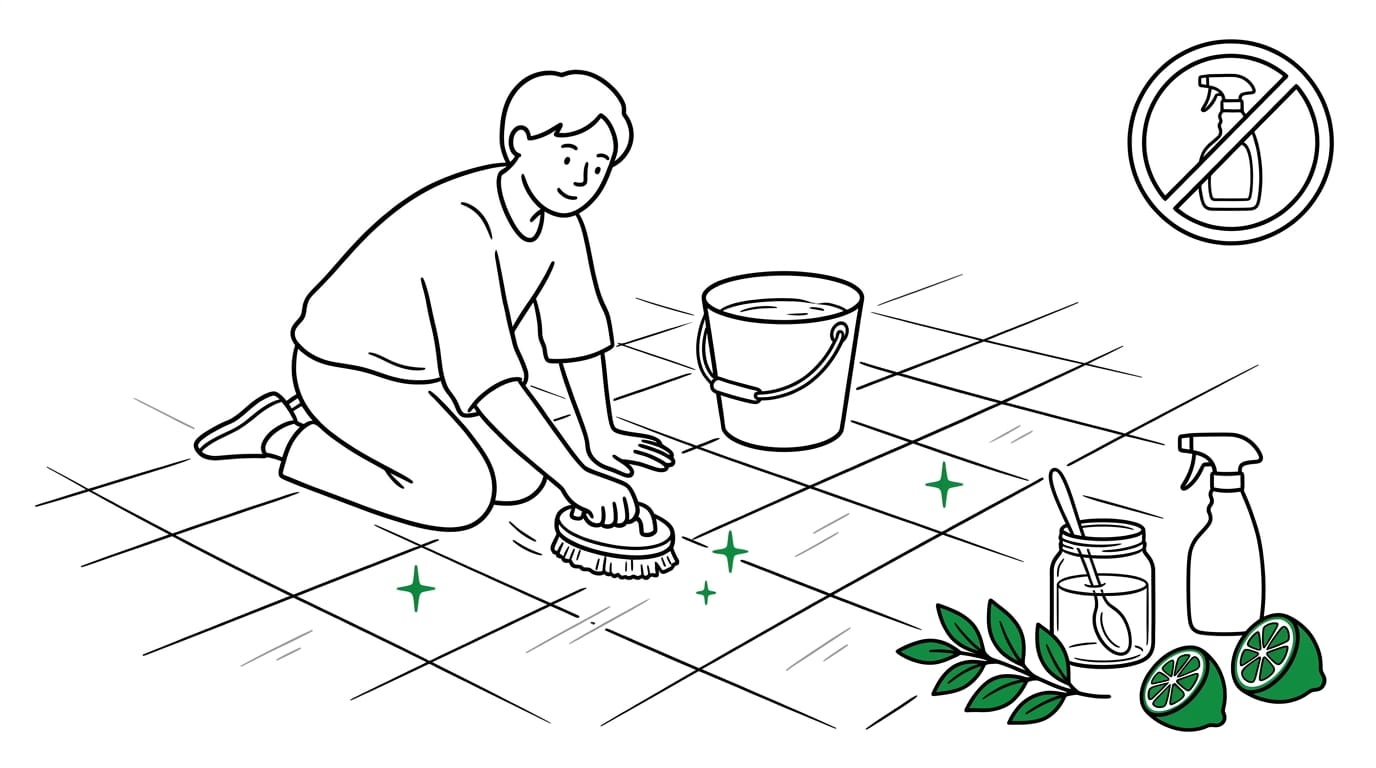
- How to Clean Ceramic Tile Floors Without Harsh ChemicalsHow to clean ceramic tile floors: start dry, then mop; use cupboard staples to tackle stains, scuffs, and grout with a stain-first method.
- How to Remove Paint from Tile: A Complete GuideHow to remove paint from tile depends on whether it’s wet, dry, water-based, or oil-based. Use cupboard staples to lift paint from tile and grout safely.
- How to Remove Limescale from Shower Head, Step by StepHow to remove limescale from shower head: use a vinegar soak and gentle scrub, with steps for fixed or detachable heads, plus safe cleaner choices.
Stain Finder: a free stain removal guide
Find your stain