How to Clean Ceramic Tile Floors Without Harsh Chemicals
How to clean ceramic tile floors: start dry, then mop; use cupboard staples to tackle stains, scuffs, and grout with a stain-first method.

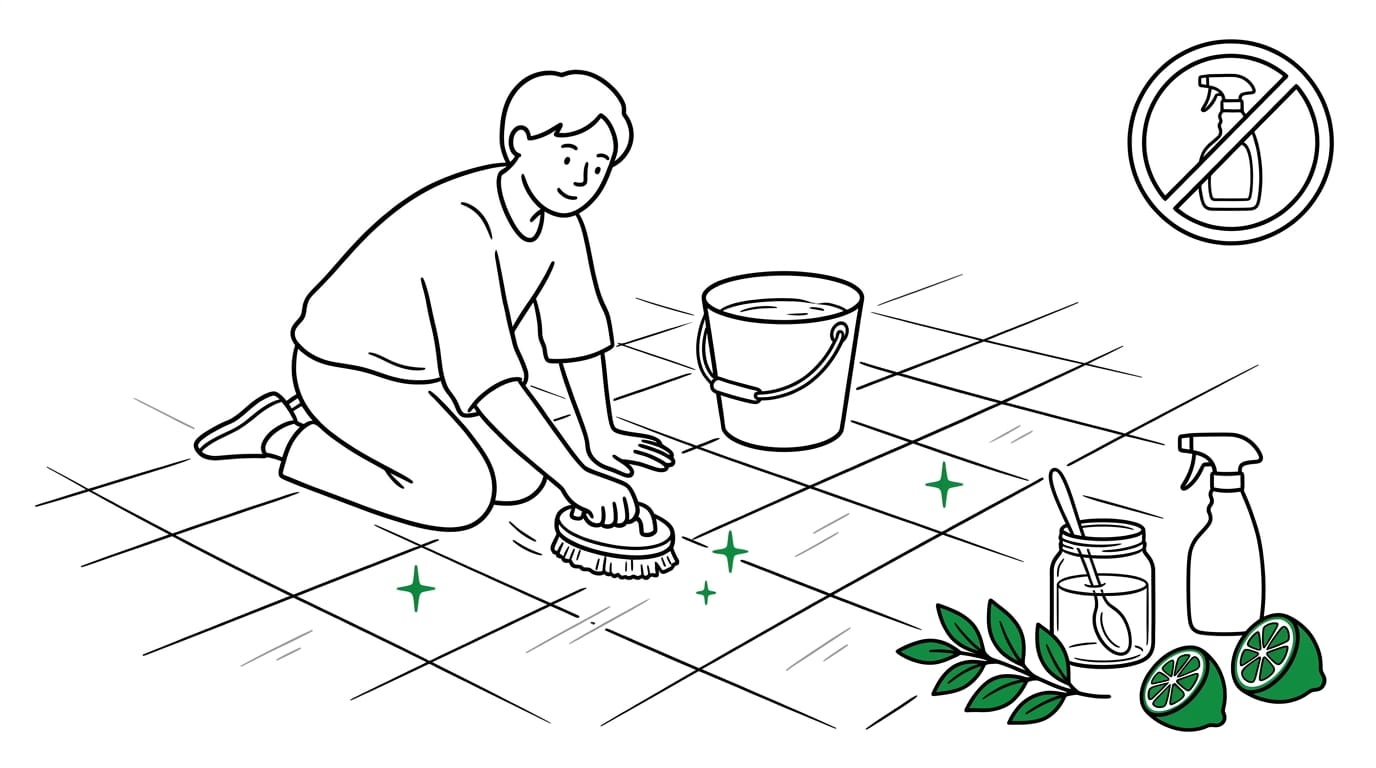
Cleaning ceramic tile floors means removing loose dirt, mopping the surface, and treating marks and grout with methods suited to each type of mess. Sweep or vacuum first, use a mild cleaner in a damp mop, change dirty water, and dry the floor; for stains, scuffs, or grout, start gently and test stronger treatments in a hidden spot. Regular mopping and wiping spills promptly keep floors cleaner with less scrubbing, while careful drying and safe cleaner use help protect people and tile.
Picture a busy Saturday: muddy footprints across the kitchen floor, a dropped yogurt drying by the fridge, and tiles that just look tired. Cleaning ceramic tile is a lot like tidying a crowded hallway.
Clear away the loose clutter first, then deal with what’s actually stuck.
This guide covers everything you need to clean ceramic tile floors, from routine mopping and grout to stubborn stains, scuffs, and buildup on porcelain and textured tile.
For each mark, we’ll show you a stain-first method using what’s already in your cupboard, so you can get back to your day.
How to Clean Ceramic Tile Floors, Dry First
Before the mop comes out, get the floor dry. Clearing loose debris first makes every wet step that follows quicker and easier.
Sweep and vacuum with a soft attachment
Start by sweeping away loose dirt so it doesn’t get smeared around once water goes down. Think of a parent who sweeps the hallway after the school run, gathering crumbs and grit in one pass before a wet mop spreads them around.
Then go over the floor with a vacuum fitted with a soft attachment. A soft brush head protects the glaze and keeps grit from grinding into the grout. Sweep first, not last. Less grit means less damage.
Gather supplies and clear the floor
Keep your supplies near the door, so you aren’t hunting for the mop halfway through. You’ll need:
- Broom
- Mop
- Bucket
- Sponge
Pick up large items first. Before you sweep, lift away anything bulky, like shoes, bags, and toys.
Consider a flatmate with a hallway full of trainers and a gym bag: clearing them first means the broom reaches the skirting instead of pushing things around.
Keep dirt from tracking indoors
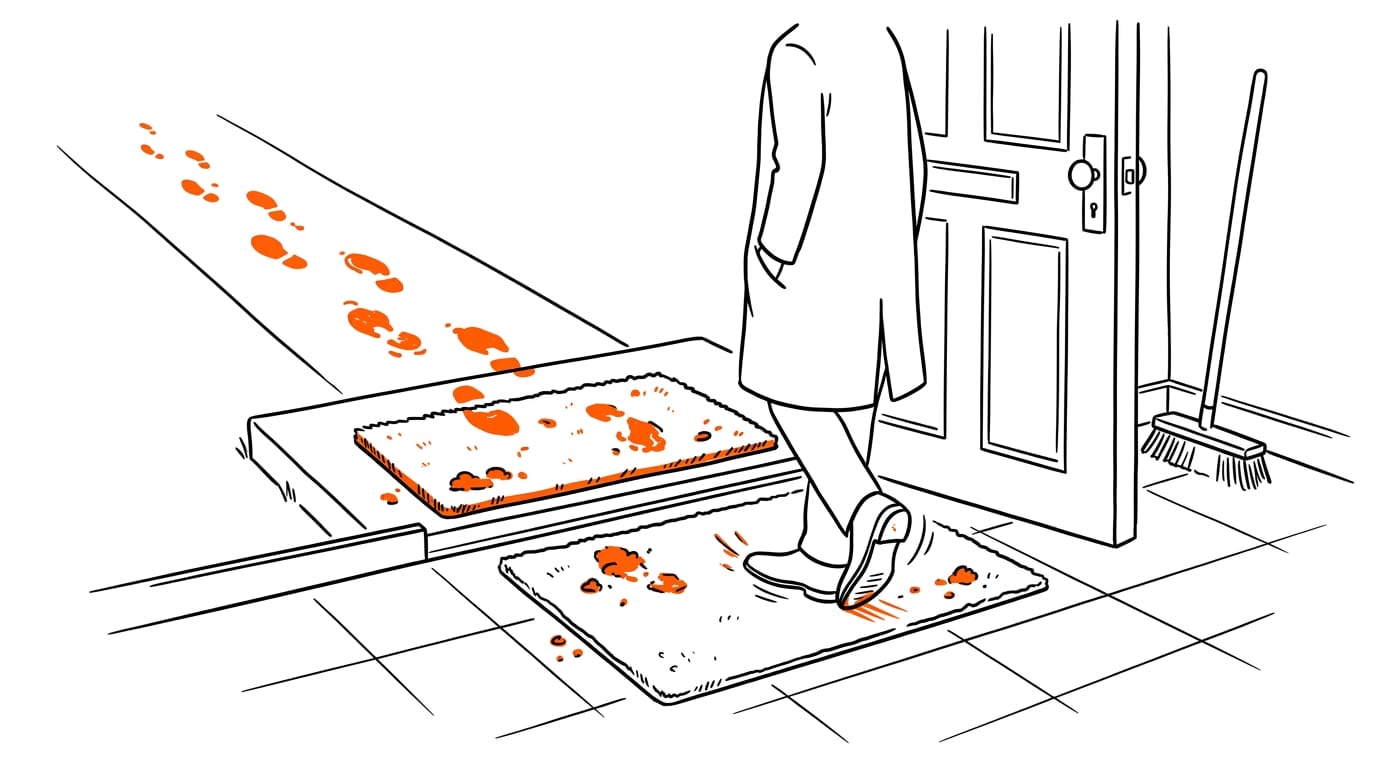
The easiest dirt to clean is the dirt that never makes it inside. Place a doormat outside the entrance and another just inside, so shoes are scraped twice before they reach the tiles.
Ask everyone to wipe their feet at the entryway, even if it’s only a quick scrape. Fewer footprints mean less sweeping.
Mopping Ceramic Tile Step by Step
Good ceramic tile cleaning comes down to three simple choices: the cleaner, the way you move the mop, and how you finish. The method works for standard ceramic, indoor porcelain, and rough textured tile alike.
What cleaner works best on ceramic tile?
If you’re asking what professionals use on tile, the short answer is a mild, everyday cleaner, not anything harsh. You have two solid choices:
- Mild dish detergent in hot water. This is the cupboard option you likely already own.
- A branded multi-surface liquid. Pick this if you’d rather buy something made for floors.
Mix a quarter cup of cleaner per half bucket of water. Measured beats strong here, since that amount is plenty for everyday grime. Before you tackle the whole room, run a test on a hidden spot, like the corner under a cupboard.
If it looks fine once dry, you’re good to go.
Mopping in figure eights with string mops
Work in a figure-eight motion, looping the mop across the floor instead of dragging it in straight lines. Use a string mop or strip mop, and leave the sponge mop in the cupboard.
Change the bucket water as soon as it turns grey, because dirty water just spreads grime back across the floor.
On rough textured tile, slow down and work the cleaner into the grooves with that same figure-eight motion, rather than skating over the top.
Rinse rarely, then dry to avoid slips
Rinsing is usually unnecessary once you’ve mopped with a properly mixed solution. Wet tile is slippery, so a dry floor matters more than a rinsed one. Dry it with a clean towel or let it air-dry, and keep everyone off until it’s done. If your home also has hardwood floors, they need a gentler approach to water than tile does.
Mop weekly and wipe spills right away
Mop your tile floors once a week, and deal with spills the moment they happen. Think of a parent with two kids and a muddy back door.
Wiping up the mud as it lands means the grit never gets walked across the kitchen, so the weekly mop has far less to lift. Speed matters most.
Indoor porcelain follows the same routine: the same mild mix, the same figure-eight pass, and the same dry finish. You don’t need a separate method, just a little consistency. If you are not sure whether your floor is porcelain or ceramic, learn how to tell the difference between ceramic and porcelain tile.
Removing Stubborn Stains, Scuffs and Buildup
A quick mop won’t shift everything. Here’s how to handle grime, scuffs, and the marks that need more than a routine clean. Dried paint on tile is one of those marks that needs more than a routine clean.
Tackle buildup and scuffs with undiluted cleaner
Buildup that’s been sitting for weeks won’t lift with a light wipe. Apply undiluted cleaner straight onto the soiled area, then wipe and rinse. The goal is to remove the grime, not smear it around the tile.
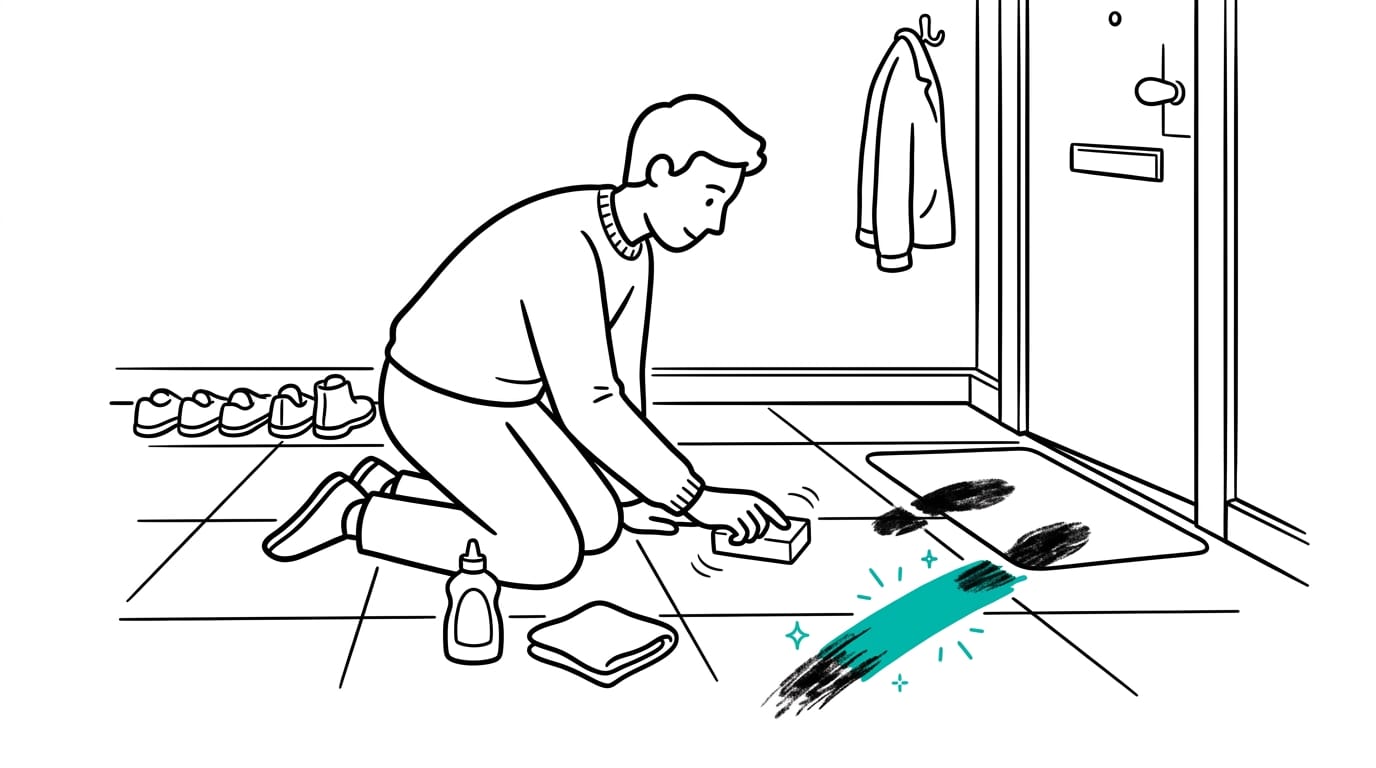
Scuffs from shoes or furniture call for a different tool. Think of a tenant who spots black marks by the front door after months of shoes coming and going.
A magic eraser lifts them in a few passes, so the hallway looks fresh again without harsh scrubbing.
Shower tiles respond to the same method. To clean your shower tiles, apply undiluted cleaner to the soap scum and grime, then wipe and rinse.
When stains need stronger treatment
Some stains won’t budge with cleaner alone. Two stronger options are worth knowing:
- Bleach for really stubborn stains that cleaner can’t shift.
- Steam cleaning as another option for stubborn marks on tile.
Match the treatment to the stain, not the other way around. Start with the gentlest option that could work, then step up only if you need to. Bleach on tiles is one stronger option to weigh once gentler choices fall short.
Patch-test before any stain treatment. Pick an inconspicuous spot, apply a small amount, and check how the tile responds. Consider a host who finds a stubborn mark on the bathroom floor an hour before guests arrive.
A quick patch-test on a hidden corner shows you how the tile reacts, so you can treat the mark with confidence and have the room ready on time. Test first, then treat.
Keeping Grout Clean and Stain Free
Grout is where dirt and spills settle, so it’s often the first part of the floor to look tired. We’ll show you how to clean it now, then protect it so you’re not back at it soon.
Scrub dirty grout with a stiff brush
Start with a stiff brush and hot water, working along the lines rather than across the tiles. For tougher grime, scrub in a vinegar and baking soda paste, then try a hydrogen peroxide solution on stubborn patches.
Let each cleaner sit so it can loosen the dirt; this dwell time does most of the work. Then rinse with clean water and dry the area. Residue can dull grout, so don’t skip the rinse.
Think of a parent whose kitchen grout has gone grey by the sink. A pass with a stiff brush and a paste lifts the grime using only what’s under the sink.
Stop grout stains before they start
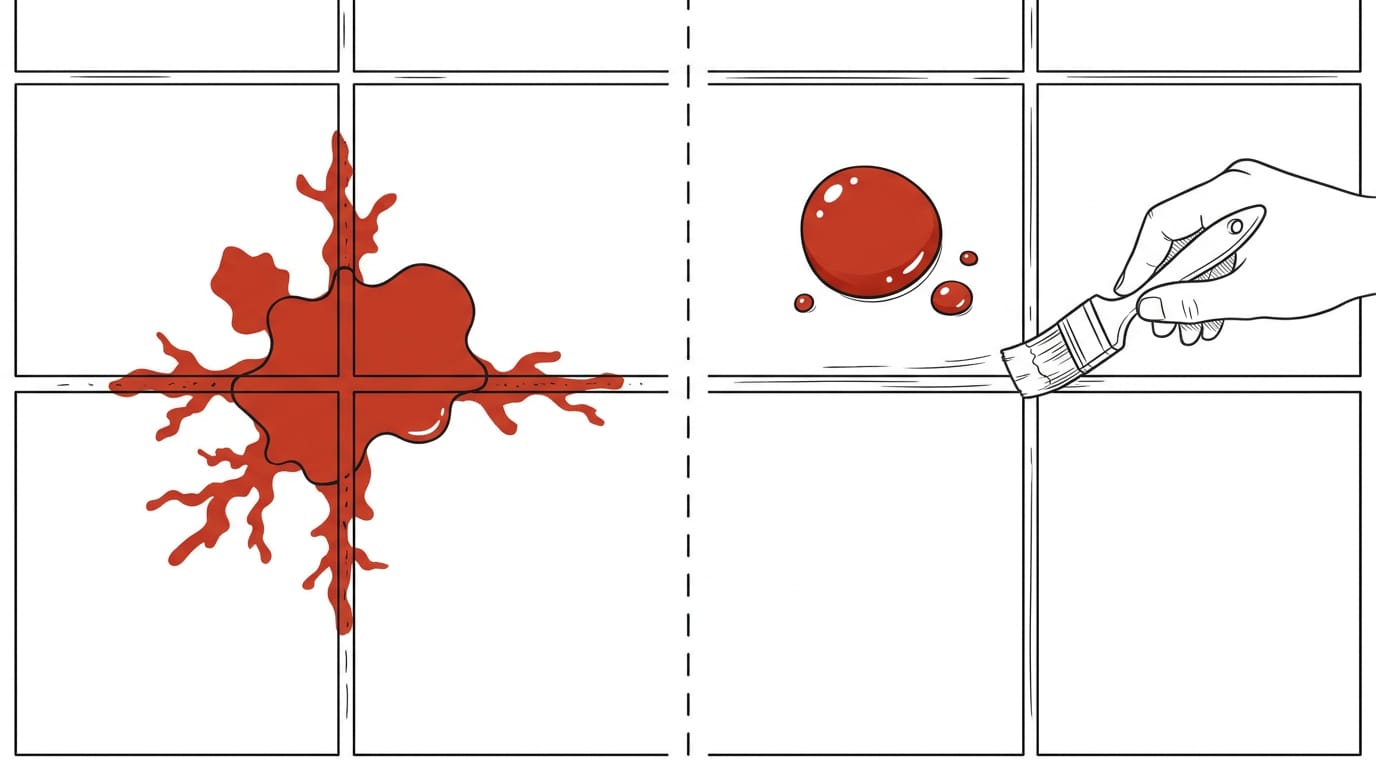
Protecting grout is less about scrubbing harder and more about sealing early.
- Seal grout after installation. A sealer gives spills less chance to soak in.
- Reseal once or twice yearly. Foot traffic wears sealer down, so set a reminder.
- Choose darker grout. Dark shades hide everyday dirt far better than white, which shows every mark.
- Spray vinegar-water solution regularly. A light mist during routine mopping stops grime from building up.
A common worry is whether vinegar damages tile or grout. Diluted vinegar is a gentle choice for most glazed tile, so it’s part of this routine. Its acidity can dull some natural stone, though, so test a hidden corner first and rinse well.
Staying Safe While Cleaning Tile
Tile looks tough, but wet floors and strong cleaners can cause trouble fast. Here’s how to keep yourself, your family, and your floor safe while you work.
Stay safe from slips and cleaner splashes
- Avoid slipping on wet tile. Wet tile gets slippery, so use a damp mop, not a soaking one. For example, a parent mopping the kitchen before dinner can work in sections toward the back door, so the part they’ve finished can dry before anyone walks across it. Wear shoes with grip rather than socks.
- Avoid eye contact with cleaner. Cleaners can sting skin and eyes, so wear rubber gloves and turn your face away when you pour or spray. If a splash reaches your eyes, rinse them with plenty of clean water, and get medical advice if the irritation doesn’t ease.
- Keep away from children. Think of a parent with a toddler who crawls straight onto a freshly mopped floor. Close the door or use a safety gate until the tile is dry, then put the bottle back on a high shelf, out of reach.
- Test cleaners to protect finish. Before you use a new cleaner across the whole floor, try it on a small, hidden patch, such as under a cupboard or beside the back door. Let it dry, then check for dullness, streaks, or a change in colour. Test a small patch, not the whole floor: the glaze, the shiny protective layer on the tile, can be damaged, and a quick check saves you from finding out after you’ve done the whole room.
Safety first, shine second.
Cleaning ceramic tile comes down to a simple order: sweep up the dry debris first, mop with care, then treat each stain, scuff, or grout line while it’s still fresh.
Work gently on textured and porcelain tile, and keep your safety steps in mind along the way.
A spotless floor isn’t about scrubbing harder. It’s about knowing which mark needs what, and acting before it sets. Treat your tiles that way, and most spills become a quick fix instead of a weekend project. Act fast, and your floors will thank you.
Questions
How to clean indoor porcelain tiles?
Sweep or vacuum first with a soft attachment to remove grit. Mop with a mild dish detergent or multi-surface cleaner mixed into hot water, using a figure-eight motion; dry the floor with a clean towel or let it air-dry.
How to clean rough surface floor tiles?
Sweep or vacuum first, then mop slowly with a mild cleaner mixed into water, working it into the tile’s grooves with a figure-eight motion. Use a string or strip mop, change the water when it turns grey, and let the floor dry before walking on it.
Is Dawn dish soap good for tile floors?
Yes. Mild dish soap diluted in hot water is a suitable everyday cleaner for tile floors; use a measured amount and test it in a hidden spot first. Avoid using too much, since excess cleaner can leave residue.
Can you use Mr. Clean Magic Eraser on ceramic tile?
Yes. A Magic Eraser can lift scuff marks from ceramic tile in a few passes. Test it on a hidden spot first, especially on glossy or delicate finishes, and avoid scrubbing grout or the tile aggressively.
What do professionals use to clean tiles?
Professionals commonly use a mild everyday cleaner, such as diluted dish detergent or a branded multi-surface floor cleaner. They sweep or vacuum first, mop with clean solution, and change the water when it becomes dirty.
Can you clean ceramic tiles with vinegar?
Diluted vinegar is suitable for most glazed ceramic tile, but test a hidden spot first and rinse well. Do not use vinegar on natural stone, which its acidity can dull.
Does white porcelain tile stain?
White porcelain tile is generally resistant to staining, but dirt or spills can still mark its surface, especially if they are left to sit. Wipe spills promptly and use a mild cleaner for routine care.
Can you use Dawn dish soap on porcelain tile?
Yes. Diluted Dawn or another mild dish detergent can be used to clean porcelain tile. Use a modest amount in hot water, test it on a hidden area first, and dry the floor after mopping.
More in Bathroom
- How to Tell the Difference Between Ceramic and Porcelain TileHow to tell the difference between ceramic and porcelain tile: Compare a sample or installed floor, then choose the better fit for your bathroom.
- Tile and Grout Cleaning Explained: Methods and CostsTile and grout cleaning tackles murky grout without dulling tile glaze. Compare DIY steps with professional options and typical UK costs before you start.
- Tile Cleaning with Baking Soda: A Complete GuideTile cleaning with baking soda can lift grimy grout with a simple paste. Find recipes, wait times, tile-safe tips, and a stain-first method for shower grout.
Stain Finder: a free stain removal guide
Find your stain