Cleaning Codes for Upholstery: A Complete Guide
Cleaning code S tells you which upholstery cleaners are safe. Find the tag, understand solvent-only care, and choose a method when the code is missing.
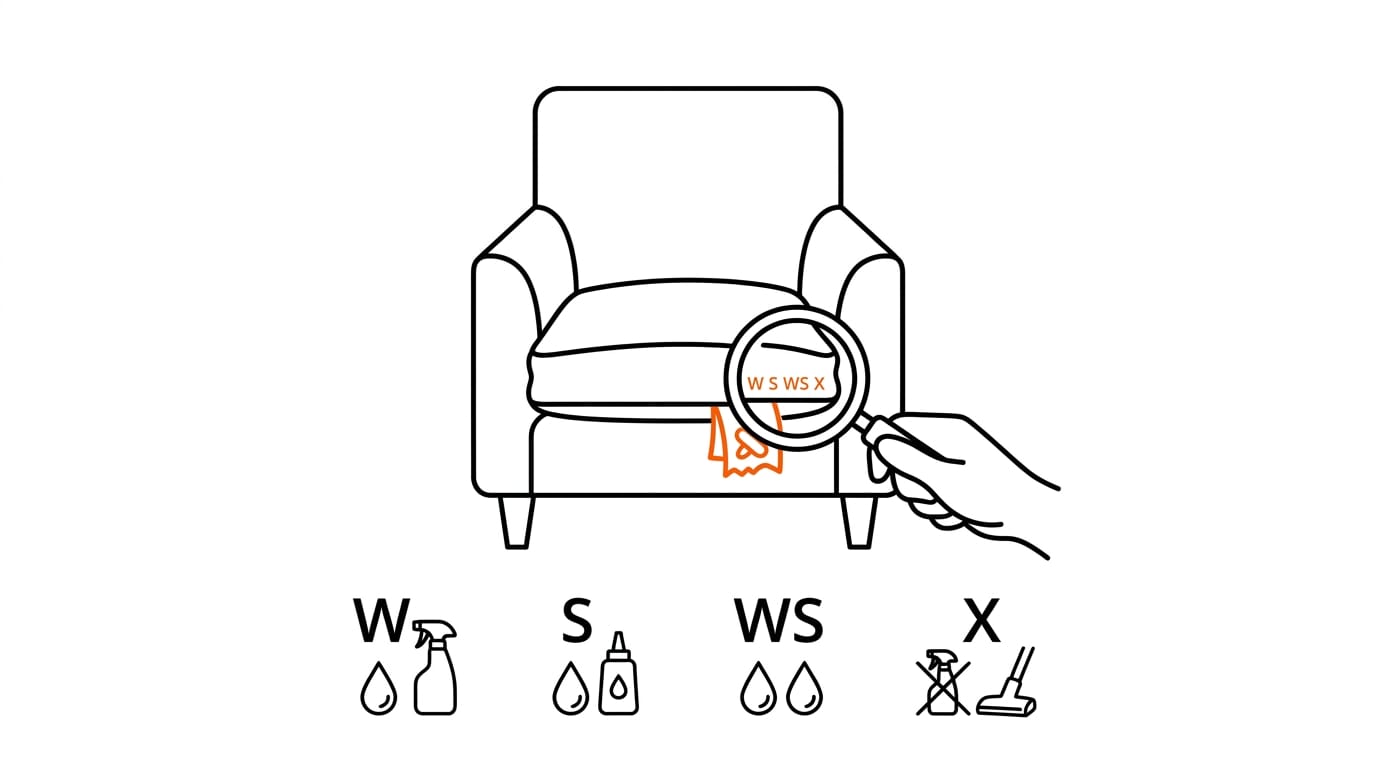
A cleaning code is a letter on upholstered furniture that tells you which cleaning methods the manufacturer allows. W permits water-based cleaners, S requires solvent, WS allows either, X permits only vacuuming or light brushing, and D calls for dry cleaning; check the tag, match the method to the stain, and test a hidden spot before cleaning. Following the code, blotting instead of rubbing, and calling a professional when needed helps reduce the risk of damage.
Picture this: you’ve just knocked a mug of coffee onto the sofa cushion, phone already in hand as you hunt for a fix. Before you grab a spray, check the label.
Treating upholstery works the same way: the tag tells you what’s safe before you reach for anything. That tag holds the cleaning code, a short run of letters that signals which cleaning methods are safe for the fabric.
In this guide, we’ll cover what each letter means, where to find the tag, and what to do if it’s missing. We’ll also share the stain-first, right-method-first order that gets your sofa clean fast and first time.
Upholstery Cleaning Codes and Why They Matter
If your sofa has a cleaning code, it’s the first clue to safe cleaning. Here’s what it tells you and what it leaves out.
What the cleaning code tells you
The cleaning code is the manufacturer’s own instruction for that piece, saying which method the maker allows or whether it can be cleaned at all. Think of a tenant with red wine on a rented sofa.
Checking the code first means they skip the harsh spray under the sink and blot with the approved method instead of soaking the cushion.
Treat the code as a starting point, not a guarantee. Fibres respond differently to water and cleaning agents, so test any method on a hidden patch first, like the underside of a cushion.
Why the code doesn’t measure wear
Here’s the key distinction: the code tells you how to clean, not how long the fabric lasts. The double rub count measures wear instead, counting the back-and-forth rubs a fabric withstands before it shows wear.
The code also sits outside a federal rule. According to the Dry Cleaning and Laundry Institute International, upholstery isn’t covered under the Federal Trade Commission’s Care Label Rule.
That’s why wearability matters when you’re buying. A parent shopping for a family room sofa should check wear separately, because a fabric that cleans well can still wear through quickly. Cleanable isn’t the same as durable.
Labeling is voluntary, too. The same institute notes that labeling of furniture is strictly voluntary, so a missing code is something you’ll need to work around.
What Each Letter Code Actually Means
Every upholstery tag carries a letter code, and that letter decides which cleaner your sofa can safely handle. Check the tag before you reach for anything, because the wrong method can turn a small stain into a permanent mark.
Here’s the quick reference, and then we’ll go code by code:
| Code | Cleaning method |
|---|---|
| W | Water-based cleaner or foam |
| S | Solvent-based cleaner only |
| WS | Either method, chosen by stain type |
| X | Vacuum or light brushing only |
| D | Dry cleaners only |
Using water on W-coded upholstery
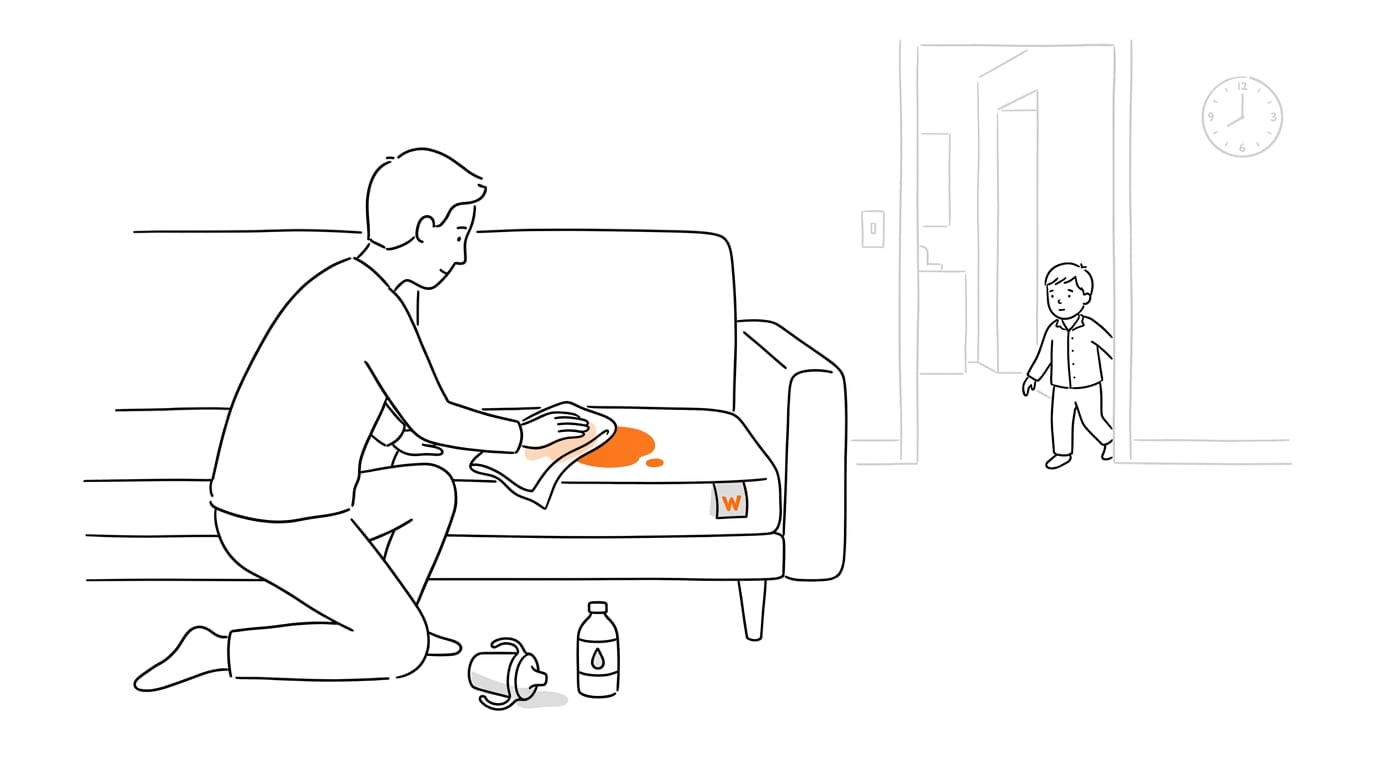
A W code is the most common and most forgiving tag. Use a water-based cleaner or foam, kept light. Distilled water on a plain white cloth is all you need, since the white shows what’s lifting.
Think of a parent who spots juice on a sofa cushion at bedtime. A damp cloth with a little water-based cleaner lifts it before it dries, saving the cover and a morning of scrubbing. Vacuum once it’s dry.
How do you clean S-coded upholstery?
An S code means solvent-based cleaner only, and water is off the table. Water causes rings, shrinking, and bleeding, so a harmless-looking splash can leave a bigger mark than the stain. Keep water away.
To clean it, dab solvent-based cleaner onto a clean cloth rather than straight onto the fabric, then blot until the stain lifts. Open a window or door first, since solvents need ventilation.
For a large or valuable piece, professional cleaning is the suggested route.
Choosing the best solvent-based cleaner for upholstery comes down to one check: a product labelled for upholstery and clearly marked solvent-based, not a general household spray.
What does a WS code mean?
A WS code means either method is acceptable, so the stain decides the approach. With WS, the question is less about whether you can clean and more about which method fits.
Oily marks usually suit a mild solvent, while water-based marks respond to a mild shampoo. Pretest a small hidden spot, such as underneath a cushion, and let it dry before you judge the result.
Think of a host whose guests leave wine and grease on a WS-coded sofa. The wine gets a mild shampoo, the grease gets a mild solvent, and the sofa survives the evening.
Only vacuum or brush X-coded fabric
An X code rules out water and solvent entirely. Vacuum the fabric or give it a light brushing, and stop there. Wetting it risks shrinking, fading, and distortion. Dry is the rule.
Leave D-coded fabric to dry cleaners
A D code means only dry cleaning suits the fabric. Think of a tenant whose D-coded armchair gets red wine on the arm. Rather than experiment at home, they call a dry cleaner and keep the chair intact. This one’s not a DIY job.
Where to Find the Cleaning Code Tag
Before you reach for any cleaner, you need the cleaning code tag, the small label that shows how your upholstery should be cleaned. It’s usually tucked out of sight, so here’s where to look.
Where the tag usually hides
Most tags hide underneath the piece rather than on the top surface you sit on, so start with these spots:
- Underside of seat cushions: Lift the loose cushions and check the bottom panel and seams.
- Under the frame: Tilt the sofa gently or slide a hand beneath the base.
- Beside armrest or back panel: Check where the arm or back meets the seat, on the fabric or its backing.
- Under chair seat: On armchairs and dining chairs, look beneath the seat pad.
Think of a parent with a red wine splash on a hand-me-down armchair. Ten minutes of checking the seat pad and the arm saves them from guessing at a cleaner that might not suit the fabric. Look first. Clean second.
Photograph both sides before you call
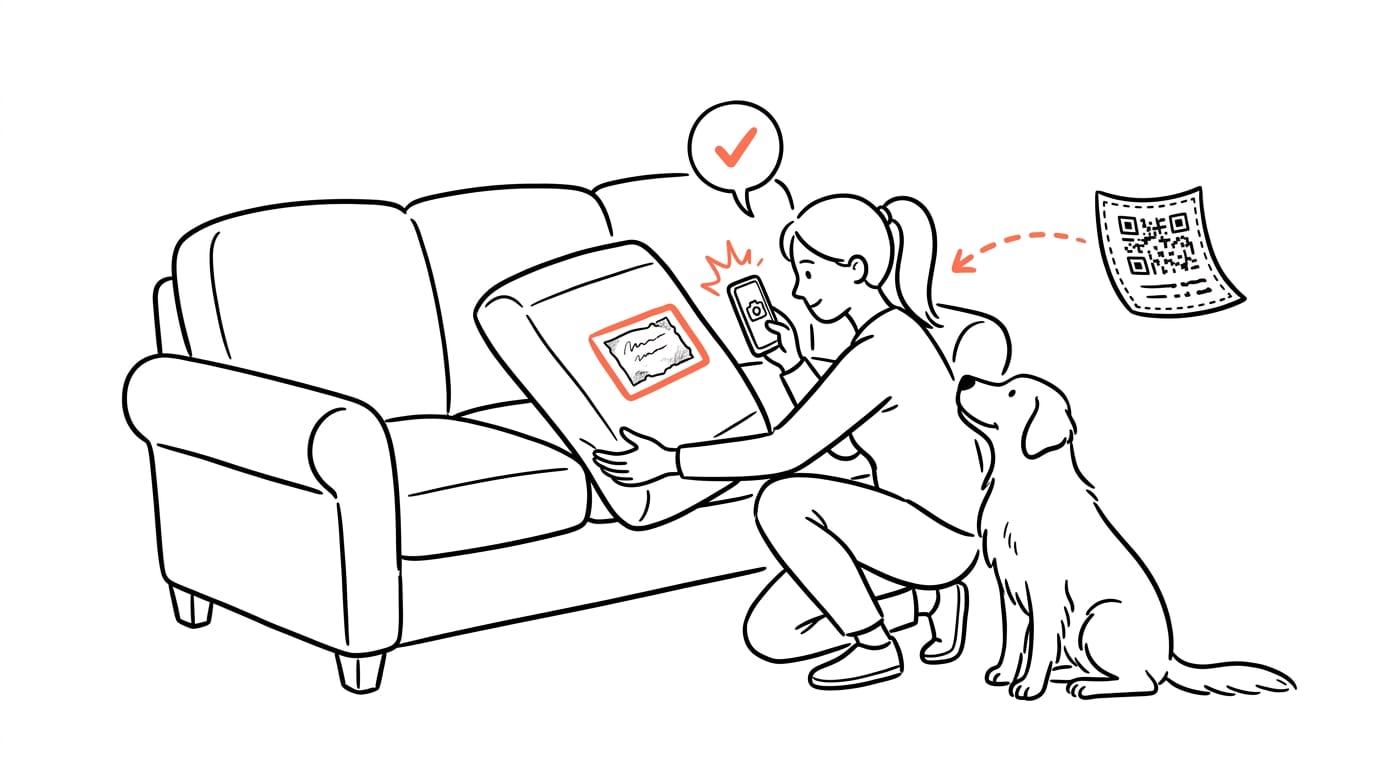
If the writing has worn away, or you can’t find the tag at all, take photos before you phone anyone. Consider a pet owner whose sofa label is faded on the front.
A quick shot of the back may reveal the code, and the cleaner can confirm it without a wasted visit.
- Photo front and back: Capture both sides of the label, even if one looks blank, so nothing gets missed.
- Send before calling: Share the photos with your cleaner first, so they can check the code and you’re not repeating yourself on the phone.
A clear photo takes seconds, and it saves a lot of back-and-forth.
What to Do Without a Code
No tag, no problem. Here are a few ways to work out your fabric before you reach for any cleaner, so you’ll know what you’re dealing with.
Other ways to identify the fabric
Work through these checks:
- Contact the manufacturer or check online. If you know the brand and model, the manufacturer may be able to tell you the fabric and its cleaning code, and their website is a quick search away.
- Test a hidden area. Pick a spot like the back of a cushion or under an arm, and try a small amount of cleaner there first.
- Identify the fibre. Natural fibres such as cotton, linen, or wool react differently from synthetics, so knowing which you have shapes your method.
- Run a dye-stability test. Press a damp white cloth onto the test spot. If colour transfers to the cloth, the dye isn’t stable, so switch to a gentler method.
- Check whether the tag belongs to the frame. Consider a parent who finds a label under a hand-me-down sofa and assumes it’s the cleaning code, only to discover it’s the frame maker’s. Before you rely on it, look for a label on the upholstery rather than the frame.
- Check the landlord’s inventory for rental furniture. If you’re in a furnished flat, the landlord’s inventory list may record the fabric, and a quick look could save you a call.
Test first, clean second.
Doing Your Own Cleaning Safely
Staying inside your code keeps this quick. Match the stain type and the code first, then follow the order of action that suits both.
Testing first and the risks involved
Always test a hidden spot first, such as the underside of a cushion. Spot cleaning suits lightly soiled patches, not a whole sofa. Results aren’t guaranteed, and the wrong product can set a stain rather than lift it.
If the label doesn’t match your plan, stop and check.
A host with red wine on a cream armchair tests a hidden corner first, spots a colour change, and switches products. That test saves the chair from a second, worse mark.
Dab and blot instead of rubbing
Rubbing pushes a mark deeper into the fibres, so dab and blot, don’t rub. Follow this order:
- Blot first, before any product touches the stain.
- Mop up spills promptly, before they sink in.
- Use upholstery-specific products, not household cleaners.
- Apply foam in small circles, and avoid over-saturating, since excess liquid can soak through to the padding.
A parent whose toddler spills apple juice on the sofa mops it up straight away, then blots the rest. Less liquid, less risk.
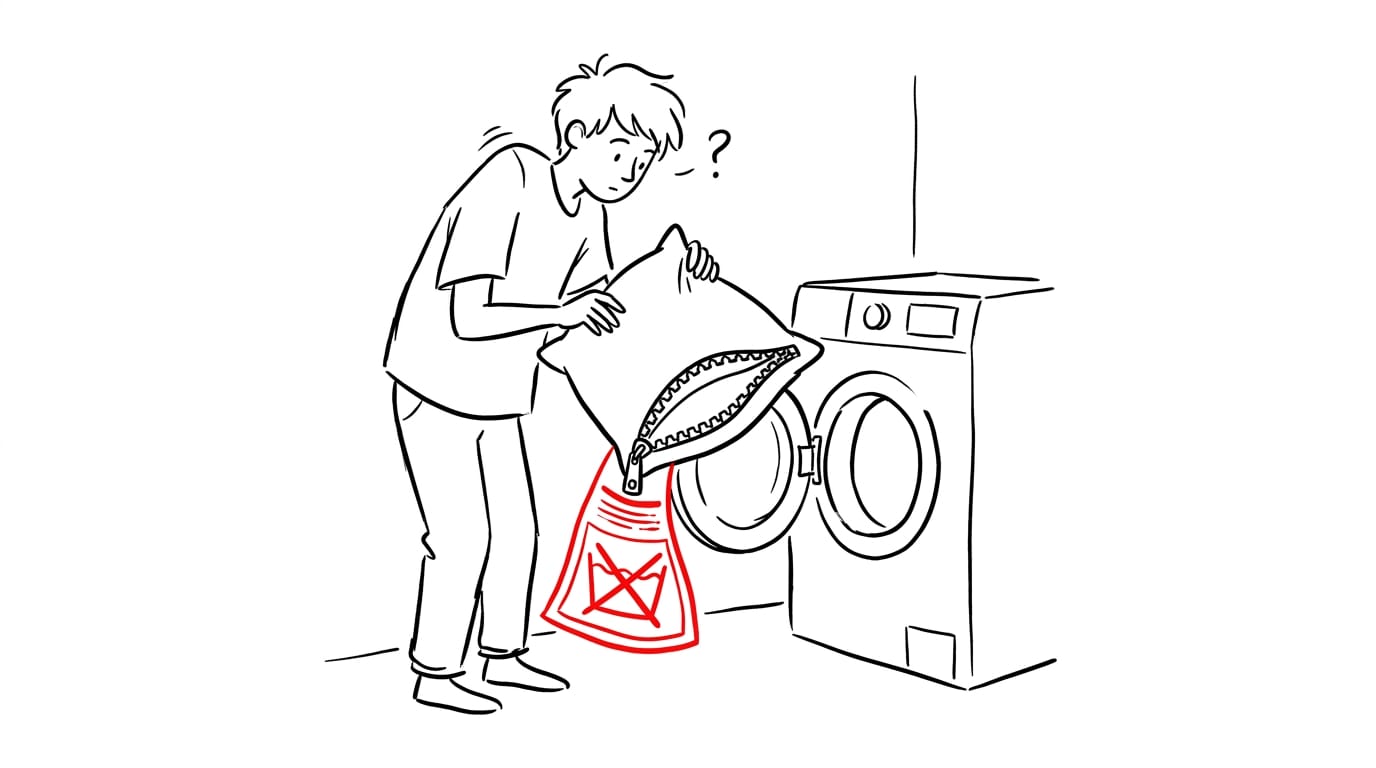
Zippers don’t mean cushion covers are washable
A zip is a clue, not a permission slip. Zippers don’t mean washable, so check the care label first. Cushions may have separate instructions from the sofa itself.
A flatmate sees a zip, assumes the cushion is machine-safe, and never checks. A quick look at the label would have kept it out of the wash.
Avoid frequent machine washing, since repeated cycles wear the fabric down. Never remove covers yourself, however easy the zip looks to open.
Hiring a Professional Cleaner
Sometimes the smartest cleaning move is a phone call, not a bottle of spray. Here’s how to tell when a professional upholstery cleaner is the better choice for your sofa or chair.
When a pro is the better choice
It’s less about can you clean it and more about should you. Picture a parent with a three-seater covered in a week of school-run mud and crumbs.
Spot treating one cushion won’t fix that, but a pro arriving with the right kit can handle the whole piece in one visit.
Look for these signs:
- S-coded or overall soiled pieces: If the whole piece is grubby, or the code calls for a method you can’t safely manage at home, call in help.
- Steam or hot water extraction: When the job needs this deeper method and you don’t have the equipment, a pro can bring it to your door.
- Honest assessment of suitability: A good cleaner will tell you straight whether your piece is a good candidate. If it isn’t, they’ll say so rather than take your money.
- Photos for pre-assessment: Send clear pictures of the stain and the fabric before the visit so the pro can judge the job early.
- Estimate before work: Ask for a quote before anything gets wet, so the final bill has no surprises.
Here’s how it plays out. A homeowner snaps three photos of a stained armchair and sends them the night before. The cleaner replies that the fabric looks suitable and shares a price, so the homeowner knows exactly what to expect before the doorbell rings.
Don’t guess. Get the facts first, then decide.
Keep Upholstery Clean and Protected
Prevention is the easiest way to avoid a stain emergency. A few small habits keep your sofa fresh and make any future spill far easier to handle.
Everyday habits that keep fabric fresh
Build these into your week:
- Regular vacuuming: lift crumbs and dust before they settle into the fabric.
- Light brushing: a soft brush keeps the surface looking fresh between vacuums.
- Rotate and fluff cushions: this helps them wear evenly and keep their shape.
- Avoid direct sunlight: move the sofa or close the blinds where you can.
- Keep pets off or cover: a throw gives them a cosy spot without the upholstery taking the hit.
Little and often wins.
Protectors, baking soda, and slipcovers
The goal is to prevent trouble rather than chase it. A fabric protector can help after a proper clean, once the upholstery is fully dry. Follow the product’s own instructions for best results.
For a quick freshen-up, sprinkle baking soda over the cushions, leave it to sit, then vacuum it up thoroughly. Consider a parent whose toddler snacks on the sofa: a dusting and a vacuum each weekend keeps the cushions feeling fresh between proper cleans.
A slipcover is a handy fix for worn furniture. Think of a tenant who inherited a tired armchair with threadbare arms: a well-fitting cover hides the wear and protects the fabric underneath.
When it gets grubby, take it off and check the care label before washing.
Once you know the cleaning code, most sofa stains stop feeling like a gamble. Read the tag, match the method to its letters, and act while the mark is still fresh.
If the label has worn away or never existed, the sections ahead show you how to proceed with care.
Keep the order in mind: stain first, then the right method. Start with the tag, and your sofa has the best chance of coming back clean on the very first try.
References
- Cleanability Codes for Household Fabrics — dlionline.org
Questions
What is the best solvent-based cleaner for upholstery?
Choose a cleaner specifically labeled for upholstery and clearly marked solvent-based. There is no single best brand for every fabric, so check the upholstery’s cleaning code and test the product on a hidden spot first.
How to clean upholstery code S?
For code S upholstery, use only a solvent-based upholstery cleaner and keep water away, since it can cause rings, shrinking, or colour bleeding. Put the cleaner on a clean cloth, blot the stain rather than rubbing, and ventilate the room; consider a professional for large or valuable pieces.
What if my couch doesn't have a cleaning code?
Look for the tag under or beside cushions, beneath the frame, or near an armrest, and check both sides if it is faded. If you still cannot find it, contact the manufacturer with the brand and model, identify the fabric if possible, and test any suitable cleaner on a hidden spot before use. If you are unsure, ask a professional cleaner for advice.
What does clean code ws mean?
WS means either water-based or solvent-based cleaning is allowed, with the choice depending on the stain. Oily marks generally suit a mild solvent, while water-based marks may respond to a mild shampoo; test the method on a hidden area and let it dry before proceeding.
Sources
More in Home Routines
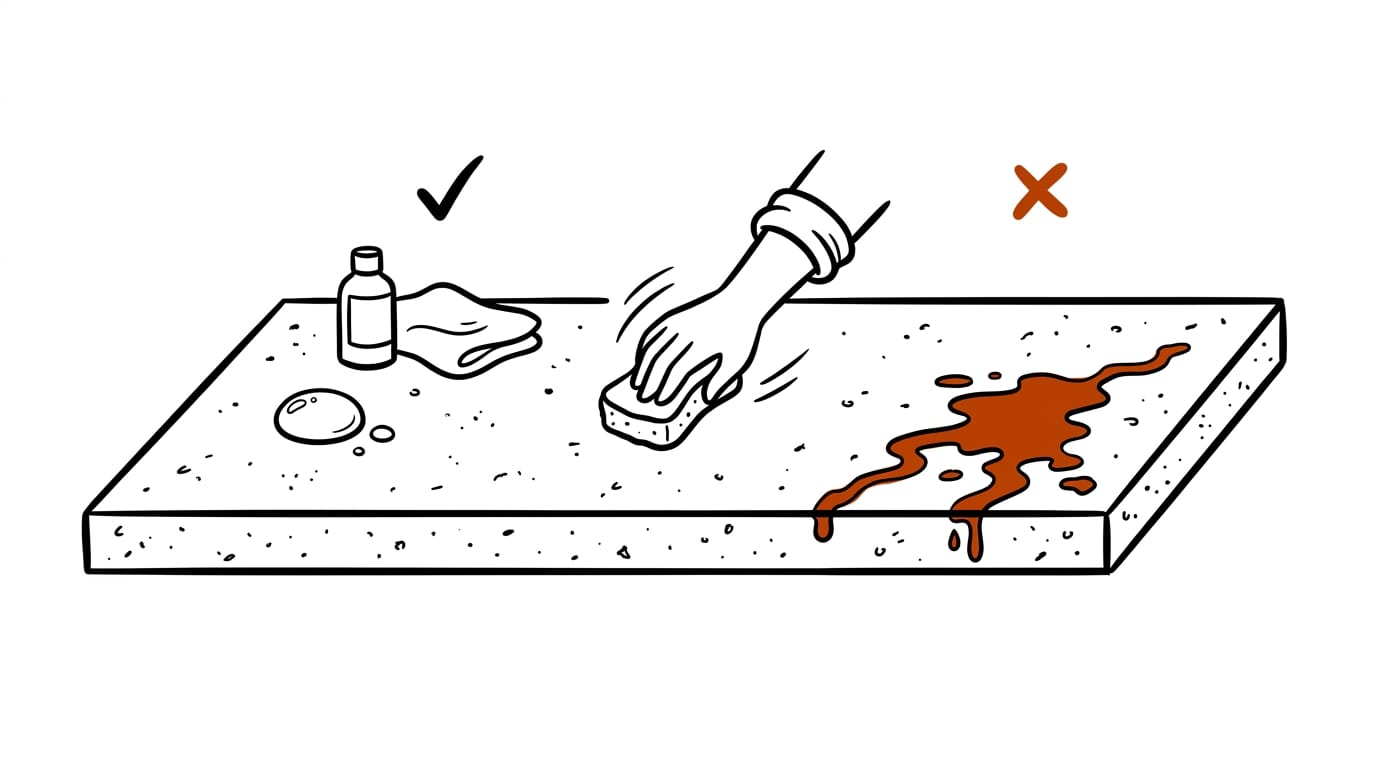
- Cleaning Granite Countertops: Care, Sealing, and StainsCleaning granite countertops: match cupboard-based stain treatments to each stain, disinfect safely, and learn when sealing matters most.
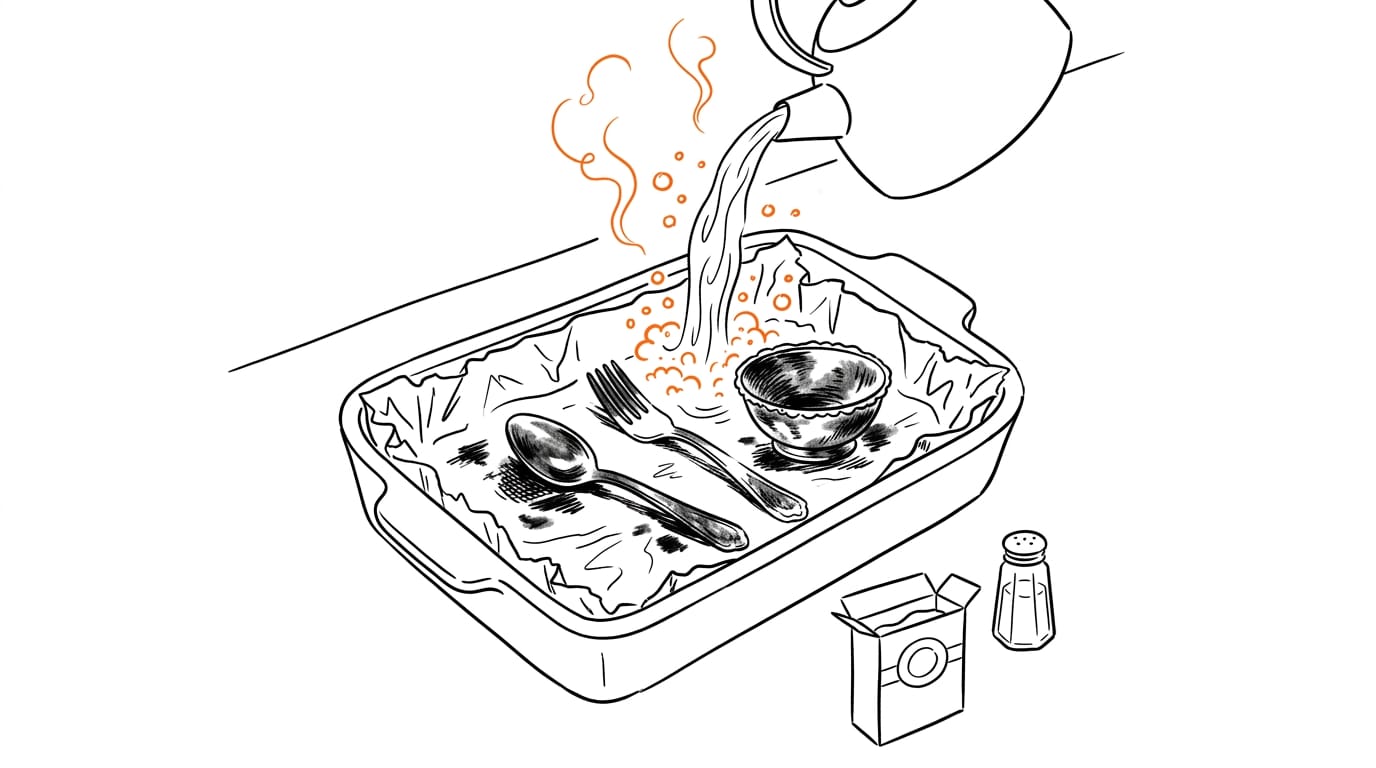
- Cleaning Silver with Aluminum Foil: A Complete GuideCleaning silver with aluminum foil uses baking soda and hot water to lift tarnish; get the quick setup, safe-item checks, and aftercare for a bright finish.
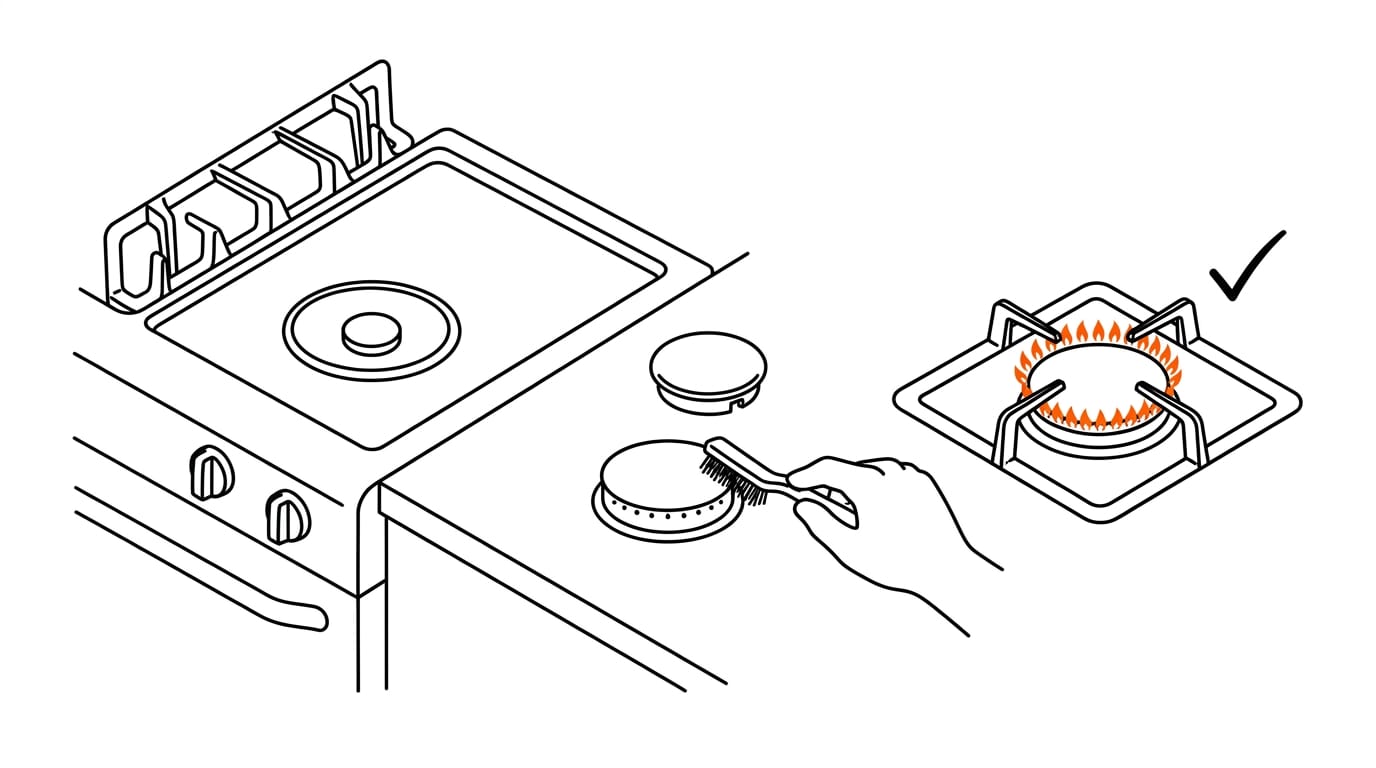
- Gas Burner Cleaning: Heads, Caps, Grates and TestingGas burner cleaning can clear food-clogged ports and restore an even flame. See how to clean heads, caps, and grates, then test your flame safely at home.
Stain Finder: a free stain removal guide
Find your stain