Rubbing Alcohol for Pen Stains: The Complete Guide
Rubbing alcohol for pen stains can lift ink from clothes, hands, notebooks, and wood. Get steps for carpets, sofas, and hard floors, too, with care.
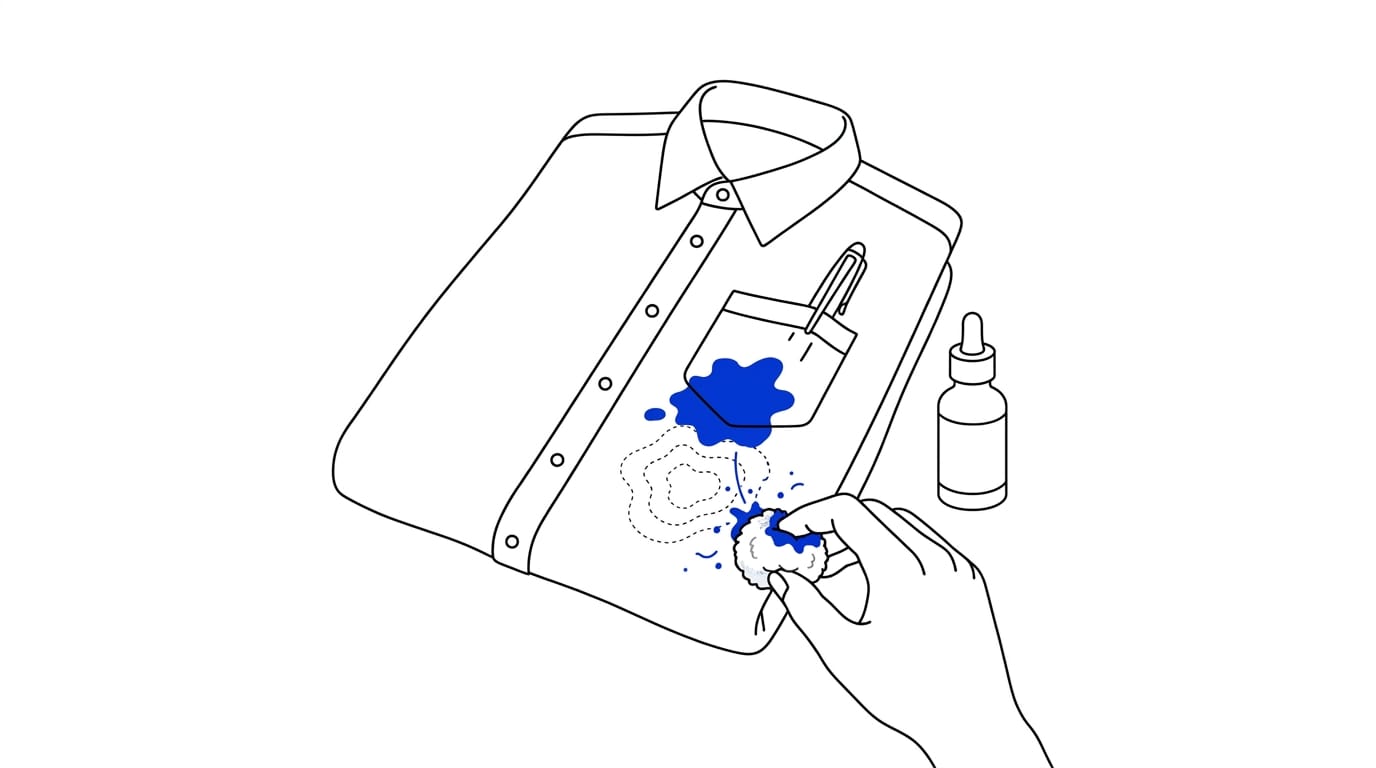
Rubbing alcohol is a solvent that can loosen many pen-ink stains, especially oil-based ballpoint ink, so the ink can be blotted away. Use a small amount on a clean cloth or swab, dab rather than rub, and adjust the method to the surface; test delicate materials first and never soak leather, wood, paper, or upholstery. Treat fabric before washing, check it before drying, and keep alcohol away from heat and flames.
Picture this: you’ve just clicked your favourite pen in a meeting, and now there’s a blue streak across your shirt cuff. Pen ink is sneaky because it spreads fast and seems to set the moment it lands.
The good news is that rubbing alcohol is often the tool that lifts it. The bottle under your sink can help with a shirt, your hand, a notebook page, or a wooden desk.
Here, we’ll walk through exact steps for each surface, then cover carpets, sofas, and hard floors, which most guides skip.
Rubbing Alcohol for Pen Stains on Clothes
Pen ink responds best to a gentle, ordered approach, and rubbing alcohol does most of the heavy lifting. Work through the steps below in sequence, checking the stain as you go.
Blot fresh ink before you treat it
Speed helps, but lifting the ink comes first. Think of a parent who spots a biro mark on a white school shirt ten minutes before the bus. Following these steps gives that shirt a real chance before the wash:
- Blot fresh ink first to lift off the surplus.
- Place paper towels underneath so the ink doesn’t bleed through to the back or the layer below.
- Lay the garment flat before you start.
- Blot, don’t rub. Rubbing just spreads the ink around.
Dab with alcohol until ink stops transferring
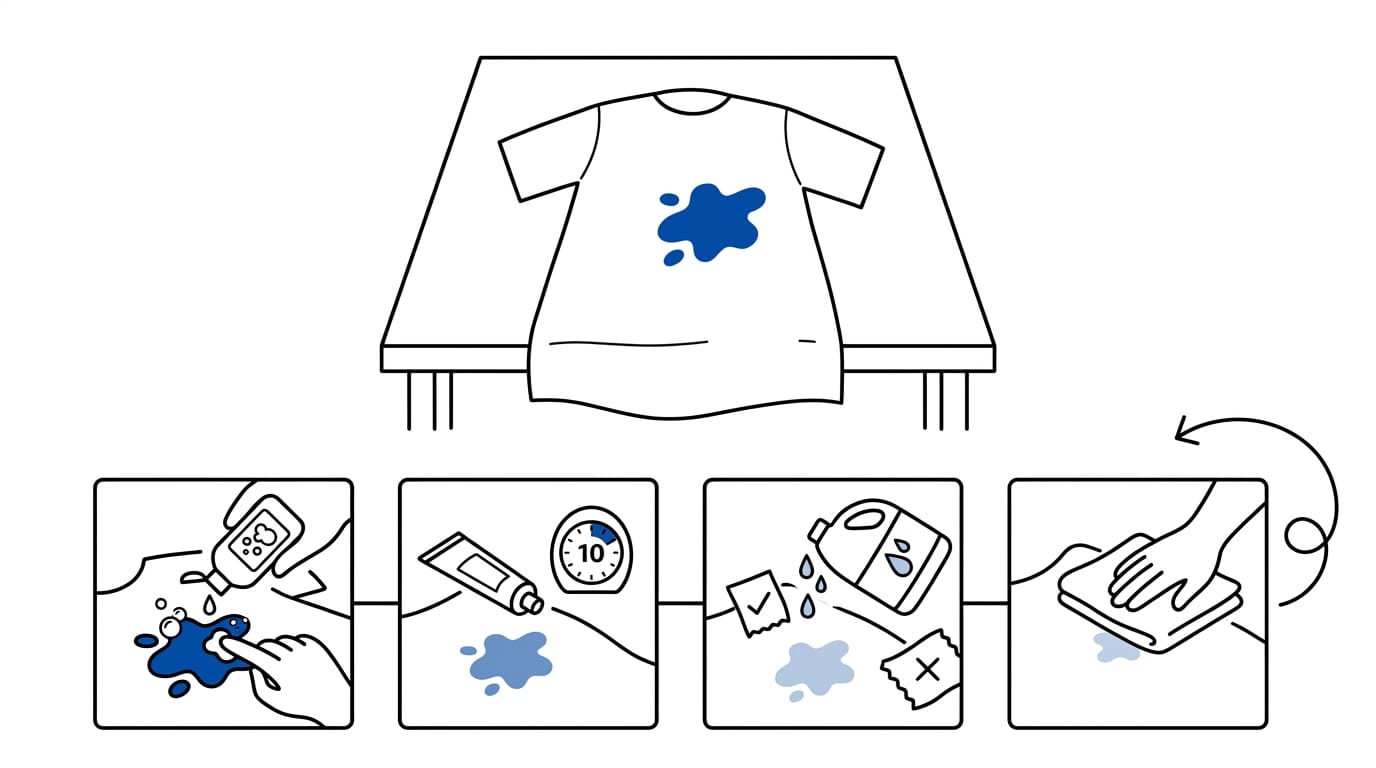
Dampen a clean white cloth with 90% rubbing alcohol, then dab the stain. Work from the edges toward the centre so the ink doesn’t spread into clean fabric. Dab, don’t scrub, and keep going until the ink stops transferring onto the cloth.
Dab with white cloth only, since a coloured one could leave marks of its own. No 90% rubbing alcohol to hand? An alcohol-based hand sanitizer gel is another option, used the same way.
Other treatments for stubborn ink
If the ink still shows after dabbing, try one of these:
- Dish soap worked in. Work a little dish soap into the stain.
- Clorox 2 stain remover. Apply it and let it sit for 10 minutes.
- Diluted bleach soak. Soak the item in a diluted bleach solution, but only on fabric that can handle bleach.
- Repeat steps if needed. If any ink remains, go back through the blotting and dabbing.
Rinse, wash, and dry it safely
Once you’ve treated the stain, the wash and dry need care too:
- Rinse with cold water.
- Wash per care label, using a low wash temperature, or a hotter one only if the label allows it.
- Check the stain before drying.
- Air dry, and avoid dryer heat.
Yes, it can. Ink still on a garment can transfer onto the other clothes in the dryer, so treat the stain before anything goes in. Check first, dry second.
Safety tips for delicate fabrics
- Spot test a hidden seam. Try the alcohol on a hidden seam first to see how the fabric reacts.
- Avoid soaking silk or wool. Dab these gently, don’t soak them.
- Avoid bleach on delicates. Skip the diluted bleach soak on anything fragile.
- Take valuables to a professional cleaner. If the item means a lot to you, a professional cleaner is the safer bet.
- Alcohol-free sanitizer may stain. Check the label, since an alcohol-free version can leave its own mark.
Treating ink that has already dried
Dried ink can become permanent if you leave it for too long, so move quickly. The good news is that it’s still removable. Multiple rounds may be needed, so repeat the steps above and give each one time to work. Patience matters here.
Why Alcohol Works and What Else Helps
Pen marks are stubborn, but knowing what they’re made of tells you what to reach for. Here’s why rubbing alcohol is usually the first choice, plus the other options you can try or should skip.
How alcohol dissolves ink
Most ballpoint ink is oil-based, so it doesn’t simply rinse out. Alcohol dissolves oil, which is why it breaks the ink down enough to lift away. Water on its own won’t touch it.
Some sanitizers contain thickeners that help the liquid soak in rather than run off. It’s the type of ink that matters, not how hard you scrub. Permanent marker stains are a separate case with their own rubbing alcohol steps.
Think of a parent who spots a blue biro mark on a school shirt cuff the night before term starts. A dab of alcohol gives the mark a fighting chance, so the shirt makes it to school instead of the bin.
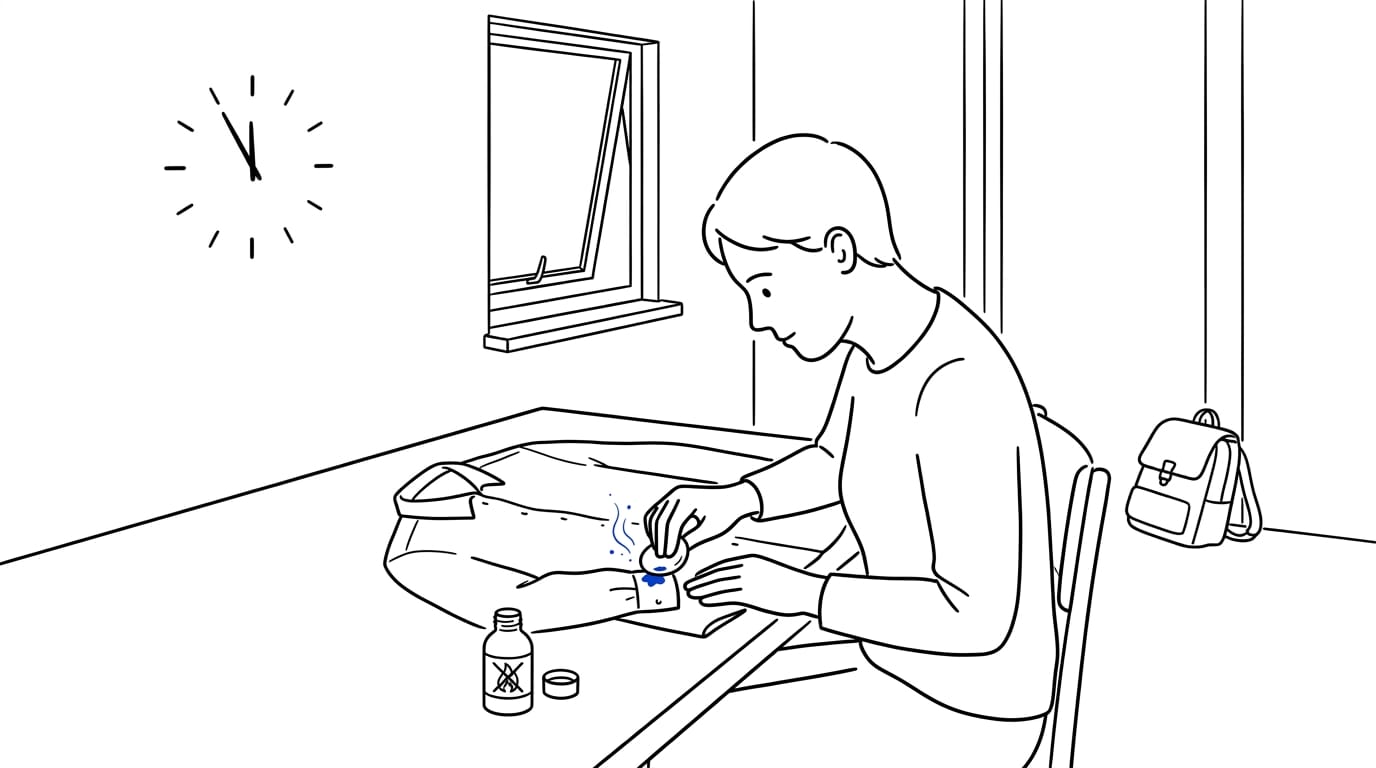
Safety matters here, though. Rubbing alcohol is flammable, so keep it away from heat and open flames, and work in a well-ventilated room.
Other products to try and avoid
Here’s how the other options stack up:
- Nail polish remover: a tempting backup, but use it with caution and test a hidden spot first, since it can damage some fabrics and finishes.
- Hairspray: a common suggestion, but it’s less reliable, so treat it as a last resort.
- Lemon juice: an option for some marks, though it isn’t a sure thing.
- Bleach: use it in the wash cycle only, never directly on the spot.
- Permanent marker: designed to stay put, so follow the same alcohol approach, but work slowly.
Cleaning Pen Ink off Other Surfaces
Pen ink behaves differently on each surface, so the method depends on what the mark landed on. Here’s how we’ll handle paper, skin, leather, and wood, plus the carpets and floors around your home.
Getting pen ink off paper safely
Paper soaks up liquid fast, so use less liquid, not more. Dampen a cotton swab with rubbing alcohol or a little lemon juice, then dab the ink rather than rubbing it.
Slide a sheet of blotting paper under the page and press lightly so the ink lifts onto it. Picture a student whose gel pen has leaked onto a handwritten essay: one dampened swab and a gentle press can save the page.
For valuable papers, such as a certificate, ask a conservator (a trained specialist in restoring documents) first. Go slowly.
Taking pen ink off your skin
Work through these steps in order:
- Wash the spot with soap and warm water.
- If ink remains, dab it with rubbing alcohol or an alcohol wipe.
- Work in baby oil or cooking oil to lift what’s left, then wash again.
Skip acetone, since it dries skin out.
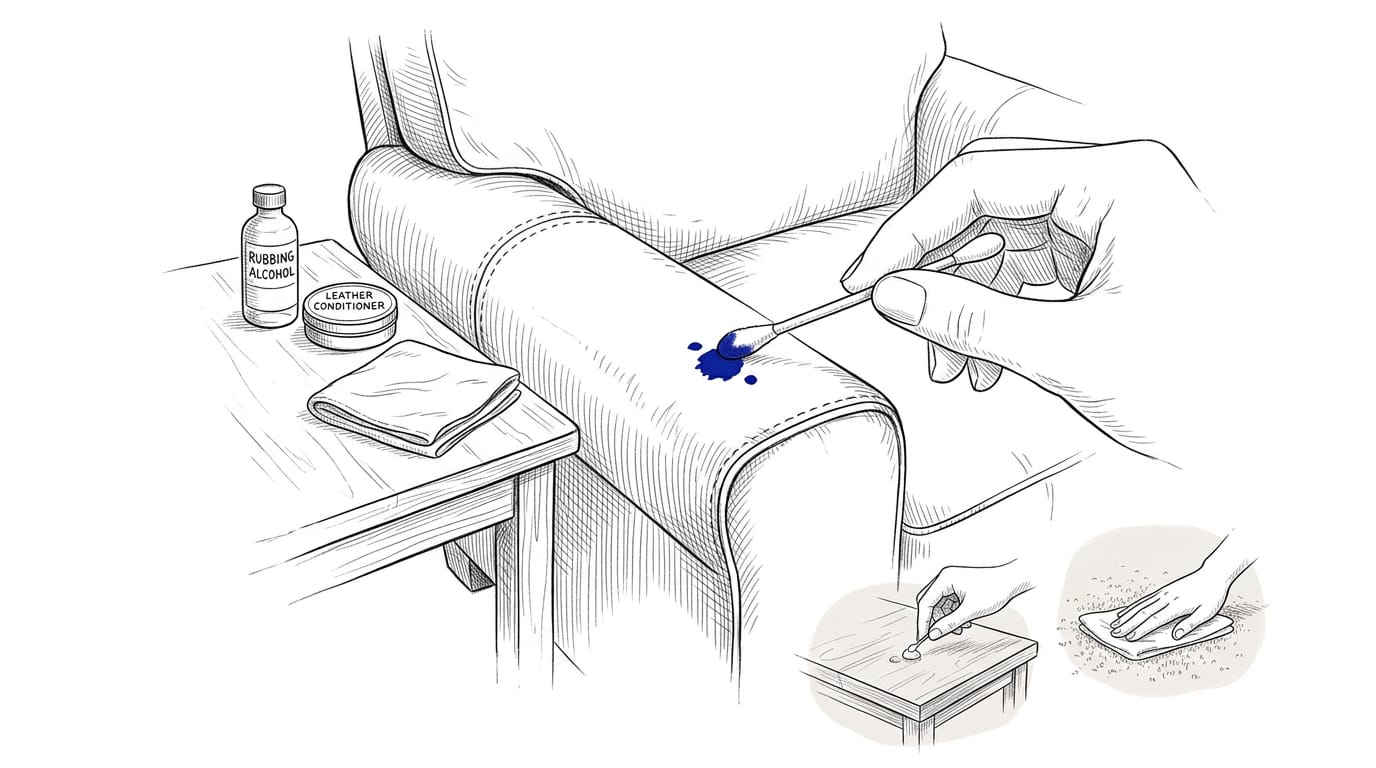
Lifting ink from leather and wood
Work the ink off with rubbing alcohol on a swab, using light strokes.
- Afterward, rub in leather conditioner.
- On sealed wood, gently work a paste of baking soda and water over the mark.
- On bare wood, sand the spot lightly once it’s dry.
Never soak leather or wood. Keep the liquid on the swab, not the surface.
On carpet and upholstery, blot, don’t rub, and never soak the backing. Vinyl, laminate, and tile floors can take the same light swab method, with any spills wiped up straight away.
Stopping Pen Stains Before They Start
The cheapest pen stain to fix is the one that never happens, so we’ll start with the habits that keep ink where it belongs.
Simple habits that keep pens from leaking
- Close it after every use. Cap the pen or click it shut as soon as you finish writing, because an open tip is where ink dries out and starts to seep.
- Keep pens out of heat. A hot car dashboard or a sunny windowsill can push ink out of the tip.
- Use a locking bolt action pen. Its tip stays tucked inside the barrel until you twist it out, so there’s less chance of leaks in a pocket or bag.
- Replace leaking refills. If a refill starts weeping ink, swap it out rather than hoping it settles down. A new one is a small price next to a ruined shirt.
- Wipe excess ink off the tip. Dab the nib on a tissue after writing, especially with a fresh refill, so the extra ink stays off your fingers, your page, and your cuffs.
Think of a parent who finds a biro rolling loose at the bottom of a school bag.
Capping pens after homework and keeping them off the sunny windowsill takes seconds, and it means the morning starts with a clean lining instead of a blue smear on the lunchbox.
The goal is to prevent the stain rather than clean up after it. Less ink outside means less scrubbing.
Pen stains look dramatic, but many of them lift when you act quickly and reach for the right tool. Rubbing alcohol gives you a dependable starting point for fabric, skin, paper, and wood, and the same approach extends to carpets, sofas, and hard floors.
Match your touch to the surface and keep your cloth fresh as the ink lifts. A pen mishap doesn’t have to mean a lost shirt or a ruined sofa. Act fast, and the ink doesn’t stand a chance.
Questions
Can ball pen ink be removed from clothes?
Yes. Ballpoint ink can often be removed from clothes, especially if you treat it promptly: blot away excess ink, dab with rubbing alcohol, then rinse and wash according to the care label. Check that the stain is gone before drying, since heat can set it.
Will Dawn soap remove pen ink?
Yes. Work a little dish soap into the stain, then rinse with cold water and wash according to the garment’s care label. For ballpoint ink, rubbing alcohol is often the more effective first treatment.
Will dried ink in the dryer get on clothes?
Yes. Ink left on a garment can transfer to other clothes in the dryer, and dryer heat can make a stain harder to remove. Treat the ink and check that it is gone before using the dryer; air drying is safer while any mark remains.
Can rubbing alcohol get rid of pen ink?
Yes. Rubbing alcohol can dissolve oil-based ballpoint ink so it can be lifted from fabric. Dab it with a clean white cloth, working from the stain’s edges inward, and spot-test a hidden area first; keep alcohol away from heat and flames.
More in Floors & Carpets
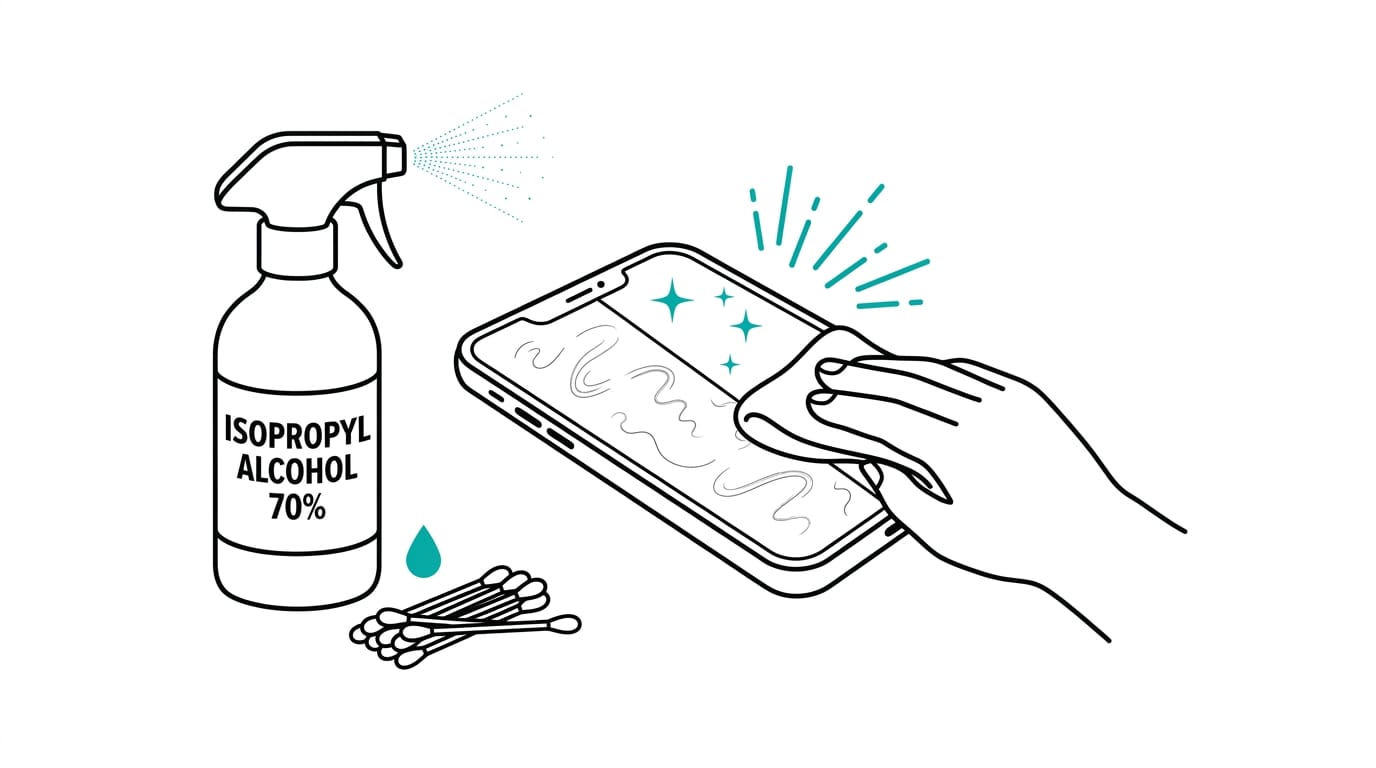
- Isopropyl Alcohol for Cleaning: A Complete GuideIsopropyl alcohol for cleaning can lift ink, grease, and sticky labels. Choose the right strength and protect upholstery and surfaces it can damage.
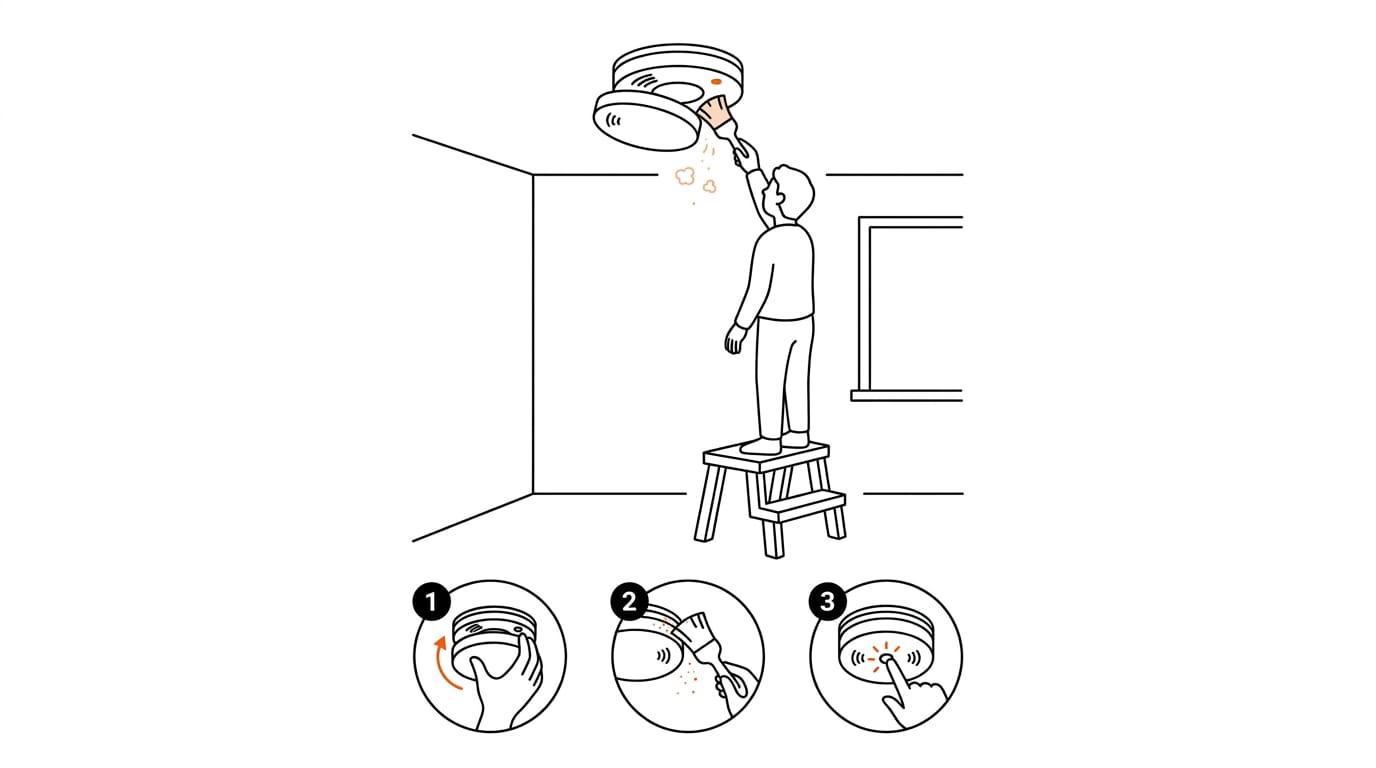
- Cleaning Smoke Detectors: A Complete Step-by-Step GuideCleaning smoke detectors takes minutes with cupboard-only steps for dust, pet hair, and grease, plus checks for damage, batteries, and replacement.
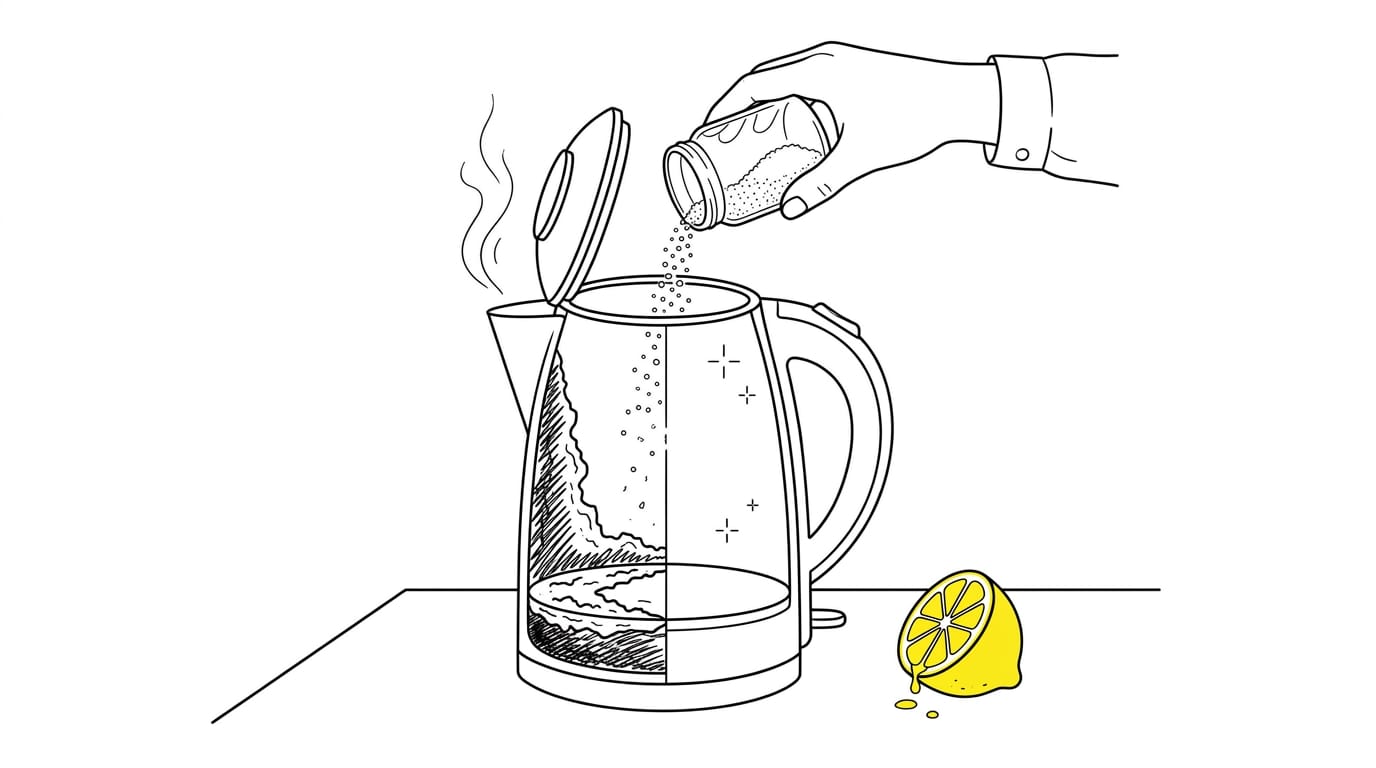
- Citric Acid for Cleaning: A Complete GuideCitric acid for cleaning loosens kettle limescale and cloudy shower deposits. Find the right mix, surfaces to avoid, and how it compares with vinegar.
Stain Finder: a free stain removal guide
Find your stain