Citric Acid for Cleaning: A Complete Guide
Citric acid for cleaning loosens kettle limescale and cloudy shower deposits. Find the right mix, surfaces to avoid, and how it compares with vinegar.

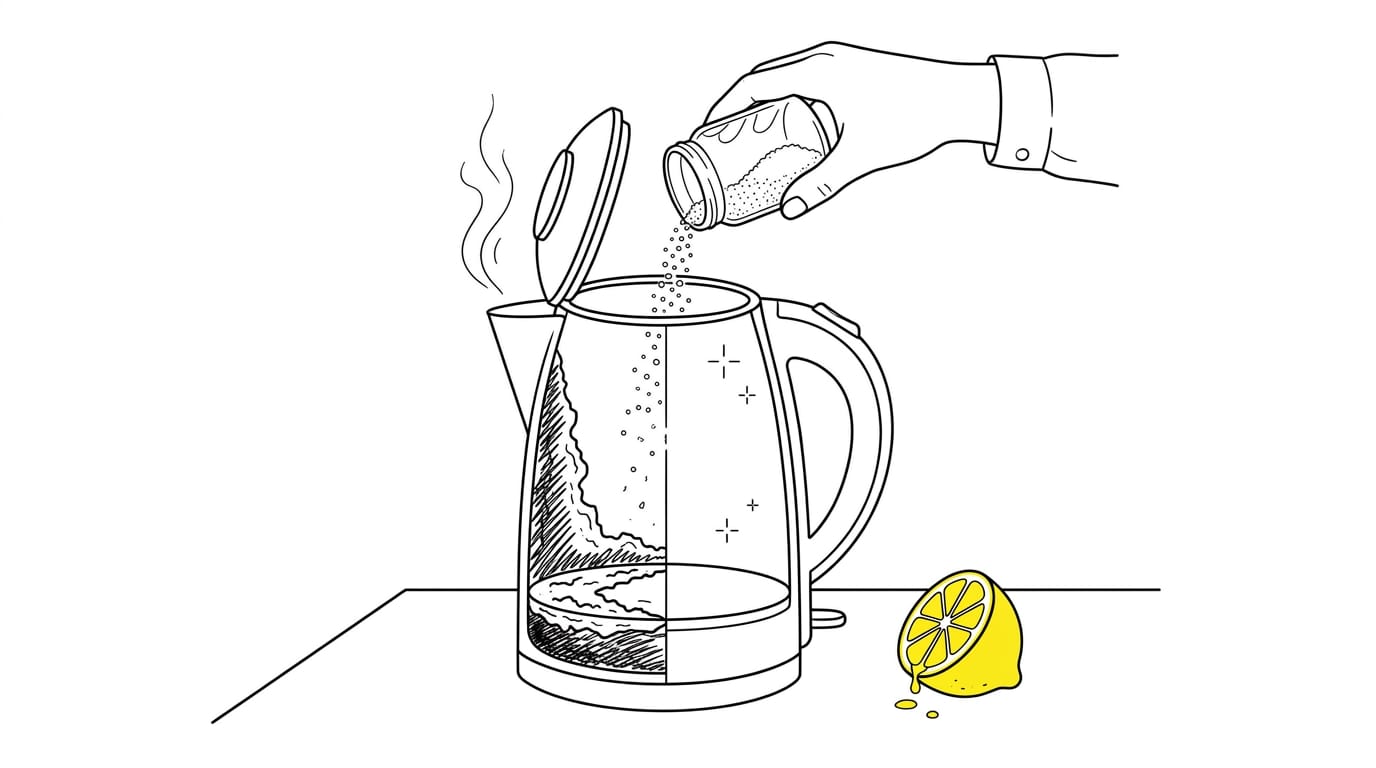
Citric acid is a mild, water-soluble acid that dissolves limescale and hard-water deposits, making it useful for descaling and removing some stains and everyday grime. Mix the powder with water at a strength suited to the job, let it soak, then rinse; wear gloves and never combine it with bleach or ammonia. It offers a versatile alternative to vinegar, but can damage natural stone, aluminum, wood, and plated finishes, so check surfaces before use.
Picture a kettle with a chalky white ring, or a shower screen that looks cloudy no matter how hard you scrub. Those marks don’t need a cupboard full of products. One simple ingredient can often handle them.
Citric acid is a mild acid found in citrus fruits like lemons and limes, and it’s surprisingly good at loosening limescale and hard water deposits.
In this guide, we’ll cover what citric acid is, where it works best, how strong to mix it, which surfaces to keep it away from, and how it compares to vinegar. Let’s get your cleaning sorted before the mess sets.
Why Citric Acid for Cleaning Works
Citric acid does a lot of cleaning for very little money. Here’s where it comes from, how it works, and why it’s gentler than many harsh chemicals.
Where citric acid comes from
Citric acid is a natural fruit acid, the sharp compound that gives lemons and other citrus their tang. It was first discovered in lemon juice and is now made by fermentation, a process in which microbes turn sugar into acid.
It’s sold as a water-soluble powder, often for canning and brewing.
How citric acid loosens dirt and scale
It works by reacting with the deposit, not just pushing it around. Its acidity drives descaling, breaking down chalky limescale on taps and kettles. The goal is to dissolve the scale rather than scrub it off.
It also acts as a chelating agent, meaning it grabs metal ions in the deposit and holds them in solution so they rinse away. By lowering pH, it helps detergents work better. Chemistry does the heavy lifting.
According to a paper on the application of citric acid to chemical cleaning, citric acid can help whiten surfaces by removing mineral deposits and stains, but it isn’t a bleaching agent itself.
Its acidity can also disrupt the cell membranes of some microbes, so it can help sanitize as well as clean.
So how is citric acid used in cleaning products? Usually it’s the acid doing the descaling and helping the detergent along. You’ll often see it on the label of commercial descalers and general cleaners.
Why it’s gentle, cheap, and eco-friendly
Citric acid stands out for four reasons:
- Biodegradable and non-toxic. It breaks down after use.
- An alternative to harsh chemicals. It gives you a milder option for everyday jobs.
- Low cost. It’s an inexpensive powder that’s easy to keep on hand.
- Pleasant scent. Its fresh citrus smell makes cleaning a little nicer.
Think of a parent who keeps a tub of citric acid in the cupboard for canning. When the kettle and shower screen get a chalky crust, they can use that same powder, dissolved in water, instead of buying a separate descaler.
What else citric acid is used for
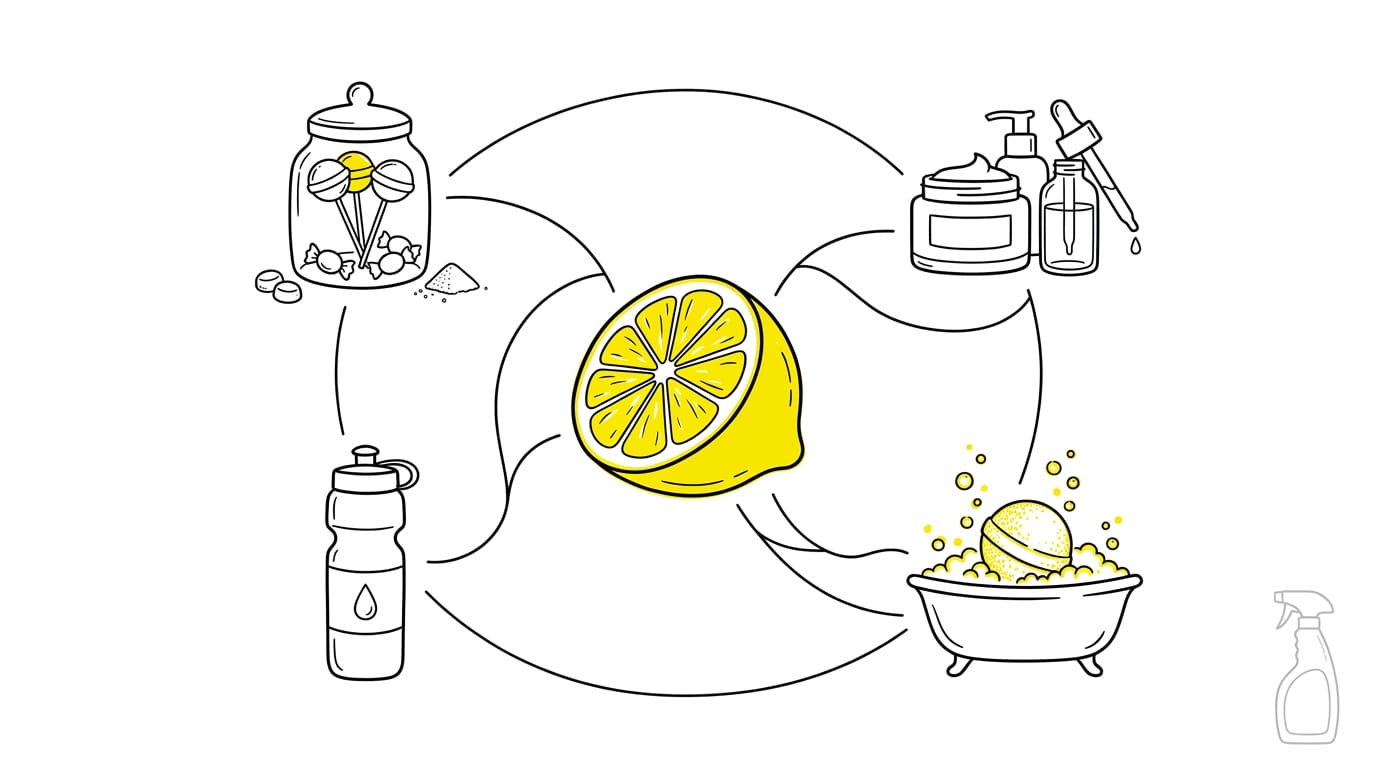
Its uses go well beyond cleaning. It’s a food flavoring and preservative, and it helps balance pH in cosmetics. You’ll also find it in bath bombs and sports drinks, which shows how versatile it is.
Where and How to Use It
Citric acid tackles mineral buildup and everyday grime in more places than most people expect.
Removing limescale and hard water buildup
- Faucets and showerheads. Soak a crusted showerhead in a bag of solution, or dab the solution onto faucet crust, then rinse.
- Kettles and coffee makers. Let the solution sit in the reservoir, then run plain water through before you brew.
- Soap scum and water spots. Wipe tiles, glass, and taps with the solution, then rinse and dry.
- Dishwasher and washer descaling. Run an empty cycle with the solution in place of detergent, after checking your appliance manual.
- Vases and flowerpots. Soak the vase or pot to lift white rings, then rinse.
You’ll get better results if you soak rather than scrub. Give it time.
Cleaning up around the kitchen
- Microwave steam cleaning. Heat a bowl of diluted solution until it steams, then wipe down the inside.
- Oven racks and burnt pots. Soak them in warm solution before you scrub.
- Stainless steel polishing. Wipe with a damp cloth and a little solution, then buff dry.
- Fridge and countertops. Wipe shelves and counters to lift sticky spills and light grime.
- Sanitizing cutting boards. Wipe with the solution, rinse, and dry fully before the next prep session.
- Food container stains. For example, a parent with tomato-stained lunch boxes can soak them in solution before the wash.
Scrubbing the bathroom and toilet
- Toilet bowl cleaner. Pour the solution in, let it sit, then scrub and flush.
- Urine stains. Blot the solution on, rinse, and test a hidden patch first on carpet or mats.
- Shower fixtures soak. Unscrew removable fittings and soak them in a bowl of solution.
- Mold and mildew. Spray grout or caulk, let it sit, scrub gently, and rinse well.
Whitening and refreshing laundry loads
- Whitening laundry. Add the solution to the wash to brighten whites, following the care label.
- Fabric softener substitute. Add a small amount to the rinse cycle in place of softener.
- Sweat and deodorant stains. Dab underarm marks before washing. For example, a parent of a busy football player can pre-treat a sweaty training top right away so the marks don’t set.
- Removing detergent buildup. Run a rinse with the solution to clear soap residue from the drum.
Carpet and upholstery spot-treatment works the same way. Think of a pet owner who spots a fresh mark on the sofa cushion: blot it, don’t rub it. Before you use any solution on upholstery, check the cleaning code on the label.
Making a rinse aid for the dishwasher
- Dry rinse aid booster. Sprinkle a small amount of citric acid powder into the rinse aid dispenser so water drains off dishes.
- Homemade alcohol-based rinse aid. Combine citric acid, rubbing alcohol, and water in a labeled bottle, and keep it away from heat.
- Streak-free glasses. For example, a host loading the dishwasher before guests arrive gets wine glasses out clear, not hazy.
It’s all in the rinse.
Tackling rust and other odd jobs
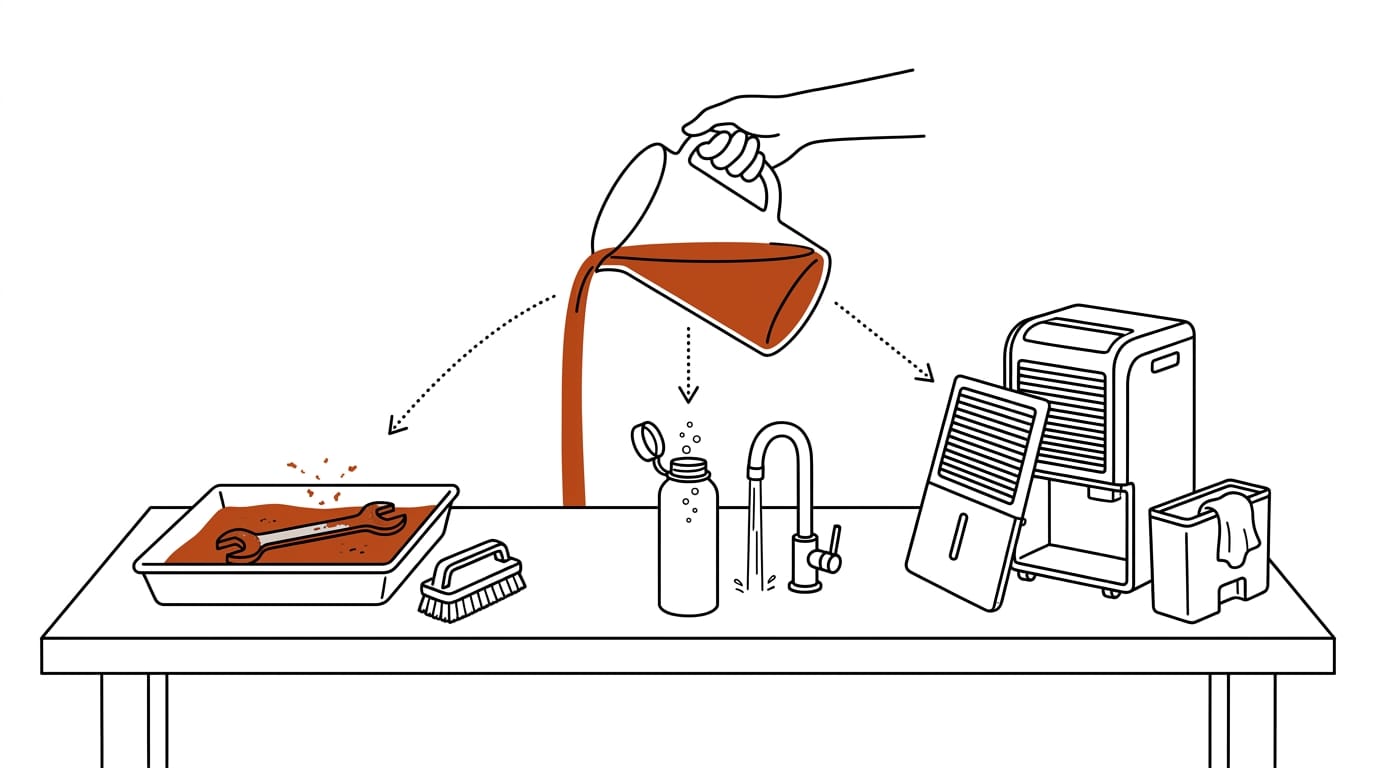
- Rust removal from tools. Soak rusty tools, scrub with a brush, then rinse and dry them straight away.
- Sanitizing water bottles. Fill the bottle with the solution, let it sit, then rinse until no sour taste remains.
- Dehumidifier cleaning. Wipe the tank with the solution to clear mineral deposits, after checking the manual.
Homemade Recipes and How Strong to Mix
Mixing your own citric acid cleaner is simple, but strength is the part to get right. No citric acid on hand? White vinegar is the usual stand-in.
How to make citric acid cleaning spray?
Dissolve citric acid powder in warm water, aiming for a strength that matches a 4% vinegar solution. Here’s how:
- Stir the powder into the warm water until fully dissolved.
- Pour the solution into a clean spray bottle.
- Label the bottle with its contents and date.
- Spray the surface, leave it briefly, then wipe with a cloth.
- Rinse residue afterward with clean water so no acid is left behind.
Think of a parent who mixes one bottle on Sunday for the tiles, sink, and hallway floor. One bottle, three jobs, nothing extra to buy. Mix only what you’ll use soon, since the solution doesn’t keep for long, and store it sealed and labelled. Grout lines between those tiles can hold their own grime, which is where cleaning grout with baking soda comes in.
How much to use for each job
Measure in tablespoons per litre or per cup, and match the strength to the job rather than assuming more is better. For a stain sitting in one spot, mix a little powder with a splash of water into a thick paste, dab it on, and rinse once it’s loosened.
For items that can take a soak, leave them in the solution for a while, checking as you go. Use warm water to dissolve the powder, and lukewarm water for anything delicate.
Ready-made cleaners you can buy
You can also buy these ready-made:
- Dishwasher boosters for the machine
- Toilet cleaners for the bowl
- Descaling solutions for limescale
- Multi-surface sprays for everyday wipe-downs
Buying ready-made saves the measuring, but making your own lets you control the strength.
Safe Use, Surfaces to Skip, and Storage
Citric acid is a practical cleaner, but it still deserves respect. Here’s how to stay safe, what to keep it away from, and how to store it for next time.
Protect yourself while you clean
- Wear gloves. Keep them on from mixing to rinsing.
- Avoid eye contact. If it splashes in, rinse with plenty of water.
- Ventilate the area. Open a window or switch on the extractor fan.
- Keep it from children and pets. Store it out of reach and keep them out of the room until surfaces are dry.
A parent descaling the kettle with homework spread across the kitchen table pulls on gloves, opens the window, and keeps the kids back until the spout is rinsed. The kettle comes up shining, and nobody ends up with stinging eyes.
What not to mix it with
Never mix citric acid with bleach or ammonia. Those combinations are dangerous, so use each product on its own and rinse well between them.
Baking soda is a common kitchen pairing, but not this one: the two react and neutralize each other, so you lose the cleaning power you wanted. Castile soap is a no-mix too, so rinse the surface between uses. Keep them apart. If you want baking soda on its own, a separate guide covers tile cleaning with baking soda.
Surfaces that citric acid can damage
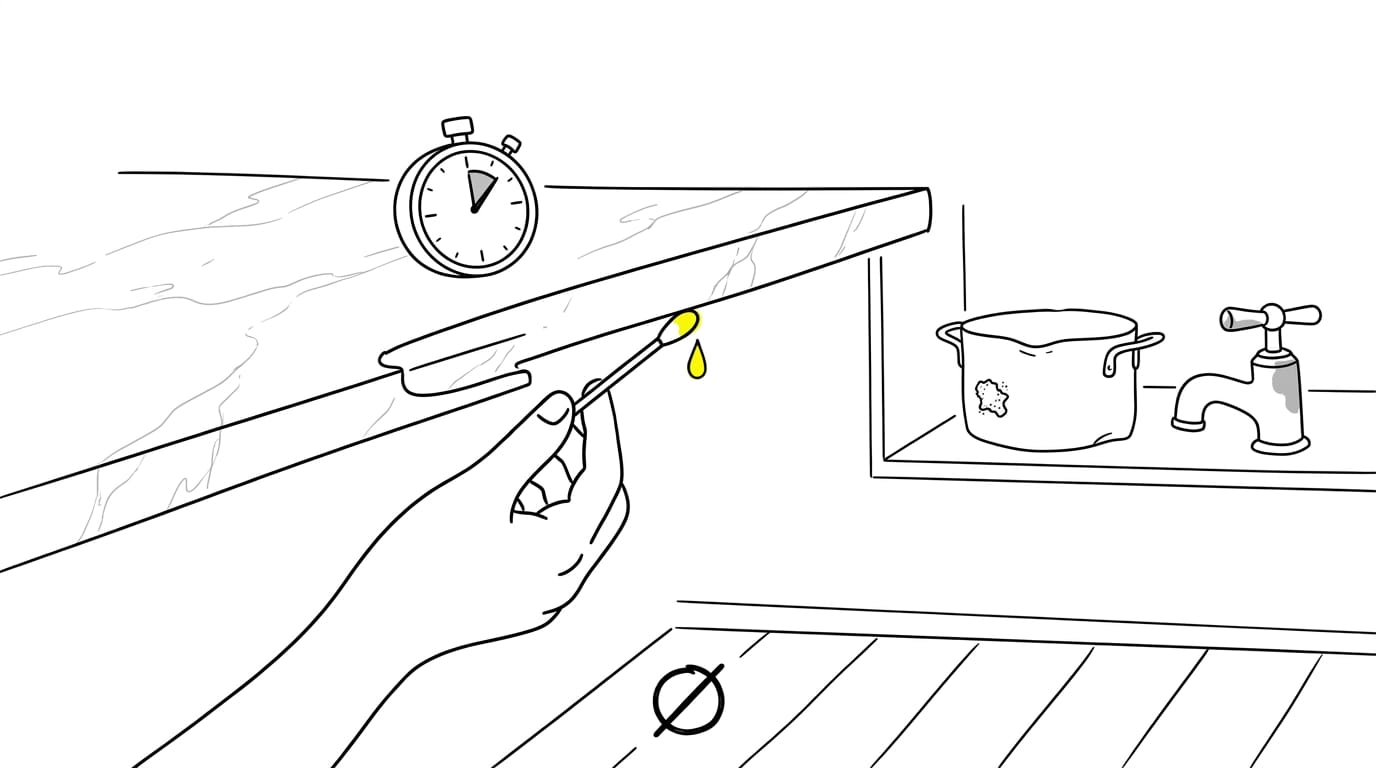
The question isn’t whether citric acid works, but where. Some surfaces shrug it off, while others dull, etch, or corrode. Use this quick reference before you start:
| Surface | Risk |
|---|---|
| Natural stone (marble, limestone) | Etching, which leaves dull marks |
| Aluminum | Corrosion |
| Wood | Dulling |
| Brass and plated metals | Dulling or loss of finish |
| Stone and wood floors | Avoid entirely |
Spot test first. On anything you’re unsure about, dab a little on a hidden corner, leave it as long as you’d normally use it, then check for marks. If plastic is on your list, cleaning plastic is covered step by step in its own guide.
Avoid on stone and wood floors. Skip them altogether, even if a corner test looks fine.
Where to buy and how to store
- Where to buy. Check the baking or cleaning aisle of most supermarkets.
- Bulk is cheaper. A larger bag costs less per use, so it’s worth it if you clean often.
- Airtight container. Keep powder in one somewhere dry, so moisture can’t get in.
- Label solutions. Write the contents and date on every bottle. A shared-house cleaner who decants into an old juice bottle should add “citric acid, not a drink,” so no housemate grabs it by mistake.
Is Citric Acid Basically Just Vinegar?
Not quite. Both are acids, but they differ in smell, packaging, and how you control strength.
Where citric acid has the edge
Here’s where it wins:
- Milder scent. It’s gentler on the nose, so your room won’t smell like a pickle jar.
- Less packaging. It’s a dry powder, so you can top up one spray bottle from a bag instead of buying a new one each time.
- Lower shipping energy. Powder is lighter than liquid, so it takes less fuel to reach your door.
- Chelating properties. Citric acid acts as a chelator, meaning it grabs minerals like calcium, the stuff behind limescale.
Strength and mixing with vinegar
The mix is yours to control. Add more powder for heavier limescale, less for a quick wipe-down. It’s how much you mix, not which bottle you grab.
Both are acids, so you can use them in the same cleaning routine. Asking which is stronger misses the point. The concentration you mix matters more than which acid is on the label. Strength is up to you.
Consider a renter who keeps a bag of citric acid under the sink, mixes some for the shower screen, and skips buying a separate descaler.
How it fights germs on surfaces
Citric acid has real antimicrobial action. A study of organic acids and Escherichia coli found it can disrupt microbial cell membranes, which contributes to its antibacterial activity.
It also shows up in some sanitizers with an Environmental Protection Agency (EPA) registration. Some brands market it as an antiseptic, but treat that as a marketing claim: a surface cleaner isn’t an antiseptic for your skin.
Citric acid earns its spot in the cupboard because it’s affordable, easy to find, and effective when you respect its limits. Mix it at the strength the recipe calls for, rinse it off properly, and steer clear of the surfaces that don’t agree with acid.
Do that, and you’ll have a dependable way to tackle limescale and certain stains on floors and fabrics without a shelf full of specialist bottles. A little acid, used with care, goes a long way.
References
- The Effect of Different Organic Acids and Their Combination on the Cell Barrier and Biofilm of Escherichia coli — pmc.ncbi.nlm.nih.gov (2023)
- The application of citric acid to chemical cleaning — caod.oriprobe.com (2011)
Questions
How is citric acid used in cleaning products?
Citric acid is used in cleaning products to dissolve limescale and hard-water deposits, such as the buildup on taps, showerheads, and kettles. It can also bind mineral ions so they rinse away and help detergents work better. It is commonly found in descalers and general-purpose cleaners.
How to make citric acid cleaning spray?
Dissolve citric acid powder in warm water to make a solution about as strong as 4% vinegar, then pour it into a clean spray bottle and label it. Spray the surface, leave it briefly, wipe, and rinse with clean water. Make only what you expect to use soon, since the solution does not keep for long.
What can you use in place of citric acid for cleaning?
White vinegar is the usual substitute for citric acid in cleaning. It can help with limescale and mineral deposits, though it has a stronger smell; use an appropriate dilution and check that the surface can tolerate acid.
Is citric acid basically vinegar?
No. Citric acid and vinegar are both acids used for cleaning, but citric acid is usually sold as a powder that you dissolve in water, while vinegar is a liquid. Citric acid has a milder scent, and its cleaning strength can be adjusted by changing how much powder you mix in.
Sources
- The Effect of Different Organic Acids and Their Combination on the Cell Barrier and Biofilm of Escherichia coli, pmc.ncbi.nlm.nih.gov,
- The application of citric acid to chemical cleaning, caod.oriprobe.com,
More in Floors & Carpets
- Isopropyl Alcohol for Cleaning: A Complete GuideIsopropyl alcohol for cleaning can lift ink, grease, and sticky labels. Choose the right strength and protect upholstery and surfaces it can damage.
- Cleaning Smoke Detectors: A Complete Step-by-Step GuideCleaning smoke detectors takes minutes with cupboard-only steps for dust, pet hair, and grease, plus checks for damage, batteries, and replacement.
- Cleaning Plastic Step by Step, with Pantry StaplesCleaning plastic tackles food stains, smells, cloudy clear plastics, and safe disinfection with cupboard ingredients, plus when to replace old containers.
Stain Finder: a free stain removal guide
Find your stain