Tile Cleaning with Baking Soda: A Complete Guide
Tile cleaning with baking soda can lift grimy grout with a simple paste. Find recipes, wait times, tile-safe tips, and a stain-first method for shower grout.

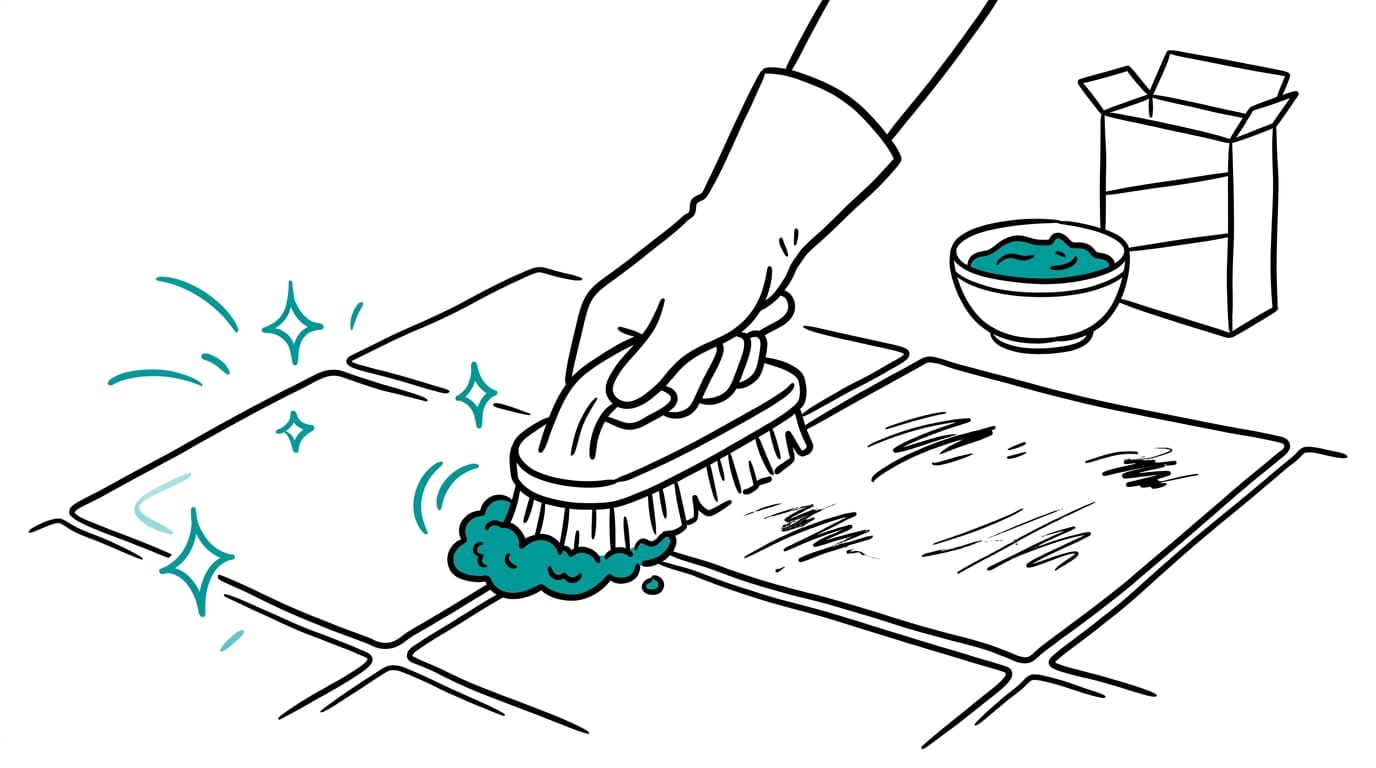
Tile cleaning with baking soda uses a mild abrasive powder or paste to lift everyday grime from tile and grout. Apply a suitable mix, let it sit for 5 to 10 minutes for routine dirt or longer for stubborn marks, then scrub, rinse, and dry; use peroxide for tougher stains, keep vinegar off natural stone, and never mix vinegar with bleach.
Dull, grimy grout can make a bathroom look tired, even when the tiles themselves are fine. Think of a tenant getting ready for the end of a lease: a simple paste, a scrub brush, and a little patience can make it look ready for inspection.
Baking soda, already sitting in your kitchen cupboard, is a mild abrasive that lifts everyday grime without harsh fumes.
This guide covers simple recipes, how long to leave each paste on, which tiles suit baking soda, and when vinegar or peroxide is the better pick. We’ll also walk through a stain-first method for shower tiles and grout.
Methods for Tile Cleaning with Baking Soda
Baking soda works best with the right partner and enough time. Here’s how to choose and apply it.
Mixing baking soda with vinegar or peroxide
Pick a partner for your mark:
- Baking soda plus vinegar or lemon: the everyday option for light grime.
- Baking soda plus hydrogen peroxide: the pick for stubborn marks.
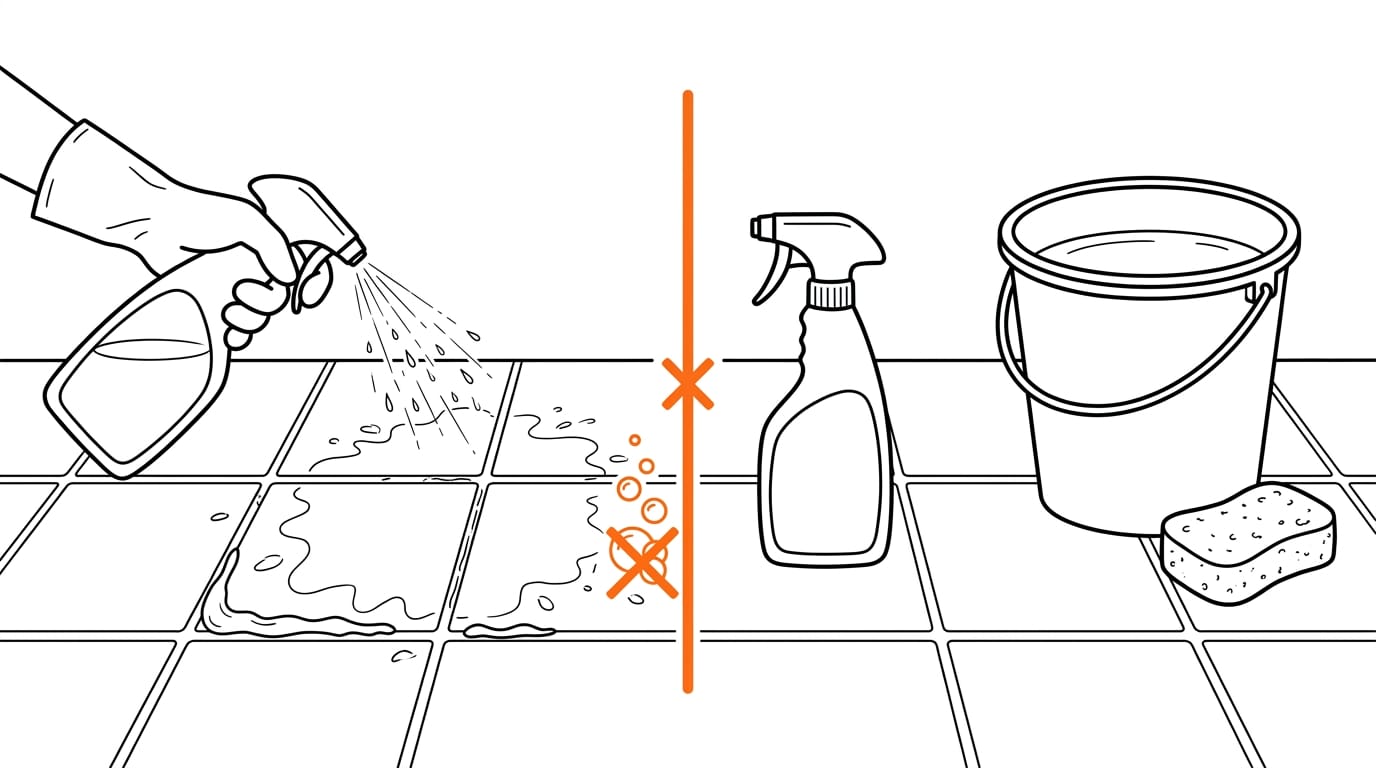
Don’t mix baking soda with vinegar in one bottle. They fizz and neutralize each other, so apply one, rinse, then the other.
Mist the mix from a spray bottle so the tile stays wet. That wet pause is the dwell time. Sprinkling dry powder is quicker, but a mixed solution gives you more control.
Can you use vinegar on bathroom tiles? Often yes on glazed tiles, but skip it on natural stone such as marble, where the acid can do damage.
Can you mix vinegar and Dawn? Keep them apart. Combining them won’t clean better, and they can work against each other, so use them separately and rinse in between.
What cleans floors better, vinegar or bleach? Bleach is the heavier hitter for tough marks, while vinegar is the gentler pick for everyday tile. Never combine them, since the mix can release harmful fumes.
Simple recipes and how much to use
- Basic mix: 7 cups of water with 1/2 cup of baking soda.
- Lemon juice and vinegar: the acidic partners to use in the mix.
- Equal parts soda and peroxide: mix into a paste for stubborn spots.
- Large floors: buy multiple boxes of baking soda so you don’t run short.
How do I clean my shower tiles?
Picture a parent who spots soap scum the night before school. A quick routine clears it before the morning rush. Treat the stain first, then the rest of the tile:
- Patch-test a hidden tile corner to make sure the mix doesn’t dull the finish.
- Spray or sprinkle the mix onto the tile, starting with the stain.
- Let it sit 5 to 10 minutes for everyday grime, or 30 minutes for stubborn marks, mould, or limescale on grout.
- Scrub with a brush along the grout lines.
- Mop with clean water, then dry with a microfiber cloth.
Patience beats elbow grease.
What you need before you start
Have these ready:
- Scrub brush: for grout lines.
- Scrubbing sponge: for tile faces.
- Spray bottle: for the mixed solution.
- Microfiber cloths: for drying.
Why This Method Works so Well
Baking soda is a plain pantry staple, but it does a lot of the heavy lifting on tile and grout.
Less scrubbing, stronger results than store cleaners
Baking soda cuts down on the scrubbing, because the paste does much of the lifting for you. Dirt melts off grout rather than sitting stubbornly in the lines.
It also fights stains that settle into grout, and it often beats store-bought cleaners at the job. It’s about less effort rather than more elbow grease. Your arms will thank you.
Gentle pantry ingredients you already own
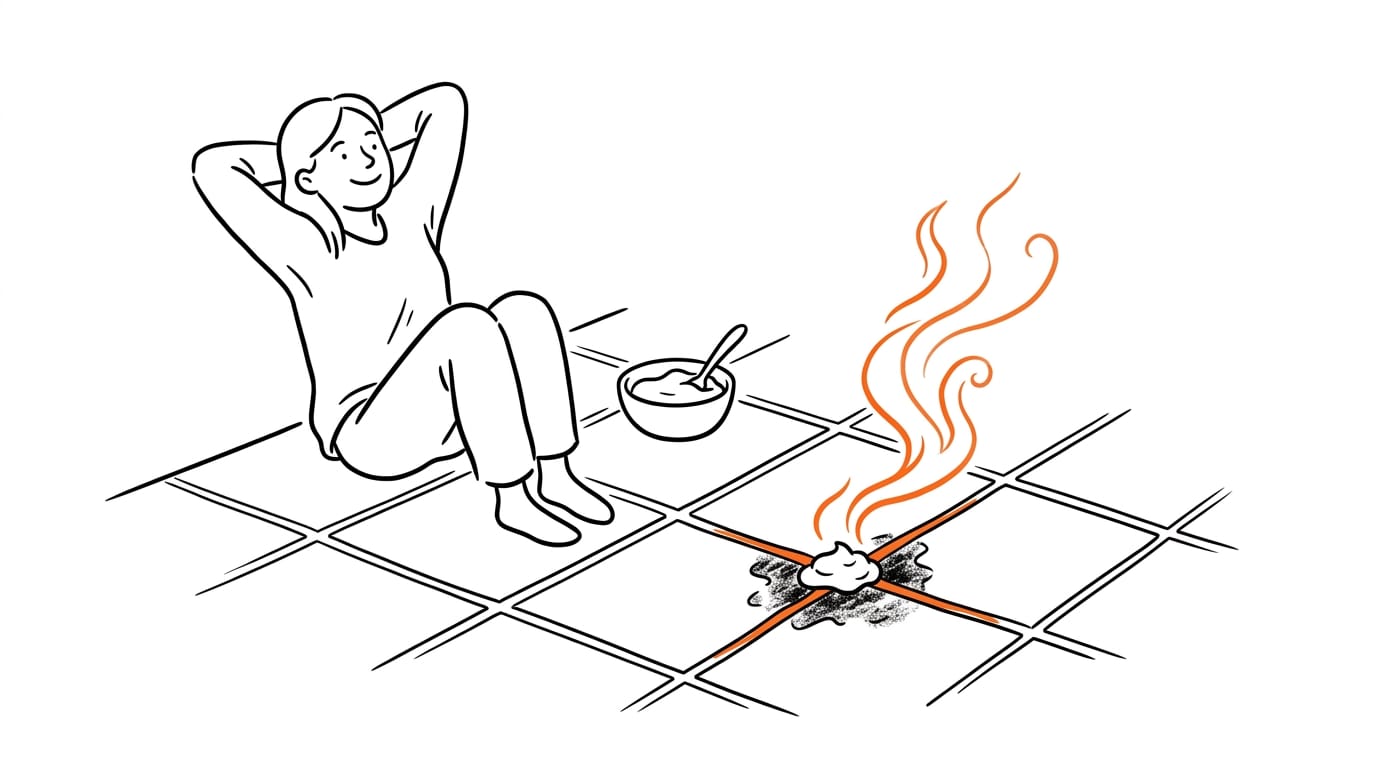
This is about gentle rather than harsh. Most of what you need is probably already in your kitchen cupboard.
- Fume-free cleaning. It avoids harsh chemicals and fumes, so the air stays fresh while you work.
- Household staples. It uses ingredients most homes already stock.
- Saves money. Using household ingredients such as baking soda to clean tile and grout saves money. According to Good Housekeeping, a box of it is far more affordable than many cleaning products.
- Bleach alternative. It’s a gentler way to freshen grout when you’d otherwise reach for bleach.
Think of a parent giving the bathroom a quick Sunday-night clean. A sprinkle of baking soda, a splash of water, and an old toothbrush along the grout lines get it done before bedtime, with no bleach smell lingering for the kids.
Where this viral tile hack started
The method took off on TikTok, where a homeowner with old bathroom tile shared the process. The before and after results showed the grout looking noticeably cleaner.
Viral clips can oversell a quick fix, so the rest of this guide sticks to what you can realistically expect.
Other Jobs for Baking Soda and Lemon
Once your tiles are sorted, the same staples can handle more of the house. Here’s where they earn their keep.
Using baking soda on other surfaces
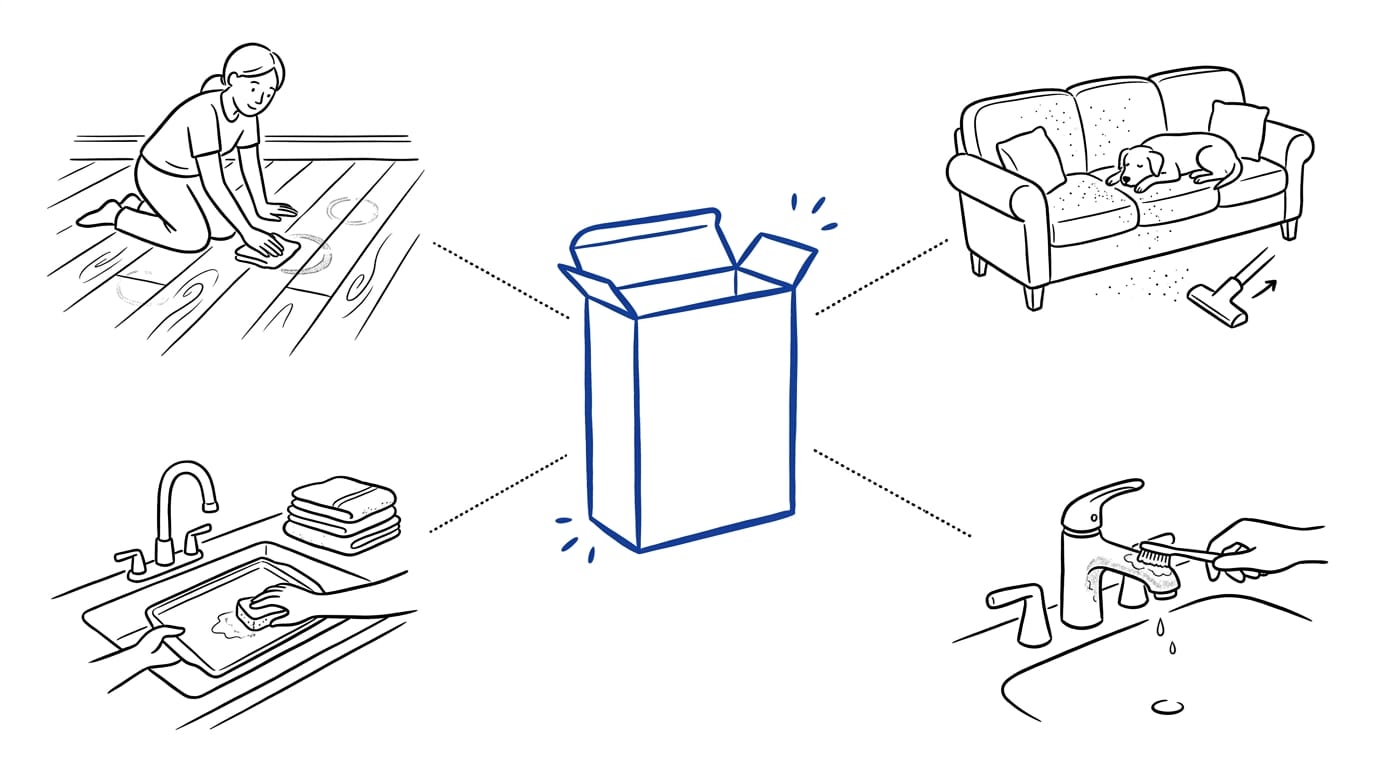
For example, a homeowner with a faint ring on hardwood can mix baking soda and water into a paste, rub it gently along the grain, then wipe dry. Use a light touch, since gentle wins on wood.
Pet owners can sprinkle baking soda over a sofa or pet bed, leave it to sit, then vacuum. A host with a greasy baking sheet can scrub it with a damp paste, and a spoonful in a laundry load helps freshen fabrics too.
Chalky buildup from hard water (water rich in minerals) on faucets responds to the same paste. Scrub it with an old toothbrush, then rinse.
Easy lemon tricks for the whole house
Lemon’s acidity cuts grime and leaves a fresh scent. Here’s where it helps:
- Laundry brightening. Add a splash of lemon juice to a load of whites.
- Shining chrome fixtures. Rub a cut lemon half over chrome, then buff dry.
- Freshening the garbage disposal. Run a few lemon pieces through with cold water.
- Glass cleaner spray. Mix lemon juice and water in a spray bottle.
- Toilet bowl deodorizing. Squeeze juice into the bowl, let it sit, then scrub and flush.
- Roll, then deseed. Roll the lemon firmly on the counter, then cut it and pick out the seeds.
Quick fixes for water marks and scratches
For a white water ring, rub a little Vaseline, a brand of petroleum jelly, into the mark with a soft cloth, then wipe off the excess. To hide a light scratch on wood furniture, rub the cut side of a walnut half along the line, then buff gently.
Test in a hidden spot first; you don’t want a surprise.
Baking soda won’t tackle every mark, but for everyday grime on tile and grout, it’s an inexpensive place to start. Match the recipe to the surface, give the paste enough time to work, and switch to vinegar or peroxide only when the job calls for it.
Tackle the stain first and the rest of the job gets much easier. Pick the right method for the surface, and your bathroom will look its best.
References
- How to Use Baking Soda for Home Cleaning, According to Pros — goodhousekeeping.com (2026)
Questions
How do I clean my shower tiles?
Patch-test a hidden tile first. Apply a baking soda cleaning mix to the tile, let it sit for 5 to 10 minutes for everyday grime or up to 30 minutes for stubborn marks, then scrub the grout lines with a brush. Rinse or mop with clean water and dry with a microfiber cloth.
Can baking soda be used to clean tile grout?
Yes. Baking soda is a mild abrasive that can lift everyday grime from grout. Mix it with water into a paste, apply it to the grout, let it dwell, scrub with a brush, then rinse clean.
Can I use hydrogen peroxide to clean tile floors, and if so, how?
Yes. For stubborn marks, mix equal parts baking soda and hydrogen peroxide into a paste. Test it on a hidden area first, apply it to the mark, leave it for up to 30 minutes, scrub, then rinse with clean water and dry.
Can I use vinegar to clean tiles?
Vinegar can clean many glazed tiles, but avoid it on natural stone such as marble because its acidity can damage the surface. For everyday tile grime, vinegar is a gentler option than bleach. Never mix it with bleach.
Can you clean tile with vinegar and Dawn dish soap?
It is better to use vinegar and Dawn separately rather than combine them. They do not clean better together and can work against each other, so apply one, rinse, then use the other if needed.
Is vinegar good for washing tile floors?
Vinegar can be used on glazed tile floors for everyday grime, but avoid it on natural stone such as marble. Rinse the floor with clean water after cleaning, and do not mix vinegar with bleach.
Can I make floor cleaner with Dawn dish soap and vinegar?
Avoid mixing Dawn and vinegar into one floor cleaner. Use them separately and rinse between applications; for routine tile cleaning, a baking soda and water mix is another option.
What cleans floors better, vinegar or bleach?
Bleach is the stronger choice for tough marks, while vinegar is gentler for everyday tile cleaning. Avoid vinegar on natural stone such as marble, and never combine vinegar and bleach because they can release harmful fumes.
Sources
- How to Use Baking Soda for Home Cleaning, According to Pros, goodhousekeeping.com,
More in Bathroom
- Black Spots in Shower Grout: Causes and FixesBlack spots in shower grout are usually mold or mildew. Check shower safety, clean the growth in the right order, and prevent spots from returning.
- Tile and Grout Cleaning Explained: Methods and CostsTile and grout cleaning tackles murky grout without dulling tile glaze. Compare DIY steps with professional options and typical UK costs before you start.
- How to Remove Paint from Tile: A Complete GuideHow to remove paint from tile depends on whether it’s wet, dry, water-based, or oil-based. Use cupboard staples to lift paint from tile and grout safely.
Stain Finder: a free stain removal guide
Find your stain