Baking Soda to Remove Stains: What Works and What Doesn't
Baking soda to remove stains can lift some marks from fabric and surfaces. Find out what it works on, when to use peroxide, and what not to mix.

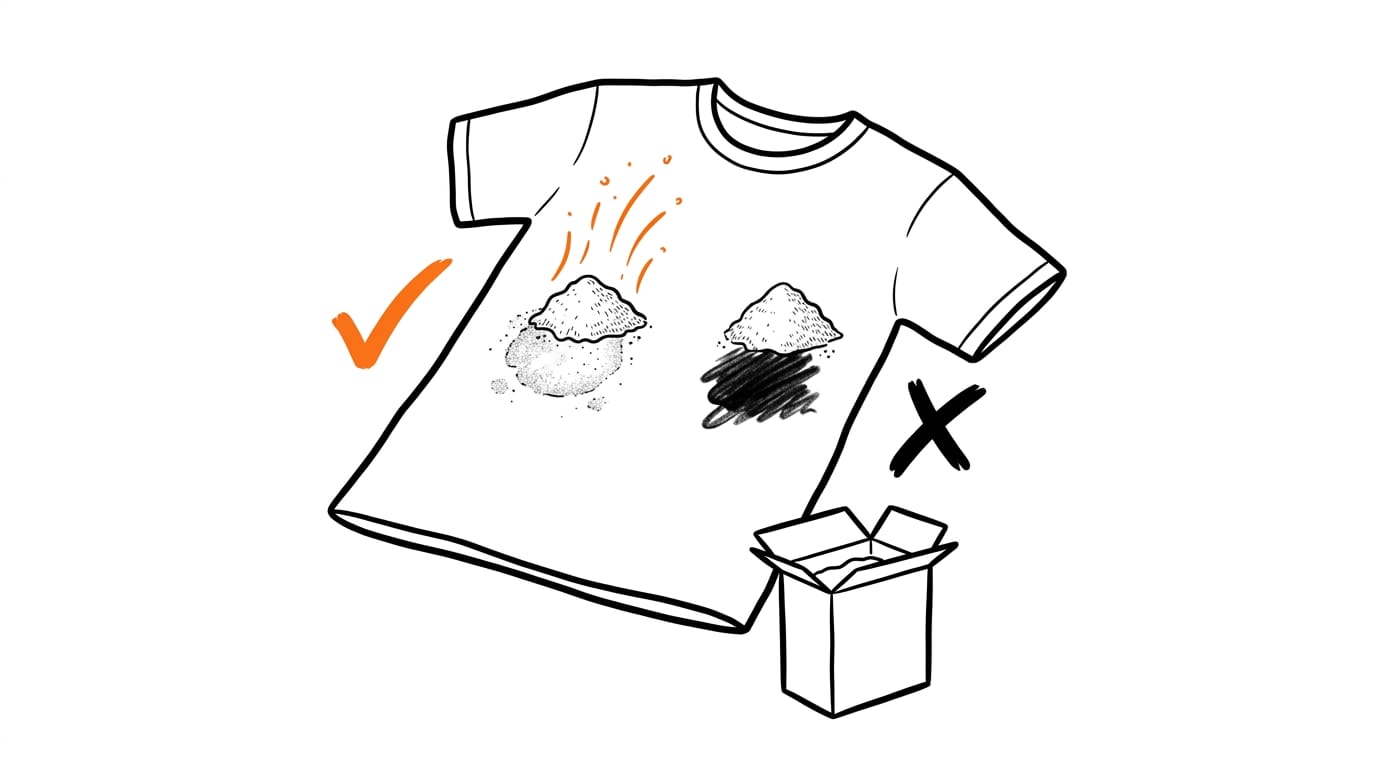
Baking soda, also called bicarbonate of soda, is a mild household powder that can lift some fresh stains and absorb odors from fabric, carpets, and hard surfaces. Use a dry sprinkle to absorb grease, or make a paste for gentle treatment; blot instead of rubbing, and test a hidden area first. It works best on recent, light marks, not every stain, so use a dedicated cleaner or call a professional for stubborn, deep, or unsuitable stains.
Picture this: coffee has just splashed across the sofa cushion, and you’re already searching for the fastest fix.
Baking soda, also called bicarbonate of soda, is a gentle powder you probably already own, and it can lift certain marks and freshen fabric without harsh chemicals.
Here’s the plain answer: baking soda works on some stains and not others, so knowing which is which saves time. In this guide, we’ll cover which stains it beats, which it doesn’t, and how to use it on fabric, carpet, and hard surfaces.
You’ll also get a cupboard-only method order for a mark you’re dealing with right now.
Why Baking Soda Works to Remove Stains
Baking soda is probably already in your cupboard, which makes it a handy first move for a fresh mark. Here’s how it works, why it’s a sensible choice, and which stains it handles and which need something stronger.
How baking soda works
Baking soda, known as bicarbonate of soda in the UK, has a few properties that make it useful around the home:
- Mild abrasive action: its fine, gritty texture helps lift residue when you scrub gently.
- Odour absorption: it absorbs and neutralises odours, so it tackles smells as well as marks.
- Fizzing reaction: it reacts with acids and fizzes.
- Alkaline nature: it’s a basic substance, the opposite of acidic.
Why it’s a cheap, natural choice
It’s a natural product, and it’s gentle enough for a busy home. Poison Control notes that mild alkalis like sodium bicarbonate are not caustic and are generally safe to use around children and pets.
That makes it a safer choice than harsh chemicals for everyday cleaning.
It’s cheap and easy to find, and its simple packaging suits anyone choosing eco-friendly cleaning. It’s also versatile.
Consider a home cleaner who uses one box for a stained mug, a smelly bin, and a grimy sink, saving them from buying three separate products. One box, three jobs.
Where baking soda falls short
Baking soda won’t beat every stain. It’s a useful step for everyday marks, but set-in dye, ink, and protein stains often need a dedicated remover, so don’t be surprised if it barely makes a dent.
Treat it as a starting point rather than a complete fix. Cheap, but not magic.
Lifting Stains and Odors from Clothes
Most fabric marks lift more easily when you act quickly, and baking soda (bicarbonate of soda) is a cupboard staple that handles many of them. Here’s how to use it on clothes, from paste to wash, plus what to protect before you start.
Working a baking soda paste into fabric
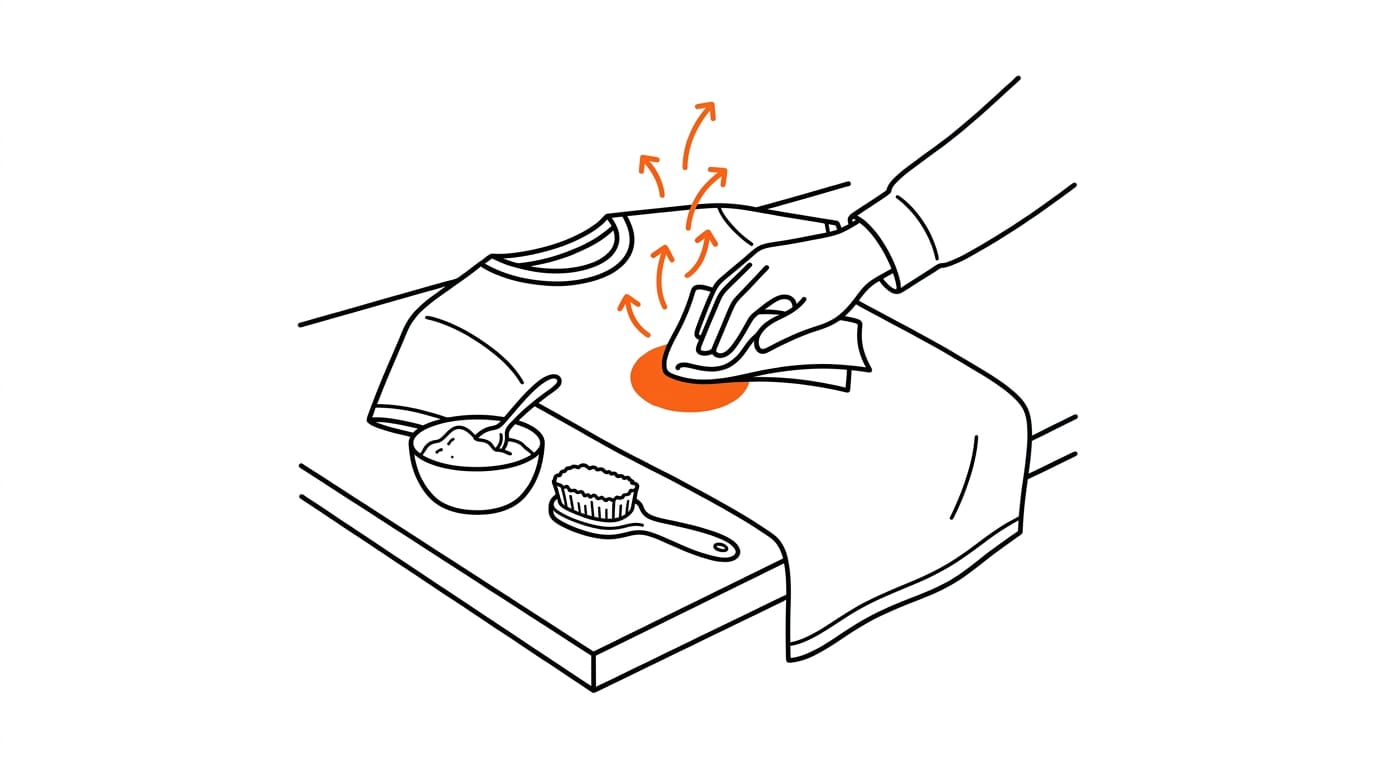
- Add water to the baking soda a splash at a time until you have a thick, spreadable paste.
- Blot the stain, then work the paste in gently with a soft brush.
- Let it dry or sit for 15 to 30 minutes.
- For tough stains, repeat the process.
- Brush off the dried paste, then wash as usual.
Blot first, never rub. The goal is to lift the mark, not push it deeper into the fabric, so resist the urge to scrub.
Grease and oil need absorbing first. Sprinkle dry baking soda on the mark, let it draw up as much as it can, brush it off, and only then add paste.
Will vinegar remove mud stains? This section doesn’t include a tested vinegar method for mud, so we can’t promise it will lift the mark. Let the mud dry, brush off the loose soil, then treat what’s left with the paste above.
Soaking or adding it to the wash
- Soak: Dissolve baking soda in warm water, then soak the garment.
- Overnight: Sprinkle baking soda on a wet stain and leave it overnight.
- Odors: Add baking soda to the wash to tackle lingering smells.
How to whiten sheets with vinegar? That’s a different job. This section sticks to baking soda, so for sheets, follow the soak above, since we don’t have a tested vinegar routine to offer.
Tackling sweat and underarm stains
Sweat marks use the same paste method: apply a thick layer, let it dry, brush off the residue, then wash in lukewarm water.
Yellow underarm marks on whites follow the same steps. Think of a parent who spots yellowing under the arms of a white school shirt the night before term starts. One paste, a quick brush, and a lukewarm wash can save the shirt from the bin.
Protect delicate fabrics before you start
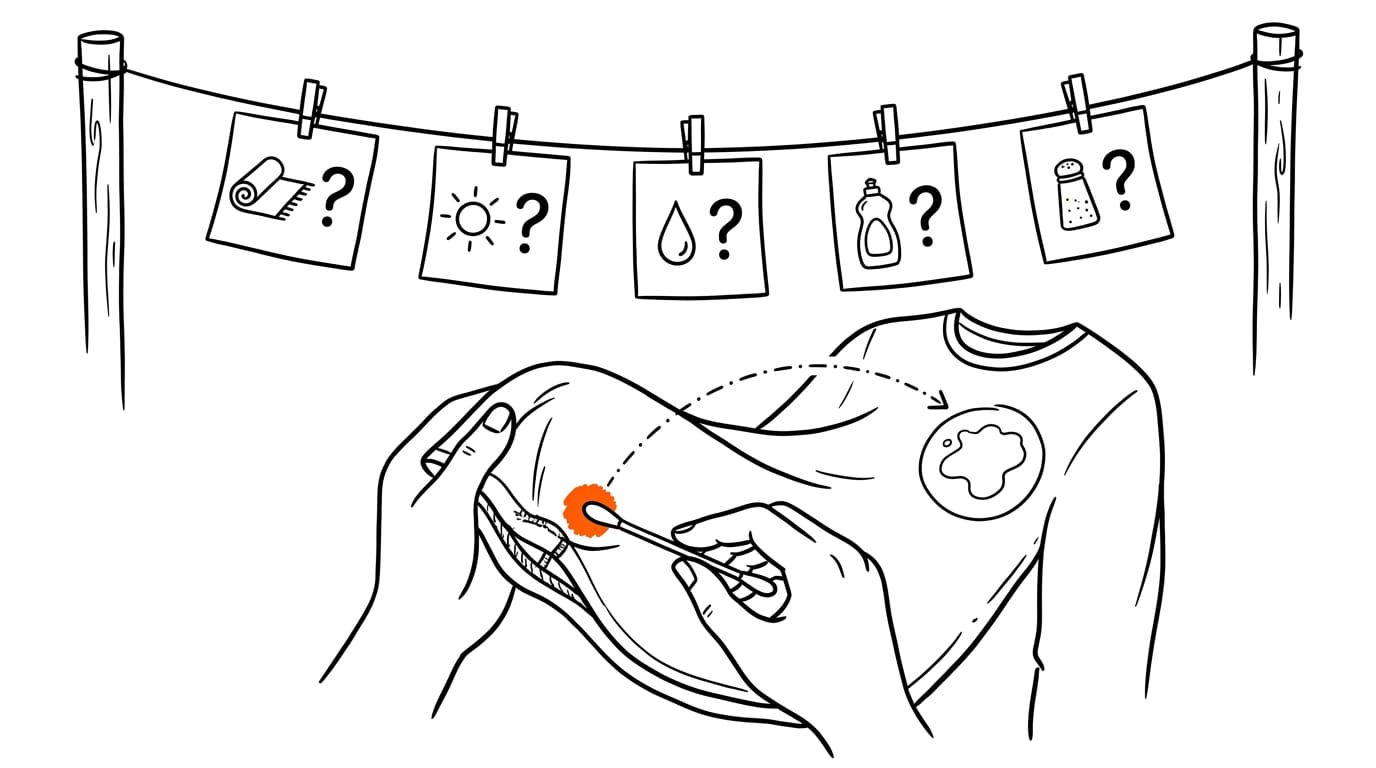
Check the care label before any paste touches the garment. Then run a spot test on an inconspicuous area, like the inside hem, and see how the fabric reacts. Test before you treat, not after.
- Silk and wool: Avoid paste on these fabrics.
- Peroxide mixes: If you use one on a stubborn mark, don’t leave it on too long.
Ready-made eco laundry strip options
If you’d rather skip the mixing, eco-friendly laundry strips are a ready-made option. Some brands describe theirs as hypoallergenic and biodegradable.
Treat those as the maker’s claims, and check the packaging for details that matter to you before you buy.
Cleaning Hard Surfaces Around the House
Hard surfaces are where baking soda earns its place in the cupboard, but the method changes with the surface.
Kitchen surfaces like stovetops and sinks
Stovetops, sinks, and glass all respond well to a gentle scrub. For baked-on residue, mix a little water into baking soda until it forms a paste, spread it over the mess, and let it sit briefly before you scrub.
On stainless steel, work with the grain, the faint lines along the metal, not against it. Scrubbing across them can leave fine scratches. Small habit, big difference.
Getting bathroom grime and grout clean
Grout lines hold grime, so you’ll want a thicker paste here. Mix baking soda with just enough water to hold its shape, work it in with a stiff brush, and keep going until the grime lifts.
Soap scum, the filmy layer soap leaves on tubs, responds to the same treatment. Rinse with warm water afterwards so no powdery residue dries white on the surface.
Wiping scuffs off walls and baseboards
Think of a tenant with a scuff from a toddler’s shoe on the baseboard just before a move-out inspection. Dip a damp cloth into baking soda, then wipe with a gentle circular motion rather than a hard scrub.
With luck, the scuff lifts without a pot of paint or a trip to the shop. Flat and matte paint can dull more easily than gloss, so test a hidden patch first.
Drains, ovens and other handy uses
- Unclogging drains. Sprinkle baking soda down the drain, then follow with hot water once it has had time to work.
- Cleaning ovens. Spread the same paste over the oven walls, leave it to work, then wipe it clear.
- Jewelry and appliances. A soft paste can help polish some jewelry and the outside of small appliances, but test a hidden spot first.
- Antacid and insecticide. Baking soda also shows up as an antacid for an upset stomach and as a homemade insecticide. Those jobs go beyond cleaning, so check with a pharmacist or pest-control expert before you try them.
Freshening Carpets, Sofas and Mattresses
Soft furnishings hold on to both marks and smells, and baking soda (bicarbonate of soda) is a cupboard staple that can help with each.
Treating carpet and rug stains
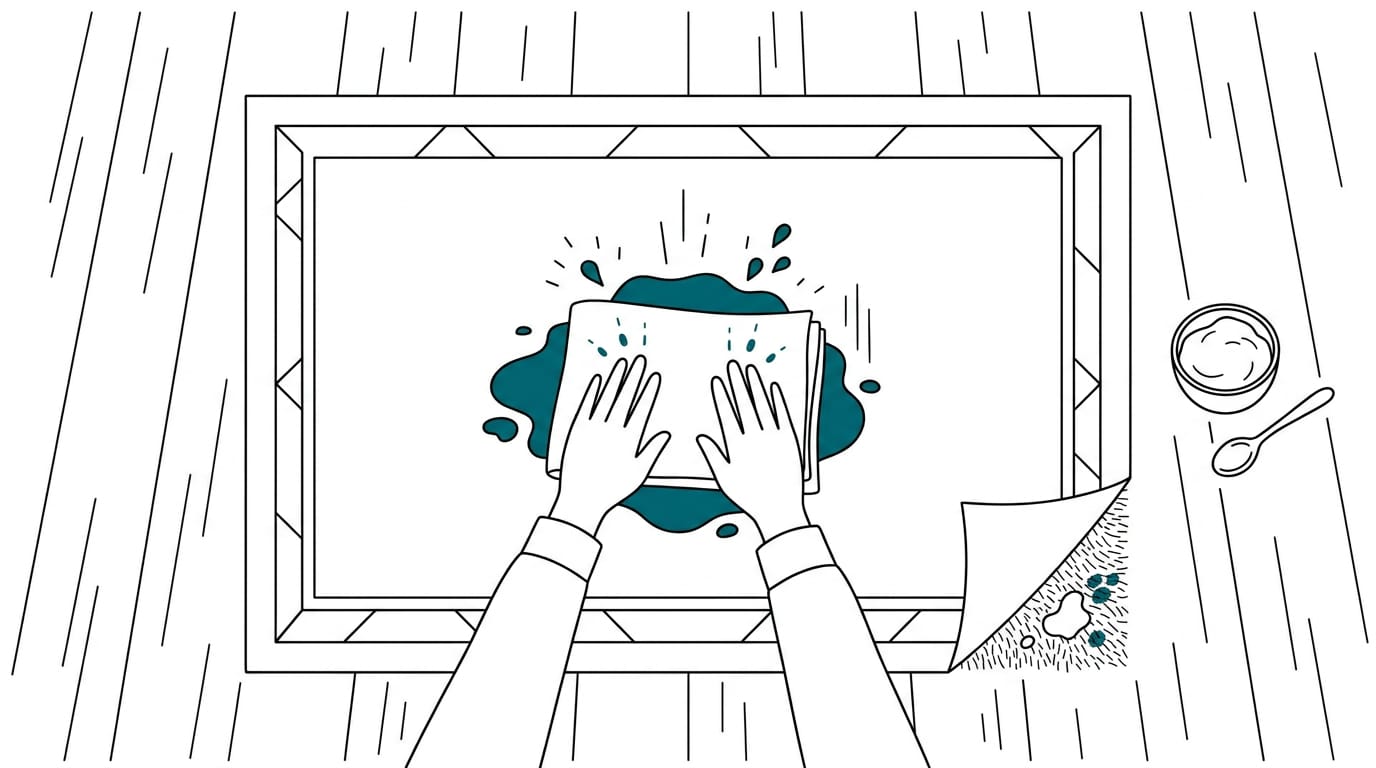
Always blot a fresh spill first. Press a clean cloth into it rather than rubbing, so less of it sinks into the fibres. Blot, don’t scrub.
Once you’ve lifted what you can, sprinkle baking soda over the mark, leave it to work, then vacuum. For a stubborn mark, mix baking soda with a little water into a thick paste, let it dry completely, then vacuum it away.
Wool rugs need a test first. Dab a little paste on a hidden corner before you treat the stain.
What to use after pet accidents
Pet accidents need two tools. Baking soda tackles the odour, not the source. Use an enzymatic cleaner (a product with enzymes, made for pet urine) on the urine itself, then sprinkle baking soda on the dry patch to freshen the smell.
Consider a dog owner who finds an accident on the hallway rug. Treating it this way means the rug stays in the hallway instead of heading for the bin.
Caring for sofas and mattresses
Sprinkle baking soda generously over the cushion or mattress and leave it for a few hours to soak up smells. Then vacuum with the upholstery attachment, working along the seams where the powder likes to hide.
For a mark on light fabric, mix baking soda with hydrogen peroxide into a paste. Test a hidden patch first, dab it on, let it dry, then vacuum.
Check the cleaning code tag before you start. If it rules out water, skip the paste.
Homemade Stain Remover with Dawn and Peroxide
When a mark is already setting, a quick homemade mix can be your first move. It’s built from things you may already have: dish soap, baking soda (bicarbonate of soda), and hydrogen peroxide, the bottle in the first-aid cupboard.
What to mix and how much
Measure everything into a small bowl. The ratio is 1:2:1 tablespoons: one part Dawn, two parts peroxide, one part baking soda.
- 1 tablespoon Dawn dish soap
- 2 tablespoons 3% hydrogen peroxide
- 1 tablespoon baking soda
Check the bottle says 3%. Mix a small, fresh batch each time rather than keeping a jar on the shelf.
Scrubbing it in and letting it sit
Picture a parent who spots a ballpoint mark on a school shirt collar just before the morning run. A quick scrub, a short wait, and a normal wash can mean the shirt goes back on the hanger instead of the bin.
- Work the mix into the fibres with an old toothbrush, rather than smearing it over the top.
- Let it sit for up to an hour.
- Launder as usual.
- If the mark hangs on, treat it again. You may need more than one round.
Scrub, wait, wash.
Which stains this mix can lift
The mix is aimed at these marks:
- Pen, chocolate and grease: the everyday marks this mix is built for.
- Blood, underarm and baby stains: the mix is aimed at these too, but check a hidden spot first.
- Old set-in stains: these are on the list too, but expect more than one round.
- Coconut oil: we don’t have a verified result for this one, so treat it as a test. Dab a hidden spot and check before you work on the visible mark.
Risks, swaps and how to store it
- Peroxide can bleach colours. Test a hidden seam first, especially on coloured fabric.
- Other dish soaps vary. This mix is built around Dawn, so a different brand may not behave the same way.
- It separates when stored. Stir before use, or make a fresh batch.
- Light weakens peroxide. A Nature study on sunlight and hydrogen peroxide found that sunlight breaks the chemical down in solution, so keep the bottle in a cupboard, not on a sunny sill.
Other tips readers have suggested
Readers have shared a few extra tricks. We haven’t verified them, so treat them as tips to test, not guarantees:
- Vinegar-water for carpets: readers suggest a vinegar and water mix for carpet marks.
- Sunshine for whitening: readers suggest drying whites in the sun. That’s the same light that weakens peroxide, so keep the mix itself out of the sun.
- Spit for blood: readers suggest spit on blood marks.
- Enzyme cleaners for odours: readers suggest enzyme cleaners for lingering smells. These are shop-bought, so they’re a swap rather than a cupboard fix.
- Salt soak for bleeding dye: readers suggest a salt-water soak when dye runs.
Test a hidden spot first, every time.
Safety Limits and What Not to Mix
Baking soda isn’t safe on every surface, and some household mixes are dangerous. It’s less about whether soda works and more about where you use it and what you mix it with.
Surfaces that soda can damage
Soda can damage these surfaces:
- Aluminum
- Unfinished wood and waxed surfaces
- Natural stone like marble
Go gently on leather and wallpaper too. When in doubt, leave the soda in the cupboard.
How long do you leave baking soda and vinegar?
You don’t leave them together. According to the paper Acid-Base Reactions with Carbon Dioxide, vinegar and baking soda produce carbon dioxide gas, which is the fizz you see.
That fizzing means they neutralize (cancel out) each other, so neither is left to clean.
Picture a tenant who splashes vinegar on a sink stain, then sprinkles soda on top. All they get is fizz.
Use them separately instead: apply one, rinse, then use the other. Our sources give no set wait time, so skip the combined mix altogether.
After using either one down a drain, run hot water through to rinse the residue. We don’t have a verified plumber’s view on pairing the two, so we won’t guess at one.
Mixing rules and what to avoid
According to Alabama Public Health, bleach, vinegar, and ammonia should never be mixed with one another. Bleach with ammonia makes a toxic gas, and bleach with vinegar can release chlorine gas.
Picture a parent scrubbing the bathroom with bleach, then follow with vinegar on the same tiles. That’s a gas risk, not a double clean.
Never mix baking soda with commercial cleaners. Before any stain, follow three habits:
- Spot-test a hidden corner first.
- Blot the mark, don’t rub.
- Rinse off any residue.
Common Questions and When to Hire Help
Most baking soda questions come down to the stain, the timing, and the paste, so here’s how we’d handle each one and when to call for backup.
Quick answers on stains, timing and paste
Baking soda (bicarbonate of soda) works best on fresh, light marks like coffee, juice, or a smear of grease. Consider a home cook who drops gravy on the hallway carpet: a paste applied straight away lifts the mark far more easily than one left to set.
Stir in just enough water to make a thick, spreadable paste, about the texture of toothpaste. Too runny and it spreads past the mark; too dry and it won’t grip.
Leave the paste until fully dry, then brush or wipe it away with a damp cloth. Don’t rush this part.
Skip it on delicate or unlabelled fabrics unless you’ve tested a hidden patch first, and avoid glossy or soft surfaces, which can scratch. A quick test first can save the item.
Letting a pro deep clean for you
Baking soda suits small, recent marks, but it has limits. Call a professional when:
- The mark is large or has spread across a wide patch of carpet or upholstery.
- The stain is old and has dried deep into the fibres.
- It has soaked through to the underlay or padding.
Consider a pet owner who has tried paste twice on an accident that soaked into the underlay. The mark hasn’t budged, and every extra scrub risks spreading it. A professional deep clean reaches what a surface treatment can’t, saving the carpet.
If you’d rather not gamble on a second round, a professional deep clean is the easier route. Keep baking soda for the quick fixes and leave the deep jobs to a specialist.
Baking soda won’t fix every mark, but for the right stain it’s one of the most useful things already sitting in your cupboard. Match the method to the surface, work while the stain is still fresh, and know when a mark needs more than a home fix.
That combination is what saves the carpet, the shirt, or the sofa.
Act fast, stay gentle, and let what’s already in your cupboard do the work.
References
- Don’t Mix Household Chemicals — alabamapublichealth.gov (2025)
- The Effect of Sunlight Upon Hydrogen Peroxide 2 — nature.com
- Acid-Base Reactions with Carbon Dioxide — doi.org (2002)
- Top tips for a safe spring cleaning — poison.org (2025)
Questions
How do you make a baking soda paste?
Add water to baking soda a little at a time until it forms a thick, spreadable paste, about the texture of toothpaste. Blot the stain first, gently work in the paste, leave it for 15 to 30 minutes or until dry, then brush it off and wash the fabric.
How to use bicarbonate of soda?
Bicarbonate of soda can be used as a gentle cleaner, deodoriser, and stain treatment. Mix it with a little water to make a paste for suitable fabrics, grout, sinks, or other hard surfaces; test a hidden spot first and avoid delicate fabrics and surfaces such as marble or aluminium.
Is it effective to soak clothes in baking soda and vinegar overnight?
Soaking clothes overnight in a mixture of baking soda and vinegar is not a reliable approach: the ingredients react and neutralise each other. Use them separately, rinsing between applications, or soak the garment in warm water with baking soda.
Will vinegar remove mud stains?
Vinegar may be suggested as a home remedy, but it is not a guaranteed way to remove mud. Let the mud dry, brush off loose soil, then gently treat the remaining mark with a baking soda paste and wash the garment.
What's the best homemade stain remover for clothes?
A homemade option for some stubborn clothing stains is a fresh mix of 1 tablespoon dish soap, 2 tablespoons 3% hydrogen peroxide, and 1 tablespoon baking soda. Test it on a hidden area first, especially on coloured fabric, work it into the stain, leave it for up to an hour, then launder as usual.
Can baking soda be used to clean the bathroom?
Yes. Baking soda paste can help clean bathroom grout and soap scum; work it in with a brush and rinse with warm water. Test surfaces first and avoid natural stone such as marble, which baking soda can damage.
Will hydrogen peroxide remove old stains?
Hydrogen peroxide may help with old stains, though more than one treatment may be needed and results vary. A fresh mix of dish soap, 3% hydrogen peroxide, and baking soda can be tried on fabric, but test a hidden area first because peroxide can bleach colours.
What do plumbers say about baking soda and vinegar?
Baking soda and vinegar fizz together because they react and neutralise each other, so using them together does not leave either ingredient to clean effectively. Use them separately and rinse between applications; run hot water through a drain after using either one.
Sources
- Top tips for a safe spring cleaning | Poison Control, poison.org,
- Don't Mix Household Chemicals, alabamapublichealth.gov,
- Acid-Base Reactions with Carbon Dioxide, doi.org,
- The Effect of Sunlight Upon Hydrogen Peroxide 2, nature.com
More in Stain Removal
- How to Get Sweat Stains Out of Hats, Step by StepHow to get sweat stains out of hats: match the cleaning method to your hat type and stain age, with quick checks to prevent damage before washing.
- White vinegar for rust removal: a complete guideWhite vinegar for rust removal can loosen flaky rust, but soak times and aftercare matter. Compare its risks, costs, and alternatives before treating metal.
- Distilled White Vinegar for Laundry: The Complete GuideDistilled white vinegar for laundry can soften clothes, clear soap residue, and tackle odors. Learn how much to use and which safety cautions matter.
Stain Finder: a free stain removal guide
Find your stain