How to Wash Microfiber Cloths Without Ruining Them
How to wash microfiber cloths without losing their grip: sort them, skip fabric softener, choose a gentle wash, and revive stiff cloths again.

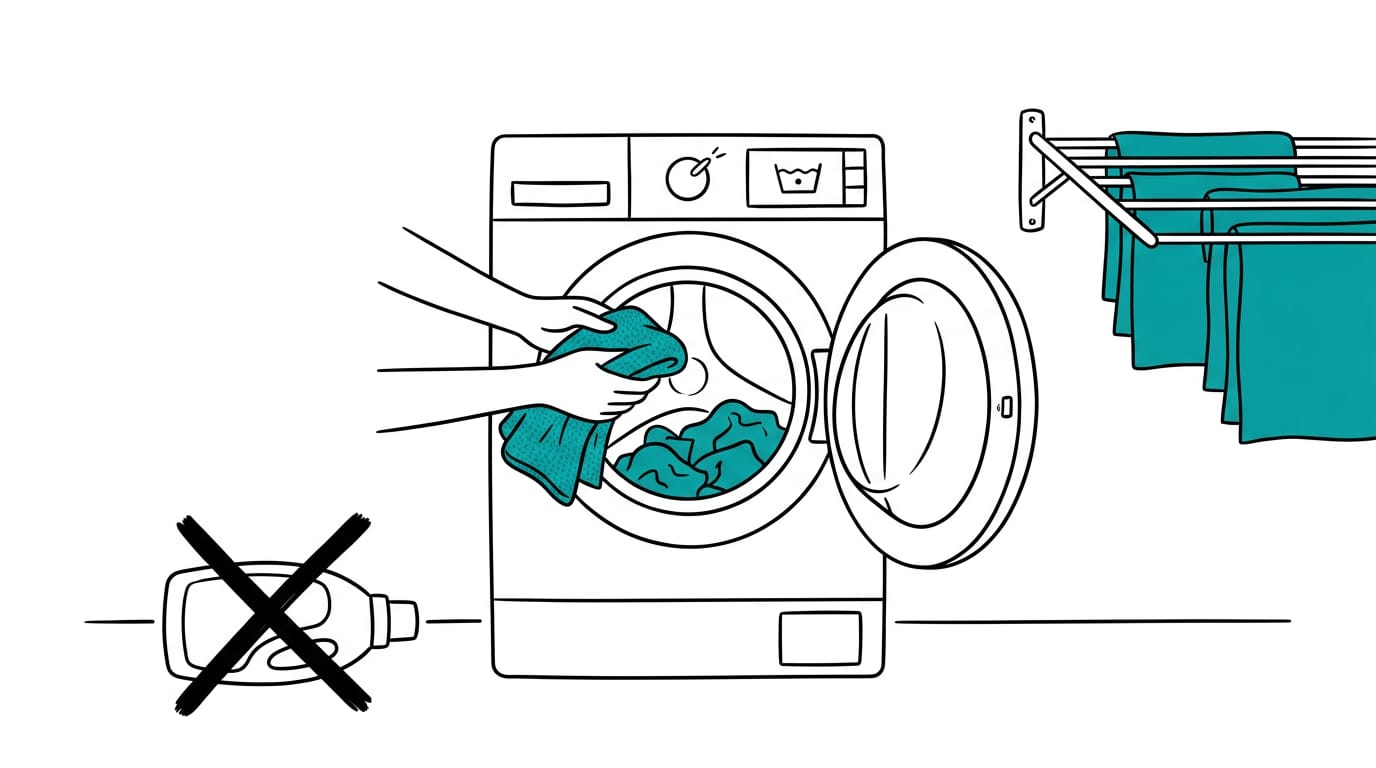
Microfiber cloths are fine synthetic-fiber cloths that lift and hold dust, liquid, and grime rather than simply pushing dirt around. Wash them separately from lint-shedding laundry in cool or warm water with a small amount of gentle liquid detergent, and avoid fabric softener, dryer sheets, bleach, and high heat. Wash cloths after each use, dry them fully before storing, and they can stay absorbent and useful through many washes.
Picture wiping tomato sauce off the kitchen counter, then tossing the cloth in with the bathroom towels. Microfiber cloths, the fine-textured cloths that grab dust and liquid so well, are a little pickier than that.
Get the wash wrong and they can lose their grip.
In this guide, we’ll walk you through how to wash them properly, from sorting and machine washing to hand washing, drying, and rescuing stiff cloths.
The short answer: wash them gently, use a mild detergent, skip the fabric softener, and let them dry without the heat blast.
Know Your Microfiber Cloths Before Washing
Microfiber doesn’t behave like an old cotton rag, so it helps to know what you’re working with before it goes near the washing machine. Here’s what’s happening inside the fabric and where it shines.
What microfiber is made from
Most microfiber cloths are a polyester and polyamide blend, meaning they’re built from two types of synthetic fibre. Polyamide is the same family of material as nylon.
It’s those ultra-fine synthetic fibres that let the cloth grip and lift dirt instead of simply pushing it around.
Synthetic fibres also carry an electrostatic charge, a built-in static pull that draws dust and fine particles towards the cloth. That helps it collect dirt rather than scatter it across the room. Simple, but clever.
Where microfiber cleans best
Microfiber earns its place in four main jobs:
- Car detailing and drying. Its fine fibres soak up water and grime from paintwork, which is why it’s a staple in car care.
- Glass cleaning. The fibres pick up smears and fingerprints from windows and mirrors.
- Home surfaces. Kitchen worktops, bathroom tiles, and skirting boards all respond well to a damp cloth.
- Carpet stain removal. A slightly damp cloth can help lift fresh marks from carpet.
Think of a parent who wipes the kitchen worktop after dinner with a damp cloth, then grabs a dry one to buff the bathroom mirror before the school run. Two rooms, one set of cloths, and no fresh roll of kitchen paper needed.
Get Laundry Ready Before the Wash
Most microfiber problems start before the machine is even switched on. A few minutes of sorting now keeps your cloths soft, absorbent, and ready for the next spill.
Keep microfiber away from other clothes
Microfiber works best when it’s washed with microfiber only, not alongside everyday laundry. Cotton and other items that shed lint (the loose fluff that comes off fabric in the wash) can cling to the cloth and cut down how well it picks up dirt.
Think of a parent who tosses the kitchen cloth in with the school jumpers, then finds the next wipe-down just pushes the mess around. Keep a separate bin for dirty microfiber towels too, so they never mix with clothes on the way to the machine.
Sort towels by color and job
Sorting goes beyond light and dark. Split your loads like this:
- Separate dark and light towels so dark dye can’t transfer onto lighter cloths.
- Sort by job or chemical type, so cloths used with harsh cleaners stay apart from the rest.
- Keep wheel and engine towels apart from paint towels.
- Label laundry baskets so everyone in the house knows where each cloth belongs.
- Keep kitchen and bathroom cloths separate.
Sorting only works if the baskets are clear. Labels take seconds.
Wash brand-new towels first
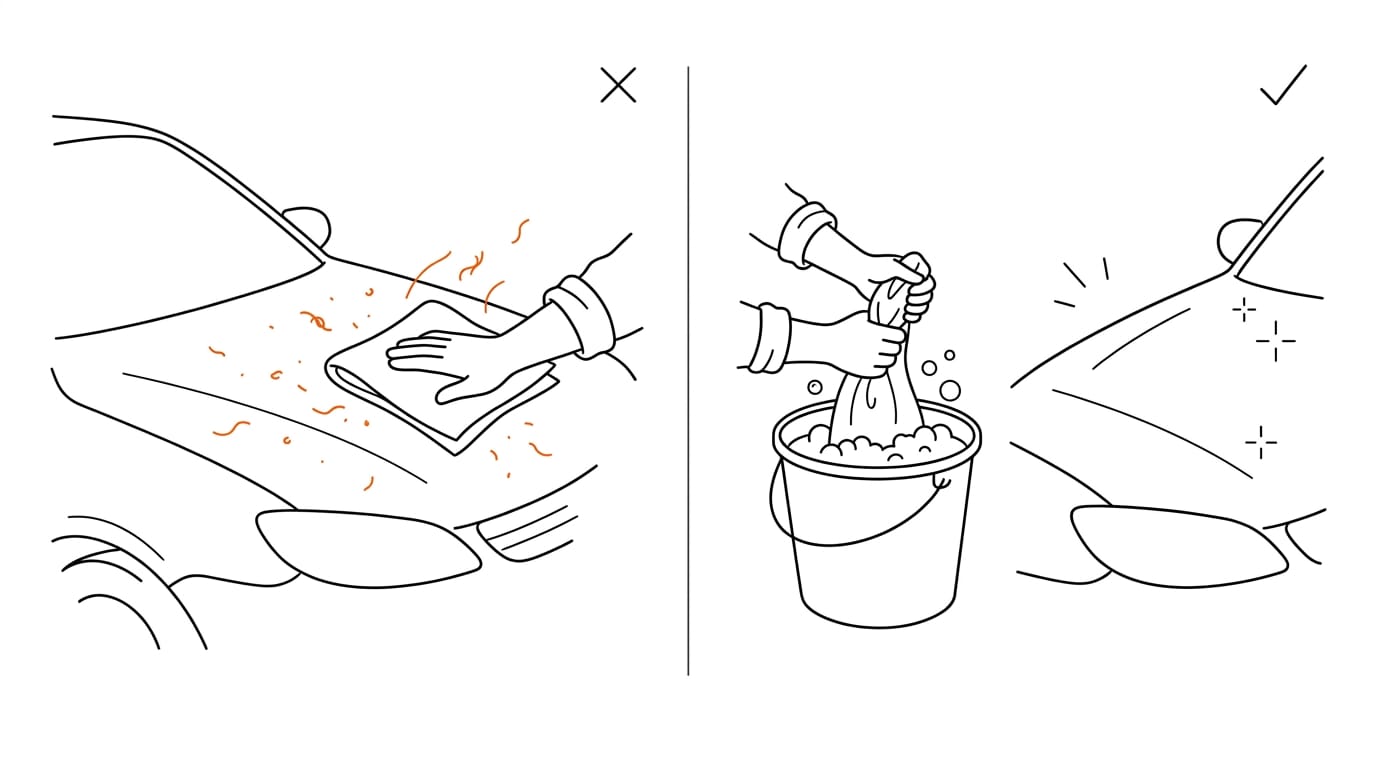
A brand-new cloth isn’t ready for use straight out of the packet. Loose factory fibers can come off during first use, so wash it before it touches anything you care about. That matters most for paint.
Picture a car owner who grabs a fresh cloth and buffs the bonnet straight away, risking loose fibers on the finish. Wash it first, then wipe.
Soak and pre-treat stubborn soil
Heavily soiled towels need a head start. Give them a soak before the main wash, and if the grime is stubborn, add an extra soak cycle.
Polish and wax residue is a typical problem on car cloths, so pre-treat those spots rather than hoping the machine will lift them. Consider a valeter who has spent the afternoon buffing wax off a bonnet.
Pre-treating those stiff, residue-caked cloths gives the wash a fair chance to lift the wax out.
How to Machine Wash Microfiber Cloths
Machine washing is simple once you get three things right: water temperature, cycle, and detergent. Here’s how to set each one.
Use cool or warm water
Choose cold or warm water, not hot, because heat can melt or damage the fibers. Skip any sanitize cycle too, since those cycles run hot. Keep the wash at or below 140°F, which is 60°C on UK machines.
Consider a home cook who runs kitchen cloths through a sanitize cycle after every greasy pan. A 60°C wash on a UK machine still gets them clean without risking heat damage to the fibers.
Choose the right cycle and settings
Set your machine like this:
- Cycle: choose a normal or bulky cycle.
- Rinse: add an extra rinse if your machine offers one.
- Machine type: these settings work in both high-efficiency (HE) and standard washers.
Keeping the cycle gentle and the water cool also helps cut down on microfiber shedding in the wash.
Go easy on the detergent
Use small, measured amounts, following the label’s dose for a light load. Heavier soil, like greasy kitchen cloths, needs a little more than usual.
Think of a parent who tips in a full cap just to be sure after a messy weekend. The extra soap doesn’t clean the cloths any better, and it leaves a residue behind. Less soap, cleaner cloths.
Choose Detergent and Skip Harsh Products
The right detergent keeps your microfiber cloths working the way they should. Here’s what to reach for, and what to leave on the shelf.
Which detergent works best
Look for a dedicated microfiber detergent made for these fibers, not everyday laundry. You’re aiming for a cloth that’s clean, not one that just smells fresh. It should be:
- A gentle liquid
- Free of scents, dyes, and softeners
Regular clothing detergent is less suitable, since it may include the scents and softeners you’re trying to avoid. Think of a parent who wipes the kitchen worktops, bathroom mirror, and hob with the same few cloths each week.
Washed in a gentle, fragrance-free liquid, they keep lifting grease without leaving streaks on the glass.
Skip dish soap, powders, and pods
Dish soap (washing-up liquid) is the wrong choice here, so avoid it. Powders and pods are no better, so skip them too. Each can leave streaks or residue, and a residue-covered cloth ends up leaving marks instead of removing them.
Save the washing-up liquid for the sink.
Softener and bleach damage the fibers
Three common habits work against your cloths:
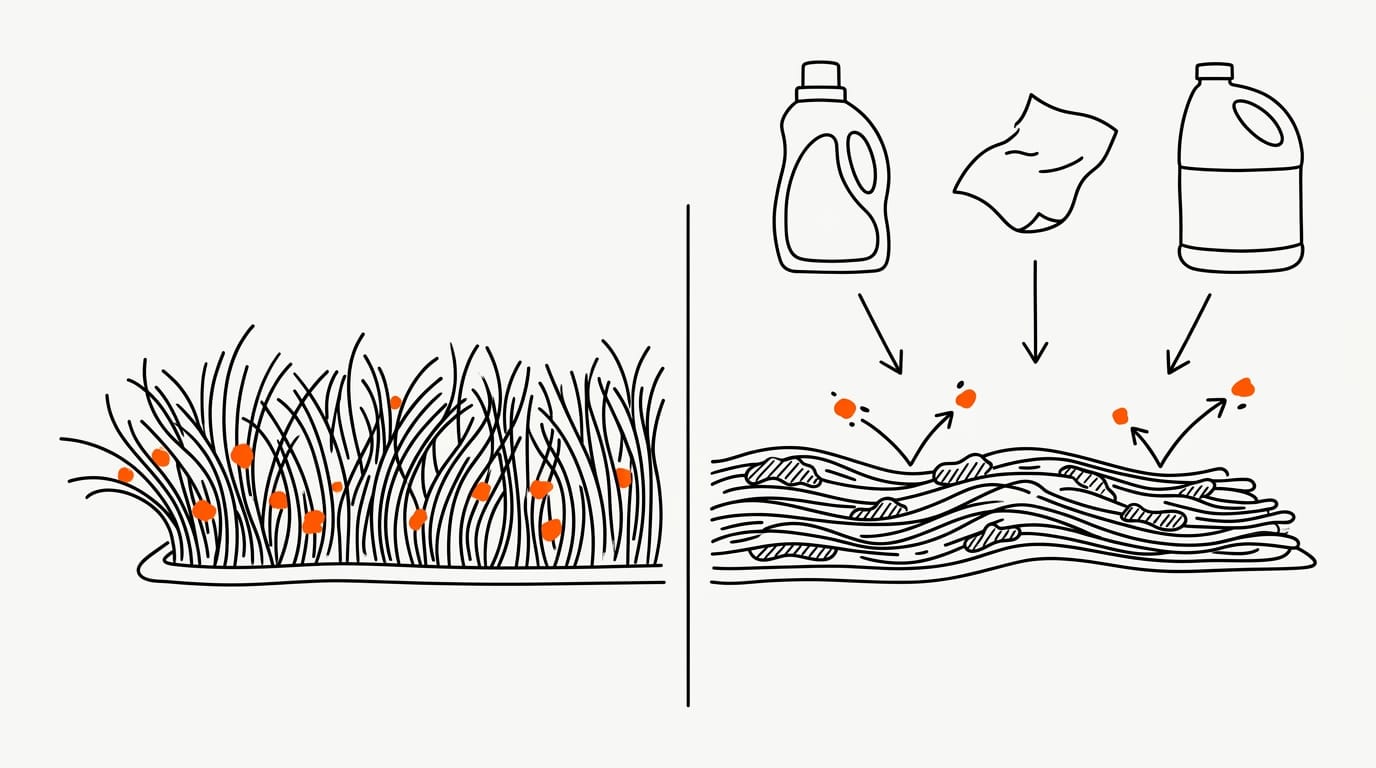
- Fabric softener clogs the fibers, so the cloth can’t grab dust and grime properly.
- Dryer sheets coat the fibers, adding a layer that gets in the way.
- Bleach weakens the fibers, and a weaker cloth cleans less well.
The result is reduced cleaning performance, and that’s the whole job of the cloth. It’s the cleaning that matters here, not the feel. Keep all three away from your cloths.
Drying Microfiber Without Damage
Drying is where many cloths get damaged, so take it slowly. Whether you use a machine or let them hang, the goal is gentle drying, not quick drying.
Use low heat or none in the dryer
If you’re tumbling your cloths, set the dryer to low heat or no heat at all. High heat can melt the fibers or leave them stiff, so keep the dial low. Keep these habits in mind:
- Clean the lint trap first. Start each load with an empty filter.
- Dry only with like towels. Keep them away from heavier loads.
- Skip the dryer sheets. Leave them in the box for these cloths.
Letting cloths air dry
Air drying is the gentlest option of all. Hang them on a line, away from direct heat. Consider a home cleaner who wipes down the kitchen and bathroom every evening and hangs the day’s cloths on an airer by the back door.
By morning they’re dry and ready for the next round, with nothing melted or stiffened.
Once they’re dry, rub the cloths together to fluff the fibers back up. If they still feel stiff, finish with a short, low-heat tumble to soften them. Gentle wins.
Washing Cloths by Hand
Washing by hand needs nothing more than a sink, a little patience, and a few simple steps. Here’s how we’d approach it, plus how to handle a cloth right after use.
Steps for washing by hand
Work through these five steps in order:
- Fill with warm or cold water. Use a sink or basin, and make sure the cloths can move freely in the water.
- Add a small amount of detergent. Resist the urge to add more, since a small amount is all you need.
- Soak for 15 to 30 minutes. Let the cloths sit so the detergent can get to work.
- Rinse until there are no suds. Run clean water through each cloth, and keep going until the bubbles are gone.
- Squeeze, don’t wring. Press the water out gently with your hands. Think squeeze rather than wring.
Rinse cloths right after using them
Rinsing soon after use beats rinsing later, and it’s one of the easiest habits to build. Consider a parent who wipes up a splash of tomato sauce from the hob.
Rinsing that cloth in warm soapy water straight after means the sauce never gets the chance to dry on, so the cloth is ready for the next spill.
- Rinse in warm soapy water. Do it as soon as you’ve finished with the cloth.
- Keep stains from setting. Rinsing early means the mark has less chance to bed in.
- Reuse lightly soiled cloths. If a cloth has only a light mark, a rinse may be all it needs before it goes back to work.
Quick habit, big payoff.
Frequency, Lifespan, and Storing Cloths
Getting the routine right is simpler than it sounds. Here’s what we recommend for how often to wash, how long cloths last, and where to keep them between jobs.
Wash them after every use
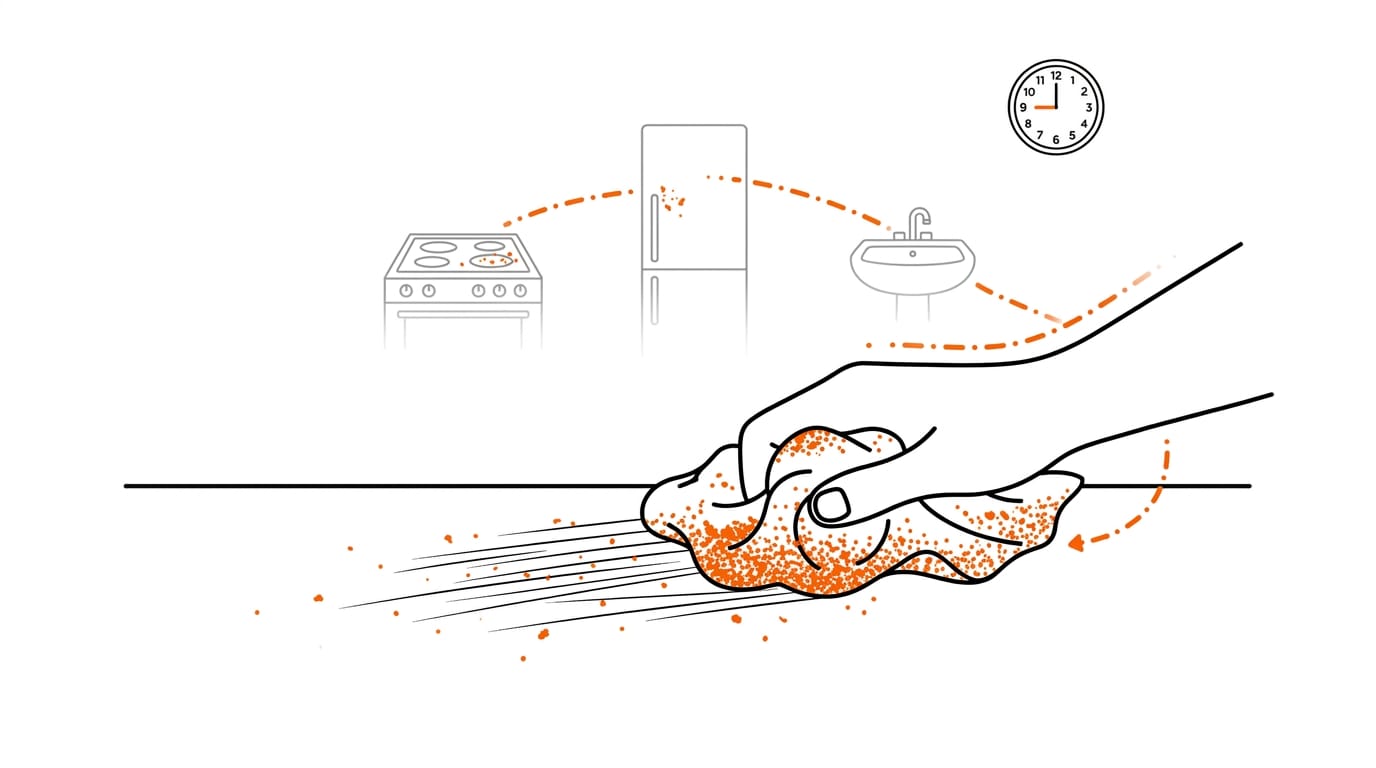
Wash your cloths after every use, not just when they look grubby. Think of a parent who wipes the hob, the fridge door, and the bathroom sink with one cloth in an evening. By bedtime, it’s holding grease, crumbs, and grime.
Use it again unwashed and that trapped grit gets dragged across the next surface, where it can leave fine scratches on worktops and tiles. Less grit means fewer scratches. The goal is to remove dirt, not move it around.
Dirty towels shouldn’t sit either: a damp cloth left in a heap starts to smell and spreads the dirt it’s already collected.
How many washes they can take
With proper care, microfiber cloths can be reused hundreds of times, according to a study of microfiber cloths run through an ozonated laundry system.
Two types tested showed no significant difference in cleaning efficiency after one, 150, or 350 wash cycles. A good cloth can take up to 500 washes, and it lasts for years if you look after it.
Store dry towels in closed bins
Between jobs, keep cloths in a clean, closed bin, sorted by job. Consider a flatmate who shares the kitchen and bathroom: kitchen cloths go in one bin, bathroom cloths in another, so the cloth that cleaned the loo never ends up on the worktop.
Make sure they’re fully dry first. A closed bin traps moisture, so a damp cloth shut inside will smell before you know it. Dry first, then close the lid.
Fixing Cloths That Went Wrong
Most cloths can be rescued, but the fix depends on what went wrong. Here’s how to tackle the common problems, and how to tell when it’s time to let one go.
Revive stiff or smelly towels
Stiff, sour-smelling cloths usually have detergent buildup or grime trapped in the fibres. Consider a home cook who wipes bacon fat off the hob, then leaves the cloth in the basket until Monday. By then it reeks. Don’t bin it yet.
Start with a long soak in warm water and a little detergent to loosen the grime.
For stains, spot-treat first. Work a dab of washing-up liquid into greasy patches before the wash, and do the same for cloths that feel greasy all over. Then rewash with an extra rinse, because the fix is more rinsing, not more soap.
Mistakes that ruin towels fast
Four habits do most of the damage:
- High heat: It damages the fibres, so dry on low or let them air dry.
- Cotton lint: Cotton fibres cling to microfiber and clog it, so keep cotton out of the same load.
- Letting dirty towels sit: Damp cloths left in a basket start to smell, so wash them soon after use.
- Too much detergent: Excess soap leaves a film that blocks absorbency, so measure carefully.
Signs your towels need replacing
Some damage won’t wash out. Look for these warning signs:
- Stops absorbing water: It smears liquid around instead of soaking it up.
- Feels rough: Worn fibres leave it scratchy, even straight from the wash.
- Ceramic coating residue crystallizes: Once the residue hardens into crystals on the cloth, it’s time to replace it.
If it still soaks up water, it’s worth another wash.
Washing microfiber cloths is less about special products and more about gentle habits: sorting them, using a mild detergent, skipping the fabric softener, and drying them with care.
Do that, and the same cloths can handle the kitchen counter, the bathroom sink, and the hallway floor for a long time.
Keep them clean and dry between uses, and rescue a stiff cloth before you bin it. A little care after every spill keeps them working as hard as you do.
References
Questions
What is the proper wash routine for cloth diapers?
Wash cloth diapers separately from other laundry using a detergent formulated for cloth diapers, following the diaper manufacturer’s instructions. Use an appropriate wash cycle and rinse thoroughly to remove soil and detergent residue; avoid fabric softener, which can reduce absorbency.
Can I wash microfiber towels with regular towels?
It’s best not to wash microfiber towels with regular towels. Cotton towels shed lint that can cling to microfiber and reduce its ability to pick up dirt.
Can you wash microfiber with warm water?
Yes. Cool or warm water is suitable for microfiber, but avoid hot water and sanitize cycles because excessive heat can damage the fibers. Keep the wash at or below 140°F (60°C).
Can you use Dawn dish soap to clean microfiber cloths?
No. Dish soap can leave residue or streaks on microfiber cloths. Use a small amount of a gentle liquid detergent made for microfiber instead.
Can you put microfiber cloths in the dryer?
Yes, but use low heat or no heat, clean the lint trap first, and dry microfiber only with similar towels. Air drying is gentler; avoid high heat and dryer sheets.
Sources
More in Laundry
- How to Wash Stuffed Animals at Home, Step by StepHow to wash stuffed animals safely: check labels, treat stains, choose hand or machine washing, then dry and fluff toys without losing their shape.
- How to Wash Cashmere Without Shrinking or PillingHow to wash cashmere without shrinking or stretching it: get gentle hand and machine steps, flat-drying advice, and quick stain fixes for your sweater.
- How to Clean Dryer Vent Safely, Step by StepHow to clean a dryer vent safely, spot clog signs, and prevent lint from returning. Know when DIY cleaning ends and a pro should take over.
Stain Finder: a free stain removal guide
Find your stain