How to Wash White Clothes So They Stay Bright
How to wash white clothes without letting them turn grey. Sort loads, choose water temperature, treat stains first, and revive dingy whites safely.

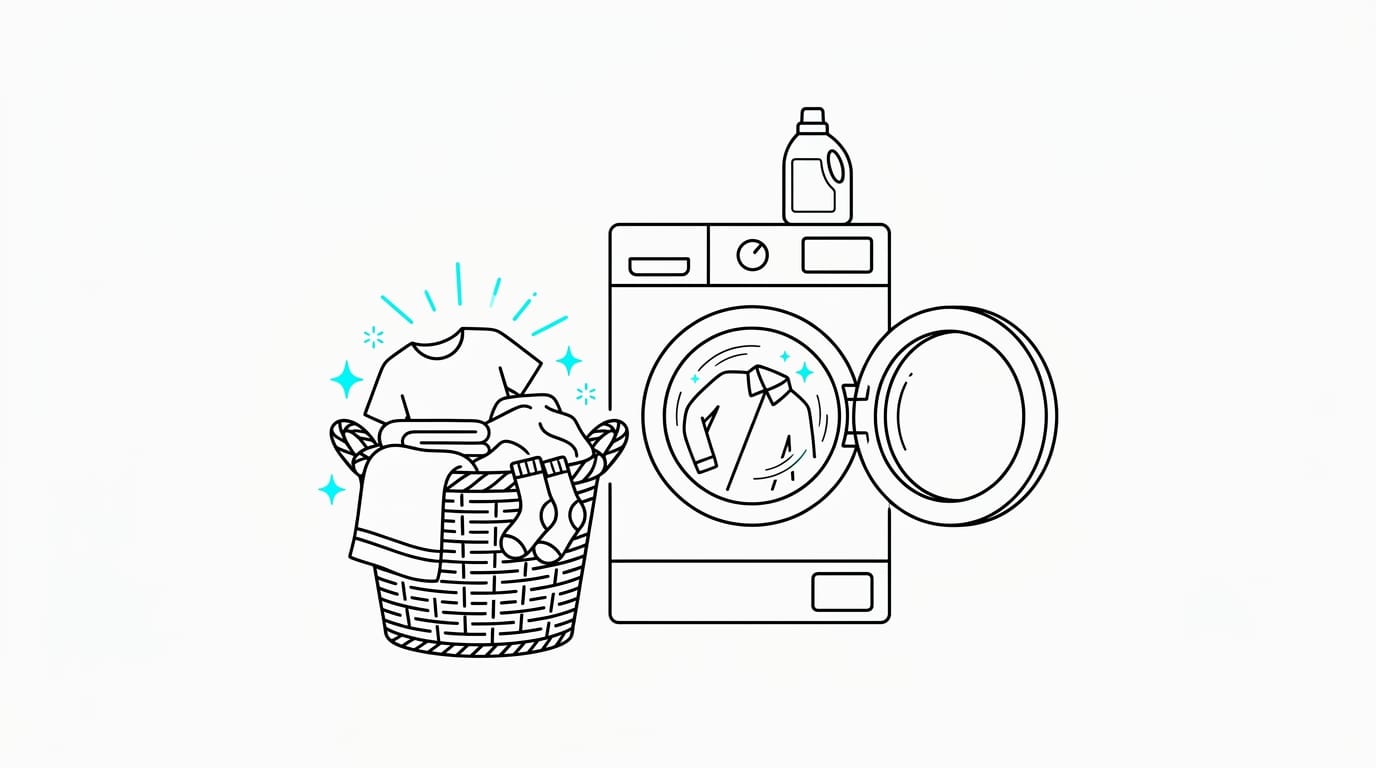
Washing white clothes means sorting them away from colors, treating stains, and choosing a cycle and water temperature that suit each fabric. Use detergent sparingly, rinse thoroughly, and use oxygen bleach or chlorine bleach carefully when whites need extra brightening; soaking and sunlight can help revive dingy items. These habits prevent dye transfer and residue from dulling whites, while early stain treatment helps keep marks from setting.
Picture pulling a favorite white shirt from the drawer, only to find it’s gone a little grey after a few washes. Whites rarely turn grey overnight.
They dull a bit at a time, through the wrong load, the wrong water temperature, or a stain that never fully lifted.
You don’t need a cupboard full of products to keep them bright. In this guide, we’ll cover sorting, water temperature, bleach and boosters, what makes whites turn yellow or grey, and how to revive dingy whites.
We’ll also show you a stain-first method for the marks that do the most damage.
Sort First When You Wash White Clothes
Sorting is where your whites are made or broken. A few minutes at the laundry basket can save you from a gray load later.
Keep whites apart from colored clothes
Wash your whites in separate loads, away from anything colored. Even light colors can cause dye transfer, the slow tint that dulls whites over time. Think of a parent who tosses a red-trimmed school polo in with the bedsheets.
A few washes later, the sheets carry a faint pink tinge. It’s about prevention rather than repair: keeping colors out is far easier than fixing a gray load afterward.
Sort by label, fabric and how dirty
Check the care label first, since it tells you what each item can handle. Then work through these checks:
- Hardy versus delicate fabrics. Sturdy cottons can take a standard cycle, while delicate items need something gentler.
- Separate very dirty items. Give heavily soiled whites their own load, and pre-treat each stain by type before it goes in. A grass mark and a coffee splash call for different handling.
- Choose cycle accordingly. Pick the cycle to suit the load, not the other way around.
Sorting takes minutes. Fixing a ruined shirt takes far longer.
Prep items and load without overloading
Prep before you press start. Unbutton shirts so the collars and cuffs get properly clean, and empty the pockets. Don’t crowd the drum: consider a flatmate who packs a week of towels and t-shirts into one load, which comes out damp and dingy.
Two smaller loads would have done better.
Finish with a thorough rinse, since leftover detergent residue can leave whites looking dull.
Picking the Right Water Temperature
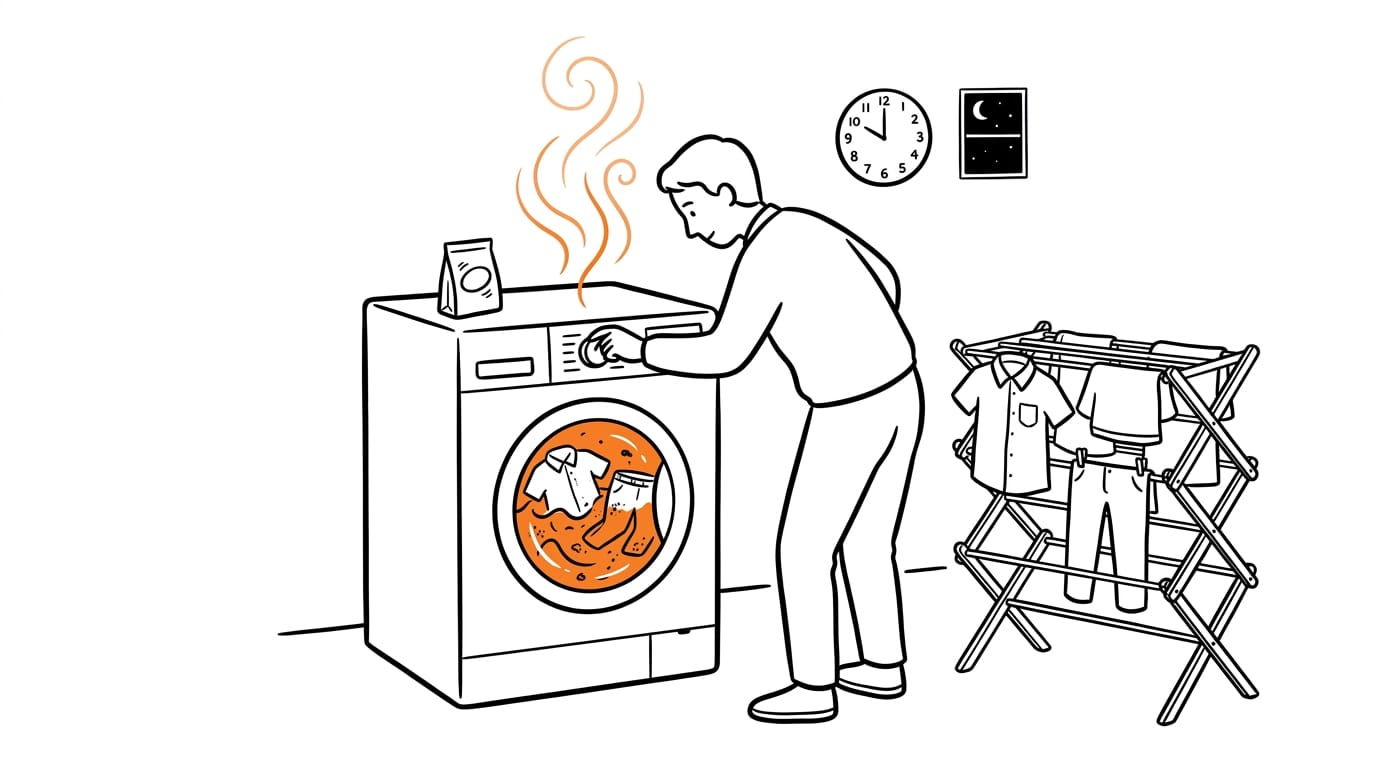
Water temperature does more of the heavy lifting than most people expect. Get it right on the first wash and you’ll often avoid a second round.
Why hot or warm water works on whites
Hotter water does a better job of lifting dirt. According to EC88-424, The Laundry System, hot water (140°F) gives more efficient and effective removal of soil (the laundry word for dirt) than warm (100-120°F) or cold water.
Hot or warm water helps your whites in a few ways:
- Dirt and stains. Higher temperatures lift more of the marks that make whites look grey or yellow.
- Brightness. Hotter water keeps whites whiter, wash after wash.
- Machine hygiene. Hot water kills the bacteria that can build up inside your machine.
- Oxygen boosters. A warm cycle activates your oxygen booster, so check the packet before you pick a setting.
Consider a parent washing school whites on a Sunday night: a warm cycle with an oxygen booster lifts the day’s marks from collars and knees, so the shirts are ready for Monday without a second wash.
When fabric calls for cold water
Heat isn’t always the answer. Some fabrics need cold water, and the wrong temperature can cost you a favorite piece.
Delicates may need cold water, so check before you reach for the hot tap. Hot water can shrink some fabrics, and a shrunk jumper stays that way. No going back.
Your care label is the final word. If it says cold, use cold, even if the item is white. It’s less about how hot the water is and more about which temperature suits the fabric. Check the label, then turn the dial.
Using Bleach and Other Whitening Boosters
Bleach and boosters can brighten whites fast, but they’re not the answer to every mark. Sweat and protein stains need their own first step, so pre-treat those before any bottle comes out.
How to use bleach to remove stains?
For light stains and soiling, Southern Living’s bleach guide calls for about 1/3 cup of chlorine bleach per load. In a standard machine, add it to the load. In a high-efficiency machine, fill the dispenser to its max line.
Bleach earns its place on whites where stains or gray have set in, so reserve it for that job. Consider a parent with a basket of white school shirts gone gray at the collars, with a school run that won’t wait.
Measuring the dose right means one wash can do the job.
Before you pour, keep these in mind:
- Spot test first. Try a hidden seam before treating the whole load.
- Ventilate. Keep the room airy while you work.
- Never mix cleaners. Don’t combine bleach with other products.
- Follow the label. The bottle’s directions come first.
Downsides of using bleach on whites
Bleach has real drawbacks, so know them before you reach for the bottle:
- Skin and airway irritation. Bleach can irritate your skin and airways.
- Yellowing or graying. Using too much chlorine bleach can leave whites yellow or gray, as a university laundry guide warns.
- Weaker fibers. Repeated use can weaken fabric fibers, according to research on bleaches and fabric strength.
- Toxic fumes. The fumes are a risk for kids and pets, so keep them well clear while you work.
- Short shelf life. Bleach doesn’t keep for long, so don’t stockpile it.
The real lesson is about how often you reach for it, not whether you ever do. Less is safer.
Oxygen bleach and boosters you can use
If you’d rather skip chlorine, try an oxygen bleach, an oxygen-based alternative. Branded whitening boosters are another route, though the label still comes first. Look for sodium percarbonate in the ingredients, since it’s the part that lifts stains.
Scoop amounts depend on your washer type, so measure by the machine you have. Add the product alongside your regular detergent, not instead of it. Fabric softener is another product that goes in the drum, so it’s worth knowing what it actually does.
How to wash white clothes with baking soda?
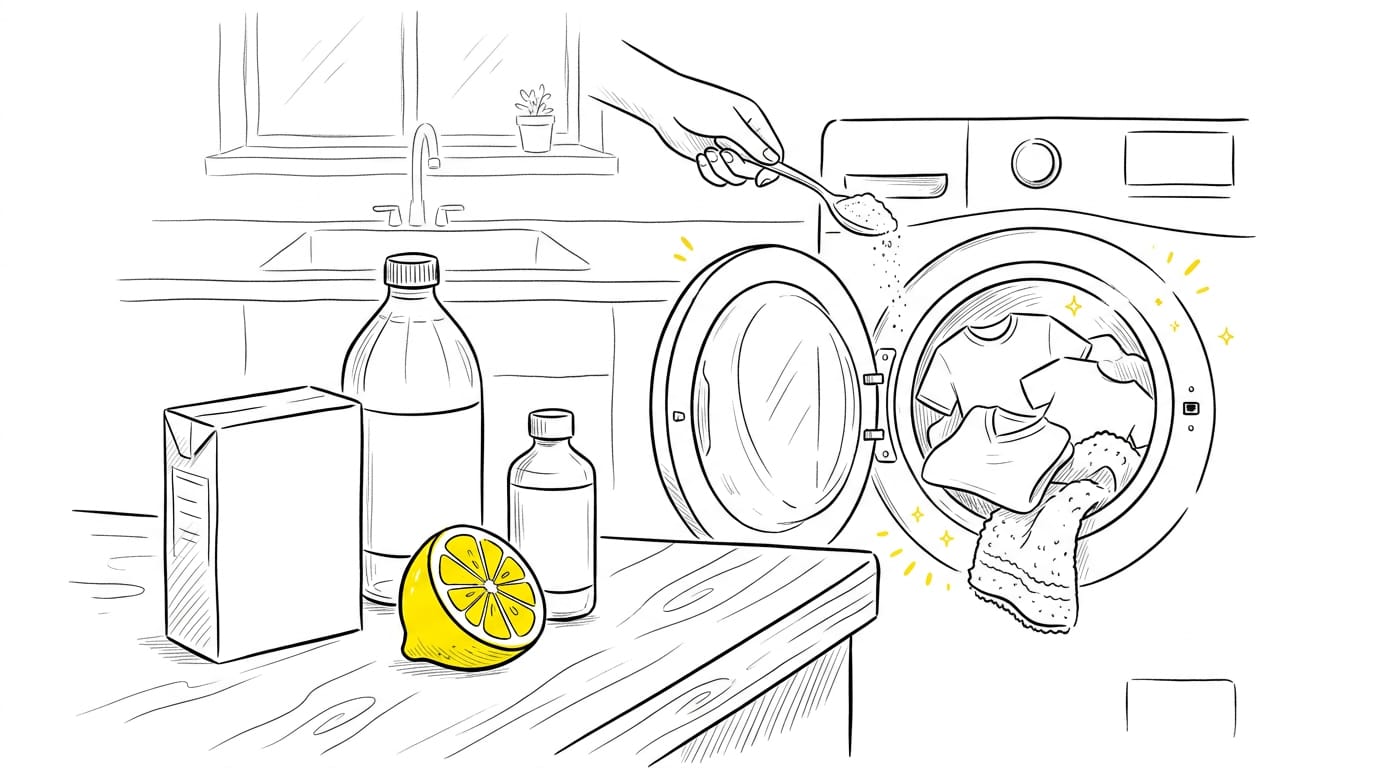
Washing whites with baking soda is simple: add it to the drum with your regular detergent and wash as normal. Before you buy a booster, try these cupboard staples:
- Baking soda
- White vinegar
- Lemon juice
- Hydrogen peroxide
- White dye
Start in the kitchen.
Let whites dry outside in sunlight
Hang your whites outside to dry when you can. Sunlight carries ultraviolet (UV) light, which can brighten white clothes, as a journal article on cotton bleaching notes.
Air drying outdoors may also help with odors: Dr Van Amber says hanging things in the sun may help reduce the odor.
Consider a parent who hangs school shirts on the line instead of indoors. The sun helps brighten them as they dry. No extra bottle needed.
What Makes Whites Turn Yellow or Gray
Whites rarely turn dingy after one bad wash. It’s less about one big mistake and more about what keeps landing on the fabric over time, and knowing the usual suspects helps you catch them early.
Everyday things that dull whites
- Sweat and body oils. They soak into the fibers with every wear and can slowly leave a yellowish tinge.
- Detergent residue. Using too much detergent, or not rinsing it fully, leaves a film that traps dirt and makes whites look dull.
- Hard water minerals. Minerals in hard water can cling to fabric and leave a dull, grayish cast over repeated washes.
- Environmental dust and smoke. Dust and smoke in the air settle onto fabric and leave a gray film that a regular wash may not fully lift.
- Deodorant aluminum staining. According to a patent on a textile treatment method for removing deodorant stains, aluminum salts in deodorant can stain clothing, including white garments, either when deodorant lands directly on the fabric or when the salts travel in with perspiration while the garment is worn.
- Improper sorting. Mixing whites with colored or dirty items lets dye and grime transfer onto them, so they never look as bright as they should.
- Underarm marks: treat before washing. Pre-treat these marks before they go in the machine rather than hoping the wash will lift them.
Think of a parent who tosses a white school shirt into the laundry basket after sports day with yellow underarm marks already on it. Pre-treating those marks first means the shirt won’t go dingy in the wash. Catch it early.
Bringing Dingy Whites Back to Bright
Dingy whites don’t have to be written off, and a few steps can bring them back.
Soak whites in hot water for hours
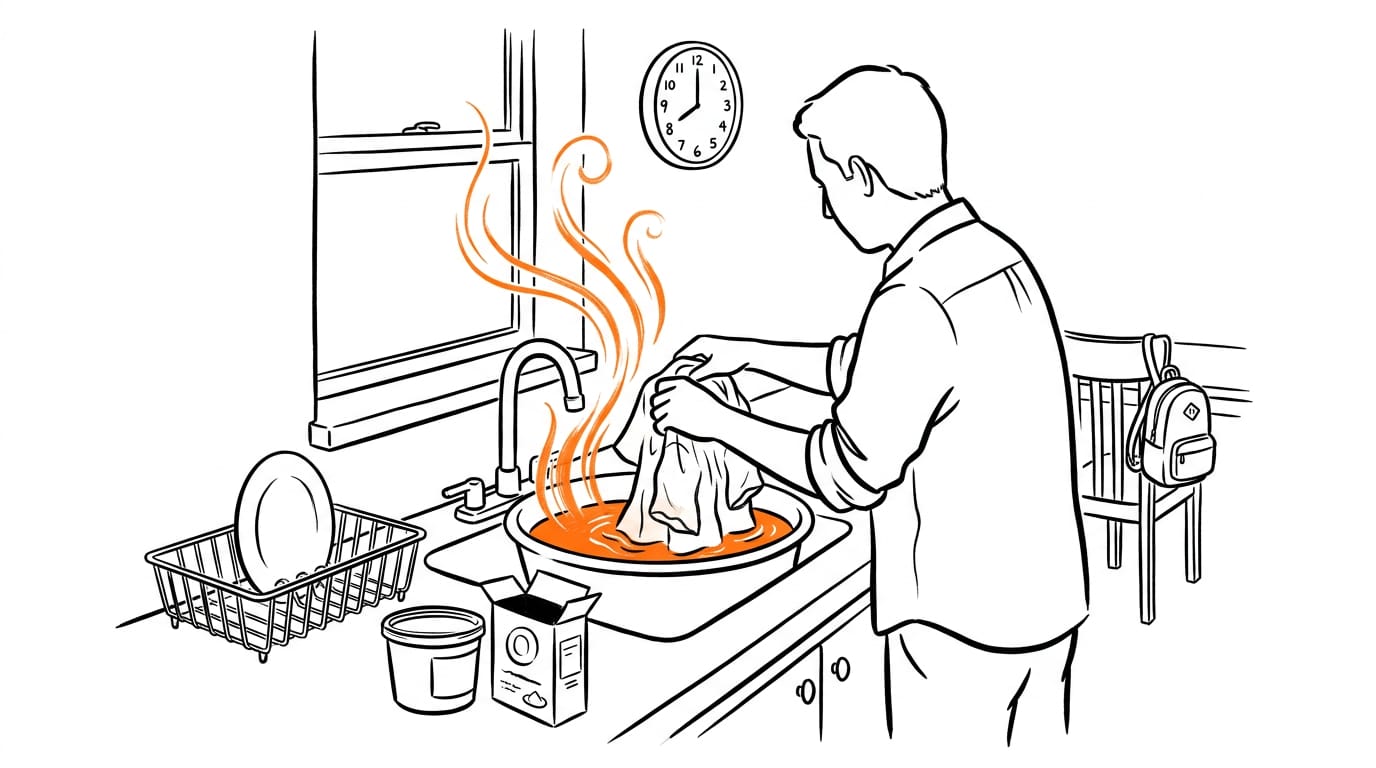
A long soak is the easiest fix. Fill a sink or basin with hot water, add an oxygen bleach product, and soak the whites for five hours or overnight.
A parent with faded school shirts can soak them after supper, so the morning routine is just a rinse and a wash.
Prefer to use what’s in the cupboard? Swap in baking soda for a hot water soak, using the same timing.
Once the soak is done, rinse the whites well and wash them as you normally would. Patience does most of the heavy lifting.
A soak handles general dinginess, but for a stubborn mark, identify the stain first so you know what you’re dealing with.
Stripping away residue and mineral buildup
Whites can look dull even after a good wash. This step tackles two things normal washing can miss: detergent residue and hard water minerals from your tap water.
If the soak doesn’t do the job, run this stripping step next. If the whites still look dull, it’s time to consider a pro.
When to send whites to a pro
Sometimes home methods run out of road, and that’s fine. It’s about knowing when to hand over the job, not whether you’re capable. Hand these to a laundry service or dry cleaner:
- Dress shirts that need careful handling
- Delicates you’d rather not risk at home
A host with white dress shirts for a family wedding can drop them off and collect them looking sharp.
Ongoing Care and Special Cases
Keeping whites bright takes a few small habits, and some special cases need a different approach. You’ll want to check each item for marks before it goes in the dryer, since heat can set a faint stain for good. Static can also cling to whites once they leave the dryer, and that’s a separate problem to solve.
A simple routine to keep whites bright
Most of the upkeep happens in your regular wash:
- Add booster every wash. A booster helps whites stay brighter between deeper cleans.
- Monthly reset soak. Once a month, give whites a longer soak to lift the grey that builds up over time.
- Use less detergent. Extra detergent can leave residue, so a smaller dose often works better.
Think of a parent who adds booster to every load of school shirts. Their collars stay crisp all term because they’re maintaining whites, not rescuing them.
Whites that include some color
Whites with stripes or colored trim need a few adjustments. Treat them differently from pure whites: check the care label before using bleach, since it can lighten the colored parts. Give them a gentler touch overall.
Consider a host with striped tea towels and plain white napkins. Washing the striped towels apart from the napkins keeps both looking fresh for guests.
What cold water can and can’t do
Cold water is gentler on colors, but it works less well than warmer washes on heavy marks.
- Not for wool or silk. Cold water isn’t the right answer for these, so follow their care labels.
- Safety on colored clothing. Cold is the safer choice for colors, since heat makes dye more likely to bleed.
Think of a flatmate with a new red top. A cold wash helps the dye stay put, so it’s less likely to tint the white shirts it shares a load with. Cold is gentle. It isn’t magic.
Keeping whites white comes down to a few habits: sort before you load, match the water temperature to the fabric, use bleach and boosters with care, and treat marks the moment they land.
Each step is simple on its own, and together they stop the slow grey creep before it starts.
When a tired white does need reviving, you now know where to start. Your whites will look fresher, and you’ll get more wears out of every shirt, towel, and sheet.
Bright whites aren’t luck, just a little care every single wash.
References
- Cotton bleaching: evolution, current practices, and future perspectives | The International Journal of Advanced Manufacturing Technology — link.springer.com (2025)
- Bleaches: whitening effect and fabric strength — hdl.handle.net
- EC88-424 The Laundry System — digitalcommons.unl.edu (1988)
- Experts share advice on combating musty laundry smell — abc.net.au (2025)
- The Right Way To Use Bleach In Your Laundry — southernliving.com (2025)
- US20180105769A1 - Textile treatment method for removal of deodorant stains — patents.google.com
Questions
How can I make my white clothes white again?
Wash whites separately from colored and heavily soiled items, check care labels, and avoid overloading the machine. For washable fabrics, use warm or hot water with detergent and an oxygen bleach booster; pre-treat stains, rinse thoroughly, and dry whites in sunlight when possible. A long soak with oxygen bleach can help revive dingy whites.
How do you get your whites so white?
Sort whites into their own load, use the temperature allowed by each care label, and measure detergent correctly so residue does not build up. An oxygen bleach booster can help keep whites bright, and sunlight may brighten them as they dry.
How do you get your white clothes white again?
Wash white clothes separately, pre-treat marks before washing, and choose warm or hot water when the fabric care label allows it. For dingy whites, soak them in hot water with oxygen bleach for several hours, then rinse and wash as usual; baking soda can be used for a soak as well.
How to use bleach to remove stains?
For light stains or general soiling on whites, add about one-third cup of chlorine bleach to a standard machine load, or fill a high-efficiency washer’s bleach dispenser to its maximum line. Spot-test first, follow the bleach label, ventilate the room, and never mix bleach with other cleaners. Pre-treat sweat and protein stains before using bleach.
Why do white clothes turn yellow?
White clothes can yellow from sweat and body oils, deodorant salts, or too much chlorine bleach. Detergent residue, hard-water minerals, dust, smoke, and dye transfer can also make whites look dull or gray.
Is it better to wash whites in hot or cold?
Warm or hot water generally removes soil from whites more effectively than cold water, but always follow the care label. Use cold water for fabrics that require it, since heat can shrink some materials or damage delicate items.
Does baking soda whiten clothes?
Baking soda can help with dingy whites. Add it to the drum with regular detergent, or use it in a hot-water soak for several hours before rinsing and washing.
Can hydrogen peroxide whiten clothes?
Hydrogen peroxide can be used as a household whitening aid, but check fabric care instructions and test it on a hidden area first. Never mix it with chlorine bleach or other cleaning products, and follow the product label.
Sources
- EC88-424 The Laundry System, digitalcommons.unl.edu,
- Bleaches: whitening effect and fabric strength, hdl.handle.net
- Cotton bleaching: evolution, current practices, and future perspectives | The International Journal of Advanced Manufacturing Technology | Springer Nature Link, link.springer.com,
- Experts share advice on combating musty laundry smell - ABC News, abc.net.au,
- US20180105769A1 - Textile treatment method for removal of deodorant stains - Google Patents, patents.google.com
- The Right Way To Use Bleach In Your Laundry, southernliving.com,
More in Stain Removal
- How to Get Foundation Out of Clothes, Fabric by FabricHow to get foundation out of clothes? Match liquid or powder stains to your fabric, use cupboard products, and know whether a wash will finish the job.
- How to Remove Static From Clothes: Causes and FixesHow to remove static from clothes: stop cling with quick fixes, identify charge-prone fabrics, and change laundry habits to keep it from returning.
- How to Get Sweat Stains Out of Hats, Step by StepHow to get sweat stains out of hats: match the cleaning method to your hat type and stain age, with quick checks to prevent damage before washing.
Stain Finder: a free stain removal guide
Find your stain