What Does Fabric Softener Do to Your Clothes?
What does fabric softener do? It smooths fabrics for softer towels, but knowing when to skip it helps avoid downsides and choose other ways to soften clothes.

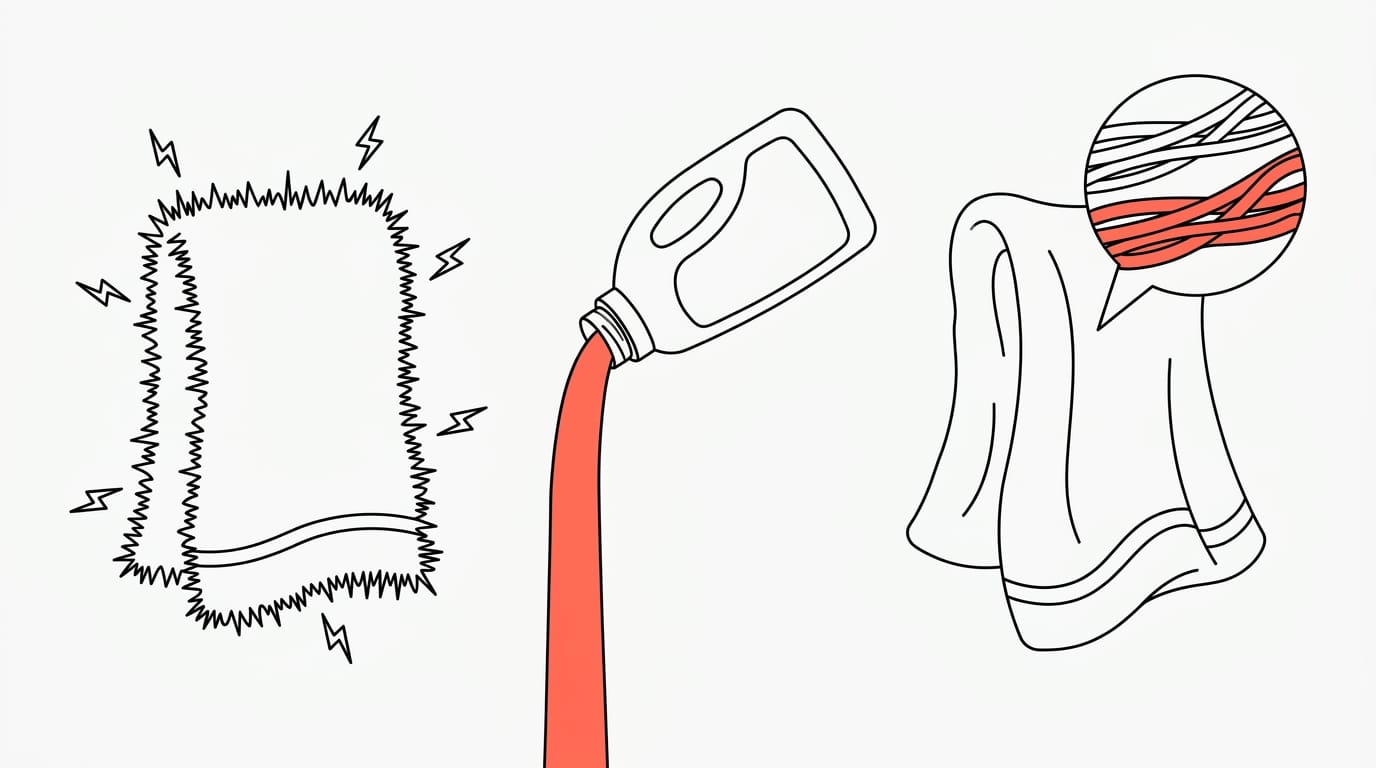
Fabric softener is a laundry finishing product added during the rinse to coat and smooth fibers, making clothes feel softer and helping reduce static; it does not clean dirt or replace detergent. Use a modest amount only on suitable fabrics, since residue can reduce towel absorbency and activewear wicking, affect flame-resistant items, and build up in machines. It is optional, so check care labels and skip it when fabric performance or sensitive skin matters.
Think about pulling a towel from the dryer that feels as stiff as cardboard. Fabric softener is the product that turns that scratchy towel back into something soft and fluffy.
Put simply, it’s a laundry product that makes fabric feel smoother, and it goes in during the wash. It isn’t the right choice for every load, so it helps to know what it actually does.
In this post, we’ll cover how it works, when to use it and when to skip it, and practical fixes for softener stains, dispenser buildup, and dosing.
What Fabric Softener Does to Your Clothes
Fabric softener works at the very end of the wash. Here’s how it works and how its main forms compare.
Laundry’s final finishing step
Fabric softener is a finishing product added in the rinse. It coats fibers with conditioning chemicals, so it changes how fabric feels, not how clean it is.
Think of a parent whose child says the school jumper scratches the neck. A softener in the final rinse smooths those fibers before the school run.
The difference is mostly the name. Fabric rinse is a term on some bottles for a product used at the same stage, and it’s often the same kind of product as softener.
Softener and conditioner get swapped around too, so check the directions rather than the name.
How softener coats and smooths fibers
Once it’s in the rinse, the ingredients do several things at once:
- Thin chemical layer. Softener deposits a thin coating of conditioning chemicals on each fiber.
- Less friction. Lubricating ingredients help fibers slide past each other instead of rubbing.
- Fluffier fibers. With less friction, fibers loosen, so towels and knits feel softer and fuller.
- Less static. The coating neutralizes the electric charge that makes socks cling.
One coating, several jobs.
Liquids, sheets, balls, powders, and boosters
Each form delivers these effects differently:
- Liquid softener. Added to the rinse, usually from the dispenser, so it coats the fabric as the wash finishes.
- Dryer sheets. A coated sheet tumbles with wet clothes, and the dryer’s heat moves the softener onto the fabric.
- Dryer balls. Reusable balls that tumble with the load and keep clothes separated as they dry.
- Powder softener. Dissolves in the water and gives the same coating in dry form.
- Scent boosters. Concentrated fragrance additives, mostly for smell rather than softness.
Good Reasons to Use Fabric Softener
Fabric softener earns its place in the laundry for a few practical reasons. Here’s what it does well, so you can tell when it’s worth reaching for.
Clothes and towels that feel softer
Softener leaves a thin coating on fibers that changes how fabric feels. That soft, smooth quality is called hand feel, and it’s the first thing you notice on a freshly washed jumper.
Clothes come out smoother with less stiffness, and towels and linens feel softer after each wash.
Think of a tenant drying bath towels on a radiator in a damp winter flat. A dose of softener in the final rinse means they come off the rail soft, not stiff.
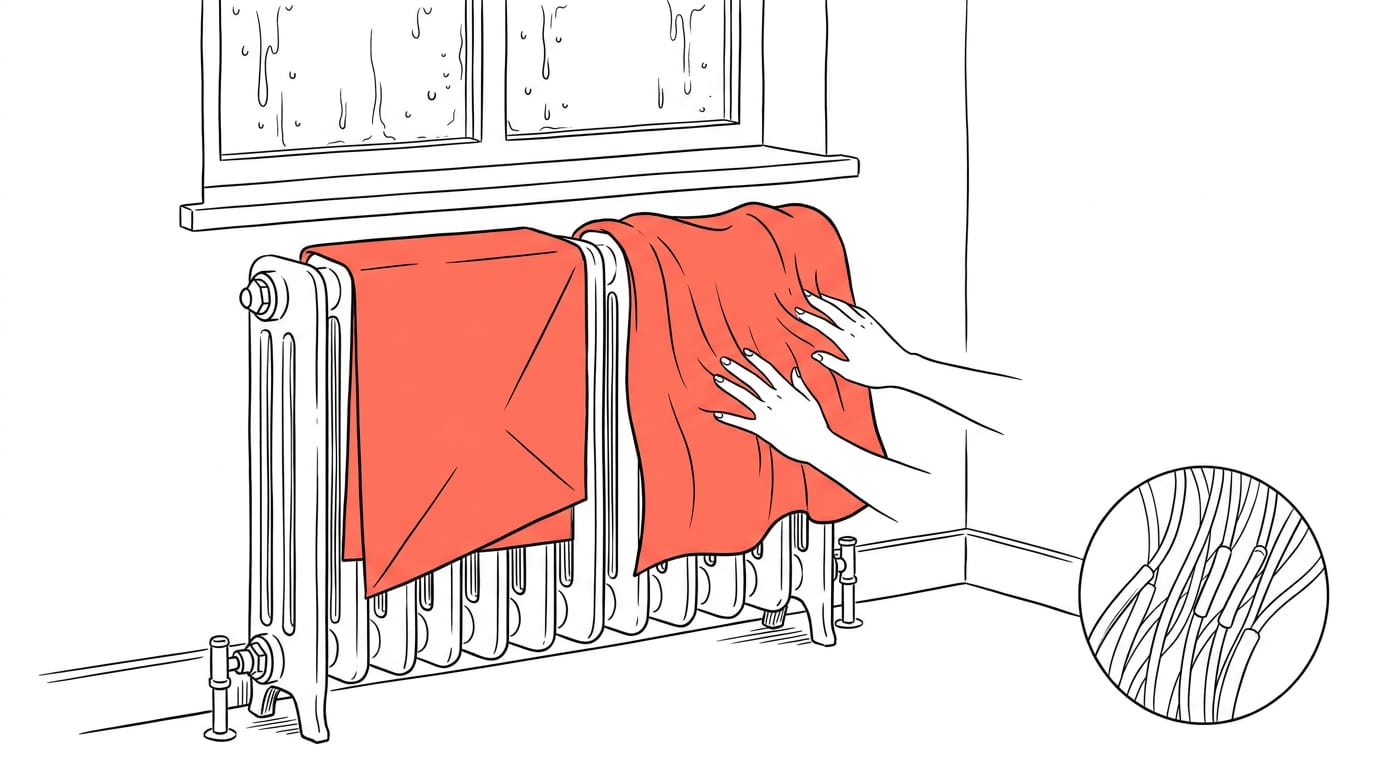
Cutting down static cling on clothes
Static cling is the clingy pull that makes a skirt wrap around your legs. Softener cuts it down, which helps most with synthetics like polyester and nylon and in dry weather.
It also stops items sticking together, so they separate more easily when they come out of the dryer.
Consider a carer pulling a nylon uniform top from the dryer on a frosty morning. With softener in the rinse, it slides on without clinging to their leggings. Less cling, less fuss.
Leaving a fresh scent on fabric
Softener adds a fresh scent that lasts past the wash. Some of that fragrance is released while you wear the item, so the freshness carries on through the day.
It’s less about when a garment leaves the machine and more about how it smells on you hours later.
Picture a parent at the school gate in a jumper that still smells fresh after a busy morning. It’s a small detail with a big payoff.
Fewer wrinkles and easier ironing
A paper titled Role of Fabric Softeners in Textile Care notes that softeners help minimize wrinkling, so clothes come out with fewer creases. That means less time spent with the iron.
Protecting fabric from wear and fading
Softener helps clothes last longer. An AOL article on fabric softener notes that its coating adds a layer of protection to fibers, which helps reduce:
- fading
- stretching
- pilling, those little fuzzy balls that form on knitwear.
Softener also reduces wear and tear during laundering. Role of Fabric Softeners in Textile Care notes that it extends garment life by cutting down on fiber wear and surface abrasion (Karmarkar, 1999).
Colors hold up better too, since the same protection helps stop fading. Consider a student who wears the same hoodie most days of term. A softener in the wash helps it last the season without looking washed out. Less fuzz, longer life.
How Often Should You Use Fabric Softener?
How often should you use fabric softener? Rather than running it on every wash, use it on the loads that actually suit it. Here’s where it goes, which fabrics welcome it, and which should go without.
Where to add it and how much
Here’s how to get it right:
- Rinse cycle. Add it here, not with the detergent.
- Machine dispenser. Pour it into the drawer and let the machine release it for you.
- Dryer sheet. Toss one on top of the load if you’re drying.
- Recommended amount. Follow the bottle’s directions rather than guessing.
As for whether it expires, check the bottle for a date and any storage guidance on the label, since that’s the most reliable answer for your product.
Which fabrics handle softener well
Cotton and natural fibers take softener well, so they’re your best bet. Bedding, pajamas, and blankets are where softness pays off most. Before you pour, check the care label. If it rules out softener, that’s your answer.
Fabrics that don’t mix with softener
- Activewear and wicking fabrics. Wicking means pulling sweat away from your skin, so keep softener off these.
- Towels. Skip it if absorbency is what you want.
- Microfiber. Leave it out so the cloths keep doing their dusting job.
- Flame-resistant items. Follow the care label and skip softener unless the label clearly says it’s fine.
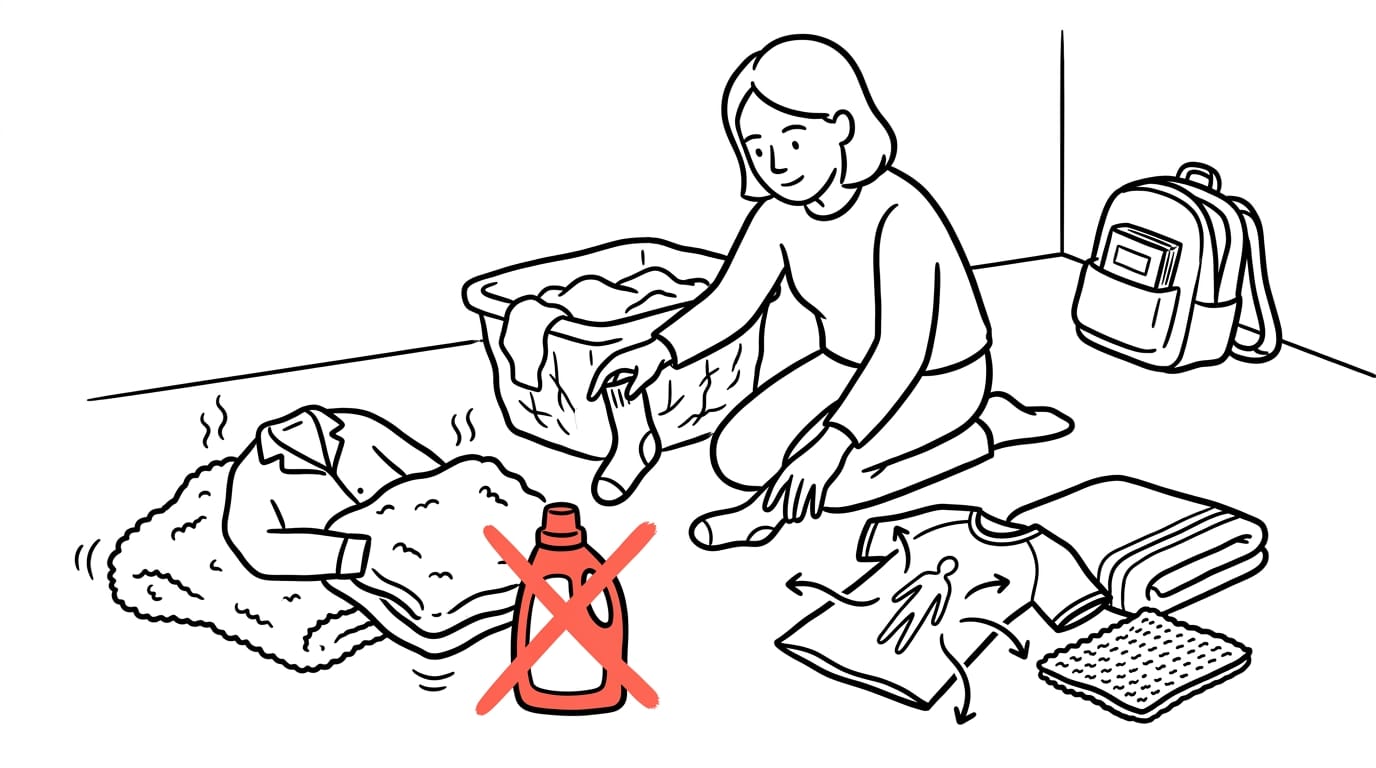
Think of a parent washing a week of school kit. Pajamas and a fleecy blanket go in a load with softener at the rinse, so they come out soft for bedtime.
Gym kit and bath towels go in a separate load without it, so the kit keeps wicking and the towels stay absorbent. Sort first. Your towels will thank you.
How Softener and Detergent Differ
Detergent and softener sit side by side under the sink, but they do different jobs. Knowing which one does what tells you whether you need both.
Each one has its own job
Each product handles a different part of laundry:
- Detergent cleans dirt and stains out of fabric.
- Fabric softener conditions clothes after washing, leaving them smoother and softer.
Softener doesn’t replace detergent, though. It adds softness rather than removing dirt, so without detergent, the dirt stays put. Detergent goes in the main wash, while softener goes in the rinse compartment.
Think of a parent with a load of muddy school jumpers and a stack of bath towels. Detergent takes care of the mud, and softener in the rinse keeps the towels soft instead of scratchy. Clean first, soften second.
Do you really need softener?
Softener is an optional finishing step, so your laundry comes out clean without it. Whether you use it depends on your preferences and the fabrics you wash, and the care label is a quick guide when you’re unsure.
Some people use a scented detergent instead, since it leaves a fresh smell. It can make clothes smell nice, but it doesn’t condition the fibres, so it’s only a partial stand-in.
If you skip softener, clothes still come out clean. What changes is the feel: towels can be a little stiffer, and fabrics may feel rougher against the skin. Consider a flatmate who drops softener to save money.
Their clothes come out clean, but the towels feel scratchy, so they go back to the bottle for the bathroom load.
Downsides You Should Know About
Fabric softener has trade-offs worth knowing before you pour.
How residue can hurt fabric performance
Most of the trouble starts with residue, the film softener leaves on fabric. The usual cause is using too much, not the softener itself.
Picture a parent who softens every load, towels included. Over time, the towels absorb less water, as a Better Homes & Gardens article warns.
Residue also hurts wicking, the way fabric draws moisture away from your body. A patent application describes how common softeners reduce it and slow drying. It can also make fabric less breathable and, over time, break down fibers.
Softener can even leave stains on clothes.
Risks for flame-resistant sleepwear
The American Cleaning Institute warns that softeners can reduce flame retardancy, the built-in ability to slow burning, so be cautious with children’s sleepwear and anything labeled flame-resistant.
That can also weaken self-extinguishing ability, the capacity to stop burning once the flame is gone.
A parent who skips softener on their child’s pajamas protects the flame resistance the garment was built with. That’s an easy call.
Buildup and mildew in your machines
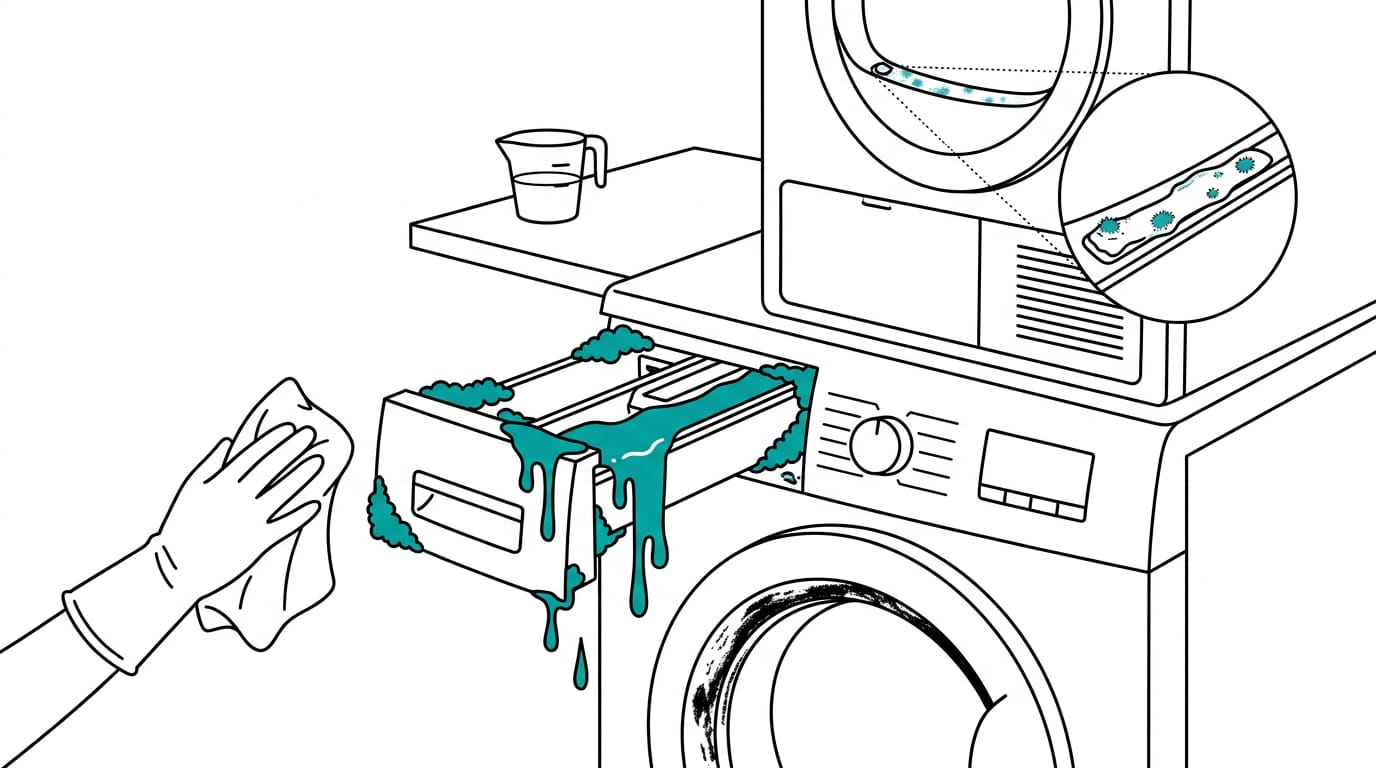
A review on fabric softeners in textile care notes that overuse can leave residue buildup in washing machines. That residue can feed mold and mildew and coat the dryer’s moisture sensors. Prevention is about how much you use, not just how often you clean.
Picture a shared flat with the dispenser topped up to the brim. Two habits keep it clear:
- Wipe the dispenser drawer regularly. A quick wipe keeps softener from gathering there.
- Clean the washer and dryer on a schedule. This keeps residue from settling where mold can take hold.
Skin irritation and allergy triggers
Softener can irritate sensitive skin. If your skin reacts to laundry, a guide to contact dermatitis triggers suggests a fragrance-free, dye-free detergent and skipping softener for two to three weeks.
Think of a new tenant with an itchy rash who tries this on their bedding. If it settles, they’ve got a clear answer.
Fragrance and other ingredients can also trigger allergic reactions, so check labels if you’ve reacted before.
Hypoallergenic options are worth a look, but fragrance-free, dye-free products are the simplest place to start. Less is kinder to sensitive skin.
Other Ways to Soften Clothes
Fabric softener isn’t the only route to soft, static-free laundry. Reusable and pantry options can stand in for it, and some simple fixes tackle what’s really making clothes stiff.
Reusable wool or rubber dryer balls
Dryer balls bounce around the drum with your laundry, agitating and fluffing fabric as it tumbles. They soften by moving fabric rather than coating it. Wool or rubber versions are reusable and allergy-friendly, which suits sensitive skin.
Consumer Reports hasn’t tested them, so there’s no independent result to lean on.
Natural swaps like vinegar and baking soda
White vinegar works in the rinse: pour a little into the fabric softener dispenser so it’s released at the final rinse. Baking soda is a common addition to the wash, used sparingly.
For scent without a bottle, add a few drops of essential oil to a wool dryer ball and toss it in with your laundry.
Other ways to handle static and scent
- Aluminum foil ball: Scrunch foil into a loose ball and toss it in the dryer to help tame static.
- Line-dry clothes: Hanging laundry skips the dryer altogether, a simple way to cut static.
- Scented detergent: It adds fragrance, but it won’t soften fabric on its own.
- Occasional dryer sheet: Use one now and then, not in every load.
Scent and softness aren’t the same job, so match the fix to your actual problem.
Tackling the causes of stiff laundry
Stiff laundry often comes from something upstream, so we’d fix the source before adding more product. Hard water, which carries extra minerals, can leave fabric feeling rough.
A water softening system treats the water before it reaches your machine, so there’s less to fight in every load. Too much detergent leaves soap clinging to fibres, and an overloaded drum stops clothes moving freely, so rinsing gets patchy.
Concentrated and refill options still need careful measuring, since a heavy hand leaves residue.
Think of a renter whose towels come out crunchy every week, even with a fresh bottle of softener. Cutting back on detergent and loading the drum less tightly kept them soft, and the bottle stayed in the cupboard.
Often, the fix is the washer, not the bottle.
Fabric softener makes clothes feel softer and smoother, but it’s a tool for certain loads, not a must for every wash. Used with a sensible dose, it’s a handy addition.
Used too much, or on the wrong load, it can leave residue and buildup you’d rather avoid.
Keep the dose modest, clean the dispenser now and then, and tackle any softener marks before they set. Those simple habits keep your laundry soft without the side effects.
A little softener goes a long way, and knowing when to skip it is the smartest move of all.
References
- Role of Fabric Softeners in Textile Care — doi.org (2026)
- What Does Fabric Softener Actually Do—And Do You Really Need It? — aol.com (2026)
- Want Softer, More Absorbent Towels? Skip This Common Laundry Product — bhg.com (2026)
- SOFTENER FORMULATIONS FOR MAINTAINING OR IMPROVING MOISTURE WICKING — patents-review.com (2025)
- Contact Dermatitis Triggers: Is Laundry Detergent Irritating … — doralhw.org (2026)
- Fabric Softeners and Enhancers: A Comprehensive Guide — cleaninginstitute.org
Questions
What is softener in a washing machine?
Fabric softener is a laundry finishing product that is released during the rinse cycle. It coats and smooths fabric fibers, making clothes feel softer and helping reduce static cling.
What are the cons of using fabric softener?
Fabric softener can leave residue that reduces towel absorbency and activewear’s moisture-wicking ability. It may also affect breathability, leave stains or machine buildup, irritate sensitive skin, and reduce the flame resistance of some garments.
How often should you use fabric softener?
Use it only on loads and fabrics that benefit from it, rather than automatically with every wash. Check care labels, and skip it for items such as wicking activewear, towels you want absorbent, microfiber cloths, and flame-resistant clothing unless its label permits it.
How much fabric softener to use?
Follow the dosage on the product bottle, since the recommended amount varies by product and load. Avoid using extra, as excess softener can leave residue on fabrics and in the machine.
Is it really necessary to use fabric softener?
No. Fabric softener is optional: detergent cleans clothes, while softener conditions them. Use it when you want extra softness or less static, and skip it when the fabric or care label calls for that.
What happens if you do laundry without softener?
Your laundry will still come out clean if you use detergent, but fabrics may feel rougher or stiffer, and static may be more noticeable. Softener changes how fabric feels; it is not needed to clean it.
Does fabric softener expire?
It depends on the specific product, so check the bottle for an expiration date and storage instructions. Follow the label for the most reliable guidance.
Can I use fabric softener during the rinse cycle?
Yes. Liquid fabric softener is intended to be released during the rinse cycle, not added with the detergent in the main wash. Put it in the machine’s softener dispenser, which releases it at the appropriate time.
Sources
- Role of Fabric Softeners in Textile Care, doi.org,
- What Does Fabric Softener Actually Do—And Do You Really Need It? - AOL, aol.com,
- Want Softer, More Absorbent Towels? Skip This Common Laundry Product, bhg.com,
- SOFTENER FORMULATIONS FOR MAINTAINING OR IMPROVING MOISTURE WICKING - Patent Application, patents-review.com,
- Characteristics of Water Absorption of Cotton Terry Towel Treated with Household Softeners., doi.org,
- Fabric Softeners and Enhancers: A Comprehensive Guide | The American Cleaning Institute (ACI), cleaninginstitute.org
- Contact Dermatitis Triggers: Is Laundry Detergent Irritating ..., doralhw.org,
More in Laundry
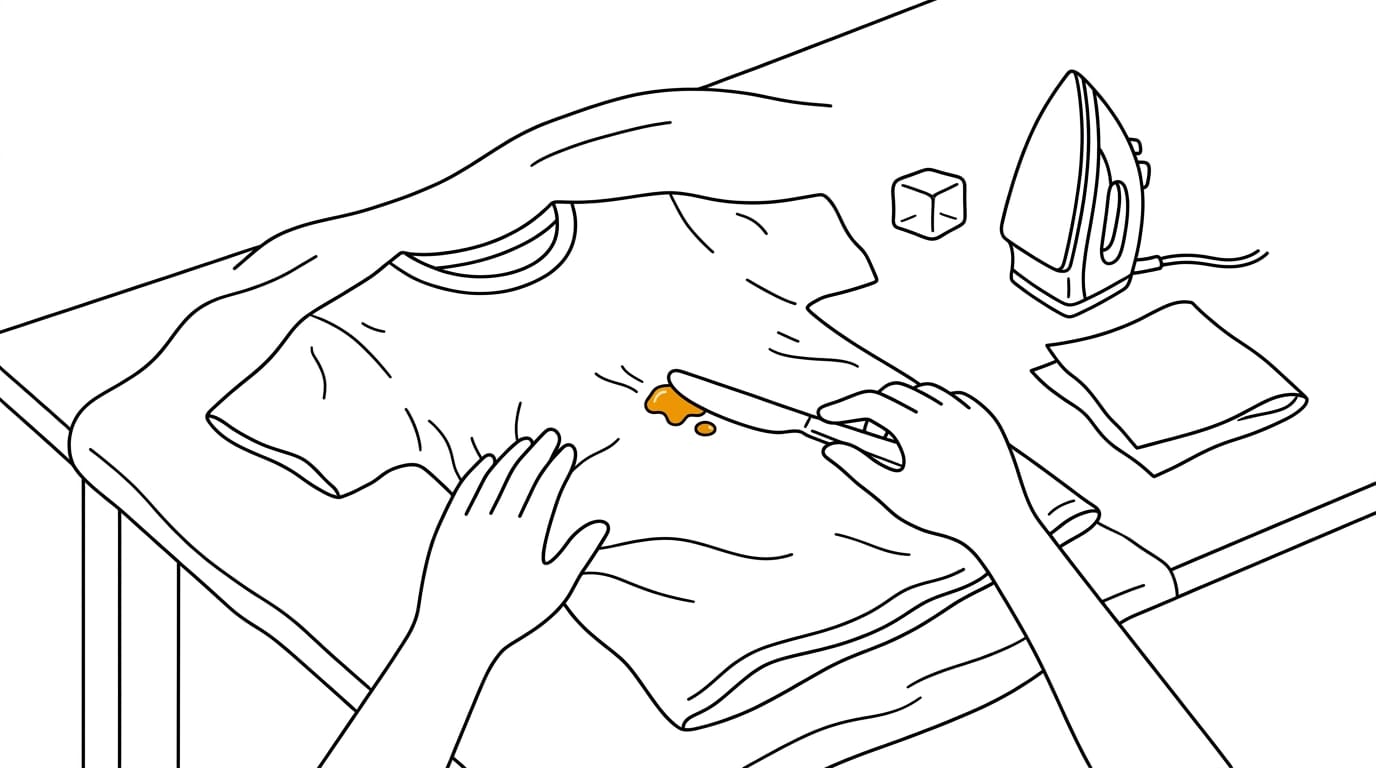
- How to Get Hot Glue Off Clothes Without Damaging the FabricHow to get hot glue off clothes without tugging fibers? Freeze the blob, then use heat or rubbing alcohol to lift residue safely from most fabrics.
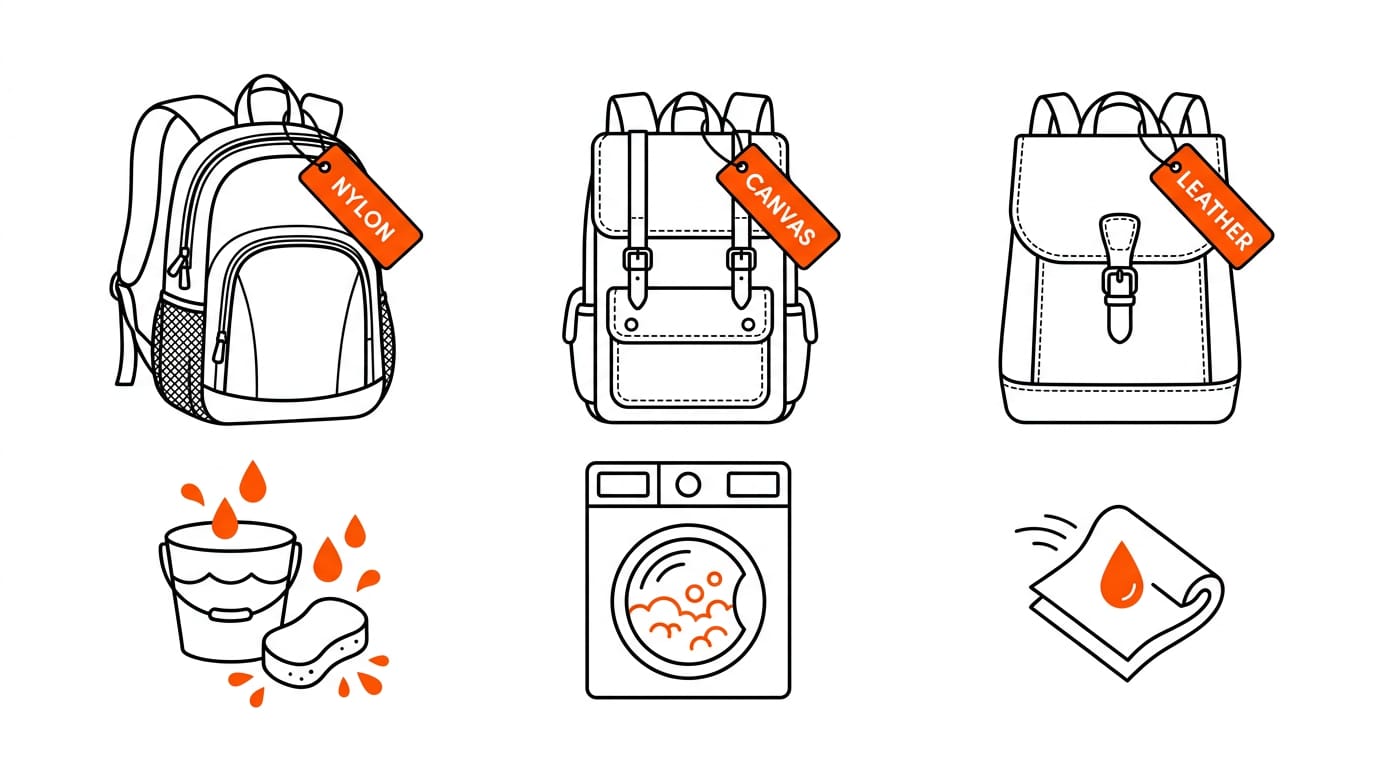
- How to Wash a Backpack by Fabric TypeHow to wash a backpack safely: choose machine or hand cleaning by material, remove stains and smells, then dry it without damaging the fabric.
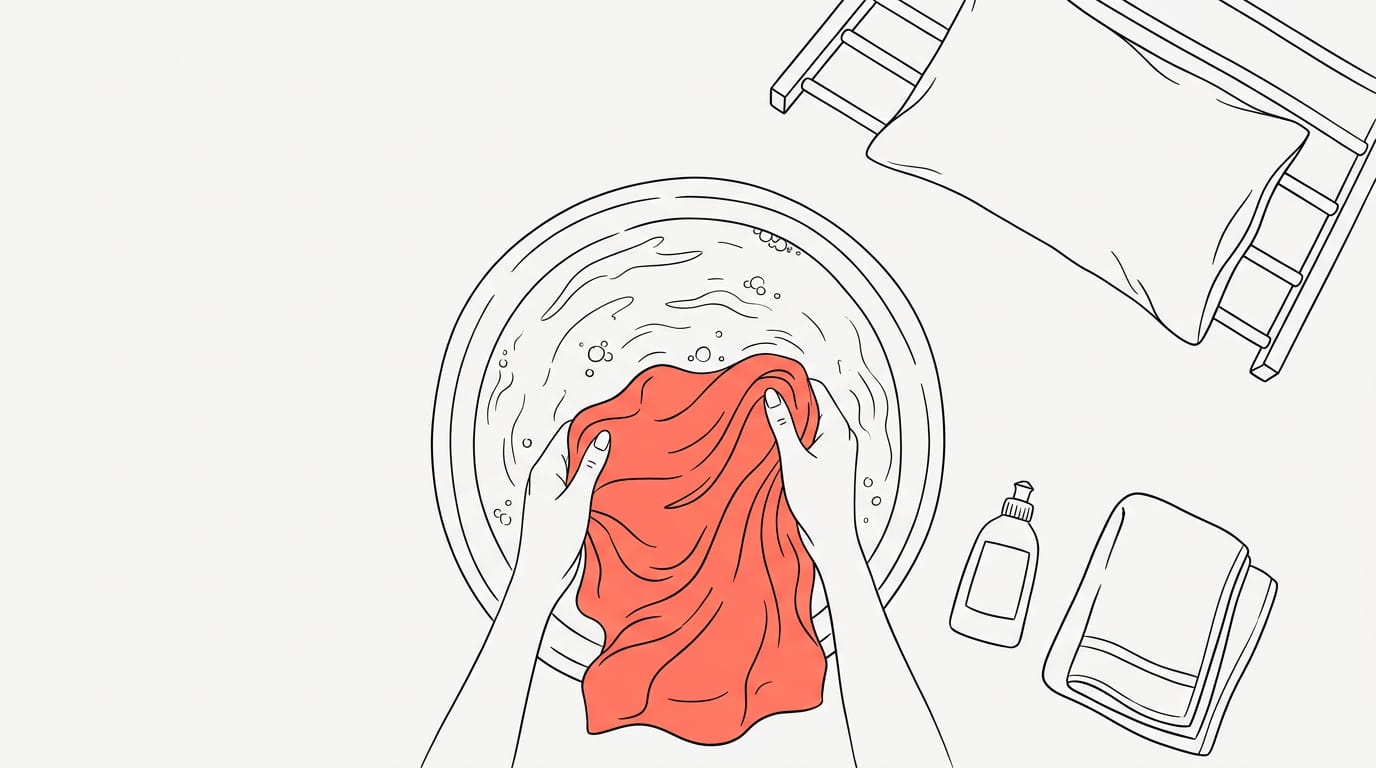
- How to Wash a Silk Pillowcase Without Ruining ItHow to wash a silk pillowcase without risking damage: check the label, choose hand or machine washing, remove makeup stains, and dry and iron it safely.
Stain Finder: a free stain removal guide
Find your stain