White vinegar for rust removal: a complete guide
White vinegar for rust removal can loosen flaky rust, but soak times and aftercare matter. Compare its risks, costs, and alternatives before treating metal.

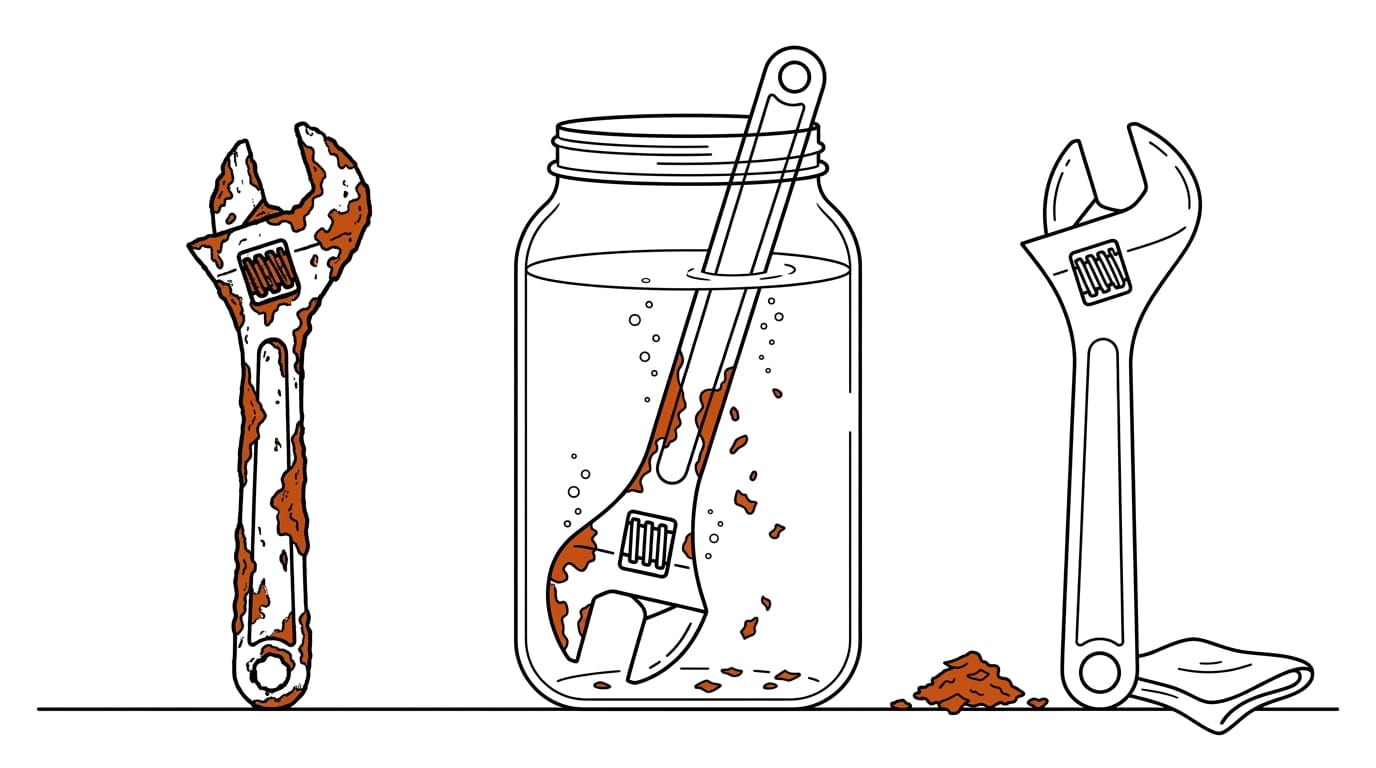
White vinegar is a household acid that can loosen rust from iron and steel, usually after a soak lasting several hours or overnight. Use undiluted vinegar for soakable items, or apply a vinegar-soaked cloth or salt paste to fixed surfaces; check progress, test a hidden spot, and avoid silver, plated finishes, and valuable items. Rinse, neutralize, dry completely, and protect bare metal afterward, since vinegar can damage sound metal and cleaned surfaces can rust again.
Picture the garden gate you meant to paint last spring, now flaking orange at the hinges. Rust can look like a problem that’s already won, but it’s often more manageable than it appears.
Rust is iron oxide, the crumbly layer that forms when iron meets oxygen and moisture.
White vinegar is a common kitchen staple that can help loosen it. This guide covers the method, soak times, risks, aftercare, and alternatives, then looks at chrome, wrought iron, and rust marks on fabric and hard surfaces.
Using White Vinegar for Rust Removal
Vinegar loosens rust over time, so pick your method by the item’s size and how stuck the rust is.
How long does it take vinegar to work?
So how long does it take vinegar to get rust off? For most items, it’s several hours to overnight. Submerge the object in undiluted vinegar, straight from the bottle. Time does more of the work than elbow grease does.
A homeowner with a rusty garage spanner can drop it in vinegar before bed and rinse off the flakes by morning. Heavier rust needs a longer soak than light marks. Warm or hot vinegar speeds things up, but never let it boil.
Reuse the solution on the next rusty item to save money.
Pastes and cloths for hard-to-soak items
Some items won’t fit in a bucket, so bring the vinegar to the rust instead. Mix in enough salt to make a thick paste, or lay a vinegar-soaked cloth over flat marks. Picture a renter with a rust mark on a bathroom tile.
They can’t soak the tile, so the cloth does the job. Leave it to work, then scrub. This suits sinks, tiles, and grout, though grout needs a gentler touch.
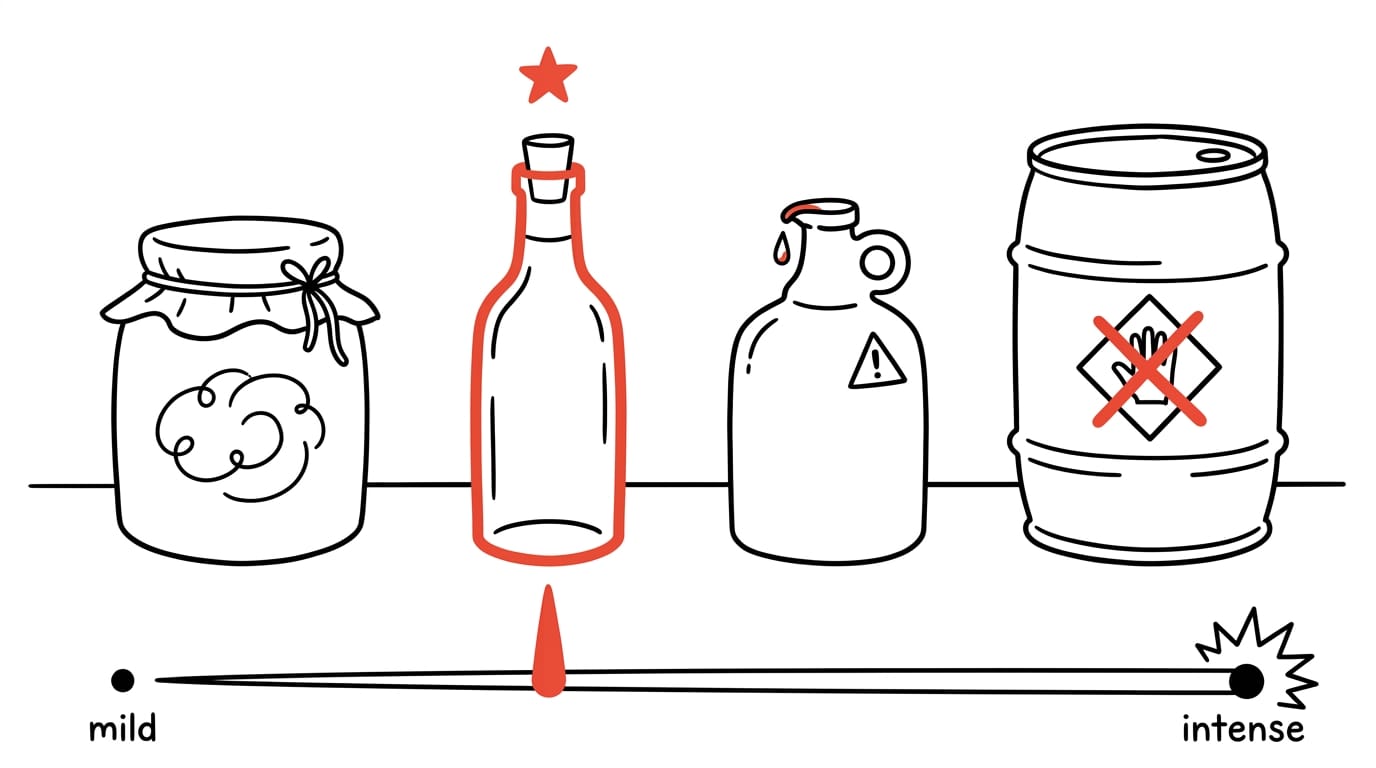
Which vinegar types to use
Here’s what you’ll come across:
- Plain white vinegar. The everyday choice this method is built around.
- Stronger cleaning vinegar. A more concentrated option, so test it on a hidden spot first.
- Apple cider vinegar. A kitchen staple, though it’s a different product from white vinegar.
- 30% horticultural vinegar. You may see it mentioned, but it’s far stronger than kitchen vinegar, so it isn’t a straight swap.
Plain white vinegar is the default, not the strongest option.
Scrub and wipe away loosened rust
Once the rust has loosened, scrub it away with a sponge or brush. Then wipe the flakes from crevices with an old cloth or toothbrush.
How do you remove rust from chrome with vinegar? Dampen a cloth in vinegar, press it on the spot, leave it to work, then wipe with a soft sponge. Gentle wins on chrome.
How can you remove rust from wrought iron? Soak small pieces in undiluted vinegar, and use a vinegar-soaked cloth on larger ones. A wire wheel handles stubborn residue, but keep it well away from chrome.
Downsides and Risks of Vinegar
Vinegar is an acid, which is what makes it work on rust. That same acidity is also the risk, so know the downsides before you start.
How vinegar can damage metal finishes
It’s built to target rust, but over-soaked, it can attack the sound metal underneath. Keep these points in mind:
- Acidity: it may damage surfaces beyond the rust.
- Over-soaking: long soaks can eat into healthy metal.
- Silver and plated finishes: vinegar strips them, so these are surfaces it must never touch.
- Valued items: skip vinegar on anything you’d hate to lose.
Monitor progress closely, and do a patch test on a hidden spot first, like the underside of a gate hinge.
Picture a parent with a rusty garden trowel and a grandmother’s silver-plated tea set in the same shed. The trowel can take a soak with the odd check-up, but the tea set shouldn’t see the bottle at all.
That keeps the trowel working and the heirloom intact.
Risk of brittle metal and springs
Springs need extra care. According to a review of 150 years of hydrogen embrittlement research, cleaning rust from iron and steel wires with acidulated water reduced their original toughness.
The theory behind this is hydrogen embrittlement: the metal loses toughness, and a spring may break.
Test on spring steel first, using a spare piece if you have one.
Smell, speed, and material limits
Vinegar comes with trade-offs you should weigh first:
- Odour: it leaves a strong, lingering vinegar smell.
- Speed: it’s slower than other acids.
- Material limits: it isn’t suited to every material.
- Overexposure: too much exposure can be harmful.
Test first, always.
Protecting Metal After You Clean It
Getting the rust off is only half the job. Here’s how to stop it creeping back.
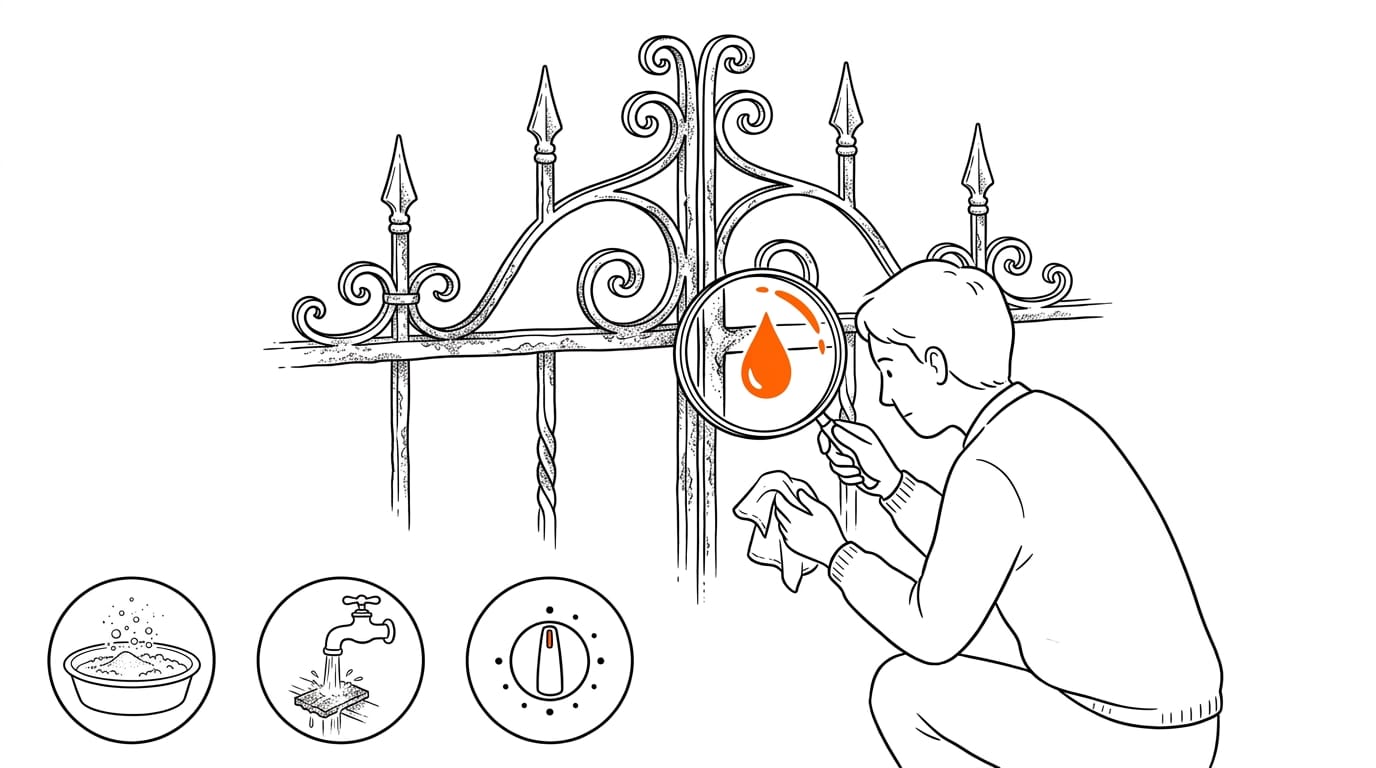
Neutralize, rinse, then dry completely
Vinegar keeps working until you neutralize it. Make a neutralizing bath with baking soda and water, then dip the piece in it. Rinse with clean water to wash off the residue. Next, dry it completely, not just until it looks dry.
Someone cleaning a rusty wrought iron gate, for example, should check the joints, where water hides. Oven drying works for small pieces too: set the oven on low, but check for damp spots before you call it done.
Seal bare metal with oil or paint
Once it’s dry, bare metal needs a barrier:
- Oil or cooking oil: a thin wipe-on layer that keeps moisture off.
- Clear coat or lacquer: a see-through finish that keeps the metal’s look.
- Paint over cleaned metal: a good match for railings or tools you want in a new colour.
- WD-40 or wax: a quick option for tools you use often.
Take a tenant who has just scraped rust off a balcony railing. A quick coat of oil or paint keeps it from rusting again before the next wet week. Bare metal re-rusts quickly.
What causes rust to form
Rust forms when metal meets moisture and oxygen, and the chemical process behind it is called corrosion. Salt accelerates corrosion, so metal in damp, salty air needs extra care. Unprotected metal is the easiest target.
Keeping surfaces dry and clean is less about scrubbing and more about staying ahead: wipe off salt and grime before it sits. Keep it dry, and you’ll scrub less.
How Vinegar Compares to Other Removers
Vinegar isn’t the only rust remover on the shelf, so here’s how it stacks up. Toothpaste comes up a lot too, but none of our sources test it, so we can’t promise it’ll work.
Store-bought rust removers and their cost
HG rust remover is another store-bought route. Bob Vila’s 2025 rust remover tests call Evapo-Rust a dependable choice for a safe, reusable formula, though it’s pricey.
Vinegar is comparable at a lower cost, so the real difference is price, not performance. Some products also offer rust-preventative action, so check the label first.
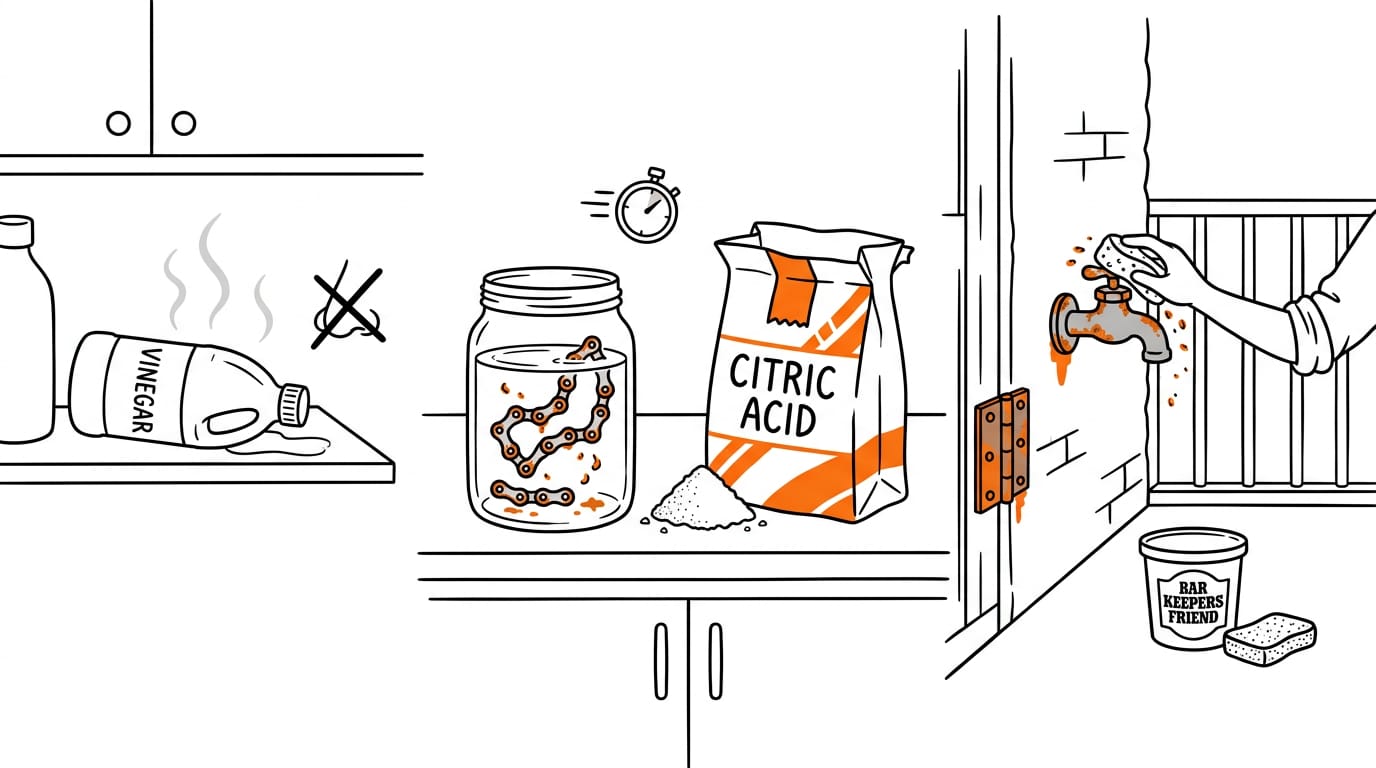
Citric acid works faster with less odour
According to a review of sour taste chemistry, citric acid is slightly more acidic than vinegar, and it works faster on rust. Think of a flatmate with a rusty bike chain and a cupboard full of cleaning supplies.
A bag bought in bulk keeps the cost down, and the flat won’t smell of vinegar all afternoon. So if you’re asking what dissolves rust the fastest, citric acid beats vinegar.
For non-soakables, meaning anything too big or fixed to submerge, Bar Keepers Friend is the one to reach for.
Other ways to remove rust
Here are the other options:
- Molasses and water soak. A homemade soak mixed from molasses and water.
- Electrolysis tank. A set-up that uses an electrical current to lift rust.
- Phosphoric acid converter. A product that converts rust rather than simply dissolving it.
- Muriatic acid dangers. It’s a strong, corrosive acid, so treat it as a last resort, never a cupboard option.
- Lemon juice for small stains. Handy for a tiny rust mark.
- Sandblasting or wire wheel. Mechanical methods that physically scrape rust away.
What Rust Removal Really Costs
Price and safety both shape which option makes sense for your rust, so we’ll look at both.
How the costs stack up per gallon
Consider a tenant with a rusty bathroom tap and a deposit inspection looming. A jug of white vinegar already under the sink costs very little to try, and it saves a trip to the shop.
The label price matters less than how much you’ll actually use, so compare the options like this:
- White vinegar: cheap per gallon, so it’s the easiest place to start.
- Citric acid: cheaper in bulk, so buy the bigger pack if you’ll use it often.
- Evaporust: far pricier, so weigh its cost against the size of your job.
Stay safe and dispose of waste properly
Stronger acids need extra care, so get the basics right before you start, not halfway through. Protection comes first. Here’s how each stage breaks down:
- Gloves and ventilation: put gloves on before you open the bottle, and keep a window open the whole time.
- Spent citric solution: it’s drain-safe, so it can go down the sink once the job is done.
- Rust sediment: let it settle, then scoop it into the trash rather than the drain.
- Acid fumes: they’re a hazard, so never work in a shut room, even for a small job.
Rust doesn’t have to mean the bin. With a bit of patience, white vinegar, and a clear sense of when it’s the right tool, you can lift most light rust from tools, taps, and hard surfaces.
Keep the risks in mind, dry the metal well, and protect it afterwards so the orange doesn’t creep back.
When vinegar isn’t the best fit, knowing your alternatives saves time and damage. Keep this guide handy for the next rusty mark. Catch it early, treat it right, and that orange patch doesn’t stand a chance.
References
- Limitations of Hydrogen Detection After 150 Years of Research on Hydrogen Embrittlement — doi.org (2024)
- The Chemistry and Physiology of Sour Taste—A Review — ift.onlinelibrary.wiley.com (2007)
- The Best Rust Removers of 2025 — bobvila.com (2025)
Questions
How to remove rust from chrome with vinegar?
Dampen a soft cloth with white vinegar and press it against the rust spot on the chrome. Let it work briefly, then wipe gently with a soft sponge and rinse and dry the area; test a hidden spot first, since vinegar can damage finishes if left too long.
How can I remove rust from wrought iron?
For small wrought-iron pieces, soak them in undiluted white vinegar and check their progress; for larger pieces, hold a vinegar-soaked cloth against the rust. Scrub away loosened rust, using a wire wheel only for stubborn residue, then neutralize with baking-soda water, rinse, dry completely, and protect the bare metal with oil or paint.
How long does it take vinegar to get rust off?
Vinegar usually takes several hours to overnight to loosen rust. Heavier rust may need longer, but check regularly because prolonged soaking can damage sound metal; warm vinegar can speed the process, but do not boil it.
Can toothpaste remove rust?
Toothpaste may help with very light surface marks because it can have a mild abrasive action, but it is not a reliable rust remover. For rust on metal, vinegar or a purpose-made rust remover is generally a better choice; test delicate finishes first.
What dissolves rust the fastest?
Citric acid works faster on rust than vinegar and is a practical option for a soakable item. For a large or fixed surface that cannot be soaked, Bar Keepers Friend is another option; use stronger acid products cautiously and follow their labels.
Sources
- Limitations of Hydrogen Detection After 150 Years of Research on Hydrogen Embrittlement, doi.org,
- The Chemistry and Physiology of Sour Taste—A Review, ift.onlinelibrary.wiley.com,
- The Best Rust Removers of 2025 - Tested by Bob Vila, bobvila.com,
More in Stain Removal
- How to Get Sweat Stains Out of Hats, Step by StepHow to get sweat stains out of hats: match the cleaning method to your hat type and stain age, with quick checks to prevent damage before washing.
- Baking Soda to Remove Stains: What Works and What Doesn'tBaking soda to remove stains can lift some marks from fabric and surfaces. Find out what it works on, when to use peroxide, and what not to mix.
- Distilled White Vinegar for Laundry: The Complete GuideDistilled white vinegar for laundry can soften clothes, clear soap residue, and tackle odors. Learn how much to use and which safety cautions matter.
Stain Finder: a free stain removal guide
Find your stain