How to Whiten Grout: Bleach, Peroxide, Soda or Vinegar
How to whiten grout: Compare bleach, bicarbonate, peroxide, and vinegar by grout type and surface, then use a stain-first fix order to brighten it safely.

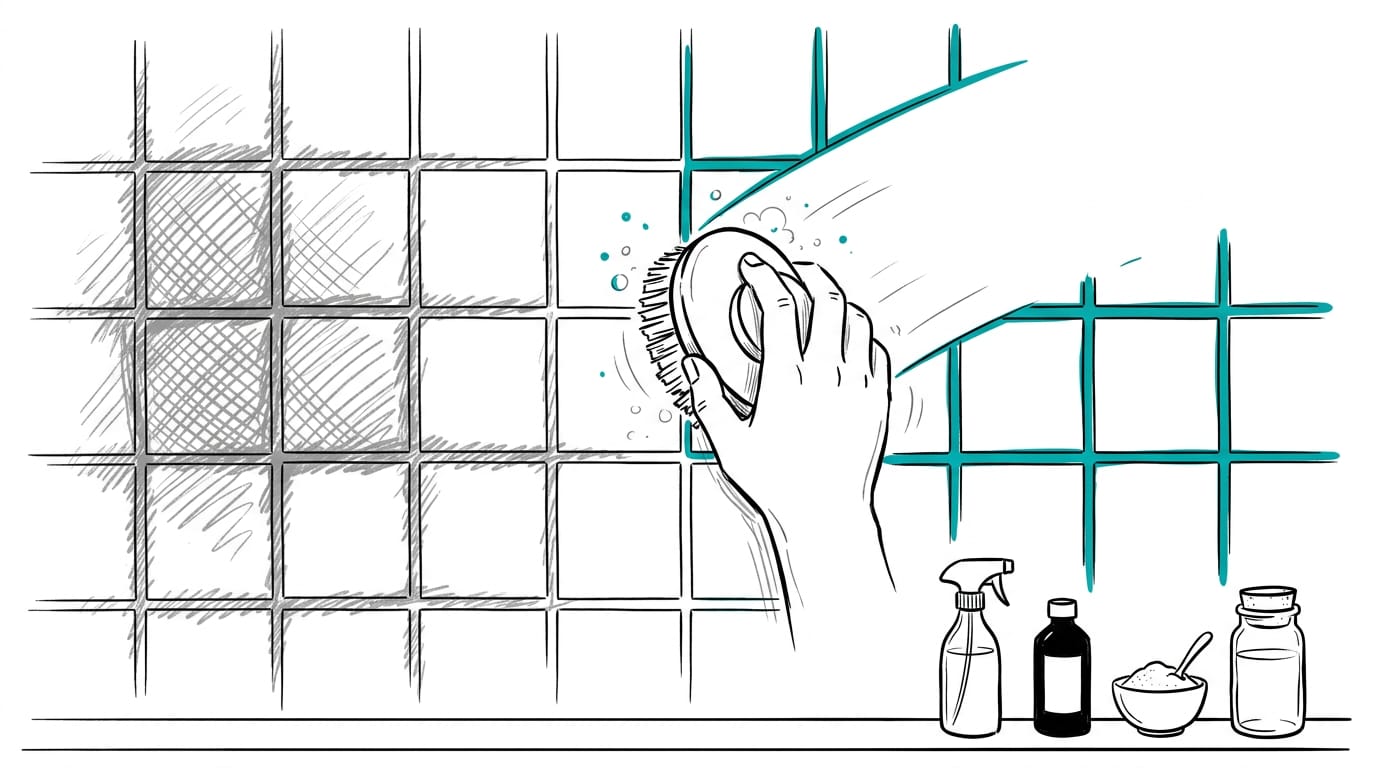
Grout is the porous filler between tiles, so it can absorb dirt, soap residue and moisture that cause yellowing, grey stains or mildew. To whiten it, match the cleaner to the stain and surface: try vinegar or hydrogen peroxide for lighter marks, or a measured bleach solution for stubborn discoloration, testing first and never mixing bleach with vinegar or ammonia. Regular cleaning, drying and sealing help prevent stains, while grout that stays discolored or crumbles may need recoloring or replacement.
Picture a bright white bathroom wall, then notice the grey lines between the tiles that have been slowly creeping in.
Grout is the filler between your tiles, and because it’s porous, it soaks up soap scum, dirt, and mildew like a sponge.
The good news is that you don’t need a full renovation to bring it back.
In this guide, we’ll compare bleach, bicarbonate, peroxide, and vinegar, show you which suits which grout and surface, and share a quick stain-first fix order plus tips to keep it white.
Grout Stains and How to Whiten It
Dingy grout is usually the result of small things building up over time. Here’s what’s behind it, and how to stay ahead of it.
Why is my shower grout turning yellow?
Grout is porous, so it has tiny gaps that soak up whatever touches it. Every spill, splash of shampoo, and drip of moisture seeps into those gaps and stays there. Dirt and residue then build up deep inside the grout, where a quick wipe can’t reach.
It’s less about dirt sitting on the surface and more about dirt sinking in. Left alone, that’s how the yellow sets.
Mold and mildew in damp bathrooms
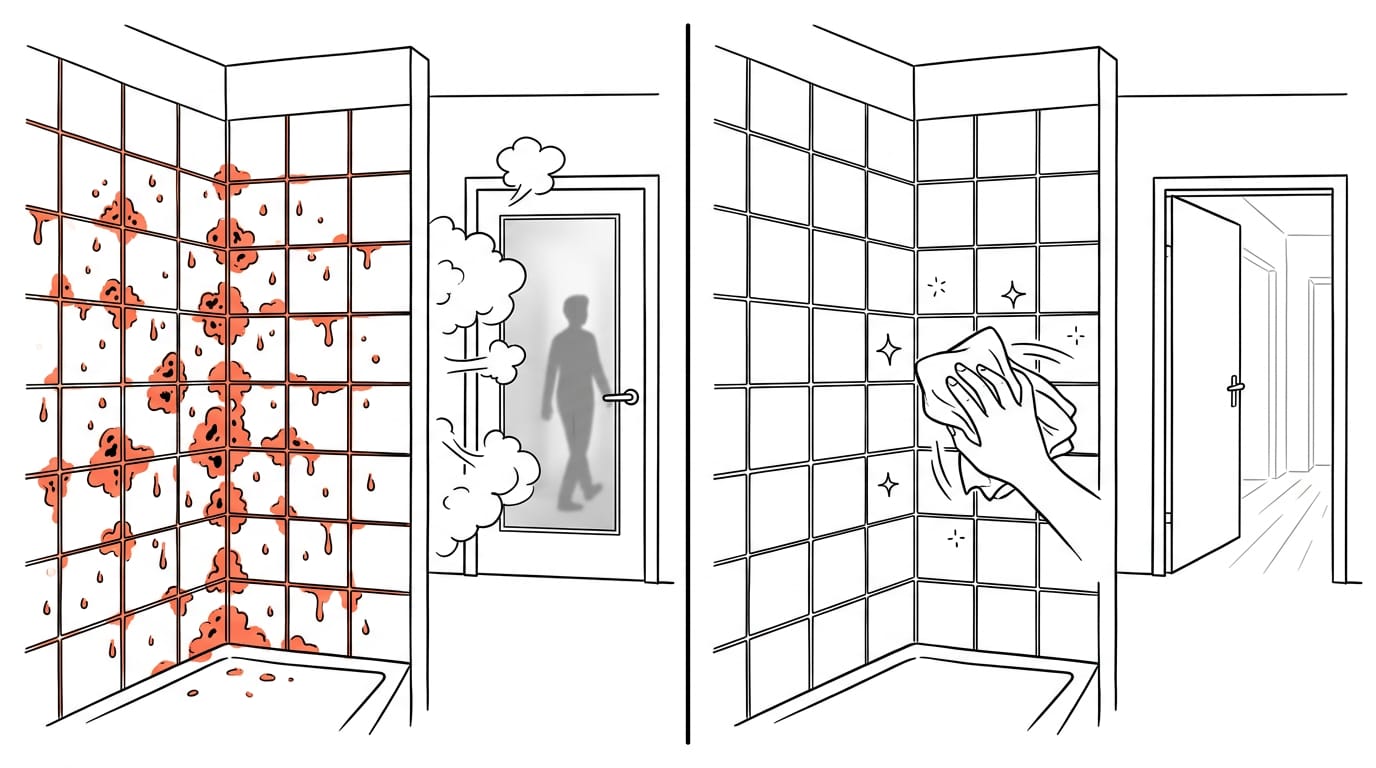
Lingering moisture feeds mold and mildew, and bathrooms are most at risk. Think of a flatmate who showers, then shuts the door on a steamy room. That trapped damp keeps the grout wet long after the water’s gone, and the mold has all it needs.
A quick wipe-down and an open door would have given that grout a chance to dry.
Mold stains in the grout lines are the dark marks that appear when that moisture is left to sit. So can mold grow in grout? Yes. The same porous lines that trap dirt also hold moisture, and that’s exactly what mold needs to take hold.
How often grout needs cleaning
The goal is prevention rather than rescue. Keep to this rhythm:
- Clean every one to two weeks. Make it a regular habit.
- Clean more often in bathrooms. Damp rooms need extra attention.
- Dry surfaces regularly. A quick towel-dry stops moisture settling into the lines.
Little and often wins.
Whiten Grout with a Bleach Solution
Grey or yellowed grout doesn’t have to stay that way. A bleach solution is a direct way to brighten it, so think of this as brightening the grout you have, not replacing it.
What you will need
You’ll need these before you start:
- Bleach and a measuring cup
- A bucket and gloves
- A nylon brush or scrub sponge
- Bleach toilet bowl cleaner
Clear the room and open a window
Before anything gets mixed, make the room easy to work in:
- Remove mats and curtains
- Clear personal care items out of the way
- Open a window or door
Good airflow keeps the room comfortable while you work. Air first, bleach second.
Mix your bleach solution
Measure out:
- 1 gallon of water (about 3.8 litres, or 3,800 ml)
- 1/3 cup of bleach (about 80 ml)
Put on your gloves and old clothes before you start measuring, so any splash lands on something you won’t miss.
Apply the mix and scrub
Apply it in three steps:
- Brush the mix onto the grout with a nylon brush.
- Let it sit for 10 minutes.
- Scrub the heavily stained areas.
Consider a tenant with grey grout around the bath before a move-out check. They brush on the mix, wait the full 10 minutes, and give the worst patches a little extra scrubbing.
By the time they rinse, the joints look noticeably brighter and the bathroom is ready for the inspection.
If you’d rather skip mixing, you can use a bleach toilet bowl cleaner as the alternative.
Rinse well and let it dry
Rinse the grout with the showerhead or a bucket of clean water. Let it air dry completely before you judge the result. Then step back and look.
Stay Safe While Cleaning Grout
Bleach is a powerful whitener, so give it respect before it touches your tiles. Here’s how to stay safe, plus why mold deserves your attention too.
Using bleach safely at home
For example, a parent scrubbing shower grout on a Saturday morning might have bleach in one hand and a vinegar spray in the other. Pause. Put the vinegar away and open the window before you pour anything.
Run through these checks first:
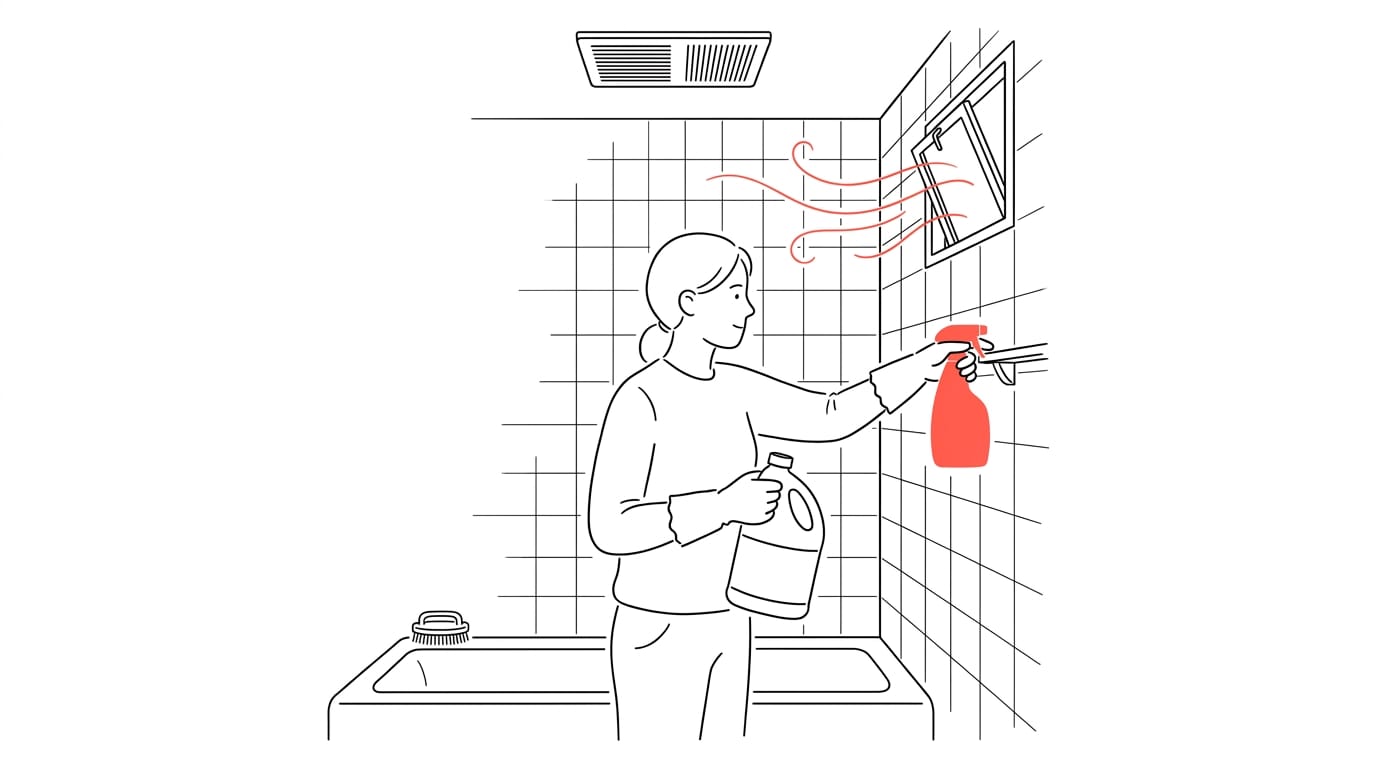
- Never mix bleach with vinegar or ammonia. Keep each product in its own bottle and its own task.
- Use freshly mixed solutions. Mix a fresh batch for each session rather than saving leftovers.
- Wear gloves. Pull them on before you dip a brush, and keep them on until your tools are rinsed.
- Ensure good ventilation. Open a window and switch on the extractor fan, if you have one.
- Know your dilution ratio. Check the label for the correct mix and measure it rather than guessing.
Why mold can affect your health
Small amounts of mold are generally harmless, so a tiny speck isn’t a reason to panic.
- Respiratory issues and allergies. According to the Centers for Disease Control and Prevention (CDC), exposure to mold can cause respiratory issues and allergic reactions.
- Remove mold quickly. Scrub it off as soon as you spot it, rather than letting it sit on the grout.
If someone at home has asthma, take extra care. CDC research shows people with asthma face a higher risk of health effects from mold, and links damp indoor spaces to asthma symptoms in those who already have the condition.
Home Cleaners That Work Without Bleach
Not every grout stain needs bleach. These gentler cleaners are often already in your kitchen, and they’re a sensible first try for lighter marks. Baking soda is another kitchen staple, and tile cleaning with baking soda deserves its own look.
Try vinegar or peroxide instead
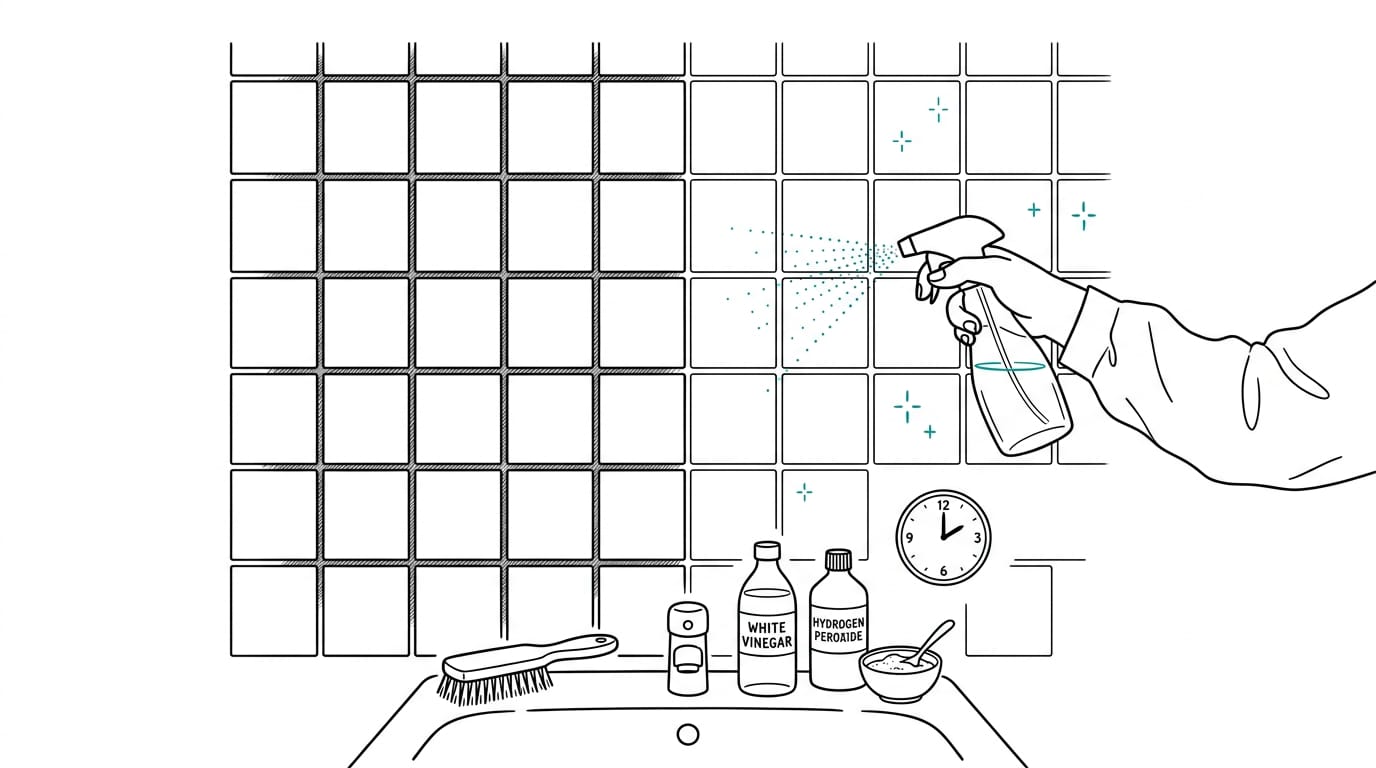
To whiten grout with vinegar, mix equal parts white vinegar and water in a spray bottle, then follow these steps:
- Spray the mix onto the grout and let it sit for 10 minutes.
- Scrub with a stiff brush once it’s had time to work.
Think of a tenant tidying a bathroom before a move-out inspection. A splash of vinegar from the kitchen cupboard, a short wait, and a quick scrub can lift dinginess from the grout without a trip to the shop.
The cleaner should do the work, not your elbow grease.
Hydrogen peroxide is the milder option, and yes, it can brighten tile grout. For a bicarbonate paste, stir bicarbonate of soda into hydrogen peroxide until it’s spreadable, press it into the grout, and leave it before you scrub.
When alternative cleaners can cause harm
Gentler doesn’t mean risk-free. Vinegar is acidic, which is exactly why it cuts through grime, but that same acidity can damage natural stone and break down sealant, the protective coating on grout and tile.
Abrasive scrubbing adds another risk, since a rough brush can scratch the surface as well as the stain.
Test first. Dab any of these on a small, hidden patch before a full treatment, especially on natural stone or freshly sealed grout. Then match the method to the stain type rather than reaching for the strongest option.
Keep Grout Clean and Mold Free
White grout stays white when it stays dry and protected. The goal is to prevent stains rather than scrub them out later.
Keep moisture under control
Damp grout is where mold takes hold and grime settles in, so you want the room drying out quickly after every shower or bath. Dry air is your ally.
For example, a parent who wipes the shower wall dry after bath time keeps the grout from turning grey between cleans. Three habits help most:
- Use the exhaust fan. Run it during your shower and for a little while after to pull steam out.
- Open windows. Fresh air carries damp away, especially when a fan isn’t enough.
- Keep floors and walls dry. A quick squeegee or towel stops water from sitting in the joints.
Seal grout and keep up routine cleaning
Sealing gives the joints a protective layer, and a simple routine keeps them bright. Here’s the routine:
- Apply a high-quality grout sealer. Liquids bead on the surface instead of soaking into the joints.
- Remove loose dirt first. Sweep or vacuum grit before you clean, because wet cleaning turns it into grime.
- Clean sealed grout regularly. Regular cleaning prevents soap scum and grime from building up. Little and often wins.
- When to regrout or recolour. If grout stays discoloured after regular cleaning, or starts crumbling, it’s time to consider regrouting or recolouring rather than scrubbing harder.
Whiter grout comes down to matching the method to the mark. Start with the stain, choose the gentlest option that suits your grout and surface, and keep the lines clean so discolouration never gets a head start.
A few minutes of regular attention beats a scrubbing marathon every time. Stay on top of the lines, and white grout will stay white.
References
- Health Problems | Mold — cdc.gov (2026)
Questions
What is the best way to clean bathroom grout?
Clean grout regularly with a suitable cleaner and a stiff nylon brush, then rinse it well and let it dry. For light stains, use equal parts white vinegar and water for 10 minutes before scrubbing, but avoid vinegar on natural stone or freshly sealed grout.
What is the safest way to remove grout from tiles without damaging them?
Use a manual grout saw or a grout-removal tool with a narrow blade, working slowly along the grout line and keeping the blade away from tile edges. Protect the tile surface, use light pressure, and stop if the tool starts chipping or scratching the tiles.
How to whiten grout with vinegar?
Mix equal parts white vinegar and water, spray the solution on the grout, and leave it for 10 minutes. Scrub with a stiff brush and rinse; do not use vinegar on natural stone or grout with vulnerable sealant, and never mix it with bleach.
How long does grout last?
Grout can last for many years, but its lifespan depends on the grout type, installation, moisture, and upkeep. Crumbling, cracking, or discoloration that persists after cleaning can mean it needs repair or replacement.
How long to leave pink stuff on grout?
Follow the product label, since directions can vary by Pink Stuff product and surface. For the paste, use a small amount, scrub gently, and rinse it off rather than letting it dry on the grout.
Why is my shower grout turning yellow?
Shower grout often turns yellow because its porous surface absorbs soap, shampoo residue, dirt, and moisture over time. Poor ventilation and lingering damp can also encourage mildew, which may discolor the grout.
Does hydrogen peroxide whiten tile grout?
Yes. Hydrogen peroxide can brighten tile grout and is a milder alternative to bleach; it can also be mixed with bicarbonate of soda to make a spreadable cleaning paste. Test it on a hidden spot first and rinse after cleaning.
Can mold grow in grout?
Yes. Grout is porous and can retain moisture, which allows mold to grow, especially in damp bathrooms with poor ventilation. Drying surfaces, improving airflow, and cleaning mold promptly can help prevent it.
Sources
- Health Problems | Mold | CDC, cdc.gov,
Read next
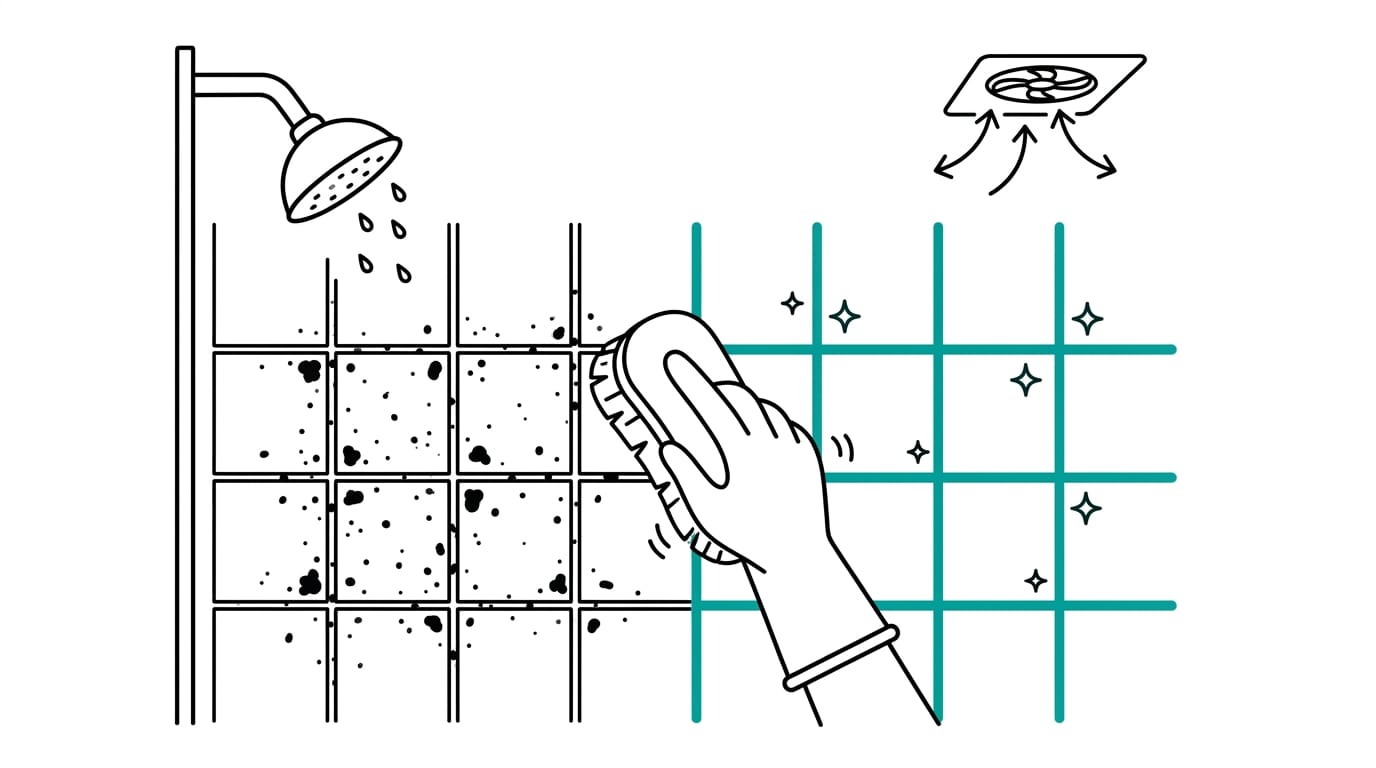
- Black Spots in Shower Grout: Causes and FixesBlack spots in shower grout are usually mold or mildew. Check shower safety, clean the growth in the right order, and prevent spots from returning.
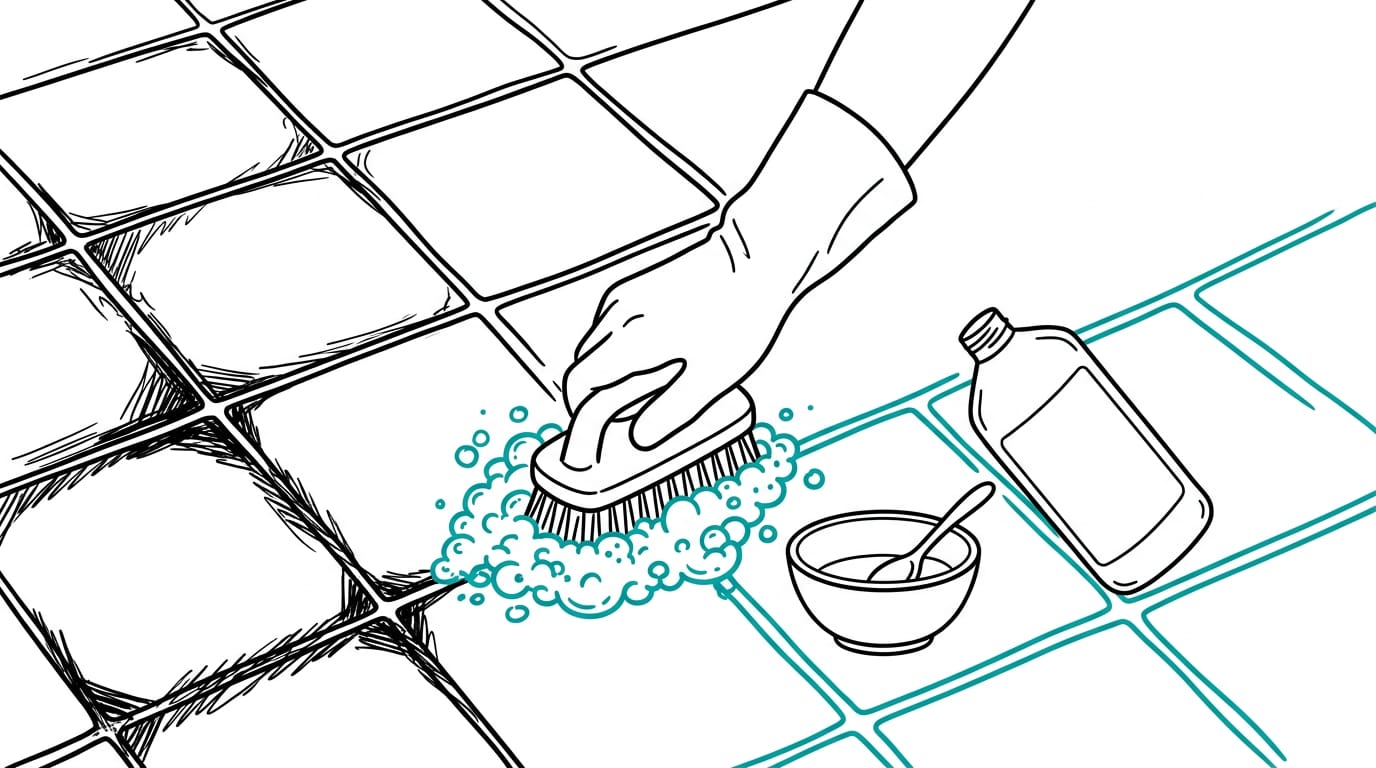
- Cleaning Grout with Baking Soda and Hydrogen Peroxide GuideCleaning grout with baking soda and hydrogen peroxide lifts grime with a simple paste; see when it works, what to avoid, and which method fits your grout.
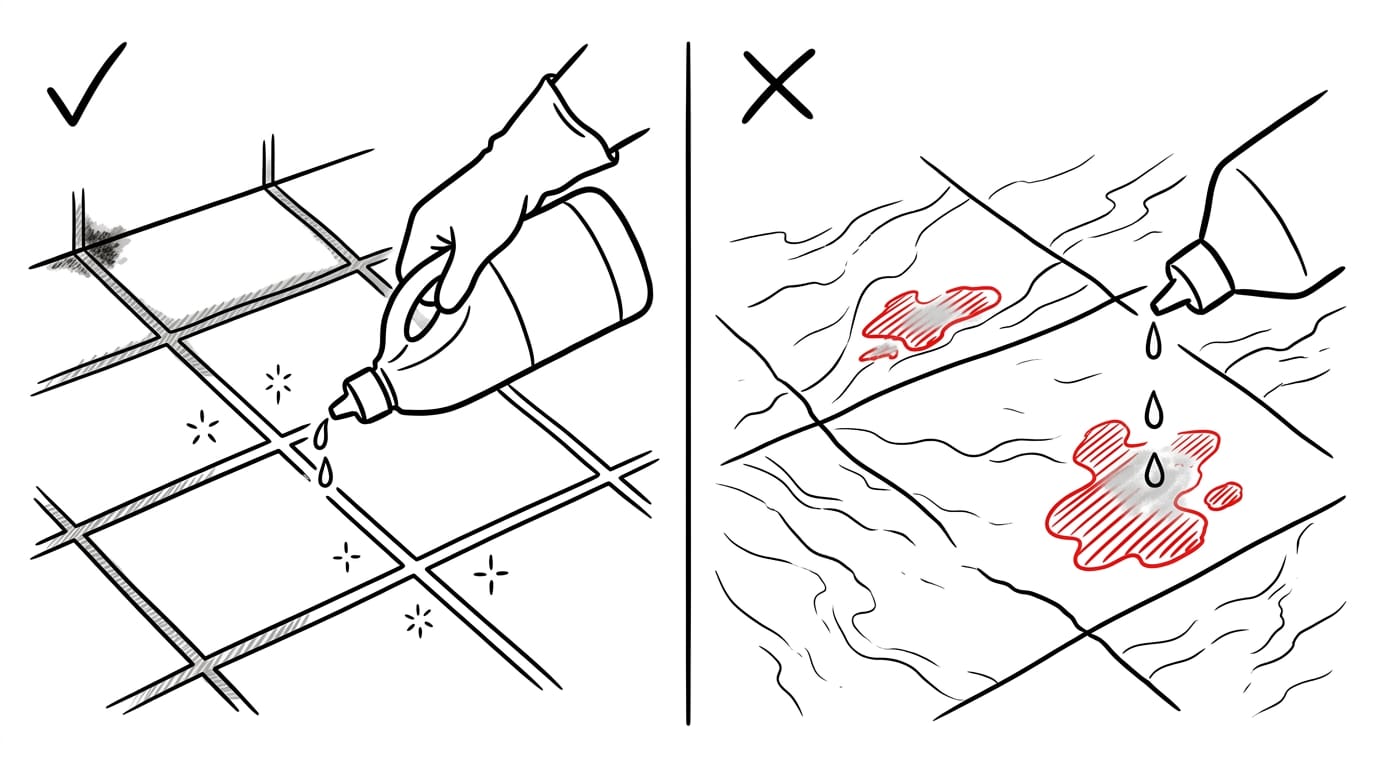
- Bleach on Tiles: Where It Helps and Where It HarmsBleach on tiles can lift stains and grey grout, but check which surfaces tolerate it first and avoid unsafe mixes to protect delicate finishes.
Stain Finder: a free stain removal guide
Find your stain