How to Get Odor Out of House: A Complete Guide
How to get odor out of house starts with finding the source, then matching it to room-by-room cleaning, pantry staples, and odor-fighting tools.

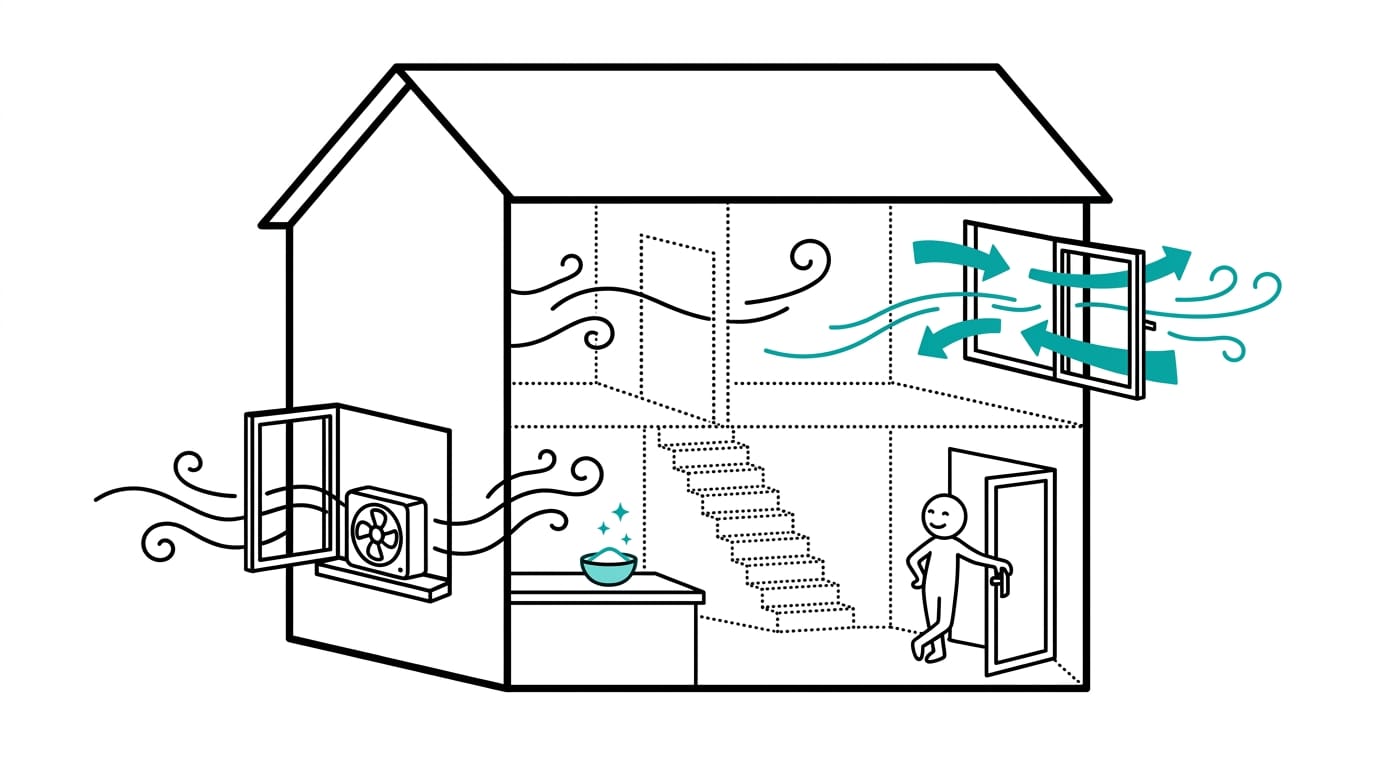
Getting odor out of a house means finding and cleaning the source of the smell, then removing what remains from the air and surfaces. Match the method to the source: wash bins, drains, pet bedding, fabrics, and appliances; air rooms out, control damp, and use baking soda or activated charcoal to absorb lingering odors. The practical rule is to clean first and freshen second, because sprays, candles, and scents can mask a smell without stopping it from returning.
Walk in after a week away and the smell hits before anything else does. Maybe it’s last week’s fish dinner, a damp corner, or a pet bed nobody has washed in ages. Odor is a lot like a stain: find where it’s coming from, and it gets much easier to lift.
The trick isn’t to spray air freshener over the top. Smells cling to fabric, drains, and corners with little airflow, so where the smell starts matters as much as how you tackle it. One drain that can hold a smell is the AC condensate drain line.
Here, we’ll pair each source with the right method, in the right order, plus quick fixes from your cupboards.
How to Get Odor Out of House
A smell is a clue, not just a nuisance. Your order of attack is simple: find the source, clean it, then absorb whatever is left.
Spotting the most common odor types
Match the smell to its likely source:
- Cooking and trash smells: grease and food residue in bins, sinks, and around the cooker.
- Pet odors: urine and dander in bedding, litter boxes, and soft furnishings.
- Mold and mildew: a musty smell from damp corners, bathrooms, and behind furniture.
- Smoke, sewer gas, and pests: lingering smoke, a rotten-egg whiff from drains, or a musky trail from pests.
Smoke is usually the hardest to remove. It soaks into walls, carpet, and upholstery, so it keeps lingering long after the cigarette or fire is gone.
Fix what’s causing the smell
Start with the usual suspects:
- Empty and wash trash bins. Scrub with hot, soapy water and let the bin dry fully before you add a new liner.
- Clean clogged drains. Standing food and grease sour quickly, so clear the blockage and flush with hot water.
- Wash pet bedding and litter boxes. Wash bedding on a hot cycle if the label allows, and scrub litter boxes with a mild cleaner.
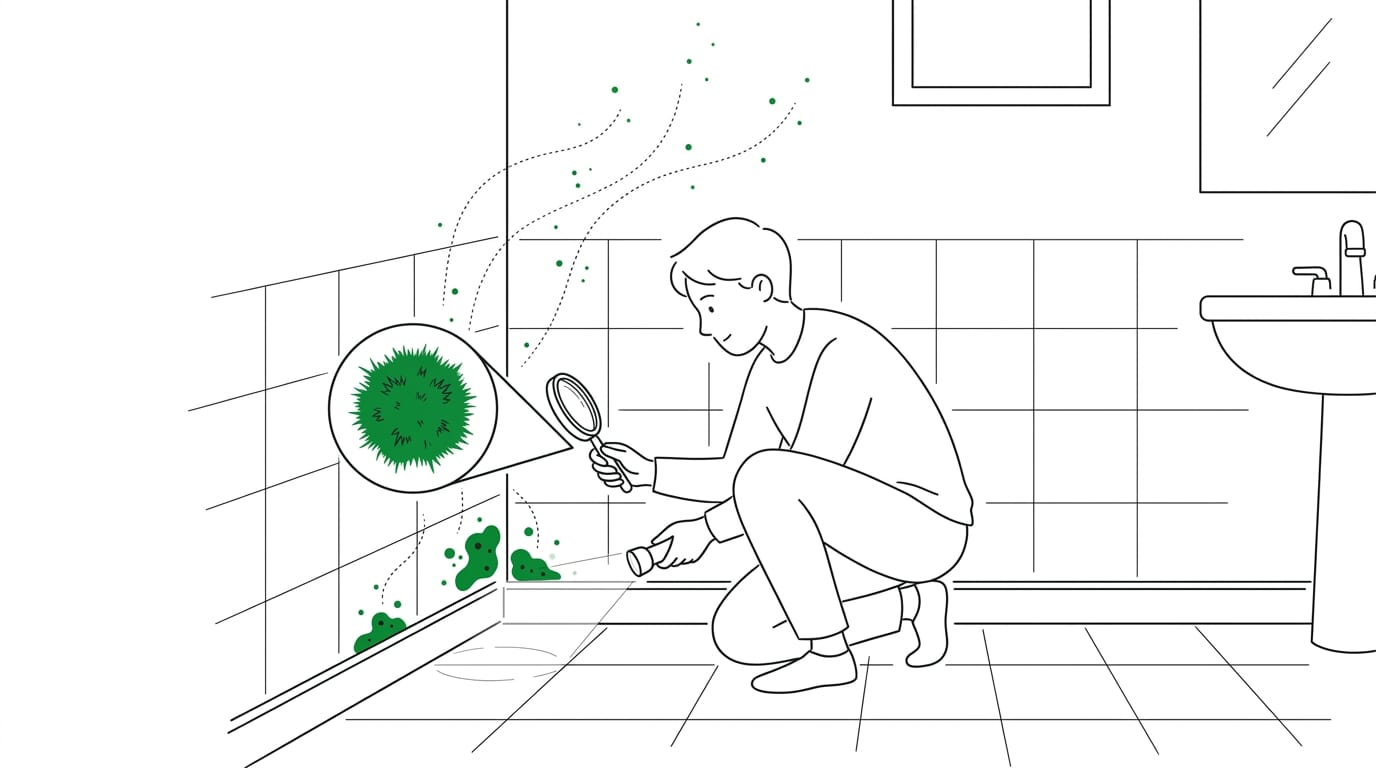
- Inspect damp areas for mold. Check under sinks, behind furniture, and in corners for dark spots or a musty smell.
- Call a professional for mold. If a patch is large or keeps returning, get a professional to take a look.
Consider a pet owner whose cat has started skipping the litter tray. Washing the bedding and scrubbing the tray that weekend clears the smell before it soaks into the rug.
Eliminate smells instead of covering them
Your goal is to eliminate the odor, not mask it. Sprays and candles only cover it up, and the smell returns once they fade. Clean the source first, then let baking soda absorb whatever’s left. Cover it, and it comes back.
Air the House Out and Clean Thoroughly
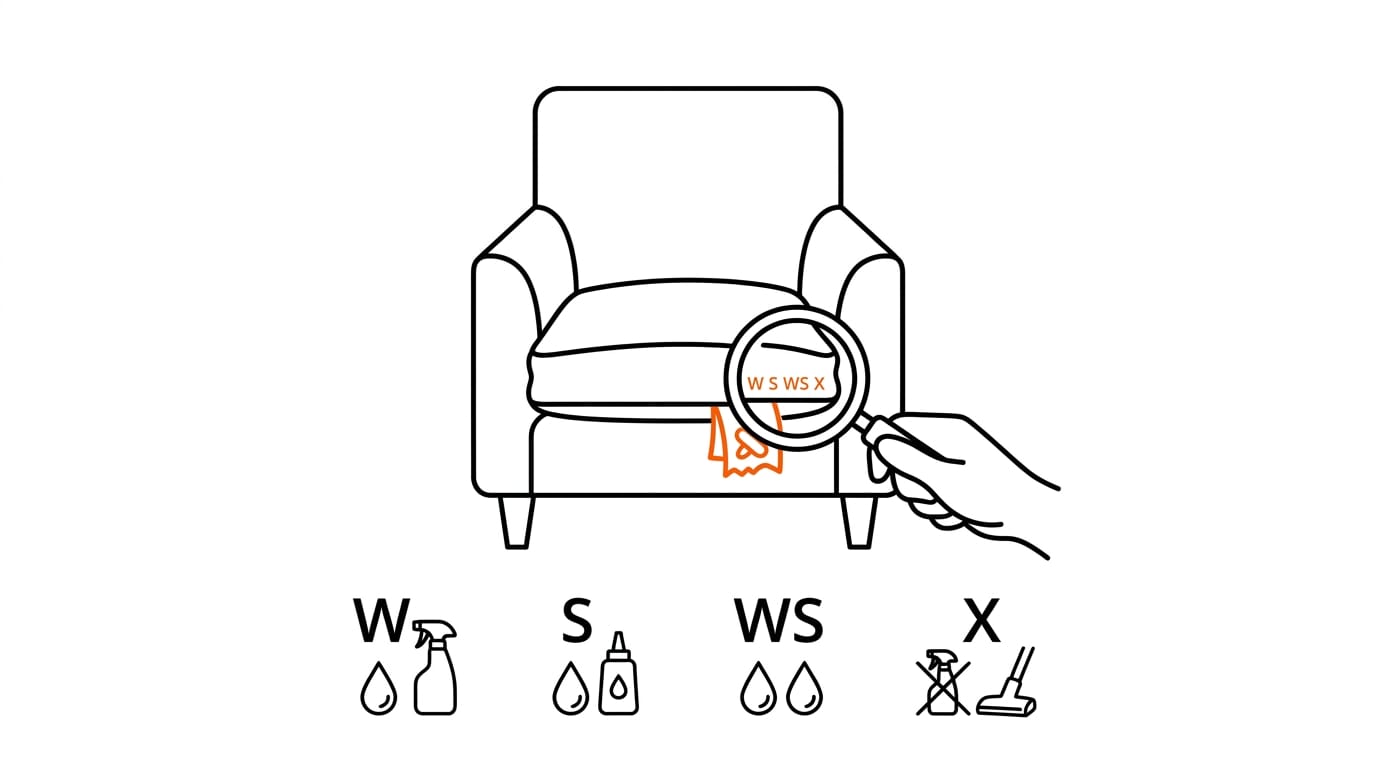
Odor hides in the air, on soft surfaces, and inside appliances. Match the method to each surface, and aim to remove the source rather than cover it up. Check the cleaning code on upholstery before you pick a method.
Let fresh air move through
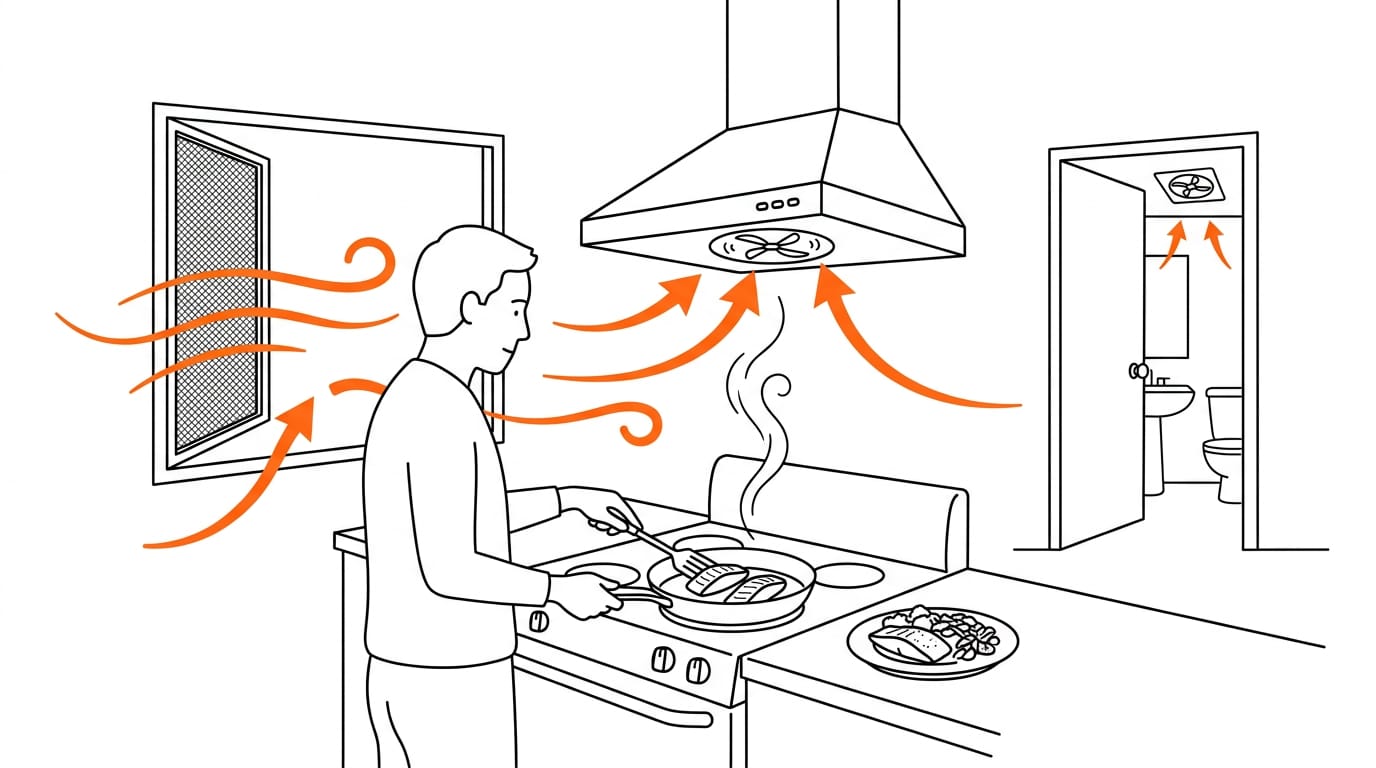
Open windows daily so stale air has somewhere to go. Run extractor fans while you cook, and use the bathroom exhaust fan during and after every shower. Keep window screens in place so air keeps moving without letting in insects.
Think of a parent who runs the extractor fan through a fish supper. By bedtime, the kitchen smells like dinner, not fish. Fresh air comes first.
Deep clean carpets and fabrics
Soft surfaces trap odor in their fibers, so work through these points:
- Treat spills promptly. Act before they soak in.
- Patch-test fabrics before treating. Dab a hidden corner first, and don’t skip it, since colors can change.
- Vacuum regularly to keep grime out of carpets and upholstery.
- Steam clean carpets to lift what’s trapped in the fibers.
- Enzyme-based cleaners. Use them on organic messes like food and pet accidents.
- Wash curtains and fabrics that can take it.
Clean the appliances that trap smells
Food and grease collect inside appliances, so give the fridge, microwave, and oven a thorough wipe-down. Check the filters in your dishwasher and washer, and clear out any trapped debris.
Don’t forget the garbage disposal: clear out food scraps and wipe the rim so nothing lingers out of sight.
Pantry Staples That Soak up Smells
Most stubborn smells have soaked into something soft or settled into a still corner. The simplest items in your kitchen can often draw them back out.
Sprinkle baking soda and charcoal
Baking soda is a good first pick for carpets and upholstery. Sprinkle it over the surface, or set it in open bowls or boxes in the room. Give it time, then vacuum thoroughly so the odor leaves with the dust.
Think of a renter whose new carpet still smells of the last tenant’s cooking. A sprinkle of baking soda and a good vacuum can make the room feel like theirs before the boxes are unpacked.
For smellier spots, activated charcoal (a porous form of charcoal) works well. Place bowls of it wherever the smell is strongest.
How long does a vinegar bowl work?
Vinegar works on odors that cling to hard surfaces and the air. Mix equal parts vinegar and water, then use it in one of three ways:
- Spray or wipe surfaces with it.
- Boil it on the stove so the steam carries through the room.
- Leave a bowl of it out in the room.
A vinegar bowl keeps working for as long as it’s absorbing odor, so there’s no timer to watch. Keep it out while the smell lingers, and swap in a fresh batch once the bowl itself smells strongly of what it’s picked up.
Coffee grounds for fridges and cupboards
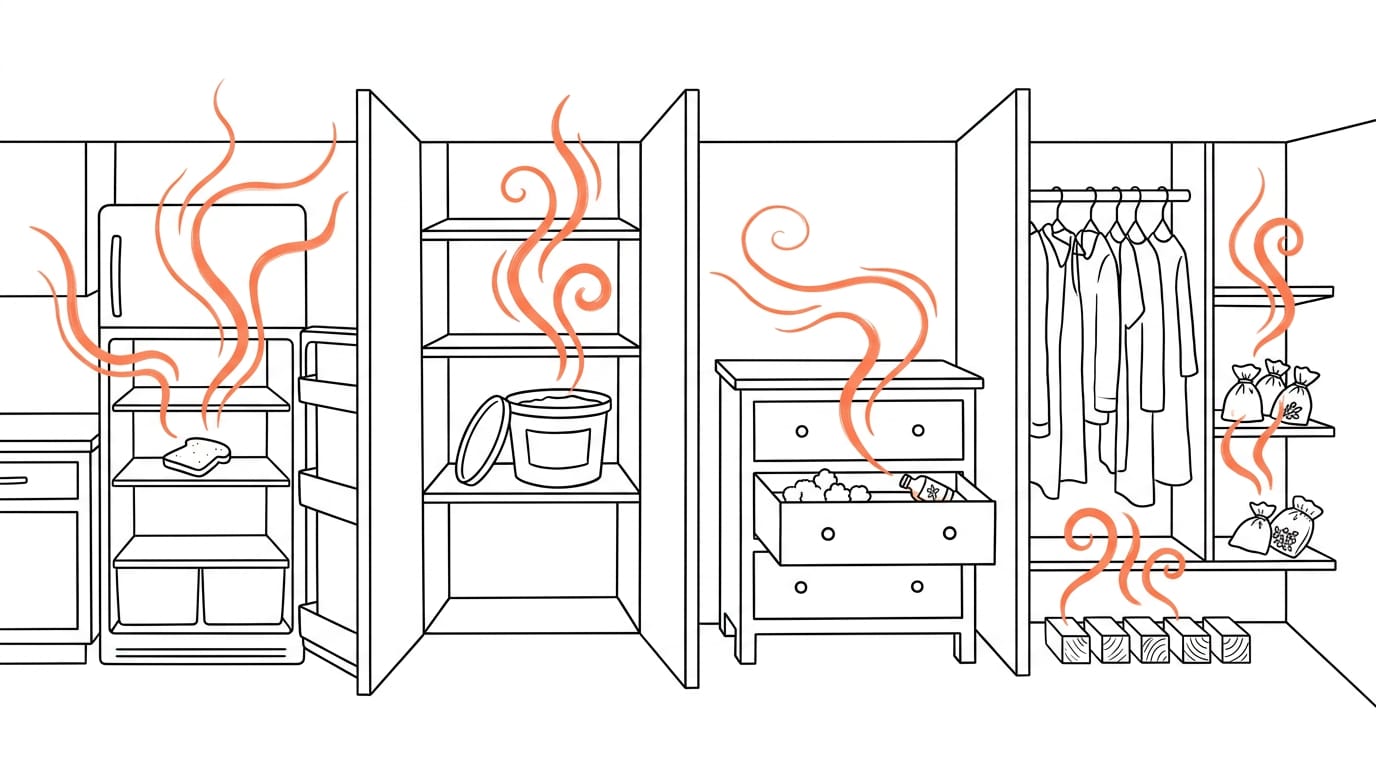
Fresh or used coffee grounds both work, and they’re a quiet fix for the fridge, pantry, and cupboards. Picture a parent who’s just cleared out a fridge after a forgotten tub of leftovers.
A small open cup of used grounds on a back shelf keeps the sour smell from settling back in while the fridge airs out.
Keep the bowl or cup toward the back of the shelf, out of the way of food, so the air can move around it.
Citrus peels and simmering spices
Citrus is one of the easiest ways to freshen a home. Boil lemon or orange peels in a pan of water on the stove, and add cinnamon and cloves for a warmer scent.
Drop a few peels into the kitchen disposal and run it with water, or set halved lemons on a plate in a room that smells stale.
Other everyday items that absorb odor
Several everyday staples are worth keeping on hand:
- Bread in the fridge. A slice set on a shelf can soak up stray smells.
- Cat litter in containers. Open containers tucked into a cupboard or closed-off room take on odors much like baking soda does.
- Vanilla extract on cotton balls. Dab a few cotton balls with vanilla extract and tuck them into a drawer or closet for a light, sweet scent.
- Cedar blocks and lavender sachets. Tuck these into closets and drawers so linens and clothes stay fresh.
What three ingredients make your house smell good?
Three ingredients make the biggest difference:
- essential oils (concentrated plant oils)
- a way to spread them such as a diffuser or homemade room spray
- homemade herb or citrus fresheners for a natural touch
Eucalyptus, lavender, and peppermint are the oils to start with.
Fresheners cover a smell, but they don’t remove it. Clear the source first, then add a scent that makes the room feel like yours.
Room by Room Tips for Tight Spaces
Tight spaces hold smells, so each room needs its own routine. Here’s where to start.
Keeping the kitchen smelling fresh
Kitchens pick up smells fast, so the aim is to stop odor at the source, not mask it.
- Covered trash can: Keep the lid on and empty it often so food scraps don’t sour.
- Clean sink and disposal: Wipe the sink after use and clean the disposal regularly.
- Tidy fridge and freezer: Toss expired food and wipe up spills before they start to smell.
- Lemon and vinegar deodorizers: Wipe surfaces with a lemon half or a splash of white vinegar.
Bathroom cleaning that stops odor
Damp bathrooms invite mildew, so stay ahead with these habits:
- Mold and mildew cleaner: Spray grout, caulk, and shower corners, then rinse.
- Weekly toilet cleaning: Scrub the bowl, seat, and base every week.
- Clean drains: Clear hair and soap buildup, since that gunk holds odor.
- Exhaust fan for humidity: Run it during and after showers so steam leaves the room.
A parent juggling morning showers keeps a mold and mildew spray under the sink and mists the walls after the last rinse. Less moisture, less mildew.
Freshening living areas and bedrooms
How can you get rid of bad smells in your room? Start by washing the bedding and airing out the room. Then tackle the rest:
- Fabric refresher: Spray sofas, curtains, and rugs to lift smells from the fibers.
- Weekly bedding washing: Wash sheets and pillowcases every week so sweat doesn’t build up.
- Linen or pillow mist: Lightly spritz pillows and linens for a quick refresh.
- Potpourri: A bowl adds scent, but it’s a cover, not a cure, so pair it with cleaning.
Closets, cars, and shoes that stay fresh
- Cedar blocks and lavender sachets: Tuck them among clothes or in drawers for a light scent.
- Charcoal bags for car: Place one under a seat or in the trunk to absorb cabin smells.
- Baking soda in shoes: Sprinkle a little inside, leave it a while, then shake it out.
Consider a student whose gym shoes live in a hall closet. Baking soda keeps that hallway from smelling like a locker room.
Products and Gadgets That Fight Odor
Sprays, pods, and purifiers can make odor feel like a shopping problem. Find the source, then add a product to finish the job.
What is the most powerful odor eliminator?
There’s no single winner. The best choice depends on where the smell lives, so here’s how we’d sort them:
- Odor-eliminating sprays. These suit soft surfaces like curtains and carpet. Test a hidden spot before you spray.
- Gels and pods. They work slowly from one spot, so they suit enclosed spaces like closets.
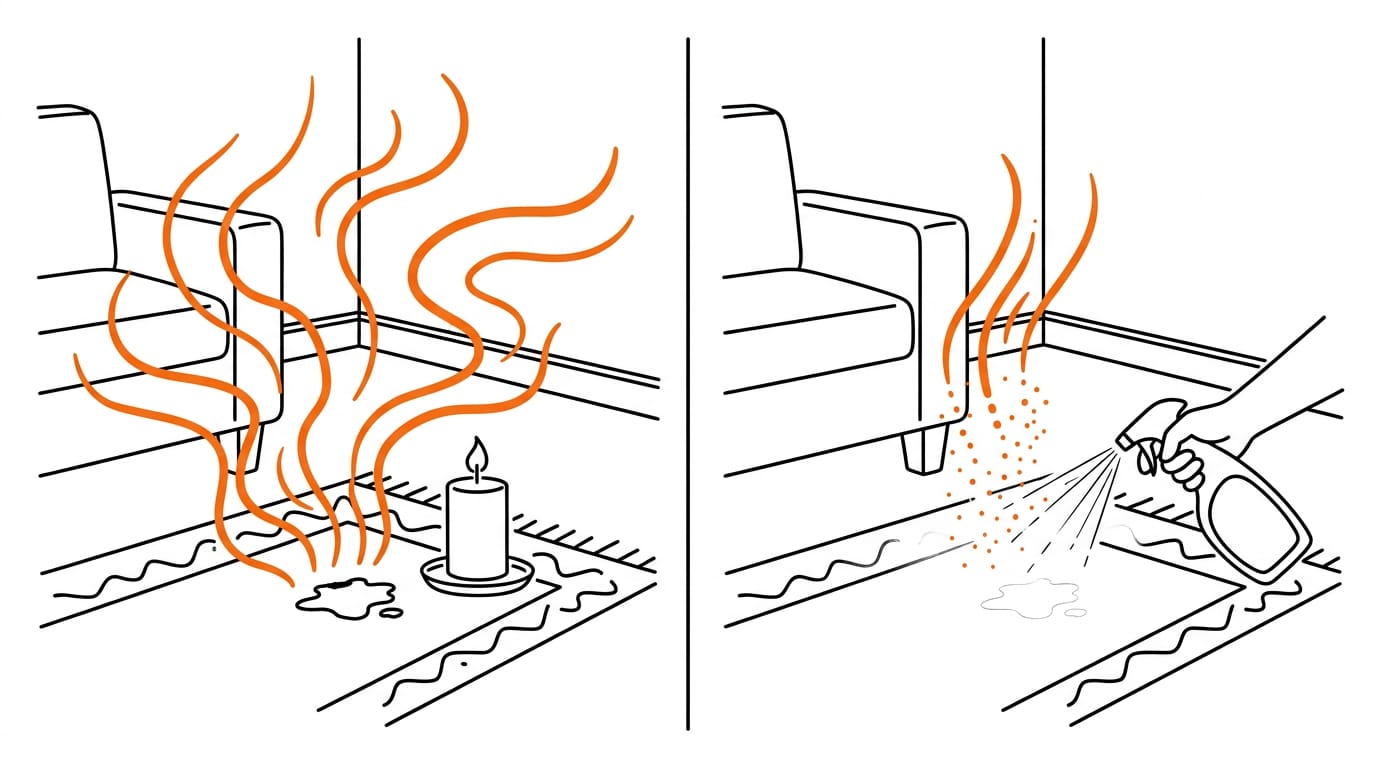
- Scented candles. They mask an odor but won’t remove it.
- Vacuum beads. They freshen the room while you clean, but can’t reach a smell soaked into upholstery.
Consider a tenant who lights a candle to cover a pet accident. Treat the spot first, and the candle becomes a finishing touch, not a cover-up.
Side by side, sprays and gels work where the smell sits; candles and beads mostly mask it. Match the product to the source.
Air purifiers and plug-in devices
- HEPA filter purifiers. High-efficiency particulate air (HEPA) filters trap tiny airborne particles, handy around smoke or dust.
- Activated carbon filters. These target odors in the air rather than particles, so check that a purifier uses one.
- Plug-in deodorizers. They freshen a room but don’t address the source.
- UV-C sanitizers. Ultraviolet C (UV-C) light sanitizes surfaces but can harm skin and eyes, so follow the maker’s directions.
When to call in professionals
- Professional air duct cleaning. If the smell hits every room at once, it may be traveling through the ducts.
- Mold removal professionals. A musty smell that keeps returning, especially with visible mold, needs a specialist rather than a spray.
When in doubt, make the call.
Keep Smells from Coming Back
Once we’ve cleared an odor, keeping it gone is the real job. Stopping smells early makes that far easier.
Build a regular cleaning schedule
Smells build slowly, so a little routine goes a long way:
- Daily: wipe counters, clear dishes, and shake out damp towels.
- Weekly: wash bathroom mats and wipe the kitchen sink.
- Monthly: do a fridge deep clean, tossing expired items and wiping the shelves.
Regular trash removal matters most. Consider a parent who takes the bin out every night, so Monday never starts with the smell of Friday’s leftovers.
Tackle smells early too: a spill wiped today takes seconds, while one left until next week means scrubbing. Catch it early.
Control moisture and keep air fresh
Damp drives many stubborn smells, so aim to prevent dampness rather than mask it:
- Dehumidifier: run one in a damp basement to pull moisture from the air.
- Air purifier: helps with everyday odors but supports good habits rather than replacing them.
- Houseplants: add greenery but won’t solve an odor problem alone.
- Check for mold: look under sinks and behind furniture for dark spots and a musty smell, then act quickly.
Small daily habits that prevent smells
Little habits add up:
- Doormats at entrances: catch mud and damp before it reaches the carpet.
- Airtight food storage: sealed containers stop strong leftovers from spreading their scent.
- Bathe pets regularly: a clean coat means less odor on the sofa and bedding.
- Avoid food buildup in drains: rinse plugholes after washing up so scraps don’t rot out of sight.
Think of a pet owner who washes the dog and its bedding on the same day each week. The sofa stays fresh without daily spritzing.
A house that smells fresh comes down to three steps: find the source, clear the air, and clean what’s holding the odor. Work through them in that order and you’ll often get more done with less effort.
Start with the room that bothers you most, and act fast while the smell is still easy to lift. Once the source is gone and the air is moving, your home will feel like itself again, and that’s a fresh start you can keep.
Questions
What is the hardest smell to get rid of in a house?
Smoke is usually the hardest household smell to remove because it soaks into walls, carpets, and upholstery. It can keep lingering even after the source is gone.
What is the most powerful odor eliminator?
There is no single most powerful odor eliminator; the best option depends on where the smell is. Activated charcoal can absorb odors, while sprays may help treat soft surfaces, but cleaning the source is the key step.
How long will a bowl of vinegar absorb odors?
A bowl of vinegar works for as long as it is absorbing odor, so there is no set time limit. Leave it out while the smell lingers and replace the vinegar when the bowl itself smells strongly of what it has absorbed.
How can I get rid of bad smells in my room?
Wash the bedding, open the windows, and let fresh air move through the room. Then clean odor-holding surfaces such as rugs, curtains, and upholstery, and use baking soda or activated charcoal to absorb lingering smells.
What three ingredients make your house smell good?
Use essential oils, a diffuser or homemade room spray to spread them, and herb or citrus fresheners for a natural scent. Eucalyptus, lavender, and peppermint are useful oils to start with.
More in Home Routines
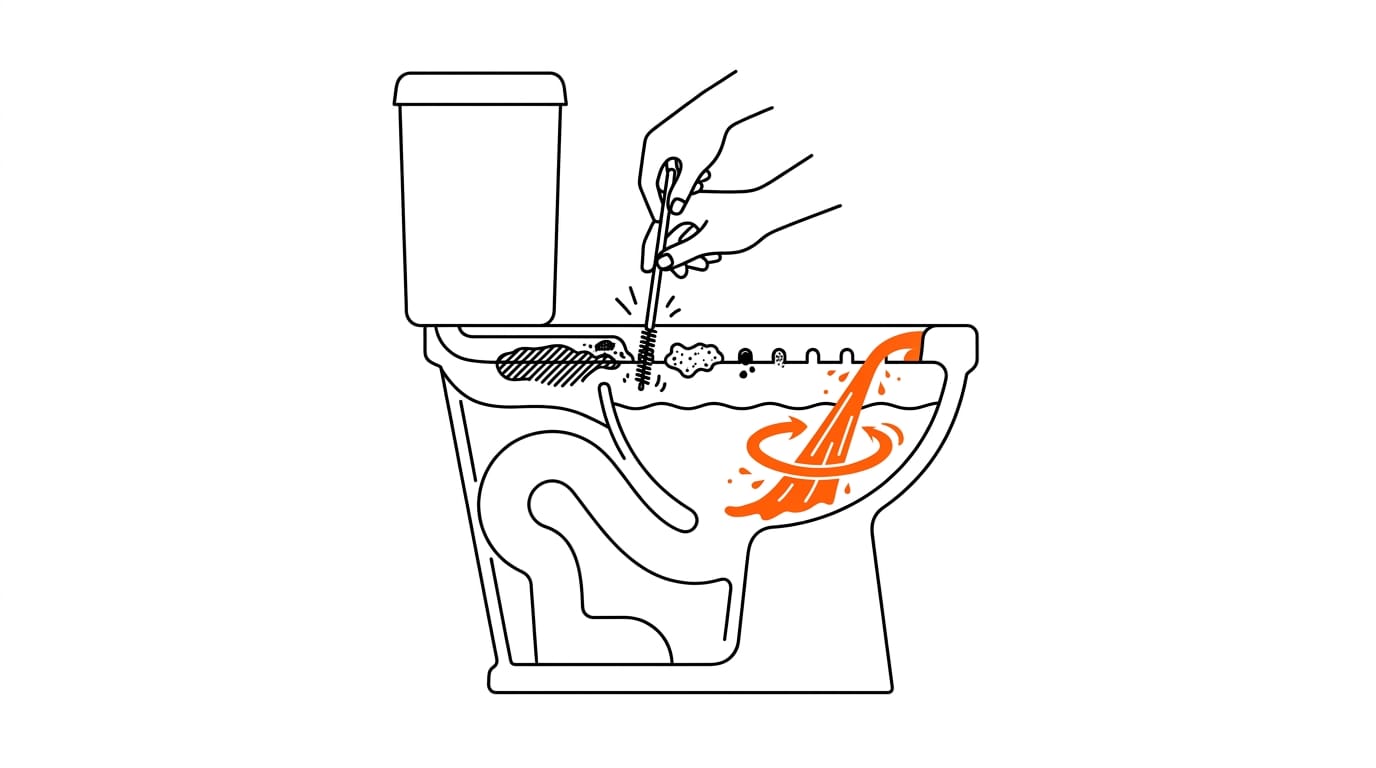
- Toilet Siphon Jet Cleaning: A Complete GuideToilet siphon jet cleaning restores a weak flush by clearing deposits with basic tools, plus steps for stubborn blockages and habits that keep jets clear.
- Cleaning Codes for Upholstery: A Complete GuideCleaning code S tells you which upholstery cleaners are safe. Find the tag, understand solvent-only care, and choose a method when the code is missing.
- How to Detect Mold in Your Home Before It SpreadsHow to detect mold in your home starts with musty smells and damp hiding spots. Use simple DIY checks to tell mold from dirt before you scrub.
Stain Finder: a free stain removal guide
Find your stain