Vinegar and Baking Soda Toilet Cleaner: Full Guide
Vinegar and baking soda can handle everyday toilet rings; see how to use them, what plumbers say, and when stubborn stains need more for a fresher bowl.

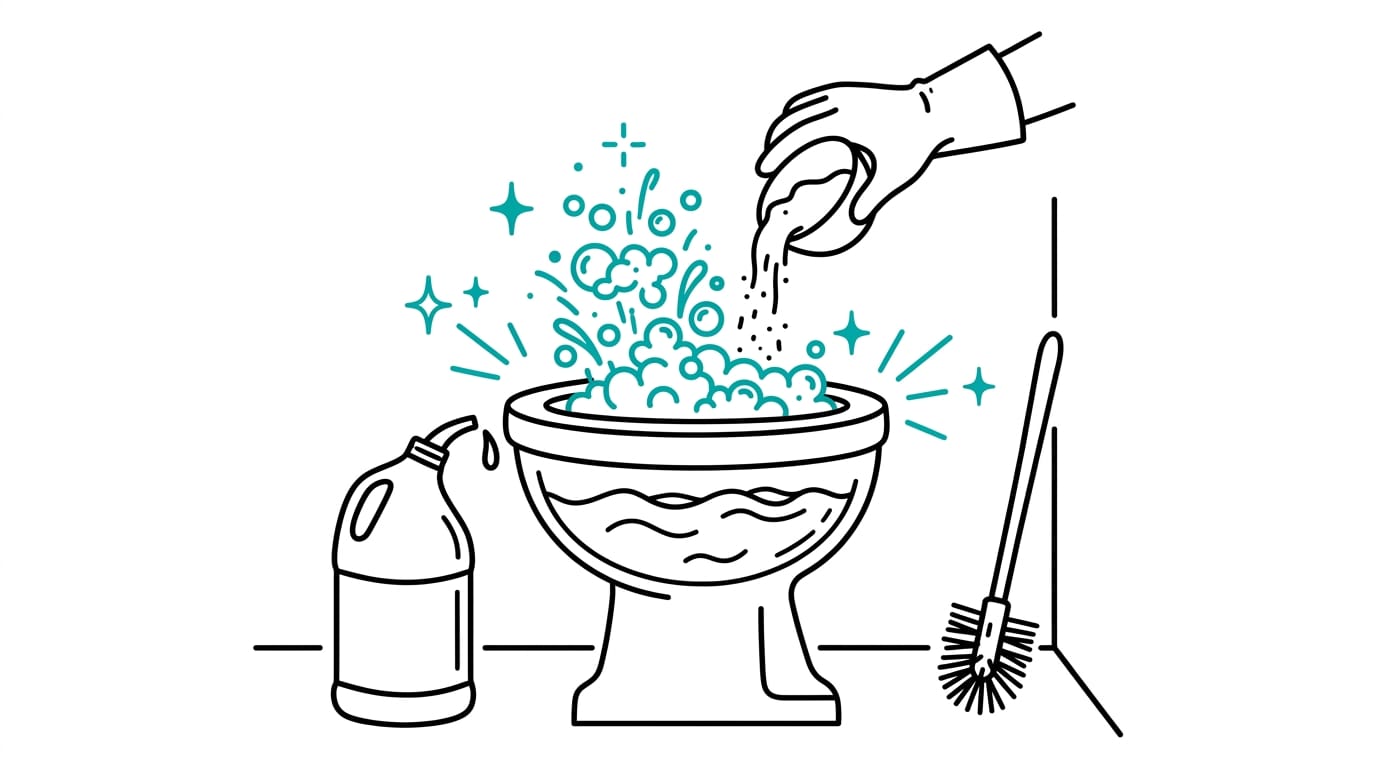
A vinegar and baking soda toilet cleaner is a low-cost way to clean an everyday toilet using common household supplies. Pour in vinegar, add baking soda, let the mixture sit, then scrub well; baking soda can handle many rings, while stubborn mineral deposits may need citric acid. It works for routine bathroom cleaning, but the fizz does not replace scrubbing, and vinegar must never be mixed with bleach.
Picture this: the toilet bowl has a ring you can’t ignore, and the cleaning cupboard is running low. Chances are you already have white vinegar and baking soda at home, so the real question is whether that pair can do the job.
For everyday cleaning, it often can, and you won’t need to spend a penny more.
This guide covers the method, what plumbers say, stubborn stains, and lingering odour, then gives you a plain verdict on whether pre-made cleaners are worth buying.
Why Vinegar Baking Soda Toilet Cleaner Works
Before you reach for the bottle, it helps to know what this pairing does well and where it stops. In short, it’s gentle, cheap, and good enough for a home bathroom.
Why natural cleaning is gentler and cheaper
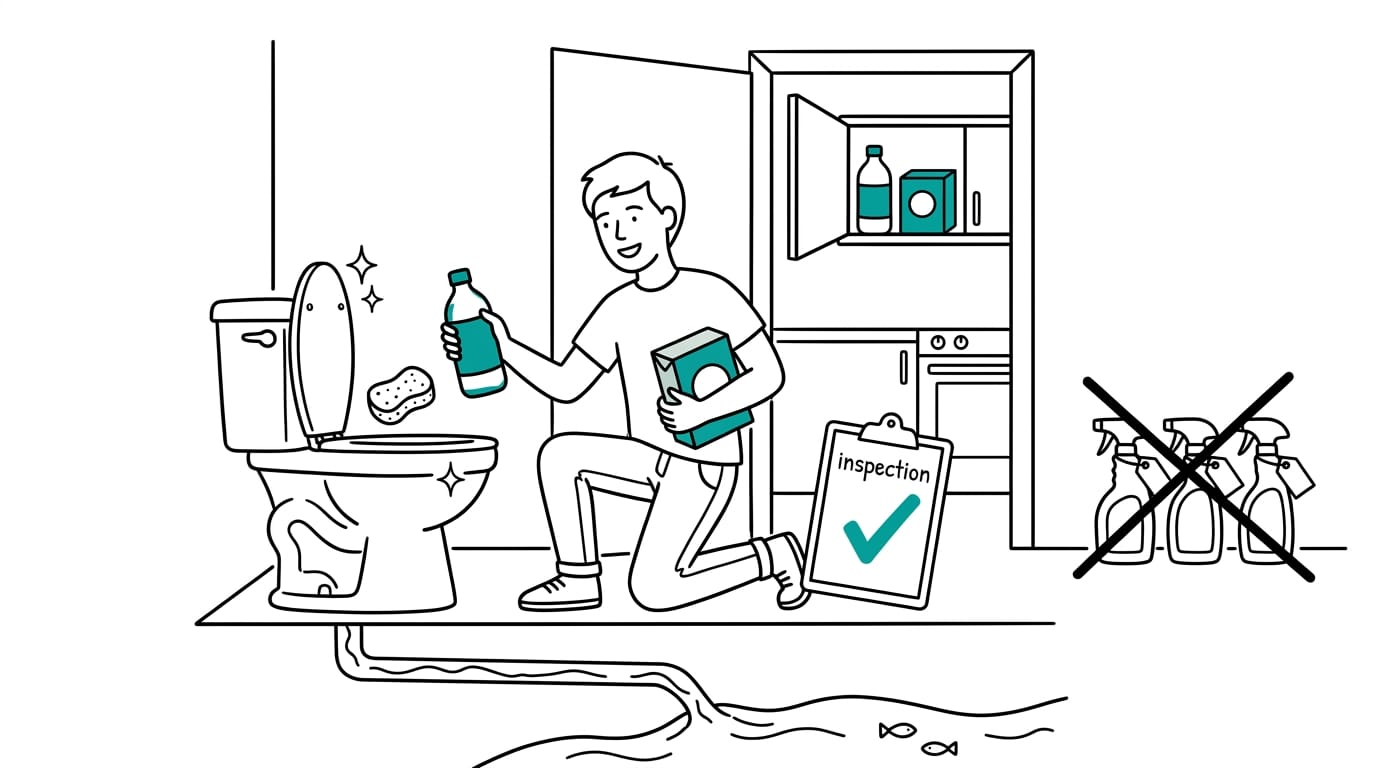
Chemical cleaners often cost more than the basics already sitting in your kitchen cupboard. Their harsher ingredients also travel down the drain and can end up in local waterways, where they can cause harm.
Vinegar and baking soda are less harmful when flushed, so the switch is kinder to the water as well as your wallet.
An article called Cleaning on the cheap describes vinegar and baking soda as inexpensive household alternatives to purpose-made toilet cleaners. Think of a renter who wants the bathroom spotless before the end-of-tenancy check.
A bottle of vinegar and a box of baking soda from the kitchen cupboard cover the bowl, the seat, and the rim, with no shopping trip on inspection day.
Homemade versus shop-bought comes down to ongoing cost. Homemade uses staples you probably already have, while shop-bought means buying a fresh bottle every time the last one runs dry.
How well vinegar sanitizes around the house
Vinegar kills germs when it’s left to sit on the surface, so give it time to work before you scrub or flush. That makes it useful for sanitizing, which simply means cutting germs down to a level that’s safe for everyday home life.
It isn’t hospital-grade, and it doesn’t need to be. The aim is a clean bowl rather than a sterile one. For household use, vinegar and baking soda are sufficient, so you won’t need a specialist product to keep the bathroom fresh. Good enough for home.
What Do Plumbers Say About Vinegar and Baking Soda?
In short, vinegar and bicarbonate of soda make a gentle routine clean, but they won’t fix a blocked drain or heavy limescale. Here’s how to use them well.
What you need before you start
Gather these first, so you’re not hunting for the brush mid-clean:
- White vinegar, plain and undiluted
- Bicarbonate of soda, or bicarb for short
- A toilet brush
- A dedicated cloth or toilet paper
- An optional essential oil or spray
Cupboard basics cost very little per clean. For example, a parent who keeps vinegar and bicarb under the sink can handle a Saturday morning splash without a trip to the shop.
Scrub the bowl step by step
- Pour half a cup of undiluted vinegar into the bowl.
- Coat the edges of the bowl with it.
- Sprinkle bicarb in and let it fizz.
- Let it sit for 10 minutes.
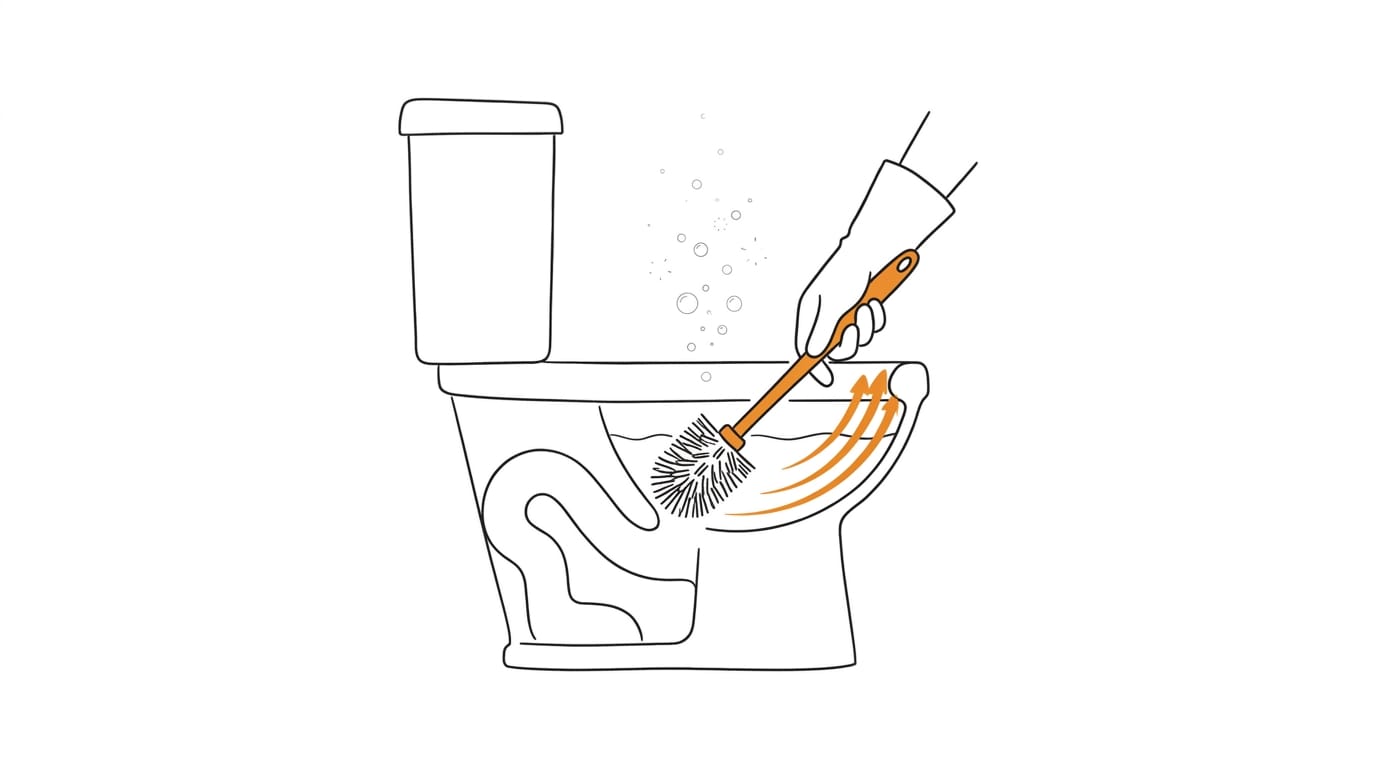
- Scrub under the rim, then flush.
The fizz looks like the hard work, but it cleans less than it seems. The real cleaning comes from the scrubbing and the wait, so don’t skip the scrub.
Never mix vinegar with bleach. The two can release a toxic gas, so flush and rinse well after any bleach before you start.
Want something to drop in? To make DIY toilet bowl cleaner bombs, bind bicarb with a little water and a drop of essential oil, press it into small moulds, and let it dry. Drop one in, then scrub, since the brush still does the work.
Wiping the seat, lid and outside
- Spray vinegar on the seat and lid.
- Sprinkle bicarb over the sprayed areas and wipe.
- Use your dedicated cloth, kept just for the loo.
- Clean the cistern and back of the pan with the same cloth, rinsing it as you go.
Make your own cleaning spray
Mix vinegar, water and a squirt of dish detergent in a spray bottle:
- Add an optional essential oil for scent.
- Spray the seat and outside, then leave it to sit before wiping.
- Some people add tea tree oil, which is often used for disinfecting. It’s optional and doesn’t replace a proper clean.
For ready-made products, the buy-or-skip verdict later in this guide tells you which ones are worth the money.
Get Rid of Toilet Bowl Stains
Most bowl stains have a few simple causes, and many clear with what’s already in your cupboard. Start with the basics, and step up only if a mark won’t budge.
What causes stains and basic fixes
Most of the rings you see come from hard water, which carries dissolved minerals. As it sits or evaporates, those minerals build up into a crusty ring just under the waterline. Those minerals can also collect in the rim jets, so toilet siphon jet cleaning is worth a look if rings return.
Consider a parent who spots a brown ring under the family loo’s rim every week. A sprinkle of bicarb (bicarbonate of soda) and a quick scrub before bed clears it before the morning rush.
Vinegar and bicarb work well together, loosening mineral deposits so the brush has less to do. Bicarb alone removes most stains, though, so start there. The aim is to match the fix to the mark, not to reach for the strongest bottle under the sink.
Tackling stubborn stains with citric acid
When bicarb won’t shift a mark, citric acid is the next step up. Picture a landlord checking a flat between tenants, with a dark band under the rim that survived two scrubs. One packet gets the bowl ready for the next viewing. Hydrogen peroxide and baking soda is a pairing worth trying when a mark still will not shift.
Here’s how to use it:
- Buy it. Pick up citric acid from the supermarket baking aisle.
- Sprinkle. Add a few tablespoons directly onto the stain.
- Leave overnight. Let it sit so it can work on the deposit while you sleep.
- Scrub, flush, repeat. Scrub the stain, flush, and repeat if needed.
By morning the deposit has loosened, so you’re finishing the job rather than fighting the stain. Patience wins.
Before you buy a shop descaler, check how citric acid compares so you know which suits your bowl best.
Leave Your Toilet Smelling Fresh
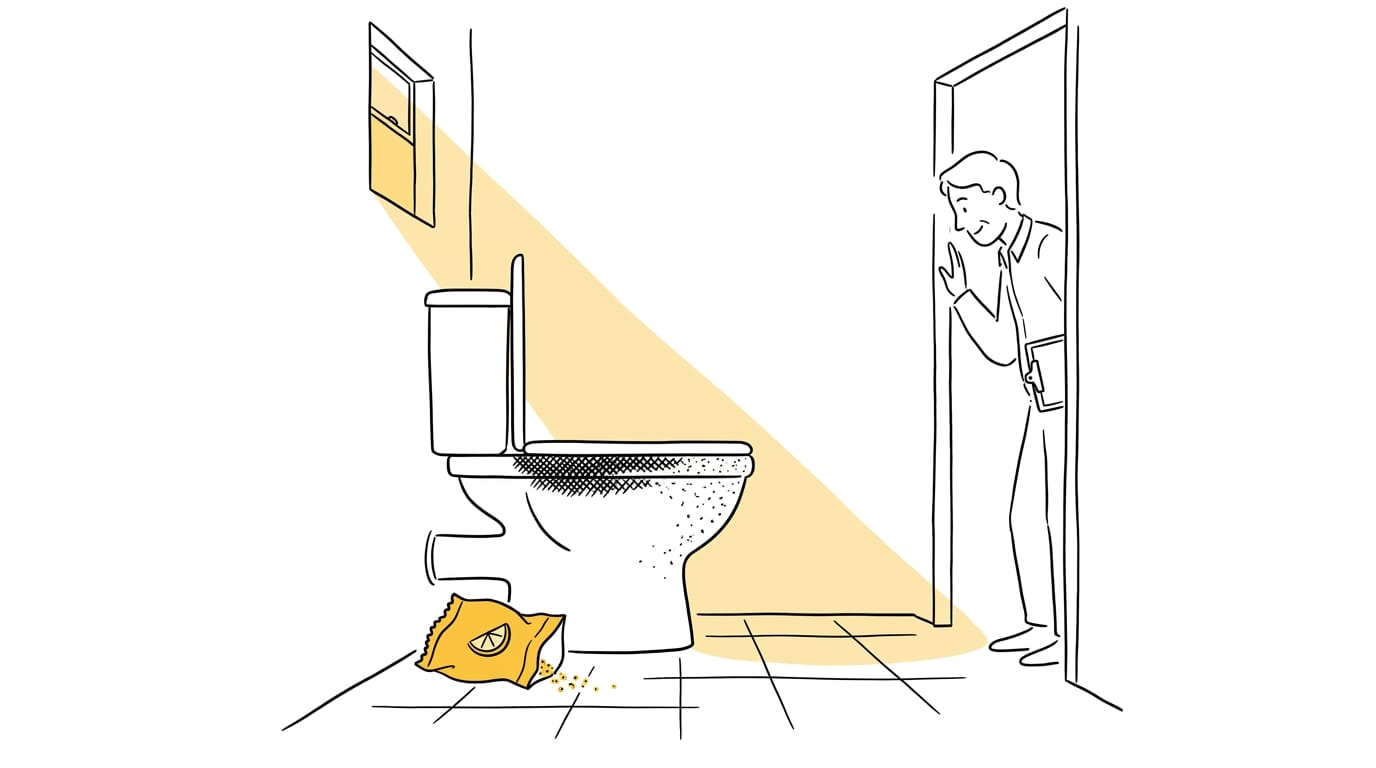
Scrubbing gets the toilet clean, but scent is what everyone in the house notices first. A few essential oils can finish the job, as long as you know how to use them.
Add a few drops of essential oil
Here’s how to add the finishing touch:
- Drop or two in the bowl. Once you’ve scrubbed, add a drop or two to the water so the scent stays put.
- Match your natural toilet spray. If you make a natural toilet spray, use the same oil in it so the scent is consistent from the bowl to the seat.
- Choose oils with antibacterial properties. Some essential oils have them. Tea tree oil is one example, and Healthline’s guide to tea tree oil describes its antibacterial properties.
Consider a flatmate who keeps one small bottle of tea tree oil under the bathroom sink. After scrubbing the shared loo, a drop or two in the bowl means the next person walks into a fresh room instead of a complaint in the house group chat.
Scrub first, then scent. The oil is the finishing touch, not a replacement for the scrub.
A bottle of white vinegar and a box of baking soda can keep your toilet looking and smelling clean, as long as you follow the method, tackle stains early, and give the bowl regular attention.
Small, steady habits do more than a big weekend scrub ever will.
When you’re weighing up a pre-made cleaner, you’ll want to measure the verdict against how stubborn your marks really are. Clean toilets start with a few simple habits, and you already have what you need to build them.
References
- Cleaning on the cheap — search.informit.org (2012)
- 14 Benefits and Uses for Tea Tree Oil — healthline.com
Questions
How do I make DIY toilet bowl cleaner bombs?
Mix baking soda with a little water and a drop of essential oil until it holds together. Press the mixture into small moulds and let the bombs dry. Drop one into the bowl, let it fizz, then scrub with a toilet brush; the scrubbing does the cleaning.
What do plumbers say about baking soda and vinegar?
Plumbers generally regard baking soda and vinegar as a gentle option for routine cleaning, but not a fix for blocked drains or heavy limescale. The fizz is less important than letting the mixture sit and scrubbing the bowl. Never mix vinegar with bleach, as they can release toxic gas.
What do plumbers recommend to clean toilets?
For routine toilet cleaning, plumbers commonly recommend a toilet brush and a cleaner suited to the job. Vinegar and baking soda can be used for a gentle clean: let the mixture sit for about 10 minutes, then scrub under the rim and flush. For stubborn mineral deposits, citric acid may help; avoid mixing vinegar with bleach.
Sources
- 14 Benefits and Uses for Tea Tree Oil, healthline.com
- Cleaning on the cheap, search.informit.org,
More in Cleaning Products
- Hydrogen Peroxide and Baking Soda: A Complete GuideHydrogen peroxide and baking soda can tackle coffee on sofa cushions. Get the simple mix, safe application steps, and when a store-bought remover is smarter.
- Baking Soda to Whiten Laundry: What Really WorksBaking soda to whiten laundry can lift some dinginess, but won't replace detergent. See when vinegar helps and how to use a stain-first method.
- Clean Silver with Baking Soda: A Complete GuideClean silver with baking soda safely by matching the method to your piece, spotting when baking soda is the wrong choice, and preventing tarnish.
Stain Finder: a free stain removal guide
Find your stain