How to Wash a Carhartt Jacket and Keep It Water-Resistant
How to wash a Carhartt jacket without ruining its finish: check the shell, remove stains, choose safe washer settings, and dry it to avoid shrinkage.

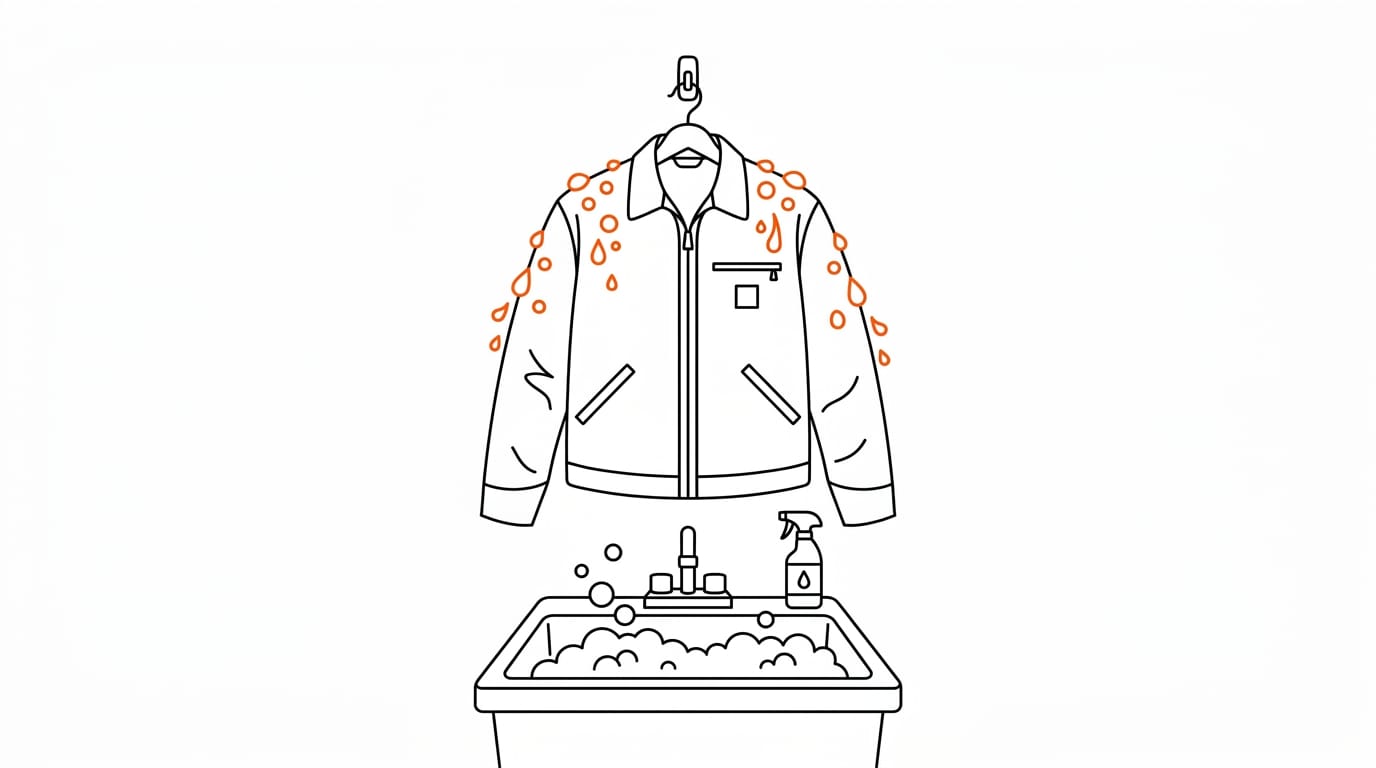
A Carhartt jacket can usually be machine-washed if its care label allows it, but the right method depends on its shell, lining, and finish. Empty and prepare the jacket, pre-treat stains, then wash in cold water with a small amount of mild liquid detergent on a gentle cycle; avoid bleach and fabric softener, and dry on low heat or air-dry. Wash only when needed and use gentle care to limit shrinkage, wear, and damage to water repellency.
Picture your work jacket after a long shift: mud on the cuffs, gravy from lunch, and a collar gone grey from months of wear. It’s stiff, grubby, and you’re wondering if it can be saved.
Like a good pair of boots, it lasts longer when it’s cared for in the right order.
This guide shows you how to wash your jacket by shell, lining and finish, so the water repellency (the coating that makes water bead off instead of soaking in) holds up.
We’ll cover prep, stains, washer safety, drying, and fixes for stiffness and shrinkage.
How to Wash Carhartt Jackets, Prep First
Most Carhartt jackets survive the wash, but the damage often starts before the machine is on. Here’s how we’d sort it: label, pockets, then grime.
Read the tag and identify your fabrics
Start with the inner care tag, usually sewn into the collar or side seam. It beats any general guide, this one included. Then check:
- Shell: the outer fabric. Heavy cotton duck and lighter synthetic blends don’t call for the same treatment.
- Lining: the inside layer, such as quilted, sherpa, or fleece. If it zips out, check whether the tag allows a separate wash.
- Flame-resistant (FR) and specialty pieces: their care rules can override every step here, so follow the tag.
Get the jacket ready for the wash
Start by emptying the pockets. Think of a site electrician who finds a leaking pen in the chest pocket, and clearing it out first stops that ink soaking into the lining. Then run through these:
- Close zippers and snaps: this stops them snagging the shell or other clothes.
- Turn it inside out: this spares the outer shell some wear in the drum.
- Brush off dried mud: do it while it’s dry, not once it’s turned to paste.
- Remove detachable hoods: so they aren’t bunched up in the wash.
Treat stains and grime before the wash
Collar and cuffs collect the most grime. Dab a little mild detergent into those areas, then leave it for 10 to 15 minutes to loosen the dirt. Stains are easiest to lift while they’re fresh, so treat them the moment you spot them.
Skip the bleach. Even on stubborn marks, stick with mild detergent.
Getting Rid of Stains
Most Carhartt stains come from grease, mud, or paint, and each needs its own handling. Act while the mark is fresh.
Lifting grease, oil, and mud
Press and blot rather than rub excess grease with a paper towel, so you don’t push it deeper into the canvas. Dish soap is the go-to for oil: work a drop in gently, leave it for a few minutes, then rinse. Let mud dry fully, then brush it off.
For heavy grime, a cold pre-soak loosens it first.
Think of a mechanic who comes home with a grease smear on the cuff of his Carhartt. A dab of dish soap on that cuff before the jacket goes in the machine keeps the mark from settling in.
Always pre-treat a stain before the wash, not after. Cold water first, every time.
Other stains and home fixes that work
- Blood needs cold water only, so keep the jacket away from heat until the mark’s gone.
- Latex paint is the one to catch while it’s still wet: dab it with a damp cloth before it dries.
- Tar and adhesives are stickier, so work slowly and test a hidden spot first.
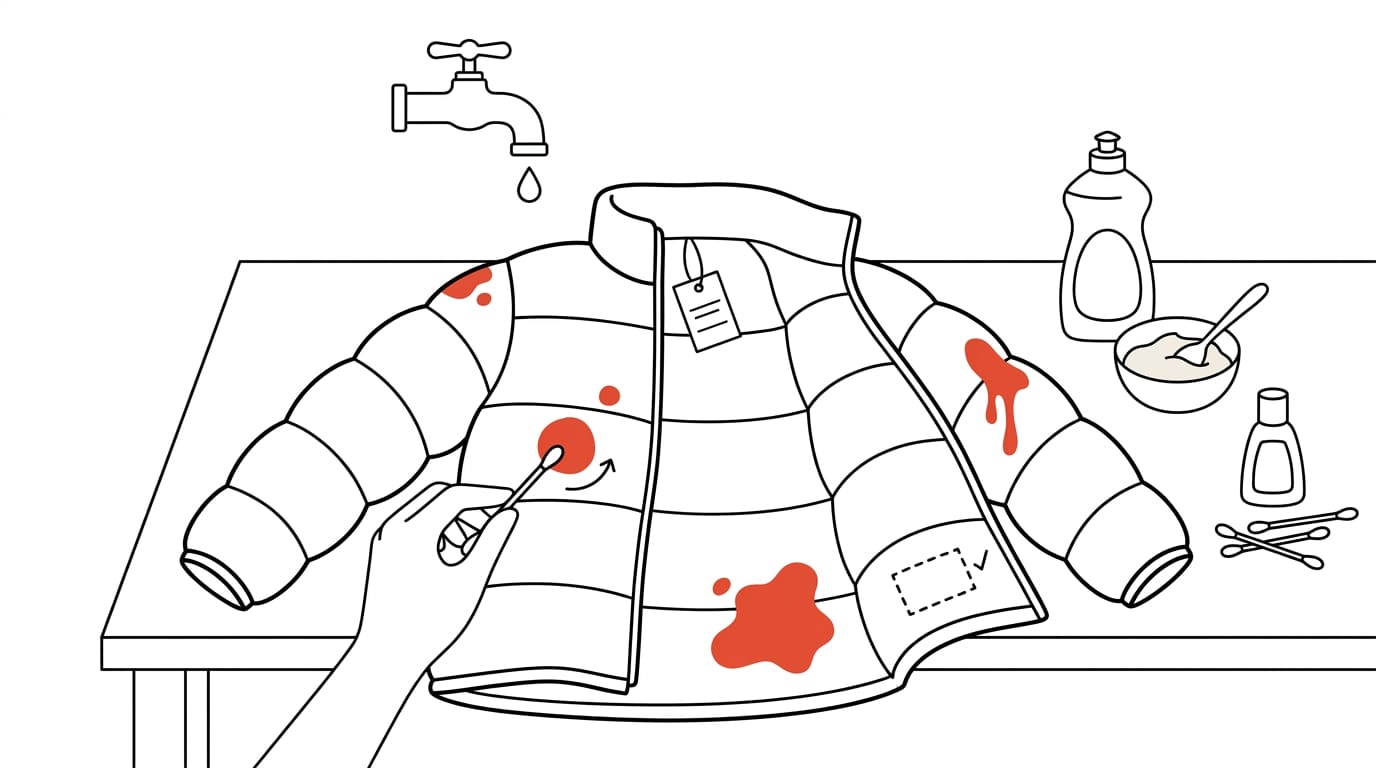
Got a general mark and no spray? Mix baking soda with a little dish soap into a paste, spread it on, let it sit, then rinse. For a stubborn mark, dab non-acetone nail polish remover onto a cotton swab and blot from the edge inward.
Wondering if you can use Dawn dish soap on your down jacket? It’s handy for an oil spot on the shell, but washing the whole jacket is a bigger job. Check the care label before any of it touches the insulation, and test a small hidden patch first.
Can You Put a Carhartt Jacket in the Washer?
Yes, you can machine wash most Carhartt jackets, provided the care label allows it. Here’s the catch: the settings matter far more than the machine. Get them right and your jacket comes out clean with its shape intact.
Choosing cold water and the right cycle
Start with cold water, every time. Heat can shrink the fabric and set stains, so a hot wash works against you on both counts. Think of a tradesperson who tosses a muddy work jacket in with a hot load of towels.
Out comes a stiff, shrunken shell with the mud baked in.
Pick a gentle or normal cycle rather than a heavy-duty one. If the care label sets a warm limit, which some jackets do, stay at or below it. Cold wins.
Picking detergent and what to skip
Use a mild liquid detergent, which dissolves fully in cool water. Skip powder, since it can leave residue behind. Use less than you think you need, because too much is harder to rinse out.
Leave the fabric softener and bleach on the shelf too, since neither belongs in this wash.
Loading the washer and rinsing well
Give the jacket room to move, since an overloaded drum can’t rinse it properly.
- Wash it alone or with similar items. Keep it out of the wash with lightweight, delicate fabrics.
- Watch new duck for dye. A dark duck canvas jacket can bleed in its early washes, so keep it apart from lighter items.
- Rinse again if needed. If you spot suds or residue after the cycle, run an extra rinse.
- Choose a low spin. Fast spinning can pack the insulation down.
Adjusting the wash for shell and lining
Whether the shell is duck or denim, the core routine stays the same. Quilted and insulated jackets need an even gentler touch, so lean toward the gentlest setting you have.
Sherpa and blanket linings are soft, so keep the cycle gentle to protect that surface. Firm duck is stiffer than washed duck, so don’t panic if yours stays firm after its first wash.
Jackets with Defender finishes, such as Rain Defender or Storm Defender, are built to keep water out. The gentle routine protects that finish, and harsh products can wear it down.
For an old, worn jacket, go as gentle as you can: cold water, the gentlest cycle, a little mild detergent, and a low spin. Old fabric can’t take a rough wash.
Drying and Caring for It After Washing
Once the wash is done, we’ll make sure drying and care protect the jacket’s shape, warmth, and water repellency. Here’s your after-wash checklist:
- Check the care label first.
- Choose air drying or a low-heat dryer.
- Remove it while slightly damp if you use the dryer.
- Shape it, then flip it so both sides dry evenly.
Using the dryer on low heat
Low heat is the safest choice for a Carhartt jacket, so use the gentlest setting. Medium heat is an option if you’re short on time, but check the care label first.
Think of a tradesperson who tosses a muddy work jacket into a hot dryer after a long shift. The lining clumps and the fit changes. The aim is gentle drying, not fast drying.
Pull it out while it’s still slightly damp, since it will finish in the open air. Toss in a couple of dryer balls to help loosen insulation as it tumbles.
Air drying it flat or on a hanger
Air drying is the gentlest route. Use a sturdy hanger, ideally a wide or padded one, so the shoulders keep their shape. If the jacket is bulky or still soggy, lay it flat on a towel and reshape the collar and sleeves by hand.
Keep it away from direct heat sources such as radiators and heaters. Flip it halfway through so both sides dry evenly. Patience wins here.
Smoothing out stiff or clumpy lining
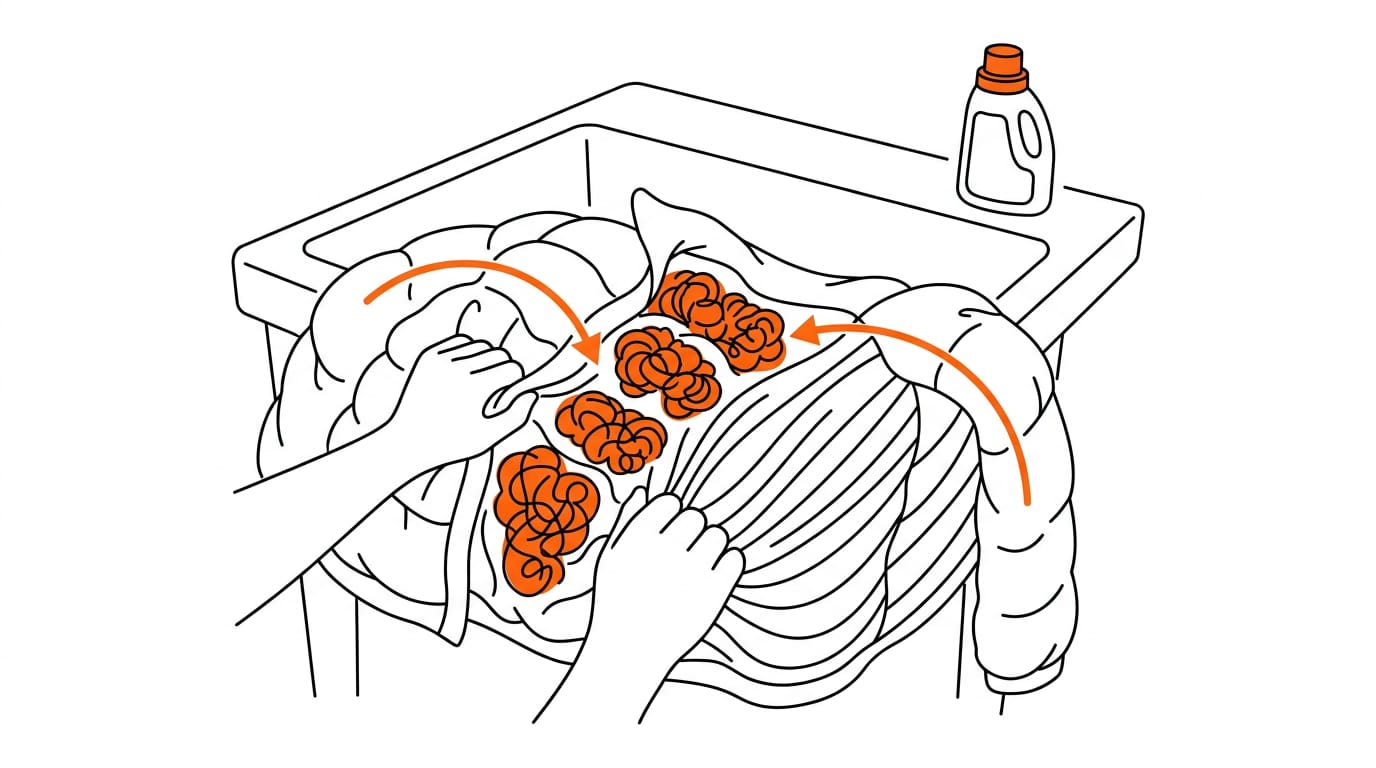
Stiff or lumpy insulation usually means leftover detergent or fill that bunched up in the wash. Run an extra rinse cycle, then massage the clumps by hand while the jacket is damp, working from the outside in. Use less detergent next time.
Getting its water repellency back
Water that soaks in instead of beading up usually means the DWR (durable water repellent) finish has worn down. Clean the jacket thoroughly first, since grime blocks the coating from working.
Once it’s dry, a low-heat tumble can help reactivate it, and a fresh DWR treatment can top it up. Skip fabric softener and degreasers, which leave a film or strip the finish.
Consider a dog walker whose jacket soaks through on wet walks. A proper wash, a low-heat tumble, and a fresh coat of treatment bring the beading back.
Care between washes and storage
Most of the time, a full wash isn’t needed. Spot-clean small marks with a damp cloth and let it air out.
Let visible dirt, odour, or a stubborn stain be your cue rather than the calendar, since over-washing is hard on the finish. Good care is mostly restraint.
Consider a tenant who hangs their Carhartt on a hook by the back door. A quick wipe after muddy days keeps it ready to wear without a trip to the laundry room. Store it fully dry so no damp gets trapped inside.
Avoiding Shrinkage and Getting the Right Fit
Shrinkage is the fastest way to turn a good Carhartt jacket into one that’s too tight across the shoulders. Getting the wash right and sizing sensibly keeps the fit you paid for, and we’ll cover both below.
Limiting shrinkage and what to expect
Heat is the thing to watch for. Hot water and a high dryer setting can both cause a Carhartt jacket to shrink, so the fix starts with the temperature. Your jacket is less likely to shrink in cold water than in hot.
According to a study on wash water temperature and basic clothing attributes, cold water loads showed the least size change across every load type.
Here’s the routine:
- Cold wash: choose cold water every time.
- Low dry: use a low heat setting, never a high one.
Keep it cool, and stick with that routine: any shrinkage stays minimal over time, so the jacket won’t keep getting smaller with every wash.
For example, a tradesperson who tosses a work jacket in with a hot load of towels may find the cuffs riding up by the next job. Switching that load to cold and drying on low keeps the sleeves right where they belong.
Size for layering. Buy for the layers you’ll wear underneath, not just the t-shirt you’re standing in. A hoodie or thick jumper can make a jacket feel tight, so consider sizing up if that’s how you usually wear it.
Other Ways to Clean the Jacket
Sometimes the washing machine isn’t the right answer, and sometimes a full wash isn’t needed at all. Knowing when to call in help and when to keep it simple saves a coat you love.
When a pro or dry cleaner makes sense
Call a professional when your jacket falls into one of these situations:
- Special finishes: Coatings or treatments that a home wash could strip or dull need specialist handling.
- Complex insulation or heavy contamination: Thick, layered padding or heavy soiling like oil or paint can be hard to shift at home.
Think of a site worker whose jacket is splattered with paint and oil after a week on the job. A home wash could spread the mess across the whole coat, so a professional is the safer bet.
Dry cleaning may damage fabric, so don’t assume it’s automatically the gentle option. Ask the cleaner how they’ll handle your jacket before you drop it off.
Spot-cleaning light dirt, keeping it broken in
For light dirt, spot-cleaning beats a full wash. Dampen a cloth with a little mild detergent, dab the affected area, then wipe it again with clean water. The cloth you dampened needs cleaning too, so check how to wash microfiber cloths next.
It’s less about washing the whole jacket and more about treating the mark. Dab, don’t soak.
Seasons of wear give your jacket its softness and shape, and a full wash can disturb that. Spot-cleaning leaves the rest of the garment alone, so the broken-in feel stays put.
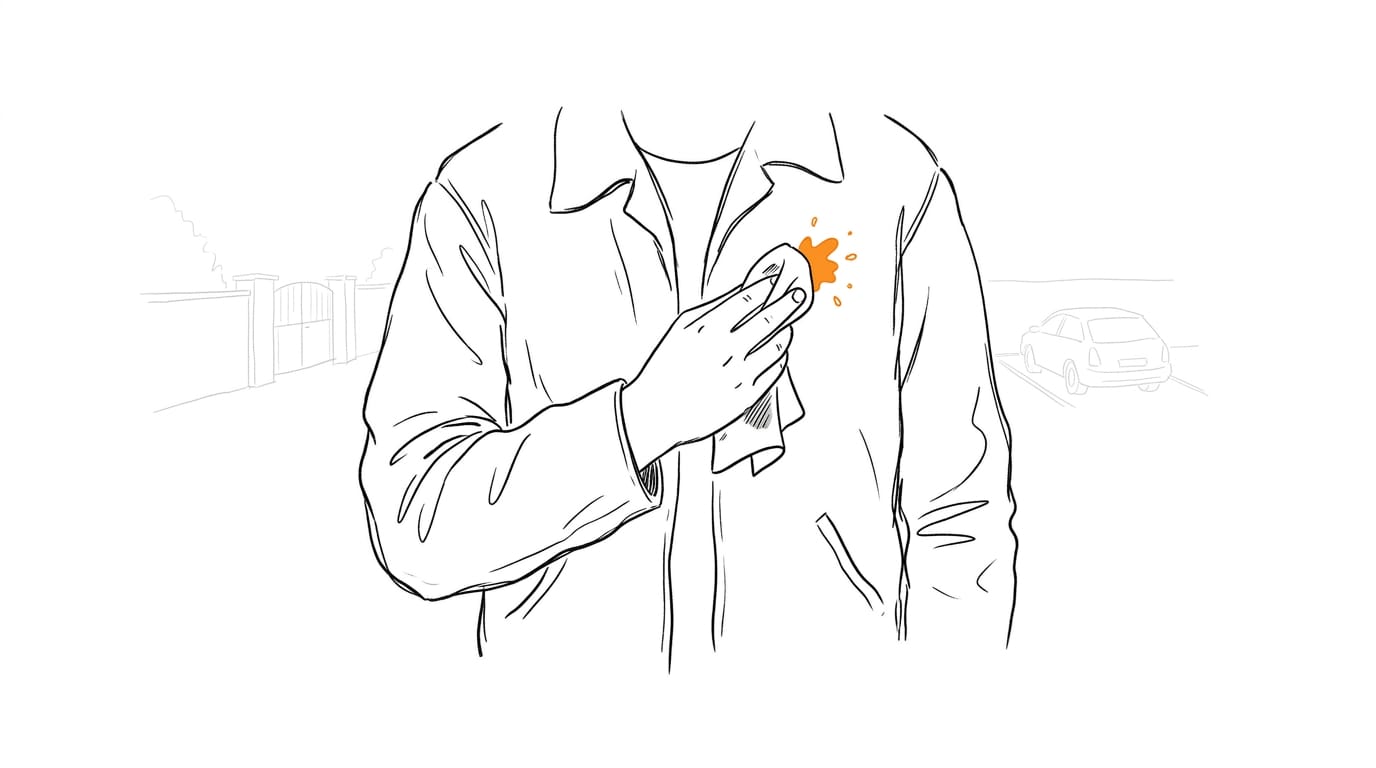
For example, a parent who gets a splash of juice on a work-style jacket at the school gate can dab it in the car park and carry on, with the jacket still feeling like its old self.
Ways Washing Softens or Ages a Jacket
Every wash softens a jacket a little, and that’s not always bad news. Here’s how that softening, and the wear that comes with it, plays out over time.
Breaking it in and how it ages
A new Carhartt jacket starts out firm. The break-in period is when the heavy duck canvas loosens up and starts moving with you, and washing is one of the quickest ways to get there.
The water and tumbling soften the stiff cotton, so the collar and cuffs feel less like cardboard.
Wearing does a lot of the break-in work too. Bending at the elbows, carrying loads, and working in it all loosen the canvas faster than a wash alone ever could.
The catch is that every wash-and-dry cycle takes a little out of the fabric. Repeated rounds age the jacket, so the softness you wanted can come with thinner, faded material. It’s less about whether you wash it and more about how often.
Consider a plumber who tosses the work jacket in after every muddy callout. After a few months the cuffs feel great, but the shell has faded and thinned, and the jacket is wearing out faster than it needs to.
To keep that broken-in feel without the wear, save full washes for when the jacket is truly filthy and spot-clean small marks in between.
Hang it to dry or use the gentlest setting you have, so the fabric isn’t worked over more than it needs to be. Soft is good. Worn out isn’t.
Washing Your Other Carhartt Clothes
Your jacket isn’t the only piece that needs a wash. Bibs, pants, flame-resistant gear, and caps each want a slightly different routine, so match the method to the garment. Backpacks need the same thinking, so check how to wash a backpack for your fabric type first.
Washing bibs, overalls, and coveralls
- Fasten the suspender buckles so they don’t snag the drum or the rest of the load.
- Close the leg zippers for the same reason.
- Pre-soak heavy grime, like the clay on a landscaper’s knees, before the wash starts.
- Hang them by the straps to dry once the cycle finishes.
Pants, hoodies, and tees, washed inside out
Turn these inside out and wash them cold. It’s less about scrubbing the outside and more about protecting it. Tumble them low or hang them to dry.
Because denim fades with washing, every cycle slowly lightens the look. Yes, you can wash a Levi’s denim jacket with the same routine: inside out, cold, then tumbled low or hung.
Denim can feel stiff straight out of the wash, so why is it hard after washing? Heat is the main thing to watch, and a low tumble or a hang-dry keeps stiffness from setting in.
Will raw denim still fade after washing? Yes. The untreated kind fades with washing too, and inside-out, cold washing slows the fade rather than stopping it. Cold, inside out, done.
Caring for flame-resistant pieces
Flame-resistant workwear is built to resist catching fire, so its care is worth following closely.
- Follow the label exactly. Its instructions come before any general advice here.
- Skip bleach, softener, and starch. Leave all three out of the wash.
- Remove oil promptly. A mechanic who wipes a splash of engine oil off at the end of the shift saves a harder scrub later.
- Warm wash option. Use a warm cycle only where the label permits it.
Caps, beanies, and gloves, washed gently
Caps get a hand wash rather than a spin in the machine. Beanies can take a gentle cycle. Gloves need a spot wash on the dirty patches, not a full soak.
Washing a Carhartt jacket doesn’t have to be a gamble. Prep it, treat the stains, then wash, dry, and care for it in that order, using what’s already in your cupboard.
Do that, and you’ll protect the shell, the lining, and the finish while keeping stiffness and shrinkage in check. The payoff is a jacket that still feels like yours, ready for the next shift.
Keep the order right, and your jacket will keep working as hard as you do.
References
Questions
How should I wash an old Carhartt jacket?
Check the care label first, then empty the pockets, close zippers and snaps, and brush off dry dirt. Wash in cold water on the gentlest suitable cycle with a small amount of mild liquid detergent, and avoid bleach and fabric softener. Air-dry or tumble-dry on low heat, following the label.
How to iron a woolen sweater?
Turn the sweater inside out and place a clean pressing cloth over it. Set the iron to the wool setting with low heat and steam, and press gently rather than sliding the iron back and forth. Check the care label first, and test an inconspicuous area if you are unsure.
Can you put a Carhartt jacket in the washer?
Yes, most Carhartt jackets can go in the washer if their care label allows it. Use cold water, a gentle cycle, mild liquid detergent, and a low spin; wash it alone or with similar items. Avoid bleach and fabric softener.
Do Carhartt jackets shrink after wash?
They can shrink, especially if washed in hot water or dried on high heat. Cold washing and low-heat drying, or air-drying, help minimize shrinkage. Check the care label for the jacket’s specific instructions.
Can I use Dawn dish soap to wash my down jacket?
A small amount of Dawn can help treat an oil spot on a down jacket’s outer shell, but it is not a good substitute for washing the whole garment. Check the care label, test a hidden area, and keep the soap away from the insulation unless the label permits it.
Can I iron a wool coat?
Yes, but use a low-temperature wool setting and a pressing cloth, and avoid pressing hard or holding the iron in one place. Check the coat’s care label first; some wool coats should be steamed or professionally cleaned instead.
Can I put 100% wool in the washer?
Some 100% wool garments can be machine-washed on a cold, gentle wool cycle, but others may shrink or felt. Check the care label; if it says hand wash or dry clean, follow those instructions rather than using a regular washer cycle.
Is wool ruined if it gets wet?
No. Wool can get wet, but it may stretch or lose shape when wet and handled roughly, and heat or agitation can cause shrinking or felting. Blot excess water, reshape the garment, and dry it flat away from direct heat.
Sources
More in Laundry
- How to Wash Stuffed Animals at Home, Step by StepHow to wash stuffed animals safely: check labels, treat stains, choose hand or machine washing, then dry and fluff toys without losing their shape.
- How to Wash a Silk Pillowcase Without Ruining ItHow to wash a silk pillowcase without risking damage: check the label, choose hand or machine washing, remove makeup stains, and dry and iron it safely.
- How to Get Mustard Out of Clothes Fast, Step by StepHow to get mustard out of clothes: blot before rinsing, then use cupboard staples in the right order to lift yellow stains without special products.
Stain Finder: a free stain removal guide
Find your stain